8 Essential Lodging Tips: Where to Stay for Sziget Festival (2026)
Discover where to stay for Sziget Festival. Compare on-site glamping, RV rentals, and top Budapest hotels with transport tips and booking advice for 2026.
On this page
8 Essential Lodging Tips for Sziget Festival 2026
Choosing where to stay for Sziget Festival is the single most impactful decision you will make for your trip. The options split into two worlds: sleep on Óbuda Island with zero commute, or retreat to Budapest's city center for air conditioning and a real bed. Each has serious trade-offs, and the wrong choice can define your week. This guide, last updated June 2026, covers every category from basic camping to official hotel packages so you can decide with full information.
City lodging prices during festival week typically run €100 to over €250 per night, and availability collapses fast. Many first-timers wonder is Sziget Festival worth it when they see those numbers — the answer depends heavily on where you sleep. Book by February at the latest. Anything after May risks paying a 40–60% premium or settling for a distant property with a punishing commute.
Free guide: Europe's Festival Calendar
A month-by-month map of Europe's unmissable festivals — with the best dates to visit each and a local tip you won't find in the guidebooks.
What Is Sziget Festival?
Sziget is one of Europe's largest cultural events, held annually on Óbuda Island in the Danube River in Budapest. The festival site covers over 100 hectares and hosts dozens of stages, art installations, beach areas, and circus acts. Attendees call themselves Szitizens, reflecting the festival's identity as a temporary city built on community and freedom. Programming spans mainstream pop and rock through world music, electronic, and experimental performance.
The August setting is both a draw and a logistical challenge. Budapest regularly exceeds 30°C during festival week, and the island offers limited shade. Understanding the island's layout — and Budapest's transport grid — is essential before you commit to any accommodation type. Your lodging choice determines how much of that heat you absorb and how much recovery time you actually get.
On-Site Basic Camping: The Classic Szitizen Experience
Basic camping is the quintessential Sziget experience and the cheapest route: a camping add-on is included in the price of 3-day and 6-day passes, which start around €300 for early bird pricing. You pitch your own tent in the general camping areas on Óbuda Island and live inside the festival for the full duration. No commute, no last-train panic, no taxi queue at 04:00. You are a permanent Szitizen from the moment you arrive.
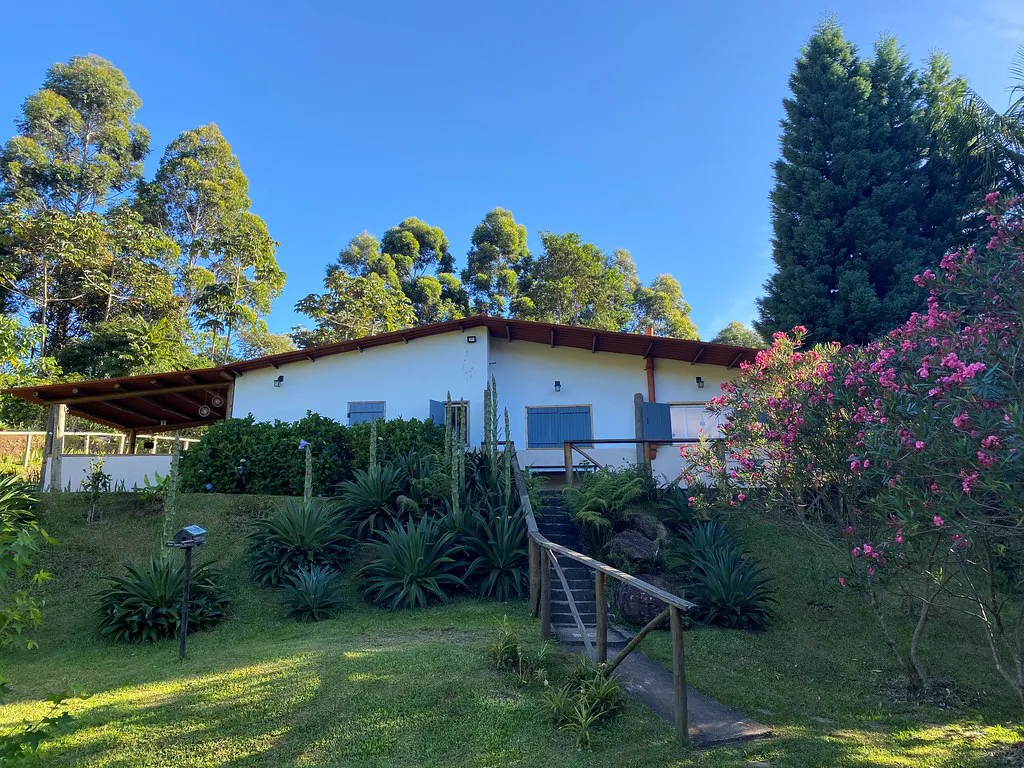
The practical reality is harder than the romance. Communal showers run on scheduled hours and lines form fast mid-morning. Shade in the basic zones is scarce, and the August sun is unrelenting from 08:00 onwards. Arrive on the official early move-in day — typically the Sunday before opening — to secure a pitch under one of the few trees. Bring a tent with strong ventilation; a sealed dome tent in a field at 32°C becomes a health risk by day two.
Basic camping suits those who want total immersion, have a high tolerance for noise (the bass carries across the entire island at night), and are traveling on a tight budget. Solo travelers and groups who plan to be at stages from noon until dawn get the most value here. Anyone who needs more than four hours of uninterrupted sleep per night should look at an upgrade option.
Upgrade Camping and Glamping: Comfort on the Island
For those who want island life without the punishing conditions of basic camping, Sziget offers several tiers of upgrade. Siesta Camping adds a fenced perimeter, more shade, and shorter shower queues for around €100 per person on top of your pass. Park Camping sits on a quieter section of the island and draws a slightly older crowd. Both require a valid festival pass and sell out well before the lineup is announced.
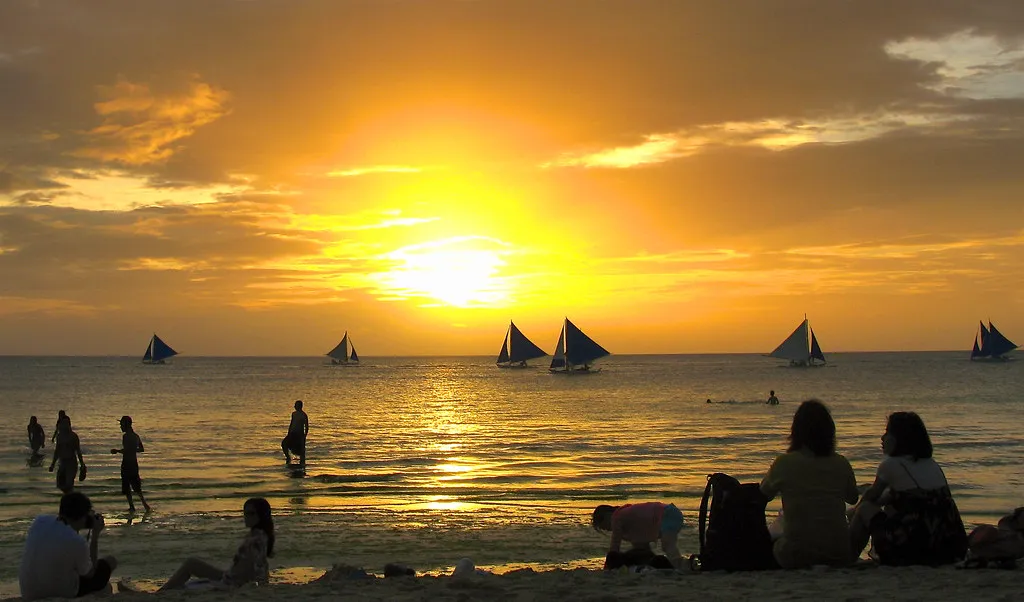
At the premium end sits Sziget Ville, the glamping zone featuring pre-pitched tents, wooden lodges, and bell tents. Prices range from approximately €450 to €1,200 depending on the structure and group size. The site includes a dedicated reception, private chemical toilets, fans, and electricity hookups. This is the only on-island option that meaningfully addresses the August heat problem — the fans and shade structures in Sziget Ville make a genuine difference at 14:00 on a cloudless August afternoon.
All upgrade camping must be booked through the Sziget Official Accommodation portal. These options do not appear on third-party booking sites, and they sell out faster than standard passes — sometimes within hours of release. If glamping is your plan, set a calendar reminder for the moment pre-sale opens and treat it as seriously as the tickets themselves.
Sziget RV Camping: Bringing Your Home on Wheels
The on-island RV and caravan zone is the most coveted accommodation type at Sziget. A dedicated Caravan Camping Pass must be purchased separately from your festival ticket, and these passes cost between €250 and €400 depending on pitch size. They include electricity hookups and a shared waste disposal point. The critical detail: these passes sell out within hours — sometimes minutes — of going on sale. If you want on-island RV access, you need to be watching the ticket release date closely and have your payment details ready.
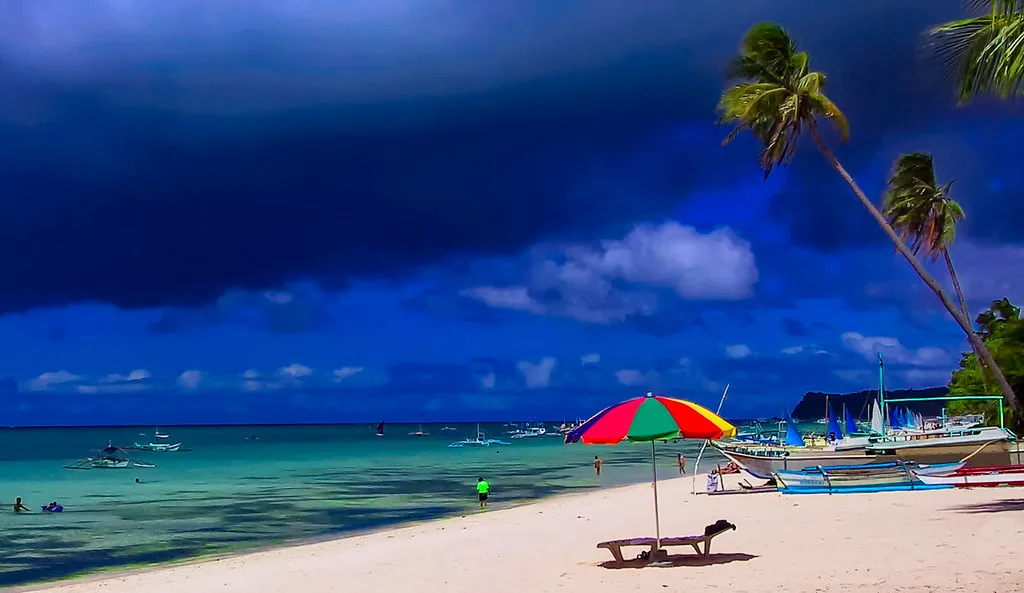
Travelers who miss the on-island passes have a strong alternative: rent an RV or campervan and book a pitch at an external campsite near Budapest. Companies like Indie Campers operate a Budapest depot and offer vehicles from compact two-person campervans to larger crew vehicles, priced at roughly €100 to €250 per day depending on size and season — splitting with four people makes this cheaper than a city hotel. The Indie Campers RV Guide outlines the booking process in full, including nearby campsite options connected to the HÉV suburban railway.
The RV route — whether on-island or at an external site — gives you the advantages that no other option matches: your own bed, your own kitchen for cheap meals, your own bathroom with no queues, and climate control during the afternoon heat. The trade-off versus on-island camping is a 20 to 35 minute commute each way on public transport. For those sensitive to heat and noise, that commute is absolutely worth it.
Budapest Hotels and Hostels: Comfort in the City
City accommodation suits Szitizens who prioritize sleep quality, air conditioning, and the ability to explore Budapest beyond the festival. The two districts that matter are District III (Óbuda) and District VII (the Jewish Quarter). Each serves a different type of traveler and involves a different commute and surrounding environment.
District III sits immediately adjacent to Óbuda Island. The Verdi Budapest Aquincum Hotel is the premium option here: a four-star property with a thermal spa and outdoor pool, one stop from the festival on the H5 HÉV line. Rooms during festival week run approximately €180 to €300 per night for two people. The pool is not a luxury detail — after six hours on a sun-exposed island at 32°C, cold water is a genuine recovery tool that makes the following day survivable. If heat management matters to you, book a hotel with pool or spa access in District III and treat it as a health investment, not an indulgence.
District VII is where the ruin bars are concentrated. Hostels like Hive Party Hostel and Wombats charge €40 to €90 per night for dorm beds and attract a young international crowd. The commute to Óbuda Island takes around 35 minutes via M2 metro to Batthyány tér, then the H5 HÉV to Filatorigát. The area is loud at night, so light sleepers should note that District VII's own nightlife does not stop simply because Sziget is running. It suits solo travelers who want to meet other Szitizens in the city as well as on the island.
Airbnb and Vacation Rentals: Local Living in District III and VII
Renting a private apartment gives groups the most cost-effective combination of privacy and kitchen access. A two-bedroom Airbnb in District III runs approximately €120 to €220 per night during festival week, which split among four people undercuts most hostel dorm beds. Prioritize properties near Filatorigát or the Szentlélek tér area of Óbuda — some are genuinely close enough to hear the distant bass from the main stage, which has its own appeal. Look for units with air conditioning listed explicitly; Budapest apartments without AC become uninhabitable by 15:00 in August.
District VII apartments suit those who want easy access to the ruin bar circuit for pre- or post-festival evenings. Prices here tend to run slightly higher due to central location demand, averaging €150 to €250 per night for a full apartment. The commute mirrors that of the District VII hostels: M2 metro plus H5 HÉV, around 35 minutes total. Check host reviews from previous August stays specifically — some District VII apartments are above active bars, making sleep before 03:00 unreliable even mid-week.
Official Sziget Hotel Packages
Sziget's official accommodation partners bundle festival passes with hotel stays at curated properties across Budapest. These packages — managed through the Festival Travel Packages portal — typically include a dedicated shuttle service running directly from the hotel to the island gates. For those who do not want to navigate the HÉV schedule after a long night, this is the most friction-free option.
Featured properties have historically included the Verdi Budapest Aquincum (District III), Up Hotel, and Fashion Hotels. Prices vary significantly depending on the property tier and pass type bundled. The core advantage is simplicity: one booking covers both your ticket and your bed, and the festival-organized shuttle removes the public transport variable entirely. These packages tend to appear in late autumn for the following August festival and sell out within weeks, so they reward early planners.
The 21&U package deserves specific attention if you are under 21 years old. This dedicated pass tier offers meaningful discounts on full festival passes combined with selected accommodation options. It is one of Sziget's least-publicized deals — most competitors mention it only in passing — yet it can reduce the total ticket-plus-lodging cost by 15 to 25% for eligible travelers. Check the Sziget official site during the early-bird window specifically for 21&U package availability, as they are not always listed prominently alongside standard passes.
On-Site vs. Off-Site: The Core Decision
The clearest way to frame this choice is by what you value most across six consecutive days. On-site camping gives you total immersion, no commute, and the social energy of being surrounded by Szitizens around the clock. Off-site accommodation gives you a private bathroom, real sleep, a kitchen for cheap meals, and escape from constant noise and heat. Both are valid and both involve real trade-offs.
Budget is frequently the deciding factor for younger travelers, but the comparison is more nuanced than tent versus hotel nightly rate. A basic camping pass is included in a full ticket, but eating three meals daily at festival stalls adds €40 to €60 per day easily. An apartment in District III with kitchen access eliminates most of that spend. When you factor in daily food costs plus transport, the price gap between basic camping and a modest apartment often narrows to €30 or €40 per person per day — or disappears entirely for groups of four.
The heat variable is decisive for many travelers who underestimate it. Budapest in August averages 30°C with regular spikes above 33°C. The island has limited shade in the camping areas, and tents amplify midday heat severely. If you have any sensitivity to heat exhaustion, book off-site accommodation with air conditioning and treat the commute as necessary recovery time. We suggest checking our European music festival packing list to prepare for the island's specific conditions before you commit to any lodging type.
How to Get to Óbuda Island
The H5 suburban railway — called the HÉV — is the primary transport link for any off-site accommodation. It departs from Batthyány tér in the city center and stops at Filatorigát, the festival's main entrance gate. Trains run every few minutes during the day and continue with reduced frequency through the night. This line is the reason District III and Batthyány-adjacent accommodations work so well: you are one or two stops from the gate at most.
For those arriving by air, the 100E Airport Shuttle Bus connects Budapest Ferenc Liszt International Airport directly to Deák Ferenc tér in the city center. From Deák, the M2 metro reaches Batthyány tér in under ten minutes, where you connect to the HÉV. Door to festival gate in roughly 45 to 55 minutes from the airport. A Sziget CityPass — sometimes available through official partners — bundles unlimited public transport with thermal bath entry and can reduce daily transport costs significantly.
The Sziget Boat Service offers a scenic alternative from Jászai Mari tér along the Danube, delivering a cooler and quieter journey than the HÉV during afternoon heat. It runs frequently during festival hours and takes slightly longer than the train. We recommend taking it at least once — the approach to Óbuda Island by water, with the island's stages visible from the river, is a genuinely memorable arrival. For route-level details see our full guide on how to get to Sziget Festival.
Booking Mistakes to Avoid
The most costly mistake is booking accommodation near Budapest Ferenc Liszt Airport. These properties look cheaper, but the commute to Óbuda Island runs 90 minutes or more and typically requires multiple transfers. After a long festival night, that journey becomes expensive and punishing — late-night taxis from the island to the airport district can cost €30 to €45 one way.
Avoid accommodation in the Buda hills regardless of price. These areas rely on infrequent night buses and involve steep walking at any time of day, let alone at 04:00 after six hours of dancing. Stick to the flat sections of Pest or the riverfront zones of District III. Both offer direct HÉV or metro connections that function reliably even during festival peak hours.
Do not attempt last-minute booking once the festival week begins. Budapest reaches near-100% hotel occupancy during Sziget. Properties that remain available on the first day of the festival routinely list at €350 to €450 per night for basic rooms. Plan your booking by February, use our Sziget Festival tips for first-timers for a full timeline, and treat accommodation as a non-negotiable first priority once tickets are secured.
Frequently Asked Questions
Is it better to stay on the island or in a hotel for Sziget?
Staying on the island offers full immersion and no commute, which is great for social travelers. However, hotels provide air conditioning and better sleep, which are vital during Budapest's hot August weather. We recommend hotels for those who value recovery over constant proximity.
Which district in Budapest is best for Sziget Festival?
District III (Óbuda) is best for proximity as you can often walk to the festival entrance. District VII (Jewish Quarter) is ideal for those who want to experience ruin bars and the city center nightlife. Both districts have excellent connections to the H5 train line.
How much does accommodation cost during Sziget Festival?
Basic camping is included in your festival pass, but upgrades cost around €100. City hotels range from €100 to €250 per night during the event. We suggest booking six months in advance to secure the lowest rates before they double.
Visiting Budapest for more than one festival? See our complete guide to festivals and events in Budapest.
Choosing where to stay for Sziget Festival depends entirely on whether you prioritize convenience or comfort. The Island of Freedom offers a magical atmosphere for those willing to brave the heat and the dust. If you prefer a quiet room and a pool to cool down in, the neighborhoods of District III and VII are your best bets. No matter where you sleep, being a Szitizen is an experience that will stay with you long after the music stops.
Remember to book your transport and lodging early to save money for the incredible food and drink on-site. We hope this guide helps you find the perfect home base for your 2026 Budapest adventure. Enjoy the sun, the music, and the unique spirit of one of the world's greatest festivals.
Free guide: Europe's Festival Calendar
A month-by-month map of Europe's unmissable festivals — with the best dates to visit each and a local tip you won't find in the guidebooks.
You might also like


Continue reading
More guides you'll find useful