
Is Sziget Festival Worth It? 10 Things to Know Before You Go
Is Sziget Festival worth it? Get an honest review of 2026 costs, the Day -1 ticket trap, and transport tips for Budapest's Island of Freedom.
On this page
Is Sziget Festival Worth It? 10 Things to Know Before You Go
Yes, Sziget Festival is worth it for travelers who want a massive, multi-genre cultural experience in a beautiful city. The best alternative for those seeking a more focused music lineup is Primavera Sound in Barcelona. Last updated June 2026.
Located on Óbuda Island in the heart of Budapest, this week-long event is known as the Island of Freedom. It ranks among the best music festivals in Europe due to its scale and diversity. This guide breaks down the hidden costs and logistical hurdles you will face on the island. We aim to help you decide if the high ticket price matches your travel style.
Free guide: Europe's Festival Calendar
A month-by-month map of Europe's unmissable festivals — with the best dates to visit each and a local tip you won't find in the guidebooks.
What Is Sziget Festival? (The Basics)
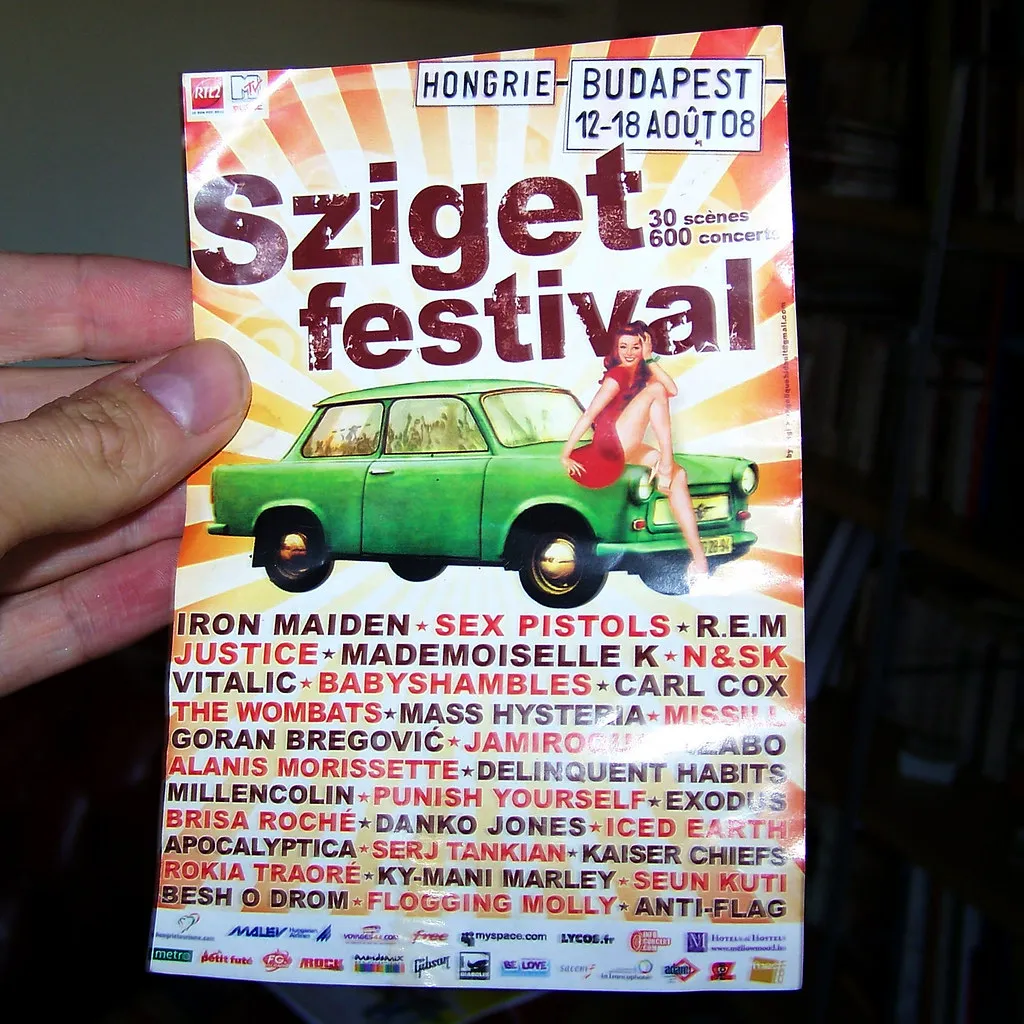
Sziget is one of the largest music and arts festivals in the world, hosting over 1,000 performances annually. The event transforms a massive island into a self-contained city with its own supermarket and post office. Music ranges from mainstream pop and rock to heavy metal and electronic dance music. Check our Sziget Festival dates and lineup guide for specific schedule details.
The festival started in 1993 as Diáksziget — a student-organised gathering in the early years after Hungary emerged from communist rule. What began as a scrappy, countercultural event on Óbuda Island grew into one of Europe's biggest gatherings, now welcoming roughly 400,000 to 500,000 people over the week. The atmosphere is famously inclusive, attracting a global crowd from over 100 countries. Beyond music, you can find a circus, theatrical performances, and art installations scattered across the wooded grounds.
The Sziget Festival Official Website provides the most current list of non-musical activities and lineup announcements. Most visitors find the non-musical programming just as impressive as the main stage headliners.
The Day -1 Ticketing System Explained
A common mistake for first-timers is misunderstanding the "Day -1" and "Day 0" ticketing terminology. The festival runs across a full week from Monday to Sunday. Monday is Day -2, Tuesday is Day -1, Wednesday is Day 0 — and then normal numbering begins. Only camping ticket holders have access from Monday. Weekend or shorter passes typically start from Wednesday, Day 0.

This matters because Sziget routinely places major headliners on those early days. If you only buy a three-day or weekend pass, you might miss the biggest act of the whole week — a mistake that catches many first-timers off guard. Full six-day passes typically cost between €300 and €500 depending on when you purchase them. Daily tickets range from €75 to €100, which can feel expensive for a single-day experience.
We suggest reviewing the full schedule before committing to specific dates to avoid missing your favorite acts. Always buy through official channels to avoid the rampant ticket scams found on social media. Seven-day early-bird passes start from around €300 to €400 — check the official site for current pricing and payment plans.
Getting In and Out: Transport and Logistics
Reaching Óbuda Island is relatively easy using Budapest's efficient public transportation network. The H5 HÉV suburban train is the primary route, departing from Batthyány tér or Margit híd every 15 to 20 minutes. Tram line 17 also runs close to the festival, with Filatorigát stop putting you within a five-minute walk of the entrance gate. Consult our guide on how to get to Sziget Festival for detailed transit maps.

The official claim of a "five-minute walk" from the tram stop is technically accurate — but the actual time from stopping to reaching the entrance gates can stretch to 30 minutes during peak entry hours between 16:00 and 19:00. Security checks every bag for prohibited items including glass containers and large amounts of alcohol. Budapest runs extra trams and buses during festival week, and services run later hours, but expect congestion when tens of thousands of people leave simultaneously after headline sets.
For late-night returns, trams and the H5 train run frequently after big acts finish, typically until around 05:00. Taxis via the Bolt app are a popular backup: expect to pay approximately 3,400 to 4,100 HUF (around €8 to €10) into the city centre, or 9,000 to 11,000 HUF (€21 to €26) to Budapest Airport. The 100E Airport Shuttle Bus provides a direct link from the airport to the metro network for arrivals. We recommend arriving at the gates before 15:00 to avoid the heaviest entry congestion.
Inside Sziget: Navigating the Island Grounds
The island is large enough that first-time visitors frequently underestimate how long it takes to move between stages. The main stage is the obvious anchor point, but the real Sziget experience happens in the zones surrounding it. The A38 Stage is a covered indoor space with a strong atmosphere — smaller acts there can feel more intense than anything on the open-air main stage. The Magic Mirror tent is a dedicated space for queer culture and club nights. The World Village Stage showcases global acts and is often far less crowded than the headline venues.
The Luminarium — a large inflatable structure of interconnected domes — is consistently one of the longest queues on the island, sometimes stretching to an hour. Go early in the day if you want to experience it without sacrificing prime music time. Cirque du Sziget, the contemporary circus programme, runs afternoon shows on a schedule separate from the music lineup. The full daytime programme starts around 12:00 with activities including yoga, dance workshops, and art exhibitions from the Hungarian National Museum.
The Sky Bar at the back of the site offers elevated views and a less congested spot to watch the main stage. The food area at the rear of the main stage field is another good option — you can stand on benches, maintain a clear sightline, and still breathe. Peak attendance hits between Wednesday and Friday; Monday and Tuesday are noticeably more relaxed if you have access from Day -2.
The Cost: Beer, Food, and Payment Cards
Budgeting for Sziget requires looking beyond the ticket price to the daily on-site expenses. In 2026, expect to pay approximately 1800 HUF (€4.50) for a 0.5L Dreher beer. Food prices vary widely, but a standard meal like a burger or gyros costs 4,000 to 7,000 HUF. Check the Official Festival Info for updated price caps on essential items.
The festival uses a mandatory cashless system via a festival card or your own contactless device. If you choose the festival card, there is a non-refundable 500 HUF activation fee. You can use your own contactless bank card or phone to avoid this fee entirely and skip the top-up queues — most vendors accept all major contactless payment methods. Carry a small amount of cash as a backup for the rare stalls that do not accept cards.
- Festival payment card activation: 500 HUF (non-refundable)
- Mandatory bin bag deposit in many camping areas: 500 HUF (refundable if returned)
- Locker rental: available in sizes for day bags or larger items — check current rates on the official website
- Free water refill stations are located throughout the festival grounds — bring a refillable bottle
These micro-fees add up quickly if you are not tracking your spending. A realistic daily budget for food and drinks on-site is €30 to €50, on top of your ticket cost.
Best Viewing Spots and Crowd Management
The main stage draws the largest crowds, and the experience varies enormously depending on where you stand. The front section has the highest energy but once you are in a dense crowd it can take 20 minutes or more to get out — a serious consideration if you have a tight schedule or get uncomfortable in packed spaces. The middle zone typically offers the best combination of sound quality and room to move. The hill behind the main crowd gives good sightlines and easy exit routes when you want to move on.
Set clashes are inevitable at a festival with over 40 active stages running simultaneously. The practical approach is to plan two or three priority acts per day and treat everything else as a bonus. Smaller stages like the Magic Mirror and The Buzz can reach capacity for popular acts, so arrive 30 minutes early for anything you really want to see. Main stage headline slots are easier — you can arrive a few minutes before the set and still find a comfortable spot somewhere on the field.
The food court at the rear of the main stage field is a useful escape valve. It has screens, decent sound, seating on benches, and vendors — you can watch the headliner while eating without being pressed against thousands of people. This is also the best spot if crowd anxiety is a concern for you.
Art, Circus, and Culture Beyond the Music
Sziget is not a music festival that also has some art. It is a genuine week-long cultural event where the non-music programming could fill your entire day. The Cirque du Sziget contemporary circus runs scheduled shows with professional international performers. The Hungarian National Museum hosts a dedicated exhibition on the island each year. The campfire zone and sandbox areas function as ambient social spaces rather than programmed stages — they are where long conversations happen at 02:00 in the morning.
The Magic Mirror tent hosts a programme specifically built around LGBTQ+ culture, drag performance, and club nights. The World Village Stage brings in traditional and contemporary acts from across Africa, Latin America, and Asia — genres you will not find on any other European festival main stage. The Hungarian Folk Dance Tent runs free sessions where you can learn traditional dances, typically in the afternoon before the evening music crowds arrive.
Every main stage day is built around a themed crowd event. Past editions have included a balloon party (20,000 balloons released over the crowd), a flag party with 10,000 flags distributed free, and a colour party. These moments are specific to Sziget and entirely separate from the music — they are worth timing your arrival at the main stage to catch.
Accommodation: Camping vs. Budapest City
Deciding where to sleep is the biggest factor in your overall enjoyment of the festival. Basic camping is included in the full-week pass, but it is loud, dusty, and very hot. Upgraded options like glamping or pre-pitched bell tents with proper bedding are available at extra cost through Sziget Accommodation Options. Wooden lodges and premium camping areas sit at the higher end of the on-site comfort scale. Many visitors find the 24-hour noise makes it impossible to get quality rest on the island regardless of how much they spend on accommodation.
- Basic camping: Included with full-week pass. Bring your own tent. Hot, dusty, and noisy around the clock.
- Premium camping: Dedicated quiet zones with better facilities. Costs extra but significantly more comfortable.
- Glamping / bell tents: Pre-pitched with bedding. Higher price but removes the gear-carrying burden.
- City apartment or hotel: Air conditioning, real sleep, and easy access to Budapest's restaurants and thermal baths. Our recommended option for most visitors.
We strongly recommend staying in a city apartment or hotel if budget allows. Budapest offers affordable rentals in neighbourhoods like Pest's V and VII districts that put you within 20 to 30 minutes of the island by public transport. While you lose the full immersion of on-site camping, you gain the energy to enjoy the 05:00 closing parties, and you return each night to functioning showers and actual beds. Read our advice on where to stay for Sziget Festival to find the best neighbourhoods.
Book city accommodation at least six months in advance. August is high season in Budapest and festival week drives hotel prices up sharply across the entire city.
Surviving Sziget at Any Age: Practical Tips
Sziget attracts a wide age range — from teenagers on their first festival to veteran attendees in their 40s and beyond. The festival's demographic has shifted noticeably over the past decade, with a larger proportion of international travelers in their late 20s and 30s. If you are not in your early 20s and want to enjoy the full week without burning out by day three, the approach changes significantly compared to camping-and-sprinting mode.
The single most effective change is staying in the city rather than on-site. Combined with arriving at the island by mid-afternoon instead of at opening, this strategy lets you catch the headline acts while skipping the least comfortable hours. Earplugs are essential — not just for sleeping, but for protecting your hearing across multiple high-volume days. The "Sziget lung" is a real and common complaint caused by breathing in dry island dust for several consecutive days. A light bandana or fabric face covering worn during dusty afternoon hours makes a meaningful difference.
The official Sziget app is worth downloading. It provides live schedule updates, stage maps, set-clash alerts, and real-time changes to artist times — all things that matter when you have 40+ simultaneous stages running. Download it before you arrive and set alerts for the acts you want to prioritize. The quieter chill zones — particularly the campfire area, the beach, and the hammock zone near the treeline — are easier to find with the app's map than by wandering. These are the best spots to decompress between sets without leaving the island.
Beyond the Festival: Exploring Budapest
One of Sziget's genuine advantages over field-based UK festivals is that it sits inside one of Central Europe's most interesting cities. Budapest's thermal baths are the obvious recovery option — Széchenyi Baths in City Park, Gellért Thermal Bath on the Buda side, and Rudas Baths overlooking the Danube are all within easy reach. A two-hour morning soak on a slow festival day does more to restore energy than any extra sleep in a hot tent.
The ruin bars of the VII district — Szimpla Kert being the most famous — are worth visiting outside festival hours for a sense of local Budapest culture that the island cannot provide. The Great Market Hall near Fővám tér is the best place to stock up on portable festival snacks (Hungarian dried meats, paprika, chimney cake) and buy souvenirs in the same trip. If you have a rest day, Buda Castle and Fisherman's Bastion offer the classic views, while the Hungarian Parliament building is worth booking a tour inside.
Day trips are feasible if you have a slow festival day. Szentendre, the artists' town on the Danube Bend, is 45 minutes by HÉV train from Batthyány tér — the same line that runs to the festival. Lake Balaton is 90 minutes by rail and offers beaches and wine country on the north shore. These options make Sziget well-suited to turning into a longer Hungary trip rather than a standalone festival visit.
The Final Verdict: Is Sziget Festival Worth It?
Sziget Festival remains a top-tier European destination due to its unique island setting and cultural depth. It is more than a music event; it is a week-long celebration of art and community. However, the rising costs and intense heat mean it is not the right fit for everyone. Review our Sziget Festival tips for first-timers to maximize your budget.
Verdict: Sziget is worth it if you value variety and a 24/7 party atmosphere. If you only care about seeing three specific bands, a shorter festival like Exit Festival might be better value. The experience of crossing the K-Bridge into a world of art, circus, and international crowds is something every festival fan should do at least once.
- Pros: What visitors usually love
- Incredible variety of music and art across 40+ stages
- Beautiful island location in central Budapest
- Friendly and international social atmosphere — 100+ countries represented
- Extensive 24/7 programming, parties until 05:00
- Easy access to one of Europe's best city destinations
- Cons: What may disappoint
- Extremely dusty and dry island conditions ("Sziget lung" is real)
- High temperatures during August peak — regularly above 30°C
- Expensive food compared to Budapest city prices
- Long queues at the main entrance during 16:00–19:00 peak
- Day -1 ticketing system catches out first-time buyers
- Verdict Details
- Best for: Social travelers, art lovers, and those who want city access alongside the festival
- Skip if: You hate heat, dust, and large crowds
- Alternative: Exit Festival in Serbia for a smaller scale option
- Price Range: €300–€500 for full passes in 2026
- Hours: 24/7 access, music and parties until 05:00
Frequently Asked Questions
Is Sziget Festival better than Glastonbury?
Sziget offers better weather and a more central city location than Glastonbury. However, Glastonbury has a more prestigious lineup and larger grounds. Sziget is often cheaper for international travelers due to Budapest's lower costs.
What is the best way to pay at Sziget?
Use your own contactless debit card or phone to avoid the 500 HUF festival card fee. This also saves you from queuing at top-up stations. Most vendors on the island accept all major contactless payment methods.
Can you bring your own food and water?
You can bring non-alcoholic drinks and small snacks onto the island. However, glass bottles and large amounts of alcohol are strictly prohibited at the security gates. Free water refill stations are located throughout the festival grounds.
Visiting Budapest for more than one festival? See our complete guide to festivals and events in Budapest.
Sziget Festival provides a unique blend of music, circus, and community on a scale few events can match. While the dust and heat are challenging, the 'Island of Freedom' atmosphere is truly memorable. Plan your logistics early and consider staying in the city to ensure you have the best experience possible.
Free guide: Europe's Festival Calendar
A month-by-month map of Europe's unmissable festivals — with the best dates to visit each and a local tip you won't find in the guidebooks.
You might also like

Continue reading
More guides you'll find useful


