How to Experience Palio di Siena: Travel Guide
Plan how to experience Palio di Siena with step-by-step tips on tickets, viewing spots, contrada dinners, and race-day logistics. Updated June 2026.
On this page
How to Experience Palio di Siena
The Palio di Siena is one of Europe's most extraordinary living traditions — a bareback horse race around the Piazza del Campo that lasts roughly 75 seconds yet generates months of preparation and intense civic passion. Held twice yearly on July 2 and August 16, the Palio is not a tourist event: it is the defining moment of the Sienese calendar, and the 40,000 Sienese who pack the Campo on race day vastly outnumber the visiting crowd. Last updated May 2026 with current ticket prices and viewing logistics.
Quick Answer: The best way to experience the Palio di Siena is to arrive at least four days before race day, attend the horse trials, and secure a spot in the free central standing area of the Piazza del Campo early on the morning of the race. For a more comfortable experience, paid palchi stands cost €160–€350 / ~$175–$380 per seat and must be arranged months in advance directly with the bars and shops that own them. Balcony views from surrounding buildings run €350 / ~$380 and upwards, requiring personal connections or specialist tour operators.
Free guide: Europe's Festival Calendar
A month-by-month map of Europe's unmissable festivals — with the best dates to visit each and a local tip you won't find in the guidebooks.
How to Experience Palio di Siena: Step-by-Step
Experiencing the Palio di Siena well requires planning months in advance, not days. The event fills the entire city, and the most desirable viewing spots and accommodation sell out a year or more ahead. Following this sequence will give you the best chance of seeing the race in context rather than scrambling on the day.
The build-up across four days before the race is arguably as compelling as the race itself. The atmosphere in Siena's medieval lanes shifts noticeably from the moment the horses are selected at la tratta. Arriving on race day alone, without the preceding days of trials and contrada life, means missing most of what makes the Palio special. Plan to spend at least four to five days in Siena around the event.
On race day itself, the schedule is unpredictable: false starts are common, and a heavy downpour in the hour before the race will postpone it to the following day. Keep your travel plans flexible and avoid booking onward transport for the same evening. Check the Telegraph's Palio guide for updated practical tips before you travel.
- Step 1: Book accommodation six to twelve months ahead
- Central Siena fills completely for both Palio dates — book as early as possible, ideally a year out.
- If nothing is available in the city centre, a village on the outskirts and a bus or taxi on race day is a practical fallback.
- Expect to pay a significant premium on Palio weekends; rates two to three times normal are common.
- Step 2: Choose your viewing option and secure it early
- The central standing area in the Piazza del Campo is free but extremely crowded, with no seating or toilet facilities.
- Palchi seats (€160–€350 / ~$175–$380) are managed by individual bars and shops around the piazza — ask in person months before the event, or inquire this year for next year's race.
- Balcony spots in the surrounding palazzos cost €350 / ~$380 and upwards and typically require personal connections or a specialist booking service.
- Step 3: Arrive in Siena four days before race day
- La tratta — the horse selection — takes place around midday on June 29 (July Palio) or August 13 (August Palio).
- Being in Siena from this moment lets you follow one horse and contrada through the entire build-up, which is where the emotional intensity of the Palio really lives.
- Accommodation rates are also lower in the days before race day itself.
- Step 4: Attend at least one horse trial
- Six trials run between la tratta and race morning — at 8.40am and 7.15pm each day.
- Arrive early to secure a spot in the cordoned-off central area; the evening trials in particular draw large crowds.
- Trials are free to watch and give you a feel for the layout, the noise, and the contrada dynamics before race day.
- Step 5: Attend a contrada dinner on the eve of the race
- On July 1 and August 15, each contrada holds an open-air dinner for its members and guests, with trestle tables filling the district's main streets.
- A dinner place costs around €50 / ~$55 per head — ask your accommodation for help securing an invitation, or visit the contrada's headquarters in person a day or two before.
- These dinners are genuinely communal events, not tourist packages, and offer a window into Sienese civic life that no race-day ticket can replicate.
- Step 6: Take your position in the piazza early on race day
- For the free central standing area, arrive by late morning at the latest — by early afternoon the Campo is already packed solid.
- Bring water, sun protection, and a hat; there is no shade in the central section, and summer temperatures regularly exceed 30°C / 86°F.
- The historical pageant (Corteo Storico) begins around 5pm, with the race itself typically starting in the early evening — but delays are common, so settle in for a long wait.
- Step 7: Choose a contrada and join the celebration
- Pick up a contrada scarf from a souvenir stall, choose a side, and cheer — the experience is dramatically richer when you have a horse to root for.
- If your contrada wins, the victory celebration spills into the streets and continues through the night; joining the crowd is entirely welcomed.
- The winning contrada carries the drappellone — a painted banner of the Virgin Mary — back to their neighbourhood church in a triumphant procession.
What Is the Palio di Siena?
The Palio di Siena is a bareback horse race around the shell-shaped Piazza del Campo that has run almost without interruption since at least 1644. Ten of Siena's seventeen contrade (civic districts) compete in each race — seven that missed the previous edition enter by right, and three more are drawn by lot. The race itself lasts around 75 seconds, but the event spans four days of ceremonies, trials, dinners, and civic ritual that define the Sienese year.
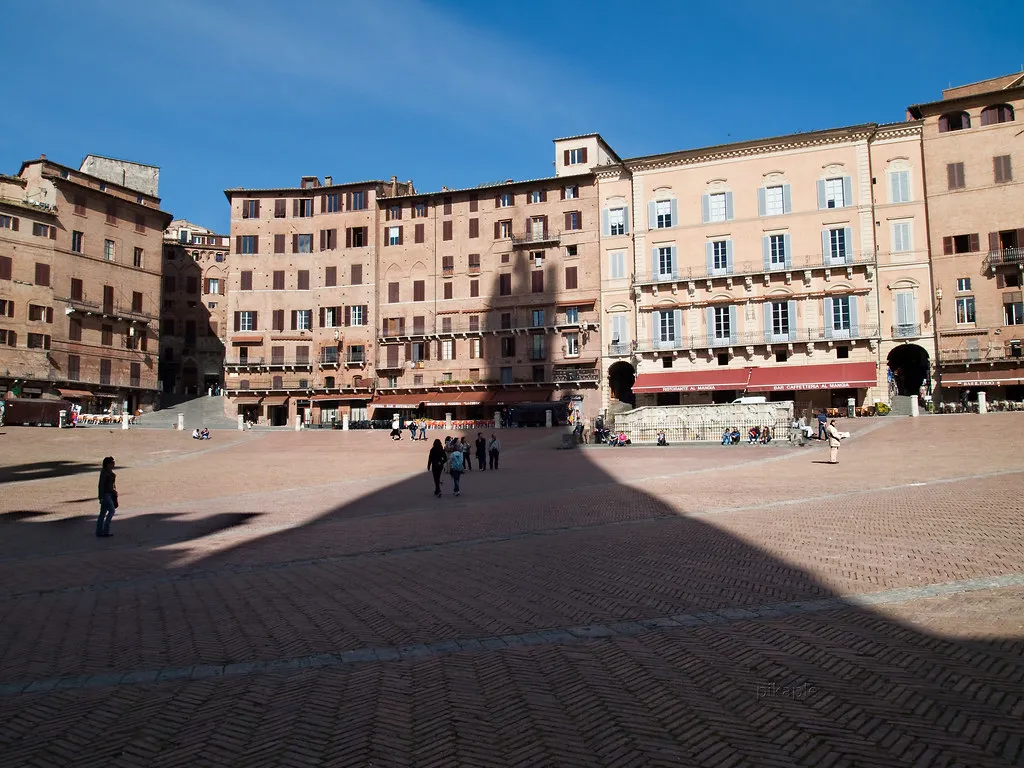
The Palio is held in honour of the Virgin Mary twice annually: on July 2 (the Madonna of Provenzano) and August 16 (the Assumption). Contrada identity in Siena runs deep — couples from rival districts have been known to attend separately when both their contrade have horses in the race. The race is entirely governed by Sienese tradition and civic law, not by any external sporting body.
Visitors sometimes expect a choreographed tourist event and are surprised by how raw and genuinely competitive the Palio is. Jockeys are professionals hired and negotiated with by each contrada in the days before the race, and last-minute tactical alliances between districts are a normal part of Palio strategy. Understanding this context — even briefly — transforms what you see on race day from spectacle into something closer to the experience of the Sienese themselves.
For travellers on the best cultural festivals in Europe itinerary, the Palio ranks among the most authentic civic events on the continent. Unlike many of Europe's supposedly medieval festivals, the Palio's traditions have never been revived or reimagined for an audience — they simply continued.
Viewing Options and Ticket Prices for the Palio
There are three realistic ways to watch the Palio di Siena, each with a very different experience and price point. No single "best" option exists — the right choice depends on your budget, your tolerance for heat and crowds, and how far in advance you are planning. The table below summarises the key trade-offs at a glance.
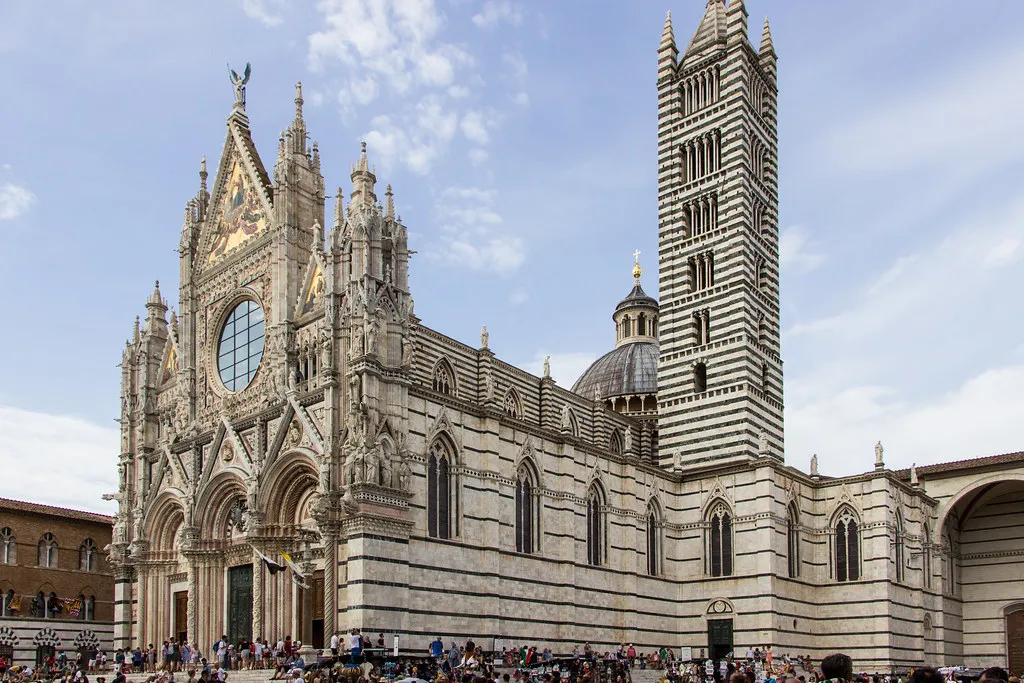
The free central standing area in the Piazza del Campo is the most atmospheric option and the one that puts you closest to the Sienese crowd. Arrive by late morning to guarantee a position — the area fills steadily from mid-morning and reaches capacity well before the race. There are no toilets in this section, no seating, and no shade; summer heat and a wait of four or more hours is the trade-off for the immersive experience. This is not a suitable option for young children or anyone with mobility limitations.
Palchi seats in the tiered stands around the piazza cost €160–€350 / ~$175–$380 per seat, with prices highest at the mossa (start and finish line). There is no central booking system: palchi are owned and managed by the bars, restaurants, and shops in front of which they stand. The practical approach is to visit Siena months before the event and ask in person — or to inquire this year for the following year's race. Some specialist operators offer palchi packages, but availability at short notice is extremely limited.
Balcony and window views from the surrounding palazzos offer elevated sightlines and often include hospitality, but cost €350 / ~$380 per person and upwards. Access is typically arranged through Sienese families, guesthouses with longstanding local connections, or premium tour operators — not through any public ticketing system. Book this option six months to a year in advance if you want genuine choice.
The contrada dinners held on the evening before the race (July 1 and August 15) are a separate and highly recommended experience. A place costs around €50 / ~$55 per head; ask your accommodation for help, or visit the contrada headquarters in the days before the race. These dinners are not tourist events — they are the contrada's own celebration, and being invited to one is genuinely a privilege.
- Free standing (Piazza del Campo centre)
- Cost: Free. Arrive by 10–11am to secure a good position.
- No seating, no toilets, no shade — bring water, a hat, and sun cream.
- Most immersive option; best suited to adults comfortable with large crowds and heat.
- Palchi seats (tiered stands around the piazza)
- Cost: €160–€350 / ~$175–$380 per seat, depending on location.
- No central ticket office — contact bars and shops around the piazza directly, ideally months ahead.
- Shaded, seated, and with better sightlines than the standing area.
- Balcony or window views (palazzo buildings)
- Cost: €350 / ~$380 and upwards per person, often including food and drink.
- Requires advance booking via local contacts, guesthouses, or specialist operators.
- Elevated views and a more comfortable environment, but the crowd atmosphere is reduced.
The Days Before the Race: Trials and Traditions
The Palio di Siena is not a one-day event — it unfolds across four days of escalating ceremony, and experienced visitors consistently say the build-up is as memorable as the race. Each stage has its own rituals, crowds, and atmosphere, and attending multiple events gives you a far richer understanding of what the race actually means to Siena.
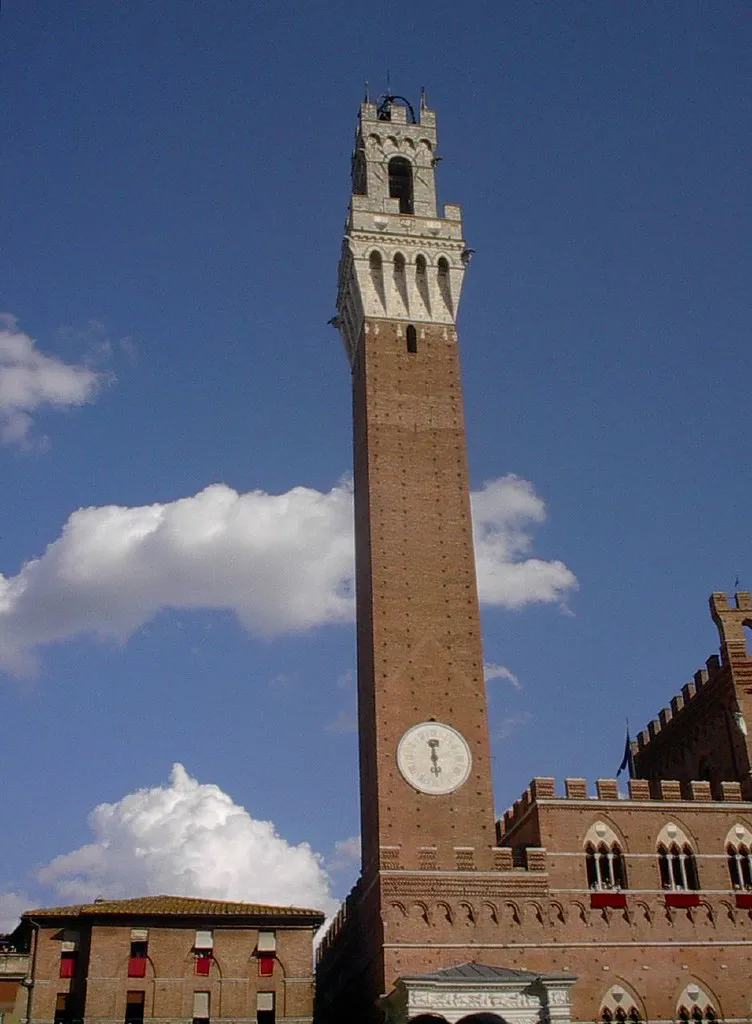
La tratta — the public horse selection — takes place around midday on June 29 (for the July Palio) or August 13 (for the August race). Ten horses are chosen from a larger pool and assigned by lot to the competing contrade; the moment each district learns its horse, the mood of the city visibly changes. Six horse trials follow in the mornings and evenings between la tratta and race day — arrive in the cordoned central area by 8.40am for morning trials and 7.15pm for evening trials.
The evening before the race — July 1 or August 15 — each contrada holds an open-air dinner for its members and guests. Trestle tables run the length of the district's main street, and the atmosphere is a mix of communal celebration and pre-race nerves. Getting a place at one of these dinners, even informally, is one of the most memorable things you can do in Siena.
On race day itself, the Corteo Storico (historical pageant) begins in the early afternoon, with hundreds of participants in medieval costume carrying the contrade banners through the city. The Sbandierata — a precision flag-throwing display — draws applause from even the most seasoned observers. The race itself follows in the early evening, though false starts and procedural delays mean the actual start time varies considerably. For context on how the Palio fits into the broader landscape of Italian and European cultural festivals, the event stands apart for the depth of its living civic tradition.
Seven Hundred Years of the Palio: A Brief History
The Palio did not begin as the race you see today. Sienese records trace a horse-racing tradition in the city to between 1200 and 1300 — originally run as the Palio alla Lunga, a course that wound through the streets outside the city walls. Around 1600 the race moved inside the walls, and by 1700 it had settled permanently into the Piazza del Campo, where it has run ever since. The race is dedicated to the Virgin Mary, the spiritual protector of Siena, which is why both dates — July 2 and August 16 — align with Marian feast days rather than civic anniversaries.
The lottery that determines which ten contrade will race is held in late May, typically around 26 May, in the Piazza del Campo. An official places each competing contrada's flag outside the Palazzo Pubblico as the draw is announced: people cheer when their district is selected and grieve visibly when it is not. This May draw is the quieter, less-visited start of the Palio cycle — attending it gives you a six-week head start on understanding which contrade have the most riding on the outcome by July.
The jockeys — fantini — are professional riders hired and negotiated with by each contrada in the days after the horse assignment. They wear the colours of the contrada they ride for, not their own livery. Tactics, side-payments between contrade, and last-minute switching of allegiances are all legitimate parts of Palio strategy — which is why the Palio is often described as a political event as much as a sporting one. Understanding this layer of intrigue makes the pre-race atmosphere in Siena far more legible to a first-time visitor.
A Riderless Horse Can Win the Palio
The single most important fact to know before watching the Palio is this: a horse that crosses the finish line without its jockey still wins the race for its contrada. This is not a quirk — it is an established rule, and it happens regularly enough that spectators need to understand it to follow what they are seeing. A horse that finishes riderless is called a cavallo scosso (literally "shaken horse"), and the win is fully valid. The contrada receives the drappellone — the painted banner of the Virgin Mary — regardless of whether a rider was in the saddle at the finish.
This rule shapes every aspect of race-day strategy. Jockeys sometimes fall deliberately or are knocked from their horses by rivals; a contrada's real hope may be pinned entirely on its horse running free. It also explains the extraordinary scenes at the finish line, when contradaioli flood onto the track to catch their horse or embrace a winning jockey — or to mob a rival who is suspected of interference. Watching the race with this in mind transforms a 75-second blur into something you can actually read in real time.
On race-day afternoon, before the Corteo Storico begins, each competing contrada brings its horse to the neighbourhood's main church for a blessing. The local priest — the Correttore — addresses the horse directly: "Go and come back a winner." If the horse leaves droppings on the church floor during the blessing, it is considered an excellent omen. The blessing is open to visitors, takes place in the narrow streets of the contrada, and is one of the most intimate moments in the entire four-day event — far easier to get close to than the race itself.
Before You Go: Palio Preparation Checklist
Getting the most from the Palio di Siena is almost entirely a function of preparation done months before you travel. The list below covers the essentials — both logistics to lock in early and practical items to bring on the day. Skipping the preparation steps is the most common reason first-time visitors find the experience frustrating rather than extraordinary.
On race day, the practical challenges of the Piazza del Campo — heat, crowds, a multi-hour wait with no facilities — are real and should not be underestimated. Dressing appropriately and bringing the right supplies makes the difference between an exhausting ordeal and an unforgettable afternoon. Families with young children should consider whether the palchi seats or a balcony view is a better fit than the free central standing area.
For travellers interested in other extraordinary European traditions, the Calcio Storico in Florence and the Scottish Highland Games offer similarly deep dives into living civic culture. Planning a broader festival itinerary around Siena is very achievable in July or August, when Tuscany and central Italy are at their most festival-rich.
- Book Siena accommodation six to twelve months ahead
- Central hotels and guesthouses sell out a year in advance for both Palio dates.
- Village accommodation outside the city is a viable fallback with a bus or taxi on race day.
- Ask your accommodation about contrada dinner invitations when you book.
- Confirm your palchi seat or balcony arrangement before booking non-refundable flights.
- Keep your onward travel flexible — race delays can push the finish well into the evening.
- What to bring to the Piazza del Campo on race day
- Carry at least one litre of water per person; soft drinks are sold inside but at a premium.
- Wear a sun hat and apply high-SPF sun cream before entering the piazza.
- Wear comfortable, closed shoes — the sandy race surface gets underfoot in the standing area.
- Leave large bags and backpacks at your accommodation; access to the central area is easier without them.
- Bring a rain jacket if weather is uncertain — heavy rain postpones the race to the following day.
- How to pick a contrada and get involved
- Ask your guesthouse or hotel which contrada has a horse in the race and which has local momentum.
- Buy a contrada scarf from souvenir stalls around the city centre for around €5–€10 / ~$5–$11.
- Attend the blessing of the horse in the contrada's church on race-day afternoon — it is open to visitors.
- Support your chosen contrada loudly in the piazza; the local crowd will appreciate the solidarity.
- If your contrada wins, follow the procession back to the neighbourhood for the victory celebrations.
Frequently Asked Questions
When does the Palio di Siena take place?
The Palio runs twice a year: on July 2 (Madonna of Provenzano) and August 16 (the Assumption). The race itself lasts around 75 seconds, but the full event spans four days of trials, ceremonies, and contrada dinners leading up to race day. Plan to attend for at least four to five days to experience it properly.
How much does it cost to watch the Palio di Siena?
Standing in the centre of the Piazza del Campo is free but involves hours of waiting in the heat with no facilities. Seats in the palchi stands cost €160–€350 / ~$175–$380. Balcony views from the surrounding buildings run €350 / ~$380 and upwards. See our full Palio di Siena guide for booking tips.
How do I get tickets for the Palio di Siena palchi?
There is no central ticket office for palchi seats. Each stand is owned and managed by the bar, shop, or restaurant in front of which it stands — contact them directly in Siena, ideally months before the event. Asking this year for next year's race is the most reliable approach for prime locations.
Is the Palio di Siena suitable for children?
The free central standing area involves hours of waiting in summer heat with no shade or toilet facilities, making it unsuitable for young children. Palchi seats or a balcony view are more manageable for families. The horse trials and contrada dinners in the days before the race are generally more child-friendly than the race itself.
How far in advance should I book accommodation for the Palio?
Book central Siena accommodation six months to a year ahead for both Palio dates — the city fills completely. If nothing is available in the centre, staying in a nearby village and travelling in by bus or taxi on race day is a practical alternative that many experienced Palio visitors use.
The Palio di Siena rewards preparation more than almost any other event in Europe. Arriving with a viewing spot secured, a contrada to support, and a few days to absorb the build-up transforms a confusing spectacle into one of the most visceral civic experiences you can have as a traveller. The 75-second race is the crescendo — everything that leads to it is equally worth your time.
For travellers who want to experience more of Europe's living festival traditions alongside the Palio, the best cultural festivals in Europe guide covers the full calendar. The Bastille Day guide for Paris and our St Patrick's Day guide for Dublin offer similarly detailed logistical advice for other major European celebrations. Plan early, stay flexible on race day, and the Palio will be one of the most unforgettable days of any Italy trip.
Free guide: Europe's Festival Calendar
A month-by-month map of Europe's unmissable festivals — with the best dates to visit each and a local tip you won't find in the guidebooks.
You might also like


Continue reading
More guides you'll find useful