Highland Games Guide Travel Guide
Scotland's Highland Games guide for 2026: Braemar's first-Saturday-of-September royal gathering from 15 pounds, Cowal's 3,000-dancer championships, caber toss tips.
On this page
Highland Games Guide
The Highland Games represent a vibrant celebration of Scottish culture that travelers can enjoy across the globe each summer. These events blend incredible feats of strength with traditional music and deep-rooted community pride. Many visitors start their journey by learning how to experience Highland Games for the very first time. Whether you are in the Scottish Highlands or a park in Oklahoma, the atmosphere remains electric and welcoming.
Attending these gatherings offers a unique window into the history of the clans and the evolution of heavy athletics. You will see athletes tossing massive wooden poles and dancers performing intricate footwork over crossed swords. This guide provides the essential details you need to navigate the crowds and enjoy every moment of the festivities. Planning ahead ensures you catch the best events while avoiding the common pitfalls of peak festival season.
Free guide: Europe's Festival Calendar
A month-by-month map of Europe's unmissable festivals — with the best dates to visit each and a local tip you won't find in the guidebooks.
Must-See Highland Games Attractions
The Braemar Gathering stands as the most famous event in the world, often attended by the British Royal Family. It takes place on the first Saturday of September and attracts thousands of spectators to the scenic Cairngorms. Booking tickets well in advance is vital because this specific gathering sells out months before the gates open. This event is a highlight among the best cultural festivals in Europe for its sheer prestige.
The Cowal Highland Gathering in Dunoon is another massive event that hosts the World Highland Dancing Championships. Spectators can watch over 3,000 competitors showcase their skills in various disciplines over three full days. The closing ceremony features a massed pipe band march that often brings the entire town to a standstill. You should arrive early in the week to find the best local accommodation near the stadium grounds.
Smaller community games like those in Bridge of Allan offer a more intimate look at local Scottish traditions. These events allow you to get closer to the athletes and talk with the judges about the scoring rules. You can often find better value for food and drink at these regional gatherings compared to the major international ones. Local games provide an authentic experience without the overwhelming crowds of the larger, televised festivals.
- The Iconic Braemar Gathering
- Type: Royal gathering
- Best for: Celebrity spotting
- Where: Princess Royal Park
- Cost: From £15
- Cowal Highland Gathering
- Type: World championships
- Best for: Highland dancing
- Where: Dunoon stadium
- Cost: Around £20
- Stirling Highland Games
- Type: Traditional competition
- Best for: Historic settings
- Where: Stirling Sports Village
- Cost: Mid-range prices
Museums, Art, and Culture in Highland Games
The sound of the Great Highland Bagpipe serves as the heartbeat of every game across the United Kingdom. Solo piping competitions start early in the morning and require intense focus from both performers and the seated judges. You will hear different styles including the complex and ancient Piobaireachd, which is the classical music of the pipes. This musical tradition is as significant as the Up Helly Aa fire festival guide for understanding Scottish heritage.
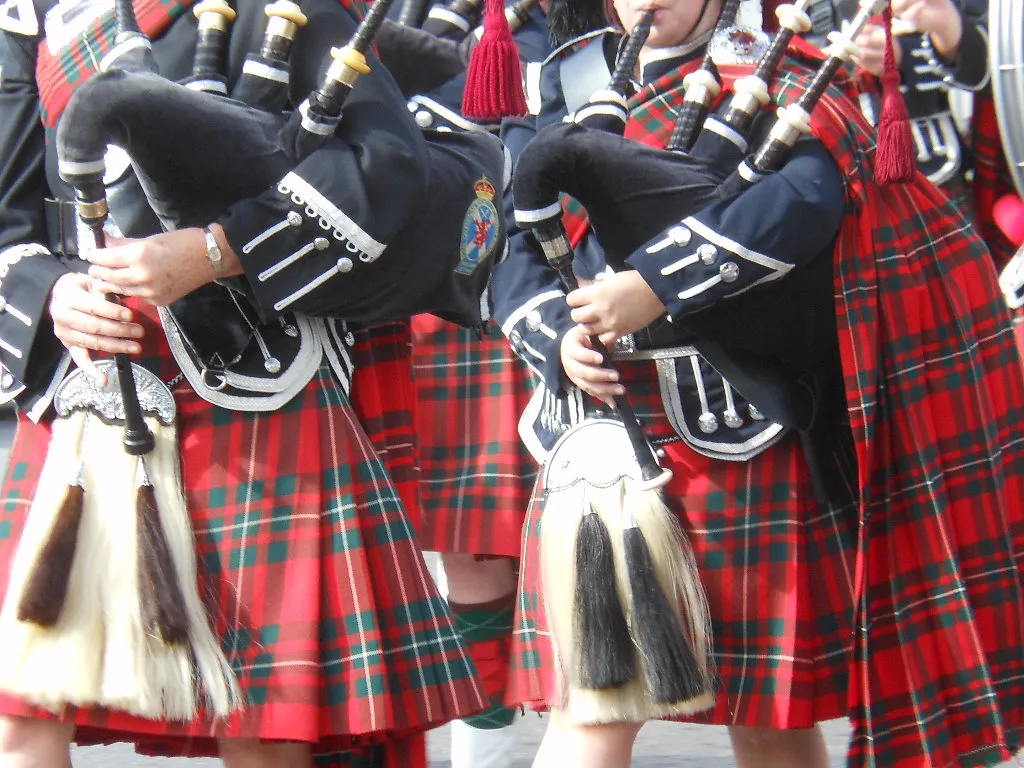
Pipe bands offer a spectacular visual and auditory experience as they march in perfect formation across the grass. The coordination between the pipers and the drummers creates a powerful wall of sound that resonates through the valleys. Most games feature a massed bands event where hundreds of musicians play the same tunes in unison. Watching the drum majors lead their bands with flourished maces is a highlight for many first-time visitors.
Artisan tents surrounding the main arena showcase traditional crafts like kilt-making, weaving, and intricate woodcarving. You can meet local artists who continue to use techniques passed down through many generations of Scottish families. These markets are perfect for finding high-quality souvenirs that represent the true spirit of the Highland culture. Take time to browse the stalls between the major athletic events to support the local creative economy.
Parks, Gardens, and Outdoor Spots in Highland Games
Highland Games typically take place in vast public parks or natural amphitheatres that offer stunning mountain views. The rugged landscape of the Scottish Highlands provides a dramatic backdrop for the heavy athletics and dancing stages. Many venues utilize the natural slope of the land to create perfect viewing areas for thousands of seated spectators. Walking through these green spaces allows you to soak in the fresh air while enjoying the festive atmosphere.
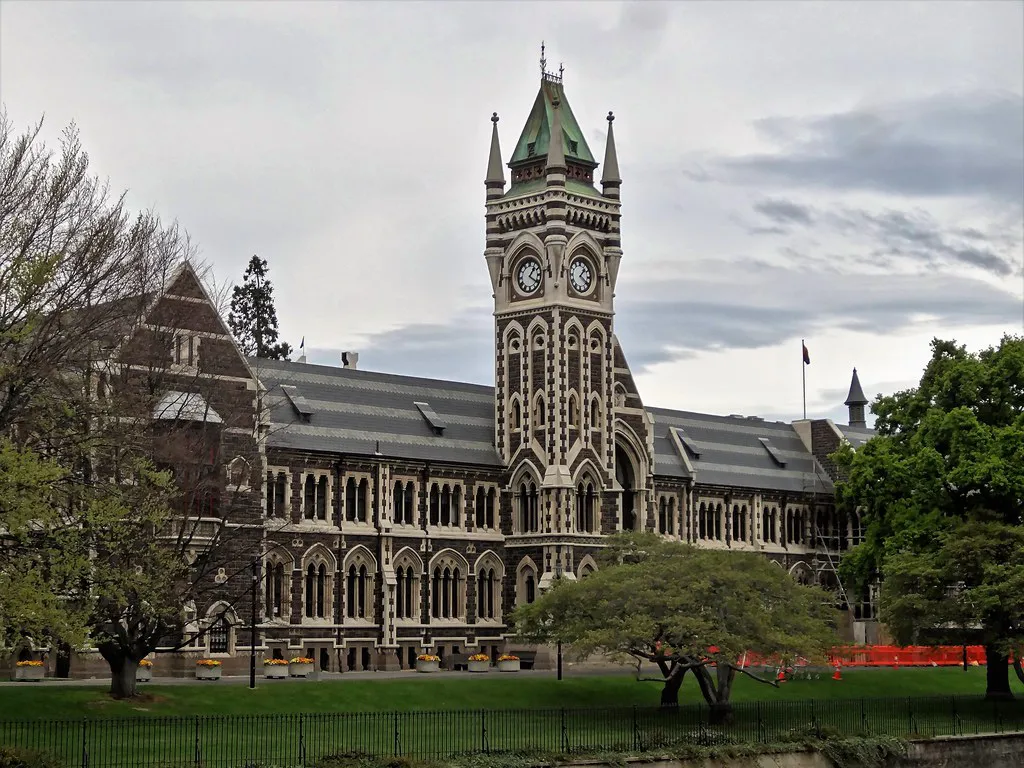
In the United States, venues like the New Hampshire Highland Games use expansive fairgrounds to host their events. These locations often include wooded areas where clan tents are nestled under the shade of mature trees. The layout is designed to encourage exploration, with different stages hidden in various corners of the park. Wear comfortable walking shoes because you will likely cover several miles while moving between the different competition rings.
Some games are held on the grounds of historic castles, adding a layer of architectural beauty to the day. Attending an event at a castle allows you to combine a tour of the fortress with the excitement of the games. Check the official event map to find the best spots for a quiet picnic away from the main speaker systems. The mix of manicured gardens and wild highland scenery makes these venues some of the most photogenic in the world.
Family-Friendly and Budget-Friendly Options in Highland Games
Families will find plenty of activities designed specifically for the laddies and lassies throughout the festival grounds. Many games host junior versions of the heavy events, allowing children to try tossing a lightweight caber. Face painting, storytelling, and petting zoos are common features that keep younger children entertained between the main shows. These activities are usually included in the price of a standard family ticket, making it a great value day.
Budget-conscious travelers should look for smaller village games where entry fees are significantly lower than major gatherings. You can often bring your own food and non-alcoholic drinks to save money on the typical festival catering prices. Many towns hold free parades through the high street on the morning of the games to welcome the visiting athletes. Watching these processions is an excellent way to experience the community spirit without spending a single penny.
Look for early bird ticket discounts which are often available on the official websites several months before the event. Group tickets or multi-day passes can also provide substantial savings for those traveling with friends or extended family. Check if a Highland games or Celtic festival near you offers local resident discounts for the weekend. Planning your transport via local buses instead of paying for premium event parking is another easy way to cut costs.
How to Plan a Smooth Highland Games Attractions Day
Success at the Highland Games starts with preparing for the unpredictable nature of the Scottish weather. You should bring waterproof layers and sturdy boots even if the morning forecast looks bright and sunny. Sunscreen is also essential because you will be spending the entire day outdoors in open fields with little shade. Check the latest festival travel tips for more advice on packing for outdoor events.
Arriving at the gates at least thirty minutes before the opening ceremony helps you secure a prime viewing spot. The most popular events like the caber toss and the tug-o-war attract large crowds that can be hard to see through. If you have limited mobility, look for venues that offer dedicated seating areas or accessible viewing platforms near the main ring. Most organizers provide digital maps on their websites that you can download to your phone for easy navigation.
Carry a small amount of cash as some smaller food vendors and craft stalls may not accept credit cards. Mobile phone reception can be spotty in remote highland locations when thousands of people are using the same network. Coordinate a meeting point with your group in case you get separated in the busy crowds near the beer tent. Planning your exit strategy is also wise, as the traffic leaving the venue can be quite heavy in the late afternoon.
Caber Tossing, Sword Dancing and A Great Day Out
The caber toss remains the most iconic image of the Highland Games and requires immense strength and balance. Athletes must flip a long log so that it lands directly in the 'twelve o'clock' position relative to their run. Distance is not the goal here; instead, the judges look for the perfect vertical rotation and straight landing. Watching the heavy athletes prepare their grip on the base of the caber is a tense and exciting moment.
Highland dancing showcases the grace and stamina of performers who must jump over sharp swords without touching them. The Sword Dance, or Ghillie Callum, dates back to ancient times and was traditionally performed before a battle. Dancers are judged on their posture, the precision of their footwork, and their ability to keep time with the pipes. Most competitions feature several age groups, starting from very young children up to the professional adult levels.
The hammer throw and the shot put are other 'heavy' events that demonstrate the raw power of the competitors. Spectators should stay behind the safety ropes at all times because these heavy objects can travel surprising distances. Listen to the announcer who will often explain the weight of the implements and the current records for the event. The atmosphere in the heavy ring is one of mutual respect among the athletes who often train together year-round.
Dance a jig or at least listen to one.
Music is an inseparable part of the games, and you will find live performances happening throughout the entire day. Folk bands often play in the beer tents or on secondary stages, featuring fiddles, accordions, and acoustic guitars. You might hear traditional Gaelic songs that tell stories of the mountains and the sea from centuries ago. These musical sessions are often spontaneous and encourage the crowd to clap along or even join in the singing.
Ceilidh dancing is a social form of dance that many games host in the evening for all attendees to enjoy. Do not worry if you do not know the steps, as a 'caller' will explain the movements before each dance begins. It is a high-energy way to meet locals and other travelers while celebrating the end of a successful games day. The dances are inclusive and focus more on having fun than on achieving technical perfection in the footwork.
For a more formal musical experience, look for the solo piping and drumming finals held in the main arena. These performers have spent years mastering their instruments to compete at the highest international levels. The discipline required to play a complex set of tunes while marching is truly impressive to witness in person. Many visitors find that the sound of the pipes in the open air is a deeply moving and memorable experience.
Follow Robert Burns and be “up in the morning early.”
Arriving early allows you to witness the grand opening parade where the pipe bands march into the main arena. The Chieftain of the Games will typically give a welcome speech to officially open the day's competitions. This ceremony sets the tone for the entire event and is a moment of great pride for the local community. Early birds also get the first choice of the best seats near the heavy athletics ring or the dancing stage.
The morning sessions often feature the qualifying heats for the track and field events and the solo piping. It is a quieter time to explore the grounds before the largest crowds arrive around the lunch hour. You can take this opportunity to talk to the vendors and clan representatives while they are less busy. Grabbing a coffee and a traditional Scottish breakfast roll is the perfect way to start your festival morning.
Many travelers find that the atmosphere in the early hours is the most authentic part of the whole experience. You can watch the athletes warming up and the dancers practicing their steps in the quiet corners of the park. This behind-the-scenes look provides a deeper appreciation for the hard work that goes into every single performance. Arriving at dawn is a tradition for many locals who want to see every minute of their favorite annual event.
How Tartan and Clans Shape Scottish Identity
Clan tents are a central feature of the Highland Games, serving as a hub for people to explore their ancestry. Representatives from various clans are on hand to share historical stories and help you find your family's tartan. Even if you do not have Scottish roots, the clan members are usually happy to 'adopt' you for the afternoon. This focus on heritage is similar to the community pride seen in the St. Patrick's Day guide events.
The variety of tartan patterns on display is staggering, with each design representing a specific family or region. You will see kilts, sashes, and even hats featuring the distinctive checks and colors of the various Scottish clans. Learning the meaning behind the different colors can give you a new perspective on the history of the Highlands. Many people choose to wear their own family tartan to the games as a way of honoring their personal history.
Genealogy experts often set up stalls to help visitors trace their lineage back to the original Scottish settlers. You can find out which clan your surname is associated with and see where your ancestors might have lived. This connection to the past is a powerful draw for the Scottish diaspora visiting from the United States or Canada. The Scottish Highland Games and Gathering in various countries help maintain these vital cultural links across the ocean. In the United States alone, an estimated 25 million Americans claim Scottish descent — which helps explain why events like the Grandfather Mountain Highland Games draw 30,000 to 50,000 visitors over a single weekend.
Women's Athletics: Expanding the Field of Competition
Women's participation in Highland Games athletics has grown significantly over the past decade, bringing dedicated championships and standardized rules to female competitors. Women's divisions now feature many of the same heavy events as the men's competition, including the caber toss, hammer throw, stone put, and weight over bar. Watching women compete at an elite level in these disciplines is one of the most compelling parts of a modern games day.
This expansion reflects how the Games continue to evolve without abandoning their roots. Organizations like the International Highland Games Federation have been instrumental in formalising women's divisions and setting consistent weight standards across venues. If you want to see the full range of what the games offer, make sure the event you choose lists a women's heavy athletics programme in the official schedule. Many of the largest North American gatherings, including the New Hampshire Highland Games at Loon Mountain Resort, now run women's events throughout the day alongside the men's competition.
Food, Drink, and the Wee Blether
The food culture at the Highland Games is a genuine highlight and goes well beyond a basic festival catering experience. You can expect to find meat pies, bridies, sausage rolls, Scotch eggs, and haggis prepared with beef or lamb mixed with oatmeal and spices. Many vendors also serve sticky toffee pudding, which is one of the most popular items at North American festivals regardless of whether you have a sweet tooth. Working through the food stalls between events is one of the most enjoyable ways to spend your downtime.
Whisky tasting seminars are a regular feature at larger games and festivals, typically requiring a separate ticket priced between $25 and $50. These hour-long sessions are hosted by experienced volunteers or distillery representatives and give participants the chance to sample multiple expressions of Scotch whisky. If you plan to attend one, book early because spaces fill quickly at popular events like the Smoky Mountain Scottish Festival and Games. A note on spelling: in Scotland the word is "whisky" without the "e" — the Gaelic term is uisge beatha, meaning the water of life.
Beyond the food and drink, the defining social ingredient of the Highland Games is conversation. Scottish communities call it a "wee blether," and you will find it happening everywhere — between athletes, among clan tent visitors, and around the beer tents late in the afternoon. Striking up a conversation with a competitor or a clan representative is genuinely encouraged and often leads to the most memorable part of the day. With an estimated 25 million Americans of Scottish descent in the United States, the odds are good that your fellow attendees have a story worth hearing.
Frequently Asked Questions
What is the best time of year to attend the Highland Games?
The peak season for the Highland Games runs from May through September each year. Most major events, including the Braemar Gathering and the Cowal Highland Gathering, take place in August and September. You should check the best cultural and national festivals in Europe for specific dates in 2026.
Do I need to wear a kilt to attend the games?
While many spectators choose to wear kilts, it is certainly not a requirement for entry. You will see a mix of traditional Highland dress and casual modern clothing like jeans and t-shirts. The most important thing is to wear comfortable, weather-appropriate layers that allow you to stay outdoors all day.
Are the Highland Games suitable for children?
Yes, the Highland Games are very family-friendly and offer many activities for kids. Most events have a dedicated area for 'laddies and lassies' with mini-athletics, face painting, and traditional games. It is a safe and educational environment where children can learn about Scottish history and sports in a fun way.
How much do tickets for the Highland Games typically cost?
Ticket prices vary depending on the scale of the event, but you can expect to pay between £10 and £25 for adults. Major gatherings like Braemar may charge more for grandstand seating or VIP access. Many smaller community games offer family passes that provide a discount for two adults and two children.
Related in United Kingdom: Best Christmas Markets in the UK (2026 Travel Guide).
Attending the Highland Games is a bucket-list experience for anyone interested in Scottish culture and history. From the roar of the crowd during the caber toss to the haunting melody of the bagpipes, the memories will last a lifetime. You can find similar energy in other events like the how to experience Notting Hill Carnival guide for summer fun. Start planning your trip today to ensure you get the best tickets and accommodation for the 2026 season.
Whether you are exploring your own ancestry or simply enjoying the athletic spectacle, these games offer something for everyone. The warmth of the Scottish welcome and the beauty of the landscape create an atmosphere that is truly second to none. Remember to pack your waterproofs and your sense of adventure as you head out into the hills. The Highland Games are a testament to the enduring power of tradition in the modern world.
Free guide: Europe's Festival Calendar
A month-by-month map of Europe's unmissable festivals — with the best dates to visit each and a local tip you won't find in the guidebooks.
You might also like


Continue reading
More guides you'll find useful