How To Experience Highland Games Travel Guide
Learn how to experience Highland Games with step-by-step tips on timing, dress code, food, whisky tastings, and finding events near you in 2026.
On this page
How To Experience Highland Games: A Practical Visitor Guide
Quick Answer: The best way to experience Highland Games is to arrive when gates open (usually 9am), head straight to the heavy athletics field, and follow the schedule for pipe band processions and Highland dancing. For a guided experience, organised day tours from Edinburgh or Inverness typically cost around £114 / ~$145 per person and include transport and access. Last updated June 2026.
Highland Games take place across Scotland from May to September each year, with iconic gatherings at Braemar, Luss, Stirling, and Gourock. Outside Scotland, the United States alone hosts more than 200 Highland Games and Celtic festivals every year — more than any other country in the world. Whether you are planning to attend the best cultural festivals in Europe or a local games in North America, this guide covers everything you need on the day.
Events typically run from 9am to 5pm and feature heavy athletics, piping and drumming competitions, Highland dancing, clan societies, food vendors, and whisky tastings. Admission for most Scottish games ranges from roughly £8–£20 / ~$10–$25 per adult at the gate, while some North American events charge $15–$35. The scale varies enormously — from intimate village games with a few hundred visitors to major events like the Grandfather Mountain Highland Games in North Carolina, which has run since 1956 and attracts tens of thousands over a weekend.
Free guide: Europe's Festival Calendar
A month-by-month map of Europe's unmissable festivals — with the best dates to visit each and a local tip you won't find in the guidebooks.
What Are the Highland Games?
Highland Games are a celebration of Scottish culture combining athletic competitions, music, and community gathering. Their origins are linked to the Scottish clan system, where chiefs used games to identify the strongest, fastest, and most skilled people for specific roles. The tradition dates back at least to the 11th century, though the modern format was formalised during the 19th century under Queen Victoria's influence at Braemar.
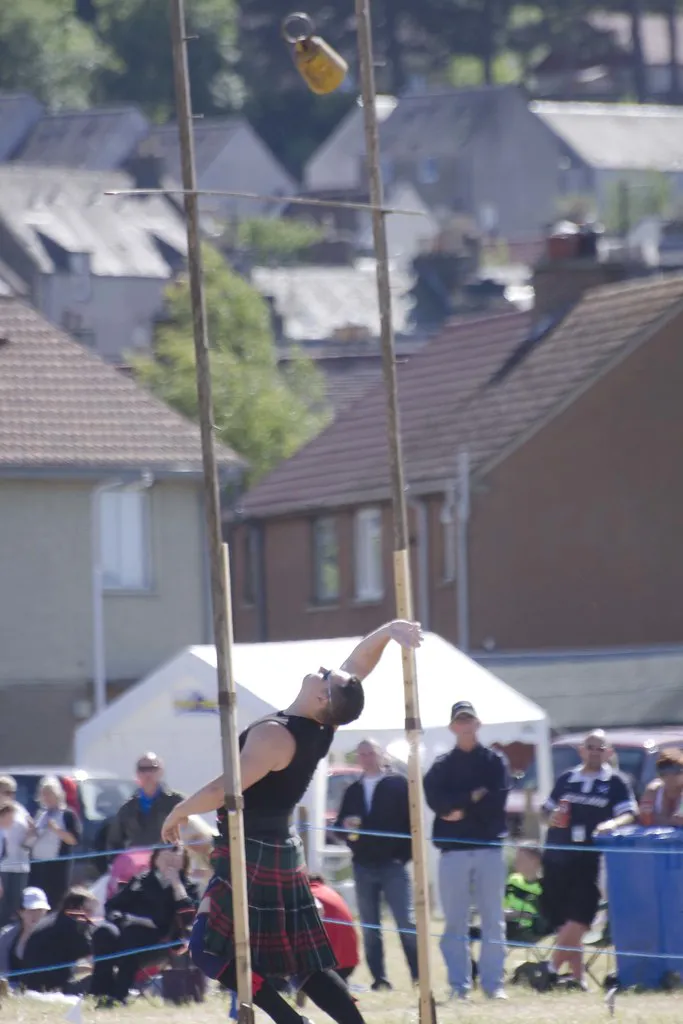
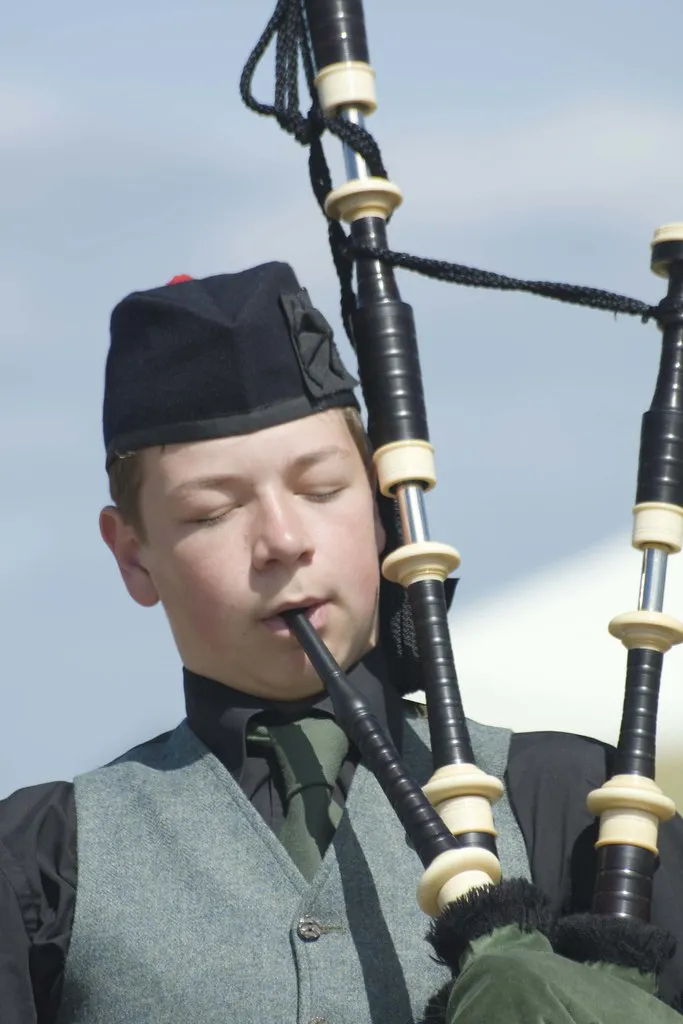
Heavy athletics are the centrepiece of most games and include the caber toss, hammer throw, sheaf toss, weight-over-bar, and stone put. Competitors in heavy athletics must wear a kilt and compete across all available events — typically seven to nine throwing disciplines in a single day. Alongside the athletics, piping and drumming competitions run throughout the day, culminating in the massed pipe bands marching together across the field.
Highland dancing competitions are another core element, with dancers performing in traditional dress to live pipe music. Cultural additions like sheep dog trials, clan society tents, craft demonstrations, and Celtic music stages fill out the programme. The best cultural and national festivals in Europe guide places Highland Games alongside events like the Palio di Siena and King's Day for useful comparison.
Scotland's most famous games include the Braemar Gathering in Aberdeenshire (traditionally attended by the Royal Family), the Luss Highland Games on the banks of Loch Lomond, and the Stirling Highland Games. Beyond Scotland, the New Hampshire Highland Games at Loon Mountain Resort and the Grandfather Mountain Highland Games in North Carolina are two of the largest gatherings in North America. The Jakarta Highland Games in Indonesia and the Waipu Highland Games in New Zealand show just how far Scottish culture has travelled.
How to Experience Highland Games: Step by Step
Attending your first Highland Games is straightforward if you plan ahead, but the sheer number of simultaneous events catches many visitors off guard. The key is to scan the full day programme before you arrive, identify the two or three events you most want to watch, and map out where they take place on the showground. Most events run in parallel across different areas, so spontaneous wandering means missing the moments that matter.
The official Highland Games events calendar on VisitScotland lists Scotland's games by date and location — check it to confirm 2026 dates before booking travel. For North America, the American Scottish Games directory lets you search for a Celtic festival near you by state. Booking accommodation close to the venue at least two months in advance is advisable for major games like Braemar, where nearby towns sell out quickly.
Below is a step-by-step sequence that works whether you are attending a Scottish games or a North American festival.
- Step 1: Find and book your Highland Games
- Use the VisitScotland events calendar or the American Scottish Games state directory to find a 2026 event near you.
- Scottish admission typically costs £8–£20 / ~$10–$25 at the gate; many North American events charge $15–$35 for adults.
- Book any nearby accommodation at least eight weeks ahead for popular games like Braemar or Grandfather Mountain.
- Step 2: Arrive when the gates open
- Most Highland Games open gates around 9am, with heavy athletics and pipe band competitions starting shortly after.
- Early arrival means better viewing spots along the rope lines, easier parking, and access to the food vendors before queues build.
- The massed pipe band opening ceremony — when all bands march together — usually happens within the first hour and is not repeated.
- Step 3: Watch the heavy athletics first
- The caber toss, sheaf toss, and weight-over-bar events run continuously across the morning at the main athletics field.
- Spectators can walk right up to the rope line and speak with athletes between throws — many competitors are happy to explain the events.
- Don't confuse the warm-up area with the competition ring; athletes can launch a 19-foot caber further than most visitors expect.
- Step 4: Visit the clan tents and explore vendors
- The larger Highland Games typically host between 50 and 100 clan societies, each with genealogical resources and membership information.
- Volunteers use reference books like 'Tartan for Me!' to help visitors trace Scottish surnames, even if the connection is distant.
- Vendors sell tartan goods, shortbread, Celtic jewellery, and kilts — cash is commonly accepted but card payment is increasingly available.
- Step 5: Catch the Highland dancing competition
- Highland dancing competitions take place on a dedicated stage, usually running from mid-morning through the early afternoon.
- The dances — including the Highland Fling and the Sword Dance — are scored by accredited judges and the competition is genuinely intense.
- If you want to try a beginner's jig yourself, some games (like the Maine Highland Games) run open participation sessions — check the programme.
- Step 6: Try the food and consider a whisky tasting
- Traditional food vendors offer haggis, Scotch eggs, meat pies, bridies, sausage rolls, fish and chips, and sticky toffee pudding.
- Whisky tasting seminars are a staple at most North American Highland Games and usually run as separate ticketed events costing $25–$50.
- Book whisky seminar tickets in advance if available — sessions hosted by distillery representatives tend to sell out by mid-morning.
- Step 7: Stay for the closing ceremony
- The closing ceremony brings all pipe bands together for a final massed performance, which many visitors say is the emotional highlight of the day.
- Prize-giving for the heavy athletics and dancing competitions usually takes place just before the closing, so arriving late means missing the context.
- Most games finish between 4pm and 6pm; shuttle buses from nearby car parks typically run until 30 minutes after the closing ceremony.
What to Wear and What to Bring
Scottish Highland Games are outdoor events held on grass fields, often in locations where the weather can shift rapidly. As the Scottish saying goes, you can experience all four seasons in a single day — sun, wind, rain, and even unexpected cold snaps are all possible even in July. North American games follow the same outdoor format and are typically held rain or shine, so cancellations are rare but discomfort is real if you are underprepared.
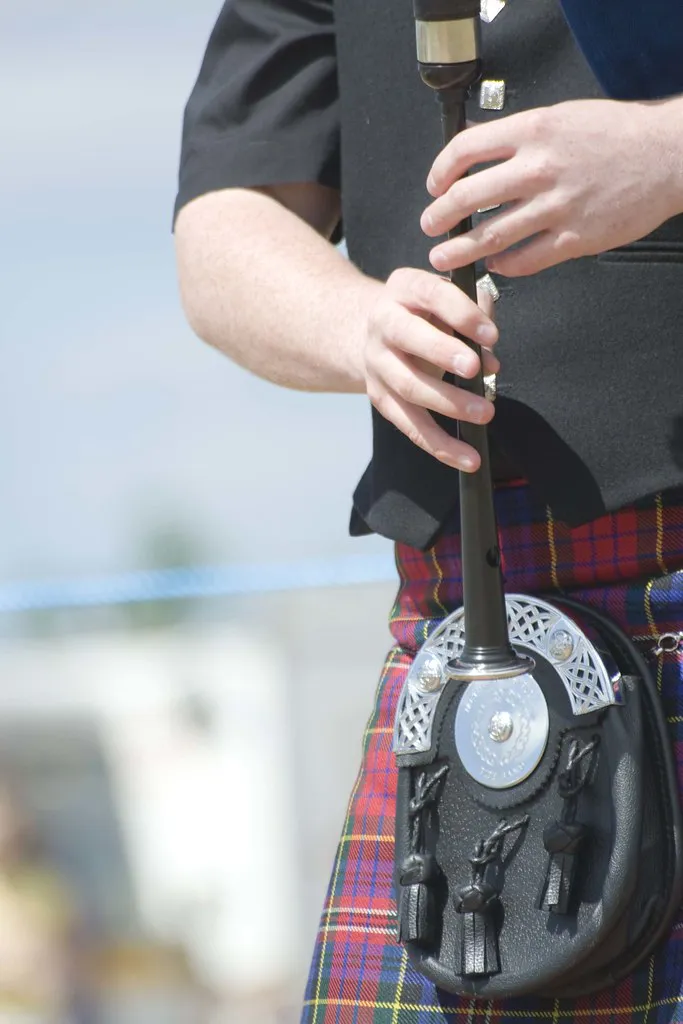
Wearing a kilt as a spectator is warmly welcomed and adds to the atmosphere — the Scottish Highland Games Association requires all athletic competitors to wear a kilt, but there is no such rule for visitors. If you do not own tartan, there is no pressure to dress up: comfortable walking clothes and waterproof layers are the practical priority. The grass terrain at most showgrounds becomes soft and uneven after rainfall, so sturdy footwear with grip is strongly recommended over trainers or casual sandals.
Below is a checklist of what to bring to get the most from your day.
- Waterproof jacket and a packable base layer
- Scottish Games in particular can drop to single-digit Celsius temperatures even in summer.
- A compact waterproof jacket folds into a bag pocket and takes care of both rain and wind chill.
- Layering is more practical than a single heavy coat — you may need to remove layers as the afternoon warms up.
- Sturdy walking shoes or low ankle boots
- Grass showgrounds become slippery quickly in rain, and the athletics field is rarely on flat, manicured turf.
- Waterproof boots or trail shoes with grip keep you comfortable through a full six-to-eight-hour day on foot.
- Cash for vendors and clan tents
- Many smaller food stalls and clan societies still operate cash-only at Highland Games.
- Bring at least £20–£30 / $25–$40 in notes for food, a programme, and any impulse tartan purchases.
- A printed or downloaded event programme
- Phone signal at rural Scottish showgrounds can be poor, so download the programme or screenshot the schedule before leaving the car park.
- The programme lists start times for each event area so you can plan your path around the site.
- Sunscreen and a small folding umbrella
- Both are useful regardless of the forecast — the Scottish sun reflects strongly off pale ground when it does appear.
- A compact umbrella also doubles as shade during the athletics if the day turns unexpectedly warm.
- A small daypack or crossbody bag
- You will be carrying layers, a programme, food, and any shopping — a hands-free bag keeps movement easy.
- Avoid large backpacks that dig into your back during the long day on your feet.
Food, Whisky, and Scottish Culture at the Games
Food at Highland Games goes well beyond haggis, though haggis is absolutely worth trying. Traditional options include Scotch eggs (hard-boiled egg wrapped in sausage meat and breadcrumbs), meat pies, bridies, sausage rolls, and the unmissable sticky toffee pudding. At North American games, regional twists appear — the Grandfather Mountain Games in North Carolina adds barbeque to the menu, and the Greater Moncton Highland Games in Canada serves Haggis Poutine alongside Alma Lobster rolls.
Note that haggis in the United States is made with beef or lamb mixed with oatmeal and spices, as sheep's lungs are not permitted for sale under USDA regulations — it still tastes excellent. Whisky tasting seminars are held at most major Highland Games and are separately ticketed, typically costing $25–$50 per person for a one-hour session. Sessions are hosted by experienced volunteers or distillery representatives and walk through multiple expressions of Scotch whisky — they tend to sell out early, so check the Highland Games guide for booking tips.
Beyond food and drink, the clan society area is one of the most rewarding parts of the experience for anyone with Scottish heritage. At major games, 50 to 100 clans send representatives with genealogical records, tartans on display, and membership sign-up sheets. Even visitors with no known Scottish ancestry are welcomed — many clan societies have open membership and enjoy explaining their history to curious newcomers.
Celtic music stages run throughout the day, from traditional pipe bands and fiddlers to modern Celtic rock acts like Albannach. Music tents offer a welcome respite from the outdoor weather and a chance to rest tired feet while still enjoying the atmosphere. The atmosphere at major games is genuinely communal — most visitors say the spontaneous conversations at the music tent or clan area become the unexpected highlight of the day.
Highland Games for Families and Children
Highland Games are genuinely family-friendly events, and many North American games build in dedicated children's programming that goes well beyond simply tolerating small visitors. At the Smoky Mountain Scottish Festival and Games, children aged 12 and under can compete in a scaled-down version of the heavy athletic events — a caber sized for kids, a junior sheaf toss — and children 15 and under get in free. The Stone Mountain Highland Games in Georgia runs a mini St Andrew's golf challenge, an archery shooting range, and craft sessions including a DIY sporran-making workshop for younger visitors.
The CNY Scottish Games in upstate New York runs a dedicated Kid's Games programme, with volunteers spending weeks before the event helping children learn new skills to compete on the day. The Celtic Fling at Mount Hope Estate in Pennsylvania has a Wee Highland Games for younger attendees alongside the adult competition. If you are attending with children, check the specific event's programme at least two weeks ahead — many of the best kids' activities have age caps, require pre-registration, or run only in the morning slot before the main athletics heat up.
Scottish dancing is often the easiest entry point for children who want to participate rather than watch. Some games — notably the Maine Highland Games and Scottish Festival — run open participation dancing sessions where non-competitive beginners can try a beginner's jig on the stage with guidance from a dancer. These sessions run briefly, usually mid-morning, and fill fast. It is worth asking at the gate when you arrive whether an open dancing slot is on the programme that day.
The Social Heart of Highland Games: Blether, Diaspora, and Belonging
Most visitors say the athletic events are not actually the highlight they remember longest. The most common answer, asked a week later, is a conversation — at a clan tent, a music stage, a food queue — with a stranger who turned out to share a surname, a region, or a great-grandparent. This is the "wee blether" (Gaelic for a good chat) that defines the Highland Games experience at its best. It is not incidental to the event. It is the point.
There are an estimated 25 million Americans of Scottish descent, and Highland Games are the primary annual gathering point for much of that diaspora. Many attendees are not casual cultural tourists — they are people reconnecting with a specific piece of family identity, sometimes carrying research they have been building for years. When a clan volunteer pulls out the "Tartan for Me!" reference book and matches a family surname to a district, that moment carries weight that no amount of caber tossing can replicate. Even visitors with no Scottish ancestry are welcomed into this: clan societies are explicitly open membership organisations, not closed genealogical circles.
One practical note on the whisky side of things: the spelling matters in the context of that heritage. In Scotland, Canada, and Japan, it is spelled whisky without an "e." In the United States and Ireland, it is whiskey with the "e." The distinction follows country of origin, not distillation method. In Gaelic, the word is uisge beatha (roughly pronounced oosh-kuh beh-ah), meaning the water of life — a phrase that volunteers at any whisky seminar will happily explain. Knowing it before you arrive gives you a genuine opening line at the clan tent.
Common Highland Games Mistakes to Avoid
Even seasoned festival-goers make avoidable mistakes at Highland Games, usually because the format is unlike any other event type. The most common error is arriving mid-morning and assuming the best events are still ahead — the massed pipe band opening ceremony and the first caber toss of the day often happen within 45 minutes of gates opening. A little preparation before you arrive saves hours of frustration and makes the difference between a scattered day and a genuinely memorable one.
Below are the most frequent problems visitors encounter and how to fix them.
- Arriving late and missing the opening ceremony
- The massed pipe band opening march is the emotional centrepiece of most games and happens only once, usually within the first hour.
- Plan to be through the gates at least 20 minutes before the listed start time — parking queues at popular games can be significant.
- Not downloading the day programme offline
- Rural Scottish showgrounds frequently have weak or no mobile data signal, so a downloaded programme is essential.
- Grab a printed copy at the gate if possible — they cost £1–£2 and are worth every penny for the schedule detail they contain.
- Underestimating how much walking the site involves
- Large Highland Games venues spread athletic fields, clan tents, music stages, and food stalls across several acres.
- Comfortable waterproof footwear is not optional — unsuitable shoes on wet grass are the most common reason people leave early.
- Only carrying card and no cash
- Many clan tents and smaller food vendors at Highland Games are cash-only, particularly at Scottish games in rural locations.
- Withdraw at least £20–£30 / $25–$40 before you arrive, as on-site ATMs (if present) often run out by early afternoon.
- Skipping the whisky tasting because it looks like a queue
- Whisky seminars at North American Highland Games fill quickly — the queue at opening is the booking queue, not a sign the session is full.
- Tickets typically cost $25–$50 and the hour-long session is one of the most distinctively Scottish experiences at any festival.
- Avoiding the clan tents because they look formal
- Clan society volunteers are among the most welcoming people at any Highland Games and actively encourage curious visitors to stop in.
- You do not need a Scottish surname to participate — many clans extend open membership and all are happy to talk about their history.
Frequently Asked Questions
How do I find a Highland Games near me in 2026?
The American Scottish Games directory (asgf.org/games-by-state) lists events by US state, while the VisitScotland website publishes Scotland's full 2026 schedule. For Scotland, well-known dates include the Luss Highland Games in June and the Braemar Gathering in September. Booking accommodation in advance is essential for the most popular events.
Can anyone compete in the Highland Games?
Most Highland Games run open or novice categories in heavy athletics, Highland dancing, and piping, so visitors can enter if they meet the basic requirements. Some North American games also hold youth athletics and children's games alongside the main competition. Check the specific event's website for entry rules, as requirements vary by games and category.
What is the best food to eat at the Highland Games?
Traditional options include haggis, Scotch eggs, meat pies, bridies, and sticky toffee pudding, all widely available at vendor stalls. Whisky tasting seminars ($25–$50) are a separate ticketed highlight. At North American games, regional twists like barbeque or Haggis Poutine often appear alongside the Scottish staples.
Are the Highland Games worth attending for non-Scottish visitors?
Absolutely — Highland Games are open to everyone and the clan society volunteers actively welcome visitors with no Scottish heritage. The combination of heavy athletics, pipe music, Highland dancing, and Scottish food makes for a genuinely distinctive day out. Even the St Patrick's Day experience in Dublin has a different feel to the immersive community atmosphere of a Highland Games.
What should I wear to the Highland Games?
Comfortable, waterproof layers and sturdy walking shoes are the practical priority, as games are held outdoors on grass in all weather. Wearing a kilt or tartan as a spectator is welcomed and adds to the atmosphere, though it is never required. Avoid open-toed shoes or flimsy trainers — wet grass terrain makes good grip essential after any rainfall.
Experiencing the Highland Games at least once is one of the most rewarding ways to engage with living Scottish culture, whether you attend in Scotland itself or at one of the 200-plus events held annually across North America and the wider world. The key is to arrive early, programme in hand, with layers and cash ready — the rest of the day takes care of itself. Check the VisitScotland events calendar or the American Scottish Games directory to confirm 2026 dates before booking anything.
If you have already explored other living cultural traditions like the Palio di Siena or the Notting Hill Carnival, the Highland Games will feel equally rooted in local identity — but with a distinctly Scottish intensity that is hard to replicate anywhere else.
Free guide: Europe's Festival Calendar
A month-by-month map of Europe's unmissable festivals — with the best dates to visit each and a local tip you won't find in the guidebooks.
You might also like


Continue reading
More guides you'll find useful