Battle Of The Oranges Guide Travel Guide
Ivrea's Battle of the Oranges runs Feb 15-17, 2026: 500,000 kilos of citrus, nine teams vs carts, and why a red cap keeps you out of the line of fire.
On this page
Battle Of The Oranges Guide
The Battle of the Oranges remains a legendary historic event that transforms the charming streets of Ivrea every year.
Part of our Best Cultural and National Festivals in Europe series.
Travelers from across the globe gather in this Italian town to witness a spectacular display of citrus-based rebellion.
This comprehensive Battle of the Oranges guide provides the essential details needed to navigate the pulpy chaos safely.
Prepare to immerse yourself in a tradition that blends medieval history with high-energy modern celebration.
Free guide: Europe's Festival Calendar
A month-by-month map of Europe's unmissable festivals — with the best dates to visit each and a local tip you won't find in the guidebooks.
Battle of the Oranges History
The origins trace back to a medieval revolt against a cruel tyrant who ruled Ivrea in the 12th century. Legend says the miller's daughter, Violetta, started the rebellion by decapitating the Marquis of Monferrato and displaying his head from the castle balcony to rouse the people. The oranges thrown today symbolize the stones once hurled by the townspeople during that uprising.
The tradition was passed down orally for centuries until 1808, when Napoleonic rule prompted the town to unify district celebrations into a single town festival and appoint a General to guard public order. That Napoleonic structure — the General, the General Staff, the Vivandiera — still defines the procession today. This unique history places the Battle of the Oranges alongside other legendary Italian events like the Palio di Siena in cultural significance.
The weapons themselves evolved over time. Early versions of the carnival saw people throwing beans from balconies, then apples, before oranges became the projectile of choice in the 19th century. The shift to citrus turned a local custom into Europe's largest food fight, consuming around 500,000 kilos of fruit across three days.
The People of Ivrea: Characters and Teams
The carnival is built around a cast of historical characters who represent both the legend and the Napoleonic legacy. The General — the male protagonist — takes office on January 6 each year and parades through the city in a black Napoleonic uniform on horseback, followed by officers of the General Staff and the Vivandiera. In 2026, the General is Mario Livio Gusta, born in Ivrea on February 8, 1966, and one of the founders of the association that unites the orange-throwing teams.

The main protagonist is Violetta, the Mugnaia (miller's daughter), chosen from among young brides each year. Her identity is kept secret until Carnival Saturday, when she is presented from the balcony of the town hall. In 2026, the Mugnaia was presented on February 14. She parades on a golden chariot, throwing confetti, candies, and mimosas — the traditional carnival flower — to the crowd.
The Abbà are ten children, two from each of the five historic parishes, who parade on horseback in Renaissance costumes carrying a small sword with an orange on the tip. That orange symbolizes the tyrant's severed head. The characteristic sound of the Pifferi e Tamburi (Pipes and Drums) accompanies these characters through the streets from January 6 onwards, playing ancient military marches and the Ivrea Carnival Song.
On the battle side, nine pedestrian teams — each identified by distinctive colours and linked to a specific square — face off against roughly fifty horse-drawn carts whose riders wear leather helmets and armor. Some Ivrea families have belonged to the same team for multiple generations, which explains the intensity of the rivalry.
The Most Amazing Food Battle You Will Ever Experience
The sheer volume of citrus fruit creates a sensory experience that is both overwhelming and deeply exhilarating. Approximately 500,000 kilos of oranges are brought from Sicily and southern Italy to fuel the three days of intense street combat. Unlike the Tomatina battle in Spain, this event involves nine organized teams with specific uniforms and rules, competing for a genuine winner's title.
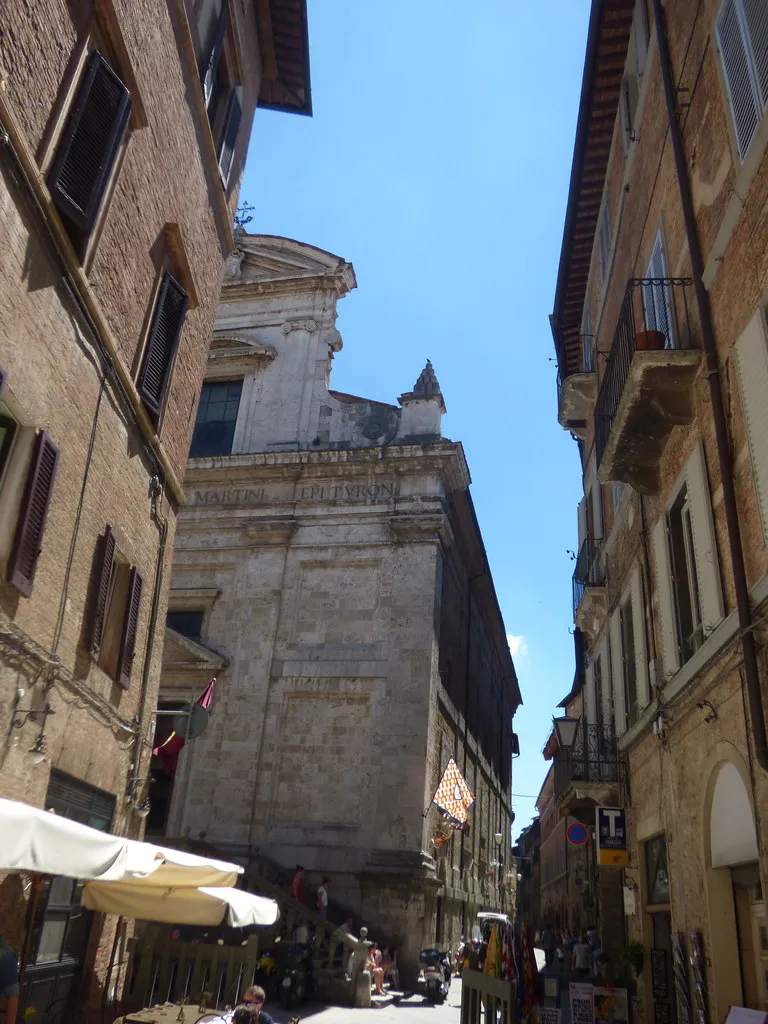
The battle takes place across five main squares: Piazza di Città, Piazza Ottinetti, the Borghetto district on the right bank of the Dora Baltea, Piazza del Rondolino, and Piazza Freguglia. Each team claims a fixed area decorated in their colours. The floats move between squares throughout each afternoon, creating shifting focal points of action that reward spectators who know where to position themselves.
The teams train all year round, and the competitive element is taken seriously. The ground quickly becomes covered in a thick layer of orange pulp that releases a powerful fragrance and makes the streets extremely slippery. By Tuesday evening, the scent of citrus hangs over the entire town for days after the last orange has been thrown.
A Zesty Rebellion: The Origins of the Battle
The rebellion represents the triumph of the common people over the oppressive nobility of the Middle Ages. Each of the nine pedestrian teams in the battle represents a different neighborhood of Ivrea, fostering a strong sense of local pride that makes this more than a tourist spectacle. The carts symbolize the tyrant's army, while the pedestrian throwers represent the brave citizens who stood up for their freedom.
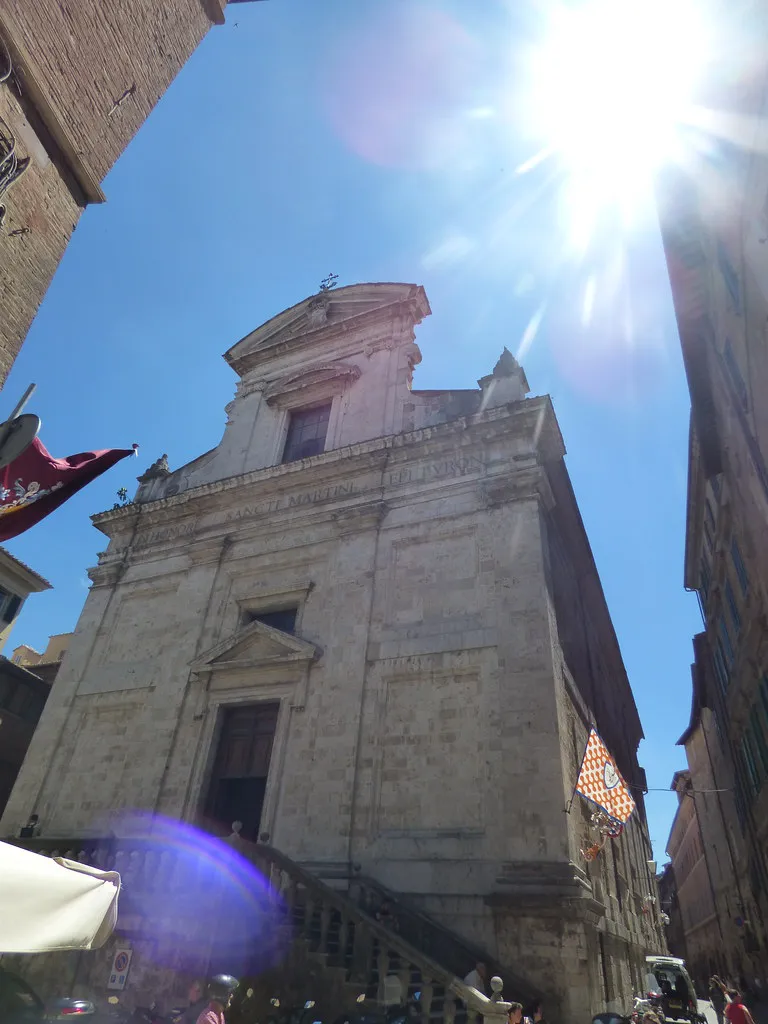
Beyond the physical fight, the carnival celebrates civic identity and collective memory. The reason it still takes place every year is that Ivrea treats it not as performance but as genuine community ritual — the battle rules are unwritten yet deeply respected, and the outcome genuinely matters to participants. Similar displays of local passion can be seen during the Palio di Siena festivities each summer, where neighbourhood pride drives the competition far beyond simple entertainment.
Historical Carnival of Ivrea 2026
The 2026 edition of the Carnival runs from Sunday, February 1st through Wednesday, February 18th. The main events are concentrated between Fat Thursday, February 12th, and Carnival Tuesday, February 17th. The season officially opens on January 6th with the investiture of the General and the first procession of Pifferi e Tamburi through the city centre.
Key milestones in the 2026 programme include the Prise du Drapeau and the Alzata degli Abbà on February 1st, the Fagiolate starting February 8th, and the Fat Thursday transfer of powers on February 12th, when the Mayor hands authority to the General. The Battle of Oranges takes place over three afternoons — Sunday February 15th through Tuesday February 17th — in the five main squares. The carnival closes on February 18th with the traditional distribution of polenta and cod in Piazza Lamarmora. You can find the full day-by-day schedule for the upcoming carnival on the official website.
Booking your accommodation in Ivrea or nearby Turin should be done several months in advance. The town is small and hotel rooms are gone three to six months before the main weekend. If you enjoy large-scale street parties, you might also like the Notting Hill Carnival in London.
What Does It Cost to Join the Battle?
For spectators, admission to the Battle of the Oranges is free on Monday and Tuesday. On Sunday, when the crowds are largest, a ticket costs €15. Wearing a red Phrygian cap — available from stalls at the entrance to the old town — is essential: it signals to the throwers that you are a non-combatant. Without it, you may be treated as a target.
If you want to throw oranges yourself, registration with one of the nine pedestrian teams costs between €20 for children and €100 for seniors. On top of registration, a mandatory team uniform costs an additional €75. The expense at the other extreme of the spectrum is the Mugnaia role: participating as the miller's daughter costs an estimated €25,000 to €30,000, covering the costume, the purchase of mimosas and sweets for parade distribution, and traditional charitable donations.
Beyond tickets and uniforms, budget for the local drinks that keep the cold at bay. Mulled wine is the beverage of choice during the carnival, alongside egg bombardino (a warm egg-and-spirits drink) and schnapps tea. On the food side, try fagioli grassi — a hearty soup of beans and pork rinds traditional at Piedmontese carnivals — and stay for the distribution of polenta and codfish on Ash Wednesday, which officially closes the festival season.
What Else Do You Need to Know About the Battle of the Oranges?
Safety is a priority, so you must always be aware of your surroundings when moving between the battle squares. Sturdy, waterproof boots are necessary because the streets become very slippery with crushed fruit and juice — standard sneakers will not give enough grip. Spectators can watch from behind high metal nets installed throughout the fighting zones, which provide solid protection without blocking the view.
Bring old clothes you do not mind ruining: orange juice penetrates everything, and the pulp stains. Protective gear for cameras and phones is equally important — a waterproof bag or sealed pouch will save your equipment. If you want to understand the competitive nature of such organized street battles, a read about the Calcio Storico in Florence gives useful context.
The festival is not well-suited to very young children on the days when the battle is active, due to the density of crowds and the projectile risk in open zones. Families with young children should attend the morning parades, where the focus shifts to music, costumes, and the Mugnaia procession rather than orange throwing. The Mugnaia parade in particular is a memorable spectacle even for visitors who want no part of the fighting.
How to Get to Ivrea
From Turin, Ivrea is a 45-minute drive via the A5/E612 motorway or approximately one hour by train from Porta Susa or Porta Nuova stations. The train is the better option during carnival weekend: traffic into the town centre backs up significantly, and parking is extremely limited. The station is only a 15-minute walk from the main battle squares.
From Milan, the distance is around 116 km. By car, take the A4/E64 motorway for roughly an hour and a half. By train, take a service from Milano Centrale toward Chivasso and change for Ivrea — the total journey is approximately three hours. Again, the train advantage is direct access to the city centre without the parking search. Closest airports are Turin Caselle and Milan Malpensa, both well-connected to their respective city centres by rail.
If you are basing yourself in Turin for the trip, consider the Torino + Piemonte Card, which covers entry to the city's main attractions and includes a public transport discount — useful if you are spending a day or two in Turin before heading to Ivrea for the carnival. Reviewing a how to experience Battle of the Oranges guide in full can help you finalise your day plan.
Frequently Asked Questions
What is special about the Battle of the Oranges?
This event is Italy's largest food fight and serves as a powerful reenactment of a medieval liberation story. It combines intense physical action with deep historical traditions that involve the entire community of Ivrea. Participants wear authentic costumes while throwing tons of citrus fruit in the town squares.
What is the purpose of the Battle of the Oranges?
The battle commemorates the city's revolt against a tyrannical lord during the Middle Ages. It celebrates the concepts of freedom and self-governance through a symbolic fight using oranges as projectiles. Each year, the people of Ivrea honor the miller's daughter who led the original uprising.
How many people participate in the Battle of the Oranges?
Thousands of people participate as either pedestrian throwers or members of the horse-drawn cart teams. Thousands more visit as spectators, wearing red hats to show their support for the revolution. The event draws a massive international crowd to the small town of Ivrea every February.
The Battle of the Oranges is a unique blend of historical drama and high-energy food fighting that everyone should see.
Following this Battle of the Oranges guide ensures you can enjoy the festivities while staying safe and informed.
Whether you join a team or watch from the sidelines, the spirit of Ivrea will leave a lasting impression.
Plan your journey early to experience one of the most vibrant and zesty traditions in all of Europe.
Free guide: Europe's Festival Calendar
A month-by-month map of Europe's unmissable festivals — with the best dates to visit each and a local tip you won't find in the guidebooks.
You might also like

Continue reading
More guides you'll find useful