St Patrick's Day Guide: Dublin & Beyond
Plan your St Patricks Day guide with parade tips, the best Irish pubs, family traditions, and food ideas for a memorable March 17 celebration.
On this page
Your Complete St Patrick's Day Guide for 2026
St Patrick's Day falls on March 17 every year, and Dublin transforms into the most electric city in Europe for the occasion. The city hosts a five-day festival that draws hundreds of thousands of visitors from around the world. Whether you are planning your first trip to Ireland or celebrating closer to home, our guide to Europe's best cultural festivals can help you put the whole trip in context. This guide covers the events, the pubs, the food, and everything families need to know to make the most of March 17.
Free guide: Europe's Festival Calendar
A month-by-month map of Europe's unmissable festivals — with the best dates to visit each and a local tip you won't find in the guidebooks.
What Is St Patrick's Day and When Is It
St Patrick's Day is Ireland's national holiday, held every year on March 17 to honour the country's patron saint. Saint Patrick is credited with bringing Christianity to Ireland in the fifth century, and the date marks the anniversary of his death. For centuries it was a quiet religious observance, but today it is one of the world's most recognised celebrations of Irish culture.
In Ireland, March 17 is still a holy day of obligation for Catholics, meaning many Irish people attend Mass before the parade begins. This dual nature — part religious commemoration, part national carnival — shapes the rhythm of the day in Dublin in a way visitors often don't anticipate. Morning Masses at St Patrick's Cathedral and Christ Church Cathedral draw both faithful locals and curious tourists, and attending one before the midday parade gives a grounding context that the street party alone cannot provide.
Dublin's St Patrick's Festival has grown into a multi-day event spread across the entire city centre. The festival typically runs from March 14 to 17, with the famous parade closing out the weekend on the 17th itself. More than half a million people line the streets of Dublin for the parade, so arriving early is the single most important piece of planning advice we can share.
Beyond Dublin, the holiday is celebrated in cities across the globe, from Boston and Chicago to Sydney and Tokyo. Irish communities abroad have shaped their own local traditions over generations, adding a new layer to the holiday's identity. No matter where you celebrate, the shared thread is Irish pride, a pint of Guinness, and plenty of green.
St Patrick's Day Events in Dublin 2026
The St Patrick's Festival programme for 2026 includes street theatre, live concerts, céilí dancing, and a spectacular evening spectacle on the final night. Many events are free to attend, while some indoor concerts and ticketed experiences require advance booking. Check the official festival website closer to March for the full lineup, as acts and venues are confirmed on a rolling schedule.

Each year the festival operates around a central creative theme — in recent editions this has shaped the visual language of the parade floats, street installations, and evening projections. Knowing the theme before you arrive helps decode what might otherwise look like a random collection of giant puppets and abstract art pieces. The 2026 theme will be announced on the official St Patrick's Festival website in early 2026.
The grand parade weaves through the heart of Dublin, starting near Parnell Square and finishing at St Patrick's Cathedral. Floats, marching bands, and giant street puppets fill the route, which runs for roughly two kilometres. The parade typically kicks off around noon, but all the best viewing spots along O'Connell Street fill up by 9 or 10 in the morning.
Ticketed grandstand seats are available for those who want a guaranteed view and shelter from March weather. Free standing areas line the full route, and side streets near Trinity College and Dame Street offer slightly less crowded vantage points. Families with young children often find the junction near the Spire on O'Connell Street gives a great sightline without the densest crowds.
- St Patrick's Festival Parade: March 17, start time around noon (arrive by 9-10am), route from Parnell Square to St Patrick's Cathedral, free to watch from the street.
- Evening Spectacle (Lux): March 17 evening, city centre landmarks, free outdoor event with light projections and fire displays.
- St Patrick's Festival Street Céilí: weekend before March 17, Merrion Square or city parks, free, good for families and all ages.
Hear Irish Music and Raise a Glass of Guinness
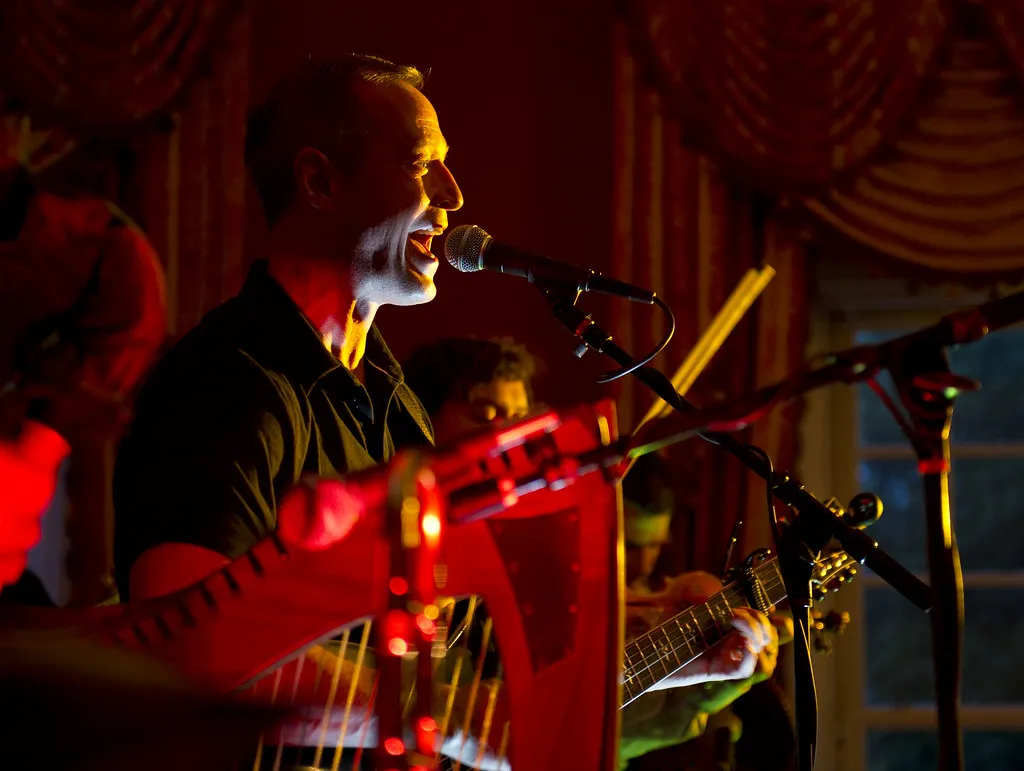
Temple Bar is Dublin's most famous pub district, and on St Patrick's Day it becomes an outdoor street party with live music spilling from nearly every doorway. The Auld Dubliner, The Temple Bar pub, and O'Donoghue's are three of the best-known spots for traditional Irish sessions around the holiday. For a quieter and more authentic trad experience, locals often head to Mulligan's on Poolbeg Street or Kehoe's on South Anne Street.
A perfectly poured pint of Guinness is practically mandatory on March 17, and Irish bartenders take the two-minute pour ritual seriously. Expect long queues at popular pubs during the afternoon and early evening hours on the day itself. Booking a table for lunch at a pub that does food is one of the smartest moves for St Patrick's Day in Dublin, as walk-ins become nearly impossible after midday.
Irish step dancing is another fixture of the day beyond the parade itself. Several pubs and community halls host step dance demonstrations and open céilí sessions where beginners are genuinely welcome. Watching a group of dancers perform a reel or a jig in a low-ceilinged pub room is a very different experience from seeing it on a festival stage, and far more memorable. Pub crawl tours are a popular option for visitors who want a guide to lead them past the tourist traps and into genuine neighbourhood locals, pairing Irish music stops with storytelling about the city's history.
Leprechaun Tricks and St Patrick's Day Mischief for Kids
One of the most imaginative threads of St Patrick's Day for families is the leprechaun tradition — the idea that a small, mischievous creature visits overnight and leaves chaos in his wake. The night before March 17, many parents set a leprechaun trap using a laundry basket turned on its side and decorated with streamers and gold chocolate coins as bait. In the morning, the "evidence" of a visit replaces the bait: scattered gold glitter, tiny footprints drawn with washable marker on the kitchen floor, or swapped-out green versions of everyday items like toothbrushes and shoelaces.

A few drops of green food colouring in the toilet water or a kitchen tap is another harmless prank that consistently produces genuine delight in children under eight. For something more visual, some parents change a household lightbulb to a green bulb before the children wake up, giving the whole room an otherworldly tinge. These small acts of theatrical parenting cost almost nothing and create the kind of morning-of excitement that makes the holiday memorable for years.
Temporary tattoo transfers pressed on sleeping children's arms overnight — credited to "that sneaky leprechaun" in the morning — are another low-effort trick that lands well with younger kids. The key is keeping the pranks harmless and easily reversible. The goal is wonder, not confusion, so pairing each trick with a simple explanation of the leprechaun mythology makes the whole tradition feel cohesive rather than random.
St Patrick's Day Traditions and Activities for Kids
St Patrick's Day has a rich vein of folklore that children love, centred on leprechauns, four-leaf clovers, and the pot of gold at the end of the rainbow. Reading a few picture books about the holiday's history before March 17 helps younger children understand why everyone is wearing green and acting festive. Many families in Ireland and abroad have built their own annual rituals around the day, from small leprechaun pranks to big family gatherings.
Organising a St Patrick's Day scavenger hunt is a crowd-pleaser, hiding shamrock hats, green beaded necklaces, and gold chocolate coins around the house or garden. It burns off energy, keeps kids engaged, and adds a small gifting element to the holiday without requiring a big budget. Rainbow water — made by freezing ice cubes in each colour of the rainbow and adding them to a clear glass — is a simple activity that works for toddlers and older children alike, and produces a genuinely striking result with edible glitter on top.
For inspiration on crafts and leprechaun shenanigans, Stickers and Stilettos has a good collection of easy ideas that work for a wide age range. The Dublin parade itself is genuinely family-friendly, with street puppets and musical floats that keep younger children entertained throughout. Morning events tend to be far less congested than the afternoon rush near Temple Bar.
St Patrick's Day Treats to Make at Home
Food is a central part of any St Patrick's Day celebration, whether you are hosting a family gathering or simply want to mark the day in the kitchen. Green food colouring is the easiest route to festive breakfasts — a few drops in pancake batter or scrambled eggs signals the holiday without any complicated preparation. Rainbow pancakes, made by dividing the batter into six portions and colouring each one a different shade, are a guaranteed hit with children and adults alike. Serving them with whipped cream and a rainbow of chopped fruit turns breakfast into an event.
Rice Krispie treats are another popular choice, and they can be shaped into shamrocks using a cookie cutter before the mixture sets. For a no-bake version that takes under 20 minutes, Desserts on a Dime has an easy recipe that uses green food colouring and standard pantry ingredients. Pairing Lucky Charms cereal with green-dyed milk is another breakfast idea children reliably love, and it takes under two minutes to prepare.
On the savoury side, traditional Irish soda bread is simple enough to bake with children and pairs well with butter and a bowl of Irish stew. Corned beef and cabbage is the classic Irish-American St Patrick's Day dinner, though in Ireland you are more likely to find bacon and cabbage on the menu. Whichever dishes you choose, the act of cooking together as a family makes the celebration feel more meaningful than simply going out.
- Rainbow pancakes: about 30 minutes, easy, best for kids and families, needs food colouring and standard pancake mix.
- Green Rice Krispie treats: under 20 minutes, beginner-friendly, use shamrock cutters while still warm.
- Irish soda bread: about 1 hour including baking, easy, serve with Irish butter and honey.
- Green snack board: 10 minutes, no cooking required, include grapes, cucumber, apple, avocado.
Celebrating St Patrick's Day Beyond Dublin
Dublin is the epicentre, but Irish communities around the world have developed their own equally vivid traditions. Boston is frequently described as the most Irish of American cities, with the South Boston parade drawing up to one million spectators on the Sunday nearest to March 17. The parade is tied to Evacuation Day, a distinct Massachusetts state holiday marking the British withdrawal from Boston in 1776 — which happened to fall on March 17 — giving Boston's celebrations a patriotic dimension that overlaps with but is separate from the Irish-American angle.
Chicago famously dyes the Chicago River green each year, a tradition that began in 1962 and now draws large crowds to the bridges along the river. New York City's Fifth Avenue parade is one of the oldest in the world, tracing its roots to 1762. Sydney, Buenos Aires, and Tokyo each hold their own events, and the Guinness Storehouse in Dublin reports a significant global spike in Guinness pints poured on March 17 — approximately 13 million pints on St Patrick's Day versus the usual daily average of 5.5 million.
For travellers visiting the broader spring festival circuit, St Patrick's Day pairs well with a trip to the Netherlands for King's Day in late April. Our St Patrick's Day experience guide covers what to expect at celebrations beyond Dublin in more detail, including practical advice for first-time festival visitors.
Tips for a Smooth St Patrick's Day
Accommodation in Dublin books out months in advance for St Patrick's week, so locking in a hotel or apartment by January is strongly advised. Staying within walking distance of the parade route removes the stress of public transport on one of the city's busiest days. The areas around O'Connell Street, Temple Bar, and St Stephen's Green put you closest to the main action without paying peak rates for a city-centre hotel.
Dress in layers, because March in Dublin can swing between crisp sunshine and cold rain within the same afternoon. A waterproof jacket, comfortable walking shoes, and a green scarf or hat are the essential kit for a day spent outdoors. The Irish Heritage Trail is a lesser-known highlight that pairs beautifully with the festival crowds — the self-guided walking route connects statues, famine memorials, and historic buildings linked to Irish identity, and doing it in the morning before the parade starts lets you absorb the city's history in relative quiet.
Avoid Temple Bar in the peak afternoon hours if crowds are a concern; local neighbourhoods like Stoneybatter or Ranelagh offer more breathing room and genuinely local pub atmospheres. Book any pub tables or ticketed evening events at least two to three weeks before March 17, as sold-out signs appear faster than most visitors anticipate. If you are visiting other European festivals around the same time, our St Patrick's Day experience guide covers what to expect at celebrations beyond Dublin.
Frequently Asked Questions
When is St Patrick's Day in 2026?
St Patrick's Day falls on March 17, 2026, which is a Tuesday. Dublin's St Patrick's Festival typically runs from March 14 to 17, with the grand parade on the 17th. The parade usually begins around noon, but popular viewing spots fill by 9 or 10 in the morning, so plan to arrive early. Check the official St Patrick's Festival website for the confirmed 2026 programme.
What should first-time visitors know about St Patrick's Day in Dublin?
First-time visitors should book accommodation and restaurant tables well in advance — ideally by January. The parade route fills up fast, so arriving by 9am secures a good spot. Dress in waterproof layers for unpredictable March weather. Avoid Temple Bar in the peak afternoon hours if you want a quieter pub experience; local neighbourhoods like Stoneybatter or Ranelagh offer more breathing room.
Is St Patrick's Day family-friendly in Dublin?
Yes — the parade features giant puppets, marching bands, and street theatre that children genuinely enjoy. Many festival events in parks and squares are free and suitable for all ages. Families often head to our St Patrick's Day experience guide for tips on navigating the crowds with young children. Morning events tend to be far less congested than the afternoon rush.
What are the best Irish pubs for St Patrick's Day?
For live trad music, O'Donoghue's on Merrion Row and Mulligan's on Poolbeg Street are beloved local favourites. Temple Bar pubs like The Auld Dubliner attract big crowds and a lively street-party atmosphere. Book a table in advance wherever possible, as walk-ins become nearly impossible after midday on March 17. Quieter sessions can sometimes be found in Stoneybatter and the Liberties neighbourhoods.
How is St Patrick's Day celebrated outside Ireland?
Cities with large Irish communities — including Boston, Chicago, New York, and Sydney — hold their own parades and pub events around March 17. Chicago famously dyes the Chicago River green each year. Boston's celebrations are deeply tied to the city's Irish-American heritage and include large parades in South Boston. Our guide to European cultural festivals covers other major seasonal celebrations worth pairing with a spring trip.
Related: festivals and events in Dublin.
St Patrick's Day is one of those rare occasions when an entire city — and much of the world — pauses to celebrate a shared cultural identity. Dublin remains the best place on earth to experience it in its most authentic and exuberant form. Whether you are lining the parade route, raising a pint in a centuries-old pub, or making green pancakes at home with the kids, March 17 has something for everyone.
The key to a great St Patrick's Day is simple: plan early, dress for the weather, and embrace the craic. Book accommodation and restaurant tables months ahead, arrive at the parade route before 10am, and leave time to explore beyond the main tourist zones. If you enjoy celebrating cultural festivals across Europe, our guide to King's Day in Amsterdam is another spring favourite worth adding to your calendar.
Free guide: Europe's Festival Calendar
A month-by-month map of Europe's unmissable festivals — with the best dates to visit each and a local tip you won't find in the guidebooks.
You might also like


Continue reading
More guides you'll find useful