12 Best Cultural Festivals in Europe (2026)
Discover the 12 best cultural festivals in Europe for 2026, with dates, costs, crowd tips, and booking advice for every season of travel.
On this page
12 Best Cultural Festivals in Europe Worth Planning Around
Our editorial team has tracked European festivals for years, and the calendar looks particularly strong for 2026. Whether you're drawn to fire-lit Norse processions in January or mulled-wine markets in December, there is a best cultural festival in Europe for every travel style. Last updated May 2026 with current pricing and booking notes.
Competitors typically hand you a flat list of 18 events with no real decision criteria. We've narrowed this to 12 festivals that genuinely reward the trip — grouped by season so planning around your travel window is straightforward. Each entry includes a real price range, a crowd warning where relevant, and at least one practical quirk you won't find in tourist-board copy.
Free guide: Europe's Festival Calendar
A month-by-month map of Europe's unmissable festivals — with the best dates to visit each and a local tip you won't find in the guidebooks.
12 Best Cultural Festivals in Europe by Season
Europe's festival calendar divides cleanly into four seasons, each with a distinct atmosphere and crowd profile. Winter and Carnival (January–February) suit visitors who want spectacle without summer heat or prices. Spring (March–May) is the sweet spot for first-timers: mild weather, energetic street celebrations, and fewer sold-out hotels.
Summer (June–August) is peak season — expect the highest energy and the steepest booking lead times. Autumn (September–November) rewards patient planners with Oktoberfest's global draw and quieter folk traditions. The 12 festivals below are organized across those seasons; use the seasonal headers to jump to your travel window.
Every entry below carries a typical ticket or access cost and a crowd-timing note. Where prices shift year to year, we've flagged the official source so you can verify before booking. Free street festivals (King's Day, St. Patrick's Day) are included alongside ticketed events so all budgets are represented.
- Up Helly Aa — Lerwick, Shetland Islands (January)
- Up Helly Aa is a Viking fire festival held on the last Tuesday of January in Lerwick, where a torchlit procession of 1,000 guizers ends with burning a full-scale longship.
- Public viewing of the procession is free; the indoor evening balls require a ticket, typically £20–£30, and sell out months in advance.
- Lerwick has only a handful of hotels, so accommodation books out a year ahead — self-catering cottages or a Mainland base with a ferry day trip are practical workarounds.
- The nearest airport is Sumburgh; a direct flight from Edinburgh takes roughly 1 hour and 15 minutes.
- Carnival of Venice — Venice, Italy (February)
- Dating to the 13th century, Venice Carnival fills the city with elaborately masked revelers for roughly 10 days before Lent each year.
- Walking through St. Mark's Square and watching the Volo dell'Angelo (Angel's Flight) opening ceremony is free, but ticketed masked balls at Palazzo Pisani Moretta range from €150–€350 per person.
- Vaporetto (water bus) passes cost €7.50 for 75 minutes or €25 for a 48-hour pass — buy them at ticket booths to avoid machine queues during peak Carnival weekends.
- Book hotels six or more months ahead; Dorsoduro and Cannaregio neighborhoods offer better rates than San Marco.
- St. Patrick's Day — Dublin, Ireland (March)
- Ireland's national day on 17 March turns Dublin into a week-long street festival, with the main parade running through O'Connell Street on the day itself.
- The parade and most street entertainment are completely free to attend; temple bar pub sessions get crowded by midday so arrive before noon.
- Grandstand parade seating costs around €25–€35 per person and sells out weeks before the event — check the St. Patrick's Festival official site for 2026 availability.
- Dublin Airport to city center takes about 30 minutes by Aircoach (€10 one-way) or 25 minutes by DART from Connolly Station.
- King's Day (Koningsdag) — Amsterdam, Netherlands (April)
- King's Day on 27 April is the Netherlands' largest street party, drawing 600,000 to 1 million people into Amsterdam's orange-clad canals and flea markets.
- The festival is free to attend; canal boat hire for the day costs €200–€700 depending on boat size and is typically reserved six months or more ahead.
- The Vondelpark flea market opens at dawn and closes by mid-afternoon when crowds thin — early morning is the most pleasant window for browsing.
- Trams slow considerably during Koningsdag; cycling or walking between neighborhoods is faster and more atmospheric.
- Cannes Film Festival — Cannes, France (May)
- The Cannes Film Festival runs for roughly 12 days each May along La Croisette, drawing A-list celebrities, independent filmmakers, and a media circus to the French Riviera.
- The Marché du Film (film market) requires professional credentials, but free outdoor screenings on Plage Macé — the Cinéma de la Plage — are open to the public from 9:30 PM each evening.
- Promenade de la Croisette is publicly accessible all day; the best red-carpet views are from the barriers opposite the Palais des Festivals, which fill two hours before screenings.
- TGV trains from Paris Gare de Lyon to Cannes take about 5 hours; a taxi from Nice airport is 30 minutes and costs roughly €50–€70.
- Midsummer Festival — Dalarna, Sweden (June)
- Sweden's Midsommar falls on the Friday between 19 and 25 June, and the most celebrated region is Dalarna — particularly the village of Leksand, which draws over 20,000 visitors for maypole dancing.
- Entry to outdoor public celebrations is free; traditional herring, potato, and strawberry feasts at village restaurants cost roughly SEK 200–350 (€18–€32) per person.
- Stockholm also celebrates Midsommar with free events at Skansen open-air museum, which makes it a good base if Dalarna accommodation is full.
- Trains from Stockholm Central to Leksand run via Borlänge and take about 3 hours; book a week or more ahead during Midsommar weekend.
- Running of the Bulls (San Fermín) — Pamplona, Spain (July)
- San Fermín runs 6–14 July in Pamplona, with the daily encierro (bull run) starting at 8 AM sharp through 850 meters of narrow old-town streets.
- Participation in the bull run is free and open to anyone over 18, but fence-side grandstand tickets for the opening ceremony cost €6–€12 and sell out early.
- White shirt and red kerchief are the traditional dress; most participants source these from street vendors for around €5–€8 per item on arrival.
- Accommodation in Pamplona books out a year in advance — Logroño, Zaragoza, or San Sebastián work as day-trip bases with regular bus connections.
- Edinburgh Festival Fringe — Edinburgh, Scotland (August)
- The Edinburgh Festival Fringe runs through most of August and is the world's largest arts festival, with over 3,000 shows across 300 venues in 2025 alone.
- Tickets range from free street performances to £5–£30 for ticketed shows; buying directly from the Fringe Box Office avoids booking fees.
- The Royal Mile is the main free-performance hub; shows start from 10 AM and run past midnight, so an early-afternoon walk down the Mile gives a solid overview of the program.
- Festival accommodation in Edinburgh doubles or triples in price during August — booking via EUSA or student accommodation providers cuts costs significantly.
- Oktoberfest — Munich, Germany (September–October)
- Oktoberfest opens on the third Saturday of September and runs 16–18 days across the Theresienwiese grounds, drawing roughly 6 million visitors each year.
- Entry to the grounds is free; a Mass (1-litre stein) of beer inside the official tents costs €14–€17 in 2025, and food runs €10–€20 per dish — tables in the main tents require a reservation made months in advance.
- The Opening Ceremony parade on day one and the Costume and Riflemen's Parade on day two are free to watch and offer the most photogenic crowd scenes.
- Munich's S-Bahn lines S1 and S2 stop at Theresienwiese, a 10-minute walk from the grounds; a single journey costs €3.70 within the inner zone.
- Festa della Sensa — Venice, Italy (October)
- Held on the first Sunday after Ascension Day (usually May in the liturgical calendar, but locally celebrated in October with a regatta revival), the Festa della Sensa recreates Venice's 12th-century symbolic 'marriage with the sea' ceremony.
- The ceremonial gondola procession and regatta are free to watch from the Riva degli Schiavoni waterfront; best vantage points fill by 9 AM.
- This is one of the least crowded major Venetian festivals — hotel prices are significantly lower than Carnival weekend, making it an attractive alternative.
- Vaporetto Line 1 from Piazzale Roma reaches the Riva degli Schiavoni stop in about 35 minutes; a 48-hour pass is €25.
- All Saints' Day Markets — Lisbon, Portugal (November)
- Around 1 November, Lisbon's neighborhoods fill with street vendors selling roasted chestnuts (castanhas assadas) and Magusto bonfires are lit in public squares — a low-key but genuinely local autumn tradition.
- Roasted chestnut cones cost €1–€2 from street vendors; the Feira de Todos os Santos at Campo de Santa Clara runs the same weekend as the flea market Feira da Ladra, with entry free.
- Alfama's parish churches hold candlelit evening masses on 1 November that are open to respectful visitors and offer an authentic window into Lisbon community life.
- Tram 28 from Martim Moniz runs through Alfama to the Cemitério dos Prazeres — the journey takes about 25 minutes and costs €3 with a single ticket.
- Christmas Markets — Nuremberg, Cologne, Vienna (December)
- Germany and Austria host Europe's most celebrated Christmas markets from late November through 24 December, with Nuremberg's Christkindlesmarkt (since 1628), Cologne's five linked markets, and Vienna's Rathausplatz market among the most atmospheric.
- Entry is free at all three; a mug of Glühwein costs €3–€5 (plus a €2–€4 returnable mug deposit), and handmade ornaments range from €5 to €50.
- Nuremberg's market officially opens on the Friday before the first Advent Sunday and is managed by the city; the opening ceremony with the Christkind figure is broadcast live.
- Cologne's markets are walkable between each other in under 20 minutes; Vienna's Rathausplatz market is a 5-minute walk from the U2 Rathaus U-Bahn stop.
How to Choose the Right Festival for You
Budget travelers will find the most value in spring and early summer: St. Patrick's Day in Dublin, King's Day in Amsterdam, and Midsommar in Sweden are all free to attend, with costs limited to food, drink, and accommodation. Splurge-worthy experiences — Cannes screenings, Venetian masked balls, or Oktoberfest tent reservations — require more planning and typically €100–€350 per person for the headline moment. The best first-timer festival is King's Day: Amsterdam is compact, the energy is extraordinary, and nothing needs booking except a hotel room.
Physically demanding festivals like the Running of the Bulls require genuine preparation; spectating is safer than participating but still involves early starts and dense crowds. Families with children tend to find Edinburgh Fringe the most versatile, since the program spans comedy, circus, and children's theatre across the same two weeks. Solo or couple travelers often cite Festa della Sensa as a hidden favorite — it offers Venetian atmosphere at half the Carnival crowd and prices.
Booking lead times vary enormously across this list. Oktoberfest tent reservations, Venice Carnival hotels, and Up Helly Aa accommodation require six to twelve months of lead time. By contrast, Lisbon's All Saints' Day and most Edinburgh Fringe shows can be booked two to four weeks out.
European Music Festivals Worth Adding to the List
The 12 festivals above are anchored in cultural tradition and civic ritual. If your travel style leans toward contemporary music and large-scale live performance, three events sit in a different category and deserve separate consideration.
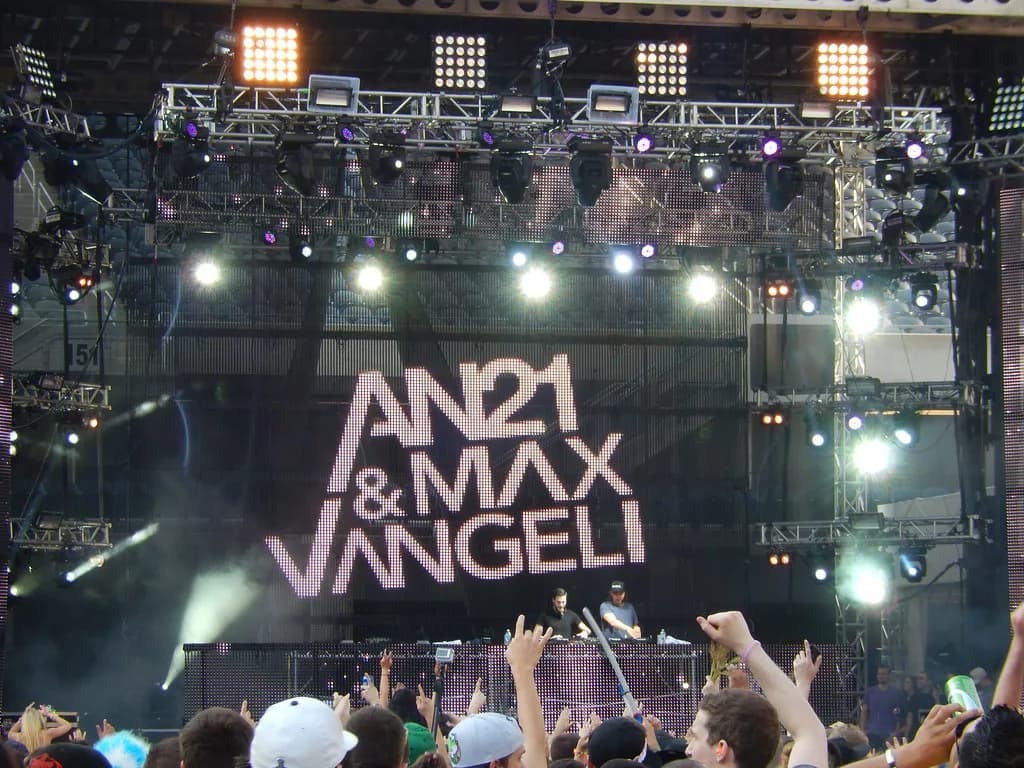
The Sziget Festival in Budapest (early August) takes place on Óbudai-sziget island on the Danube and draws up to 500,000 visitors from over 100 countries across a week. Past headliners include Rihanna, David Guetta, and Muse; the island format creates a self-contained festival village with art installations and food markets alongside the music. Week passes cost roughly €350–€450 and book out months ahead. The Øya Festival in Oslo (early August, four days) is smaller — around 60,000 attendees — but consistently delivers an ambitious mix of international and Nordic artists at Tøyenparken. Tomorrowland in Boom, Belgium (late July, two weekends) is Europe's largest electronic music event, with 400,000 attendees across three stages; day tickets typically sell out within minutes of going on sale in February.
These three don't replace the cultural calendar above, but they fill a genuine gap for music-first travelers. Budapest's Sziget and Edinburgh's Fringe (already on the list at #8) are the two events best suited to multi-day immersion if you want both performance and city exploration.
Lower-Crowd Alternatives for Every Major Festival
Europe's most famous festivals are famous precisely because they reward the crowds they attract. But every entry on the list above has a quieter counterpart that delivers a similar cultural experience with a fraction of the booking pressure and accommodation cost.
For Venice Carnival, the Binche Carnival in Belgium (also February, UNESCO Intangible Cultural Heritage since 2003) involves the same masked-procession tradition — the Gilles de Binche in their ostrich-plumed hats are genuinely iconic — without the 200,000-visitor weekend crush or the €300 masked-ball pricing. Binche remains one of Europe's most under-visited February events. For Oktoberfest, the Stuttgart Cannstatter Volksfest (late September through mid-October) uses the same beer tent and folk-parade format with a largely local crowd; beer prices are typically 10–15% lower than Munich's. For Edinburgh Fringe in August, the Galway International Arts Festival in July (two weeks, west of Ireland) offers 200+ events — theatre, visual art, big-band music — in a city that handles crowds far better than Edinburgh does at peak.
For Christmas markets, Colmar in Alsace consistently ranks as the most atmospheric smaller-city market in France: five themed markets across the medieval quarter, Glühwein from €3, and hotel rates 30–40% below Strasbourg's during the same December weeks. Planning around a lesser-known market often doubles your time at the stalls and halves your budget.
What to Skip (or Temper Expectations On)
The Cannes Film Festival is genuinely spectacular if you manage expectations: 90% of the program is closed to the general public. Most first-time visitors expect red-carpet access and leave frustrated — the outdoor Cinéma de la Plage screenings are wonderful, but they're not what the Instagram posts suggest. If you want a glamorous French Riviera event open to everyone, Nice Carnival in February (free street parade, ticketed grandstands from €20) is a far better fit.
Oktoberfest is often described as a beer-tent party for tourists — and the main tents increasingly justify that label. The Oide Wiesn (Old Oktoberfest) section within the grounds charges a separate €4 entry but delivers a far more authentic Bavarian experience with folk music and traditional rides. We'd prioritize an afternoon at the Oide Wiesn over fighting for a seat in the Hofbräu-Festzelt if Bavarian culture is what you came for.
The Running of the Bulls attracts enormous media coverage but requires significant caveats. Animal welfare concerns are real and well-documented; spectators who are uncomfortable with that context should consider watching the nightly fireworks and parades, which are the heart of San Fermín for most local families. The festival is genuinely joyful beyond the encierro, and Pamplona itself is a beautiful city that rewards an extra day.
Planning Tips for European Festival Travel in 2026
For the highest-demand festivals on this list — Up Helly Aa, Venice Carnival, and Oktoberfest — accommodation should be booked six to twelve months in advance. Festival-adjacent towns are worth considering: staying in Borlänge for Midsommar or Logroño for San Fermín can cut accommodation costs by 40–60%. Train travel between festival cities is efficient in most of Western Europe; a Interrail or Eurail pass pays off if you plan to hit three or more events in a single trip.
Crowd timing matters more than most guides admit. Oktoberfest's first weekend is the most crowded; the second and third weekends offer similar tent energy with shorter queues for food and beer. Edinburgh Fringe's final week (usually the last week of August) is when the biggest acts perform their closing shows — often at reduced ticket prices.
Travel insurance covering event cancellations is worth the cost for high-spend trips to Venice Carnival or Cannes. Both events have been disrupted by weather and logistics in recent years, and non-refundable hotel deposits are common at these price points. Check the official festival websites listed throughout this guide for 2026 dates and booking links, as exact dates shift by one to two weeks each year based on the liturgical or royal calendar.
Frequently Asked Questions
What is the biggest cultural festival in Europe?
By attendance, Oktoberfest in Munich draws roughly 6 million visitors each year, making it the largest. By program size, the Edinburgh Festival Fringe — with over 3,000 shows across 300 venues — is the world's largest arts festival and Europe's most diverse cultural event.
What is the largest folk festival in Europe?
Oktoberfest is often cited, but the Lorient Interceltic Festival in Brittany, France — drawing 750,000 visitors over 10 days each August — is widely regarded as the largest dedicated folk and Celtic culture festival on the continent. Check Wikipedia's European festivals list for a comprehensive overview of regional folk events.
Which European cultural festival is best for first-time visitors?
King's Day in Amsterdam is our top pick for first-timers: it's free, the city is easy to navigate on foot, and the orange-clad canal party atmosphere is immediately welcoming. Edinburgh Fringe is the best choice for arts-focused travelers who want a week of varied programming at accessible prices.
How far in advance should I book for European festivals in 2026?
Up Helly Aa, Venice Carnival, and Oktoberfest require twelve months of lead time for accommodation. Spring festivals like King's Day and St. Patrick's Day need three to six months. Edinburgh Fringe show tickets often go on sale in June for the August event, with last-minute availability common for most shows.
Visiting Europe for more than one festival? See our complete guide to festivals and events in Europe.
Europe's best cultural festivals reward planners who look beyond the obvious headline events. A January fire ceremony in Shetland or a November chestnut market in Lisbon can be as memorable as Oktoberfest — often more so, because the crowds are manageable. Use the seasonal groupings above to match a festival to your travel window, then lock in accommodation before the wider travel calendar does it for you.
For deeper guides to the specific festivals on this list, explore our full European festivals hub or jump to individual event pages for dates, tickets, and local tips. The right festival trip is less about choosing the most famous event and more about matching the atmosphere, budget, and booking window to how you actually travel.
Free guide: Europe's Festival Calendar
A month-by-month map of Europe's unmissable festivals — with the best dates to visit each and a local tip you won't find in the guidebooks.
You might also like


Continue reading
More guides you'll find useful