Where To Stay For Feria De Abril: 10 Best Areas and Tips
Discover the best neighborhoods and hotels for Seville's Feria de Abril. Includes tips on transport, budget-friendly stays, and how to access public casetas.
On this page
Where To Stay For Feria De Abril: 10 Best Areas and Tips
Finding where to stay for Feria de Abril is the first step toward an unforgettable Spanish experience. Seville transforms into a vibrant sea of polka dots and lanterns during this spring celebration. You should plan your accommodation months in advance to secure the best spots. This guide covers the top neighborhoods and expert tips for your visit.
The fairgrounds cover 450,000 square meters and host over 1,000 individual tents called casetas. Most of these tents are private, but public options allow everyone to join the party. Knowing the exact Feria de Abril dates helps you book before prices surge. Early preparation ensures you spend more time dancing and less time commuting.
Free guide: Europe's Festival Calendar
A month-by-month map of Europe's unmissable festivals — with the best dates to visit each and a local tip you won't find in the guidebooks.
Los Remedios: The Ultimate Location for the Fair
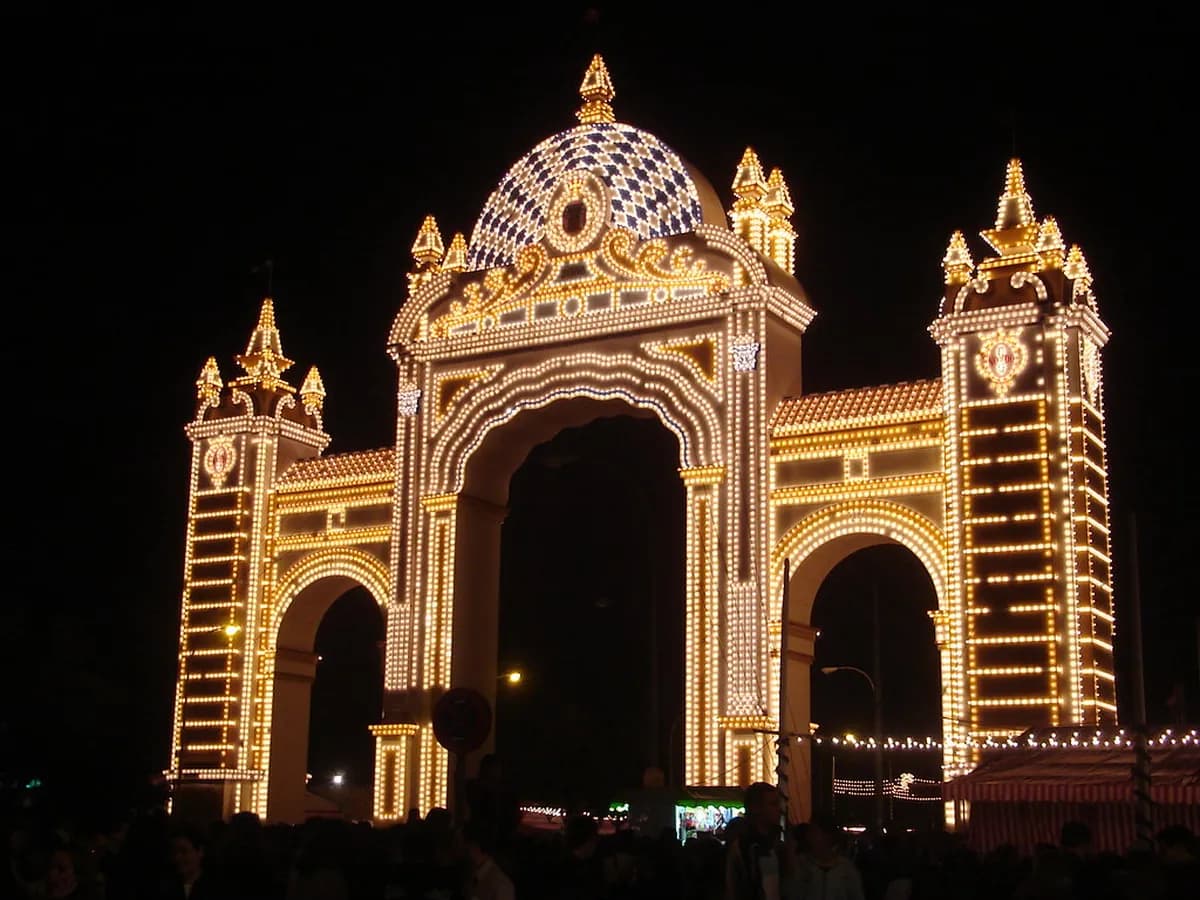
Los Remedios is the most convenient neighborhood for those who want to be steps away from the fairgrounds. The massive El Real site sits right on the edge of this residential district. Staying here allows you to walk to the festivities in under ten minutes. You can easily find the entrance by looking for the towering Portada gate.
Local residents often rent out apartments during this busy week for premium prices. Booking a room here means you can return home quickly for a siesta between events. Many visitors enjoy the convenience of being near the main action without needing public transport. The streets stay busy late into the night with festive crowds.
Expect higher accommodation costs in this area due to the extreme proximity. Hotels often sell out nearly a year in advance for the fair dates. If you value convenience above all else, this is the neighborhood for you. The atmosphere remains electric from the moment you step outside your door.
Nearby shops and cafes cater to the influx of tourists with extended hours. You can grab a quick breakfast before heading into the fairgrounds for the day. Walking through the neighborhood provides a great view of locals in traditional flamenco attire. It is truly the heart of the celebration's logistics.
Triana: Staying in Seville's Most Traditional Barrio
Triana offers a more authentic feel while remaining within walking distance of the fair. This historic district is famous for its pottery, flamenco history, and vibrant riverfront. You will find a mix of traditional guesthouses and modern apartments along its narrow streets. It is one of the best festivals in Spain to experience from this local perspective.
The walk from central Triana to the fairgrounds takes about fifteen to twenty minutes. Many locals prefer staying here to enjoy the neighborhood's famous tapas bars before the fair starts. You can cross the Isabel II bridge to reach the city center quickly. This area balances festive energy with a slightly more relaxed residential vibe.
Staying in Triana allows you to see the horse carriages lining up for the daily parade. The sight of beautiful horses and traditional dress is a highlight of the morning. You might even hear spontaneous flamenco singing in the local plazas. It provides a deep cultural connection to the roots of Seville's heritage.
Prices here are generally high but often slightly lower than in Los Remedios. You should look for properties near the Calle Asuncion for the easiest walking route. This pedestrian street leads directly toward the main fair entrance. It makes navigating the crowds much simpler during peak hours.
El Arenal and Centro: Upscale Stays and History
El Arenal and the city center offer luxury accommodations and proximity to major landmarks. You can stay near the Seville Cathedral and reach the fair in about thirty minutes. This area is perfect for travelers who want to combine the fair with sightseeing. Many high-end hotels provide exceptional service and rooftop views of the city skyline.
Consider booking the Hotel Las Casas de El Arenal for a classic and elegant stay. Another excellent choice is the Hotel Becquer, which is known for its comfort and central location. These hotels place you in the middle of Seville's most historic and beautiful streets. You can enjoy fine dining before heading to the fairgrounds.
The Hotel Derby offers a great central base for exploring both the fair and the shopping districts. For a more intimate experience, the Hotel Casa del Poeta provides a stunning boutique atmosphere. Walking through the city during the fair is a delightful experience in itself. You will see the entire city dressed in its festive best.
Public transport links from the center to the fairgrounds are frequent and reliable. You can easily catch a bus or a taxi from the major plazas. Many people choose to walk to enjoy the festive atmosphere along the river. It is a scenic route that builds excitement for the event.
Budget-Friendly Stays: Where to Stay for Feria de Abril
Finding an affordable option at La Feria often requires looking just outside the city limits. Towns like San Juan de Aznalfarache offer hotels at nearly half the price of central Seville. These locations are connected directly to the fairgrounds via the metro system. You can save a significant amount of money by staying only a few stops away.
Mairena del Aljarafe is another excellent choice for budget-conscious travelers. The metro ride into the city is quick and avoids all the fair-related traffic. You can enjoy a quieter environment to sleep in after a long night of dancing. Local cafes in these towns also offer more traditional prices for meals.
Booking a hotel with direct metro access is the key to a successful budget trip. Look for properties within a five-minute walk of any Line 1 station. This ensures you can reach the fairgrounds in under twenty minutes total. It is a smart way to experience the Feria de Abril without breaking the bank.
Many of these suburban hotels offer modern amenities and larger rooms than city center boutiques. You might even find better availability closer to the event dates. Always check the last metro times to ensure you can return home safely. The trains usually run extended hours during the fair week.
Logistics: Dedicated Parking and Accessible Transport
Getting to the fair requires some planning due to heavy traffic and road closures. The metro is the most reliable option. Take Line 1 to either Plaza de Cuba or Parque de los Principes — both stops sit within a short walk of the main entrance and trains run every five minutes during fair week at a cost of under €2 per journey.
Driving is generally not worth the stress unless you use the dedicated Charco de la Pava parking lot west of the river. The lot operates a continuous free shuttle bus to the fairgrounds, which is far more practical than hunting for street parking in Los Remedios. If you arrive before midday, spaces are usually available.
Walking from the Seville Cathedral takes roughly 30 minutes along a scenic riverside route. The path fills with people in flamenco dress heading to El Real, which builds the atmosphere well before you reach the gate. Horse carriages offer a traditional arrival experience, though at a significant premium and with no fixed pricing. Taxis face surge pricing at peak evening hours — if you take one, use the official ranks near the main gates rather than flagging on the street.
Always check the April Fair Official Info for the latest transport updates and road closures specific to 2026. Schedules shift slightly each year to manage the growing number of visitors, so confirm before you arrive.
Public vs. Private Casetas: Understanding Access Rules
The fair's 1,000-plus casetas are almost all privately owned — by families, companies, political parties, trade unions, and social clubs. You need an invitation from a member to enter a private tent. Even with traditional dress and good intentions, the guards at the entrance will politely turn you away without one. This surprises many first-time visitors who assume the festival is fully open to the public.
Public casetas are the exception and they are genuinely welcoming. The city of Seville operates one caseta for each of its municipal districts, plus a large general tent called Fiesta Mayores. Since 2017, a dedicated Tourist Caseta has been open to all visitors at Pascual Márquez 225–229, located at the far end of the grounds from the main entrance. You pay only for what you eat and drink — entry itself is free.
Pick up a physical map at the Portada information kiosk on Calle Antonio Bienvenida when you arrive; public casetas are clearly marked. The list of all public casetas is also published online before each fair. Arriving at a public tent early in the afternoon gives you a table and a chance to order rebujito (manzanilla sherry with lemonade) and pescaíto (fried fish) before the crowds peak. By evening, these tents fill quickly and queues form at the bar.
If you want to experience a private caseta, the most realistic path is through local connections or a guided tour that ends inside one. Dressing well in traditional attire signals respect for the culture and can open unexpected invitations, but count on the public tents as your base plan.
On-Site Facilities: Accessible Toilets and Information Points
The fairgrounds are vast, so knowing where to find help is essential for a good visit. A main information kiosk is located at the Portada entrance on Calle Antonio Bienvenida. You can pick up a physical map of the 1,000+ casetas at this location. Staff can also provide details on guided tour times and public tent locations.
Finding accessible toilets and public toilets is a common concern for many first-time visitors. Public facilities are located near the Portada and the amusement park area. These are often cleaner and more accessible than the small toilets inside private casetas. Look for the signs or ask at the information point for directions.
Guided tours are a great way to learn about the fair's history and traditions. These tours usually meet at the main entrance kiosk at 1 pm, 2.30 pm, 4 pm, and 5.30 pm. You can find tours available in English, Spanish, French, and other languages. They offer a helpful introduction to the complex social rules of the fair.
Consult the [list of all the public casetas here](https://www.andalucia.com/festival/seville-feria-public-casetas) before you arrive on the grounds. Public tents are often run by political parties, labor unions, or city districts. They are open to everyone and provide a great atmosphere for food and drink. Knowing their locations beforehand saves you from wandering aimlessly.
Inclusive Visiting: Attractions with Quiet Hours
The Calle del Infierno amusement park area can be very loud and overwhelming. Seville now offers specific quiet hours to make the fair more inclusive for everyone. During these times, music and sirens are turned off to help those with sensory sensitivities. This initiative has been very popular with families and visitors who prefer a calmer environment.
Check the official schedule to see when these noise-reduced hours take place during the week. They typically occur during the late afternoon on specific days of the fair. This allows everyone to enjoy the rides and games without the intense noise levels. It is a thoughtful addition to such a large-scale event.
Planning your visit around these hours can make the experience much more pleasant. You can enjoy the colorful lights and fun atmosphere in a more relaxed way. Many families choose this time to bring younger children to the amusement park. It shows how the city is working to make the fair accessible to all.
The fair remains a sensory-rich environment even during these quiet periods. You will still see the bright colors of the dresses and smell the delicious fried fish. It is a unique way to experience the fair like never before. Always verify the current year's times on the official city website.
Booking Benefits: Sercotel Rewards and Direct Rates
Booking your stay directly with hotels can provide several exclusive benefits during fair week. Many chains offer a best rate guarantee when you avoid third-party booking sites. You can also communicate special requests directly to the hotel staff. This is helpful if you need advice on flamenco dress rentals or local transport.
Programs like Sercotel Rewards offer specific member benefits that are very useful during the fair. You might enjoy a late check-out, which is crucial after a long night of festivities. These small perks can make a big difference in your overall comfort. Direct booking often leads to better room assignments and fewer issues upon arrival.
Exclusive discounts and loyalty points can help offset the higher costs of festival accommodation. You should join these rewards programs before making your final reservation. Some hotels even offer special packages that include transport or fair-related amenities. It pays to do a little extra research on the official hotel pages.
Always confirm the cancellation policy before you finalize your booking for the fair. Since this is a peak period, rules can be stricter than usual. Having a direct line to the hotel ensures you get the most accurate information. This peace of mind is valuable when planning a major international trip.
Beyond the Fair: Te queda mucho por descubrir
While the fair is the main attraction, Seville has much more to offer visitors. You can escape the noise and crowds by exploring the Santa Cruz district in the morning. This former Jewish quarter features narrow winding streets and beautiful hidden plazas. It is the perfect place for a quiet walk before the fairgrounds wake up.
Visit the Real Alcazar or the Cathedral to see Seville's incredible architectural history. These sites are often less crowded during the early hours of the fair week. You can enjoy the stunning gardens and intricate tile work in relative peace. It provides a nice balance to the high energy of the El Real site.
The city's parks, like Maria Luisa, offer a shaded retreat from the afternoon sun. You can see the Plaza de España and enjoy a slow stroll through the greenery. Taking a break from the fair allows you to recharge for another evening of dancing. Seville truly has a wealth of beauty to discover beyond the festival gates.
If you have extra time, consider checking the Semana Santa in Seville dates for a future trip. Both festivals offer a completely different look at the city's deep-rooted traditions. Exploring the local markets and riverfront can also be a highlight of your stay. There is always something new to see in this historic Andalusian capital.
When to Book: Avoiding the Price Surge
Seville hotels can triple their standard rates during fair week — a €100 room in February can cost €300 or more by March. The price jump is not gradual; it tends to happen as a step change once the official Feria dates are announced, usually in late autumn. The safest booking window is October or November of the preceding year, before demand from Spanish domestic travelers locks up the better-priced inventory.
Properties in Los Remedios and Triana sell out earliest, often by December. Central hotels near the Cathedral have larger inventory, so availability holds a little longer — but prices still rise sharply from January onward. If you are reading this in January or February, act quickly. If it is already March, budget for premium rates and focus on suburban options with metro access.
For 2026, the Feria de Abril runs 19–25 April. Booking the nights of Thursday and Friday within the fair week costs the most, as those are peak-attendance evenings. Arriving on Tuesday and leaving Saturday morning can reduce the accommodation cost while still covering the full week of festivities.
Flexible cancellation policies are worth paying a small premium for. Many travelers book refundable rooms as placeholders in October, then decide in February whether to upgrade or change. Some hotels offer direct-booking discounts with a best-rate guarantee — calling the hotel directly rather than using an OTA can occasionally unlock rates not published online, and you can negotiate extras like late check-out at the same time.
Frequently Asked Questions
When is the Feria de Abril in Seville?
The fair usually begins two weeks after Semana Santa ends. It typically falls in late April or early May depending on the lunar calendar. You can check the exact Feria de Abril dates to plan your trip. Most locals celebrate for a full week.
What should you wear to Feria de Abril?
Locals typically wear traditional flamenco dresses or smart suits. Tourists are not required to wear traditional attire but should dress elegantly. Men often wear jackets and ties, while women wear stylish dresses. Avoid overly casual clothing like shorts or flip-flops to fit in with the crowd.
Can tourists enter the casetas at the fair?
Most casetas are private and require an invitation from a member to enter. However, there are several public casetas open to everyone for free. You can find a list of these public tents at the information kiosk. They offer the same food, drink, and music as the private ones.
Is it expensive to visit the fair as a tourist?
Entrance to the fairgrounds is free, but food and drinks can be pricey inside the tents. Accommodation costs in Seville also rise significantly during this week. Booking early and staying in budget-friendly areas helps manage your expenses. Many public casetas offer reasonably priced tapas and drinks.
Visiting Seville for more than one festival? See our complete guide to festivals and events in Seville.
Choosing where to stay for Feria de Abril depends on your budget and desire for convenience. Los Remedios and Triana offer the best access, while the city center provides luxury and history. Budget-friendly towns with metro links are excellent alternatives for saving money. No matter where you stay, the magic of the fair will be the highlight of your trip.
Be sure to book your rooms early and plan your transport to avoid the busiest times. Use the available on-site facilities like the information kiosk to navigate the massive fairgrounds. You will find that Feria de Abril tickets and tours can enhance your understanding of the local culture. Enjoy the music, the food, and the incredible atmosphere of Seville.
Free guide: Europe's Festival Calendar
A month-by-month map of Europe's unmissable festivals — with the best dates to visit each and a local tip you won't find in the guidebooks.
You might also like


Continue reading
More guides you'll find useful