
Is Feria de Abril Worth It? 7 Things to Know Before You Go
Is Feria de Abril worth the crowds? Discover the real costs, the private caseta dilemma, and 7 essential tips for enjoying Seville's biggest festival in 2026.
On this page
Is Feria de Abril Worth It? 7 Things to Know Before You Go
Yes, the Feria de Abril is absolutely worth it if you appreciate deep cultural immersion and vibrant street parties. If you prefer quiet exploration or religious solemnity, the best alternative is Semana Santa in Seville. This guide explores the costs, crowds, and the complex caseta system to help you decide. Last updated April 2026.
Seville transforms into a sea of polka dots and horse-drawn carriages during this week-long celebration. Most visitors find the sheer scale of the Real de la Feria both impressive and slightly overwhelming. Planning requires understanding that much of the event happens behind closed doors in private tents. We provide the grounded framing you need to navigate these social barriers effectively.
The fair usually begins two weeks after Easter Sunday, starting with the famous Alumbrado lighting ceremony. Expect daily festivities to run from 1:00 PM until at least 4:00 AM the following morning. While entry to the fairgrounds is free, your experience depends heavily on your budget and social access. This review breaks down whether the logistical hurdles justify the unique Andalusian atmosphere.
Free guide: Europe's Festival Calendar
A month-by-month map of Europe's unmissable festivals — with the best dates to visit each and a local tip you won't find in the guidebooks.
The Verdict: Is Feria de Abril Worth It?
Verdict: Yes, but only if you are willing to embrace the local social rules and high energy. The festival offers an unparalleled look at Andalusian pride, fashion, and traditional Sevillanas dancing. It is not a standard tourist attraction where everything is accessible with a simple ticket purchase. Successful visitors approach the fair as a marathon of socializing rather than a checklist of sights.
Best for: Social butterflies, photography enthusiasts, and travelers who love dressing up in traditional attire. Skip if: You suffer from agoraphobia or dislike loud music and heavy dust in your clothes. Alternative: The Patios de Cordoba offers a much quieter and more accessible floral experience nearby. The decision often comes down to how much you value seeing a city at its most intense.
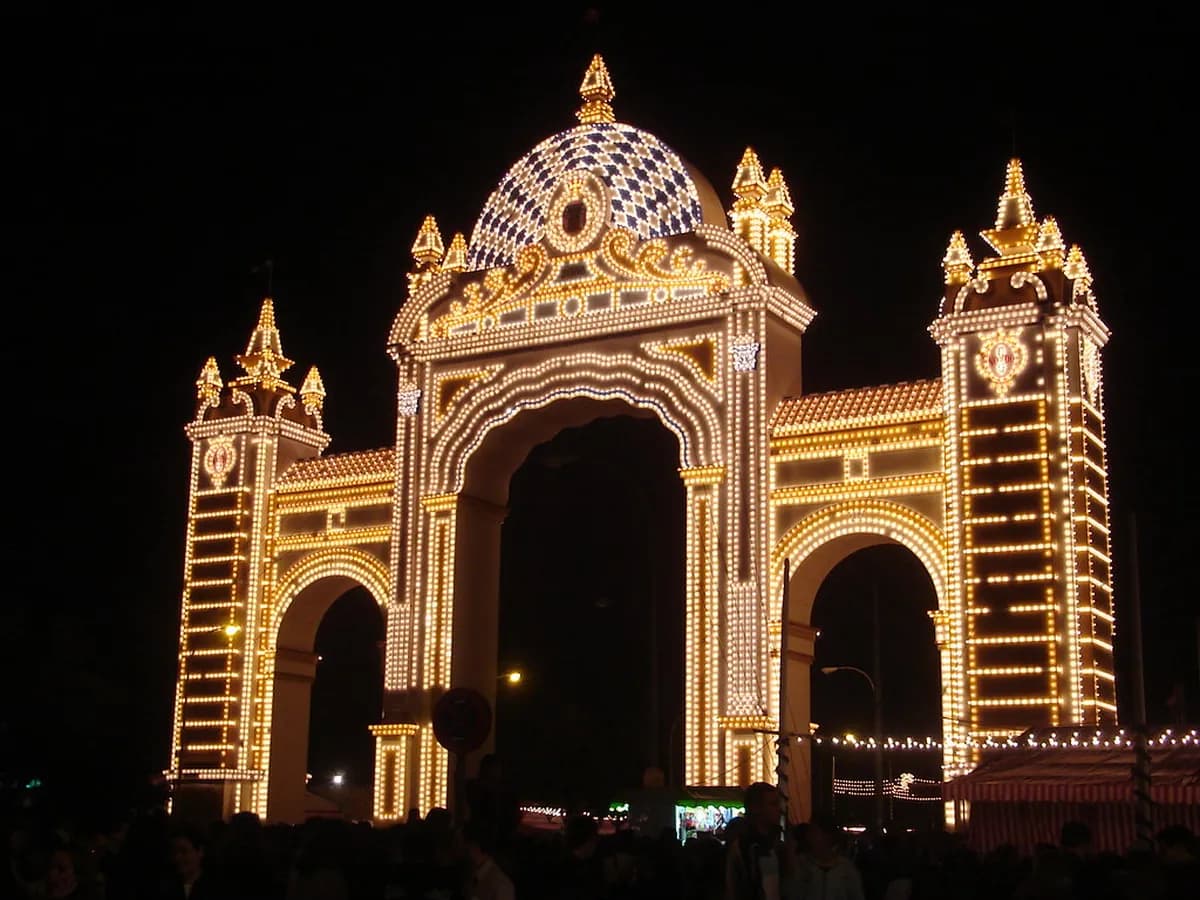
We recommend staying overnight rather than visiting on a day trip to truly experience the Alumbrado. The fairgrounds change character completely once the 25,000 bulbs flicker on at sunset. Day trippers often miss the late-night dancing that defines the true spirit of the Seville fair. Staying locally allows you to retreat when the heat and noise become too much to handle.
- Pros: What visitors usually love
- Incredible display of traditional flamenco fashion
- Electric atmosphere during the nightly lighting
- Delicious local food like fried fish
- Free access to the main fairgrounds
- Unique horse and carriage parades daily
- Opportunity to learn the Sevillanas dance
- Cons: What may disappoint
- Most casetas are private and restricted
- Extremely high accommodation prices during fair
- Heavy crowds make walking very slow
- Dusty ground ruins expensive suede shoes
- Long queues for public transportation late at night
- Noise levels remain high until dawn
History and World of Sensations at El Real
The Real de la Feria is a massive temporary city constructed specifically for this annual event. It originated as a humble livestock market in 1847 before evolving into a cultural juggernaut that draws visitors from across the world. Today, the site covers thousands of square metres divided into streets named after famous bullfighters. You can use the Official Map of the Fairgrounds to navigate this labyrinth.
The Portada serves as the grand entrance and changes its design every single year. This structure stands 40 metres wide and features over 25,000 hand-painted light bulbs. Walking through it feels like entering a different era where horses rule the dusty streets. Most visitors find the 2:00 PM horse parade creates the most iconic photo opportunities of the entire week.
Expect a sensory overload of clicking castanets, the smell of fried dough, and an endless parade of bright colours. The 'Calle del Infierno' or Hell's Street provides a stark contrast with its loud amusement rides and carnival games. This area is separate from the traditional casetas but remains a vital part of the full experience. Understanding the layout helps you balance traditional culture with modern carnival fun.
The Feria always begins 10 days after the end of Semana Santa, meaning the city barely catches its breath between the two events. Locals often joke that Seville runs on two calendars: the rest of the year, and Feria week. The transformation of the Los Remedios neighbourhood into the Real de la Feria grounds takes months of preparation. Walking from the Puente de San Telmo to the fairground entrance gives you the first real sense of scale before you even enter.
The Caseta System: Public Access vs. Private Memberships
The most common regret for tourists is realising they cannot enter 90% of the tents. Most casetas are private clubs where members pay a 'socio' fee of up to €1,200 annually. You generally need a personal invitation from a member to step inside these exclusive spaces. Check Feria de Abril tickets and tours for guided options that include access.
Public casetas do exist and are open to everyone without an invitation or entry fee. These tents are typically run by political parties, trade unions, or city districts. While they lack the intimacy of private ones, they offer the same food, Rebujito, and music. The Caseta del Turista on Pascual Márquez 225–229 is specifically designed for visitors and is the easiest starting point for first-timers.
Other reliably welcoming public casetas in 2026 include the Distrito Triana–Los Remedios tent on Pascual Márquez 153–157, the CCOO union caseta on Pascual Márquez 81, and La Marimorena on Manolo Vázquez 31, which offers vegan and lactose-free food options. Addresses shift slightly each year, so cross-reference with the official printed map available at the fairground information points. The atmosphere in public tents is often rowdier and more crowded than in private ones, especially after 22:00.
Prices for drinks like Rebujito remain fairly consistent across both types of establishments. Expect to wait in line for a table during peak lunch and dinner hours. Planning your meals for off-peak times like 17:00 can save you significant frustration. If someone invites you into their private caseta, the unspoken rule is to buy them a Rebujito as a thank-you gesture.
Cost Breakdown: Is it a Budget-Friendly Festival?
Is Feria de Abril worth the money if you are on a tight budget? Daily costs for a typical visitor range between €100 and €202 per person. This estimate includes several rounds of drinks, a full meal, and some carnival rides. You can find other festivals in Spain that are significantly cheaper for solo travelers.
Fashion is a major expense if you choose to participate in the local dress code. A high-quality flamenco suit can cost hundreds of euros, but renting is a smart move. Check this guide on where to rent a flamenco dress to save money. Traditional fair shoes — alpargatas or espadrilles — are available for as little as €10 in local neighbourhood shops, so skip the expensive suede and keep your feet comfortable on the albero dust.
Food within the fairgrounds is priced higher than in the Seville city centre. A pitcher of Rebujito, the signature sherry and lime soda cocktail, costs around €12 to €18. Plates of pescaíto frito or Iberian ham are shared among friends to keep individual costs down. Most visitors find that cash is still king in many of the older casetas, so carry both cash and a card.
Here is how the two ends of the budget spectrum look in practice. At the low end: arrive at 12:00, eat before you enter, nurse two rounds of drinks in a public caseta, take the kids to Calle del Infierno during the quiet afternoon, and head home before midnight — total spend around €40 to €60 per adult. At the high end: private caseta dining, multiple pitchers of Rebujito, a rented flamenco dress, late-night buñuelos from the gitano stalls, and a taxi home at 04:00 — budget €200 or more. Knowing which experience you are chasing before you arrive eliminates most of the financial regret.
Logistics: Transport, Parking, and Accessible Toilets
Getting to the fairgrounds requires strategy as many central streets are closed to private cars. The dedicated shuttle from Charco de la Pava is the most reliable option. Parking in this remote lot is affordable, but the shuttle lines can be massive, particularly on Tuesday and Wednesday when local public holidays push attendance to its peak.
Walking from the city centre takes about 25 minutes from the Cathedral area. The metro is a fast alternative, though stations like Plaza de Cuba become extremely congested after 22:00. Many locals prefer walking to avoid the frustration of packed buses and expensive taxis. Wear comfortable shoes that you do not mind getting covered in yellow albero dust.
- Shuttle from Charco de la Pava: runs throughout the day; wait times swell to 30–40 minutes between 02:00 and 04:00
- Taxi ranks at the fairground exits: queues regularly exceed one hour between 03:00 and 05:00 — factor this into your departure plan
- Rideshare apps (Cabify, Uber): surge pricing applies after midnight; ordering from a side street one block from the main exit can cut wait times
- Night bus: Line C2 runs to Prado de San Sebastián; slower but reliable if you can tolerate a crowded bus after midnight
Public toilets are located near the Portada and at the back of the fairgrounds. Some facilities require a small fee or are managed by attendants who keep them clean. Accessibility is generally reasonable, but the sandy albero ground makes wheelchairs and pushchairs difficult to manoeuvre — stick to the main thoroughfares where the ground is more compacted. Plan your bathroom breaks before peak dining hours to avoid the longest queues.
Family Guide: Quiet Hours, Calle del Infierno, and Information Points
The Feria is more family-friendly than its late-night reputation suggests, provided you plan around the right time slots. The Calle del Infierno amusement park runs all day from around 12:00, and the afternoon window between 14:00 and 18:00 is when crowds thin out enough for children to access rides without long queues. Spanish families commonly bring children to the fairgrounds during this window, then bring them home before the evening ramps up.
Neurodivergent visitors and families seeking a lower-sensory experience should look specifically for the Quiet Hours sessions at Calle del Infierno. During these dedicated slots — usually held in the early evening and confirmed on the official fair programme each year — the music volume is reduced and flashing lights on rides are switched off. The exact times change annually, so check the official Ayuntamiento de Sevilla fair schedule before you visit. Arriving at the start of a Quiet Hours slot rather than mid-way through gives you the calmest window.
Information points are positioned throughout the Real de la Feria and are marked on the official map. Staff at these points carry printed lists of public caseta locations and can point you toward accessible toilet facilities. If you have a child who gets separated in the crowd, the main information point near the Portada serves as the designated lost-children meeting point. This is worth noting before you enter rather than trying to locate it in the middle of a crowd.
Children under the age of about 11 often fall asleep in their pushchairs well before midnight, which means parents end up leaving earlier than planned. Build your day around a midday arrival, a full afternoon in the amusement park, dinner in a public caseta around 19:00, and departure before 22:00. This structure lets families see the Alumbrado lighting — which happens at dusk — without waiting for the truly late-night chaos.
Practical Tips: Guided Tours and Common Pitfalls
Guided tours of El Real are available for those who want a deeper cultural context. Tours typically run at 1:00 PM, 2:30 PM, 4:00 PM, and 5:30 PM daily. These sessions are offered in multiple languages and help explain the complex social etiquette. Check accommodation near the fair to minimise your daily commute.
Avoid the common mistake of wearing a cheap, 'costume' version of flamenco dress. Locals take their fashion very seriously and can easily spot low-quality polyester imitations. If you do not want to invest in a real dress, elegant street wear is a better choice. Men should wear a suit or a blazer with a tie to fit in comfortably.
Confirm the official Feria de Abril dates before booking your flights. The fair dates shift every year based on the timing of Easter Sunday. Arriving a day early allows you to see the city before the chaos begins. Always carry a physical map as mobile data can be extremely slow in the crowded tents due to network congestion.
- Pack a small abanico (hand fan): essential inside crowded casetas and on the street in April heat
- Bring a packet of tissues: toilet paper runs out in busy facilities during peak hours
- Carry pocket-size crazy glue: espadrilles on the albero ground are notorious for coming apart mid-evening
- Use a crossbody bag or rely on hidden pockets in your flamenco dress: large handbags are impractical in tight caseta spaces
- Eat before you go or arrive before 13:00 to secure a table in a public caseta without a long wait
Frequently Asked Questions
Can you get into casetas without an invitation?
You can only enter public casetas without a personal invitation. Private casetas require you to be a member or a guest of a member. There are usually about 15-20 public tents available for the general population.
What is the best day to visit the Seville April Fair?
Monday and Thursday are typically the best days for fewer crowds. Tuesday and Wednesday are local holidays, making them the busiest and most difficult to navigate. The opening Saturday night is spectacular but extremely packed.
How much does it cost to attend Feria de Abril?
Entry to the fairgrounds is free for everyone. However, expect to spend between €100 and €200 per day on food, drinks, and transport. Prices inside the tents are higher than standard Seville tapas bars.
Visiting Seville for more than one festival? See our complete guide to festivals and events in Seville.
The Feria de Abril is a bucket-list experience that rewards those who plan ahead. While the private caseta system can be frustrating, the public tents still offer a fantastic atmosphere. The combination of fashion, horses, and late-night dancing creates a spectacle found nowhere else on earth.
If you are prepared for the costs and the crowds, you will find it a highlight of your travels. Respect the local traditions, wear comfortable but smart shoes, and drink plenty of water. Seville at fair time is an unforgettable explosion of life that is definitely worth the effort.
Free guide: Europe's Festival Calendar
A month-by-month map of Europe's unmissable festivals — with the best dates to visit each and a local tip you won't find in the guidebooks.
You might also like


Continue reading
More guides you'll find useful


