Spain Festival Calendar 2026: 10 Essential Highlights
Plan your trip with our Spain festival calendar for 2026. Discover 10 essential highlights, from La Tomatina to Las Fallas, with dates and local tips.
On this page
Spain Festival Calendar 2026: 10 Essential Highlights
Spain does not simply host festivals — it lives through them. The Spanish calendar is a year-round cycle of celebrations that form the country's cultural backbone, weaving together Catholic tradition, ancient pagan ritual, and an unparalleled appetite for collective joy. Last updated June 2026. Late spring and early fall are the sweet spots for visiting the best festivals in Spain, when weather is comfortable and the event roster is richest.
This Spain festival calendar covers every major highlight from January through October, with specific 2026 dates, locations, and practical tips so you can plan flights and accommodation in advance. Accommodation prices triple during peak events, so the earlier you book, the better.
Free guide: Europe's Festival Calendar
A month-by-month map of Europe's unmissable festivals — with the best dates to visit each and a local tip you won't find in the guidebooks.
Spain Festival Calendar 2026: Quick-Reference Dates
The table below gives you the full picture at a glance. Use it to stack festivals in a single trip or to avoid overlap when you only want one specific event.
| Month | Festival | City | 2026 Date |
|---|---|---|---|
| January | La Tamborrada (Drum Festival) | San Sebastián | 20 January |
| February | Cádiz Carnival (Chirigotas) | Cádiz | 14–22 February |
| February | Santa Cruz de Tenerife Carnival | Tenerife | 14–22 February |
| March | Las Fallas de Valencia | Valencia | 15–19 March |
| March–April | Barcelona Beer Festival | Barcelona | TBC March |
| April | Semana Santa (Holy Week) | Seville, Málaga, Valladolid | 2–9 April |
| April–May | Feria de Abril | Seville | Late April |
| May | Córdoba Patios Festival | Córdoba | First two weeks of May |
| May | Feria del Caballo (Horse Fair) | Jerez de la Frontera | 5–11 May |
| June | Sónar Barcelona | Barcelona | 12–14 June |
| June | Saint John's Eve (San Juan) | National | 23 June |
| June | Haro Wine Festival | Haro, La Rioja | 29 June |
| July | San Fermin (Running of the Bulls) | Pamplona | 7–14 July |
| July | Boloencierro | Mataelpino, Madrid | Mid-July |
| July | Benicassim Festival (FIB) | Benicàssim | Mid-July |
| August | Semana Grande (Aste Nagusia) | Bilbao | 16–24 August |
| August | Festa Major de Gràcia | Barcelona | 15–21 August |
| August | Feria de Málaga | Málaga | 16–23 August |
| August | La Tomatina | Buñol | Last Wednesday — 26 August |
| October | Amorevore Food & Arts Festival | Ibiza | 26–28 October |
Always verify specific dates against the official Spain Tourism Board at spain.info before purchasing non-refundable transport, as some events confirm their exact schedule only a few months out.
January: La Tamborrada (Drum Festival)
The Spanish festival year opens with a bang in San Sebastián. On 20 January, the city celebrates its patron saint with La Tamborrada — 24 hours of relentless drumming through the streets. Organized processions in military-style cook and soldier costumes march in formation, while free-for-all drum groups welcome anyone who wants to join in. Temperatures in the Basque Country hover around 10–14°C / 50–57°F in January, so a waterproof jacket is essential.
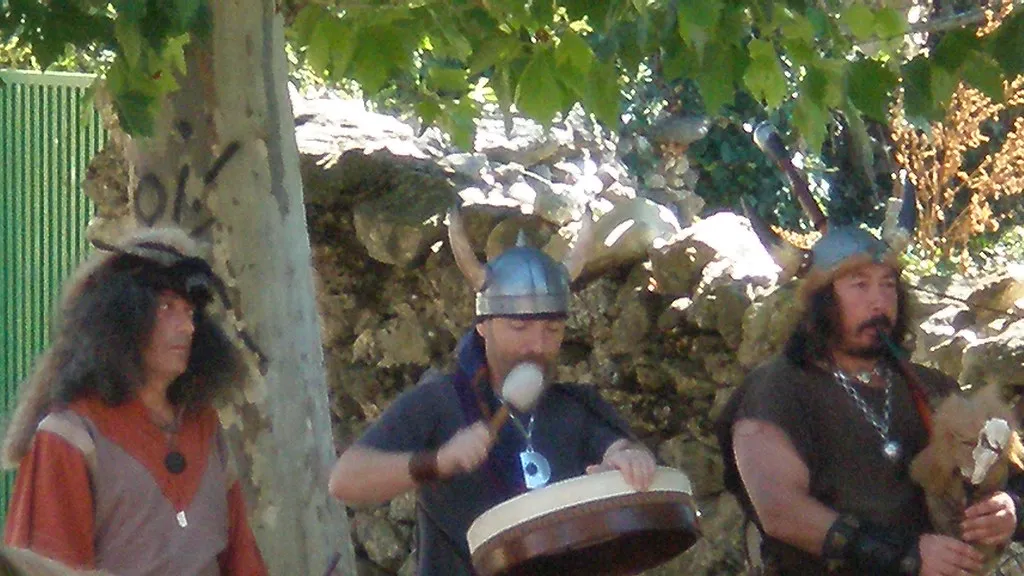
The atmosphere peaks at midnight when the city's flag is raised and the drumming begins simultaneously across dozens of groups. Accommodation in San Sebastián fills months ahead of January 20, so book as soon as the date is confirmed. This is one of the noisiest festivals in Europe and a genuine locals' celebration — tourist numbers are modest compared to summer events, which adds to its authenticity.
February: Carnival in Cádiz and Tenerife
Before the solemnity of Lent, Spain gives itself permission to be outrageous. Two cities dominate Carnival in 2026: Cádiz on the mainland and Santa Cruz de Tenerife in the Canary Islands. Both run roughly 14–22 February, though nightly events spill across two full weeks.
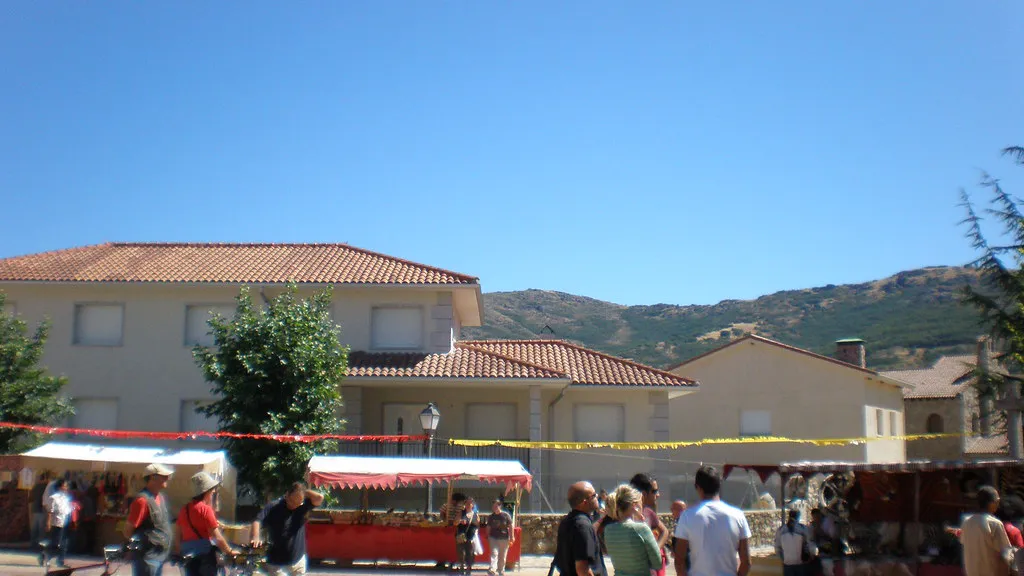
Cádiz Carnival is built around the chirigotas — satirical musical groups that spend months writing lyrics skewering politicians, celebrities, and current events. These groups perform in a competitive format at the city's Gran Teatro Falla, and their sharp humour has roots going back centuries. Even if you do not speak Spanish, the delivery and crowd reaction are electric. The streets fill with elaborate costumes and the air is thick with music from competing troupes — a very different energy from a standard parade.
Santa Cruz de Tenerife is the visual counterpart: think sequined gowns of staggering proportions, an elected Carnival Queen, and immense parades that rival Rio de Janeiro in spectacle. The two cities offer completely different experiences — Cádiz is wit-driven and intimate; Tenerife is pure visual extravaganza. February is off-peak for mainland Spain, so hotels are affordable if you stay outside the festival epicentres.
March: Las Fallas de Valencia (Festival of Fire)
From 15–19 March, Valencia hosts one of Europe's most visceral spectacles. Neighbourhoods spend months building gigantic satirical sculptures — ninots — that lampoon politicians, pop-culture figures, and current events. The air fills with gunpowder daily at 14:00 when the mascletà firecracker display detonates in the Plaza del Ayuntamiento. Earplugs are strongly recommended; the pressure is physical.
The festival culminates on 19 March with La Cremà, when all the monuments are burned simultaneously in a city-wide inferno. One ninot per district is spared and added to the Fallas Museum — a permanent record of local artistry. The Las Fallas dates are fixed annually around Saint Joseph's Day, so 2026 falls predictably on 15–19 March. Book hotels in Valencia at least six months out; the city fills completely.
March also sees the Barcelona Beer Festival, typically held in early spring, showcasing craft beers, wines, and spirits alongside live music from local artists. Check barcelona.cat for confirmed 2026 dates.
April: Semana Santa and Feria de Abril
April delivers Spain's most emotionally powerful week: Semana Santa in Seville, running 2–9 April 2026. Hooded nazarenos carry enormous floats (pasos) of sorrowful Virgins and crucified Christs through silent, reverent crowds in the narrow streets of the old city. The haunting sound of the saeta — a raw flamenco lament sung from a balcony to a passing Madonna — pierces the night. Málaga and Valladolid offer similarly powerful processions with fewer tourists.
Temperatures in Seville during Holy Week reach 20–25°C / 68–77°F. The city swings almost immediately afterward into the Feria de Abril, a week-long fair of flamenco, horse parades, and casetas (private tent parties). Most casetas are invitation-only, but public ones line the fairground perimeter and are perfectly enjoyable. Traditional attire — traje de gitana for women, traje corto for men — is both expected and celebrated; tourist dress is accepted but you will feel the difference.
May: Córdoba Patios and Horse Fairs
May is Spain's most photogenic month for festival-goers. The Córdoba Patios Festival runs through the first two weeks of May. Private homeowners open their courtyards and compete fiercely for the most beautiful flower display — the air smells of jasmine and orange blossom. Entry is free, though popular patios develop queues by mid-morning. The festival has been a UNESCO Intangible Cultural Heritage since 2012.
Meanwhile in Jerez de la Frontera, the Feria del Caballo (Horse Fair) runs 5–11 May. Andalusian horse parades, flamenco performances, and more than 250 tapas stalls make this one of the richest cultural fairs in southern Spain. It is far less crowded than Seville's Feria while offering an almost identical atmosphere.
In Granada, the Cruces de Mayo sees neighbourhoods build elaborate flower-covered crosses in public squares, accompanied by free tapas and flamenco. May weather across central Spain averages 18–24°C / 64–75°F — ideal for outdoor events without the brutal summer heat.
June: Haro Wine Festival and Saint John's Eve
June 23 is one of the most atmospheric nights in Spain. Saint John's Eve — Noche de San Juan — marks the summer solstice with beach bonfires lit up and down the Mediterranean coast. In Barcelona and Valencia, fireworks erupt over the sea. In Galicia, the focus is on food and communal eating around the flames. The custom involves leaping over fires for luck and, at midnight, running into the sea to wash away the past year's bad fortune.
Three days later on 29 June, the Haro Wine Festival in La Rioja turns the town purple. Participants climb to the chapel of San Felices early in the morning and then drench each other in thousands of litres of red wine. Wear old white clothing — it will not survive. The Haro region produces some of Spain's finest Tempranillo, and the post-battle afternoon involves considerably more refined wine tasting at local bodegas.
Sónar Barcelona (12–14 June) rounds out the month for music lovers. Spain's leading electronic music festival draws major international DJs and artists. A separate Sónar+D conference runs in parallel for those interested in the intersection of technology and art. Tickets typically sell out in winter, so book early.
July: San Fermin and the Boloencierro Alternative
Pamplona's San Fermin (7–14 July) is the most internationally recognised Spanish festival. The encierro — the running of the bulls — starts at 08:00 each morning and covers an 825-metre route through the old city. Only adults over 18 may run; the route opens at 07:30 for positioning. The entire week is wrapped in white and red clothing, and the city essentially never sleeps during the eight days.
If the encierro feels too risky, the nearby village of Mataelpino near Madrid offers the Boloencierro: a giant ball weighing 150 kg and 3 metres in diameter replaces the bulls entirely. Participants run in front of the rolling sphere just as they would in Pamplona, but the stakes are dramatically lower. Children can join with smaller coloured balls. It is a genuinely fun event that captures the spirit of the encierro without the life-threatening element.
July also hosts the Benicassim International Festival (FIB) on the east coast between Valencia and Barcelona. This four-day music festival brings major international rock and pop acts to the Mediterranean coast. Temperatures in this area average 30–34°C / 86–93°F in July, so hydration and early-morning activity are essential strategies for surviving the daytime heat.
August: La Tomatina, Festa Major de Gràcia, and Málaga Fair
August is Spain's most festival-dense month. La Tomatina in Buñol falls on the last Wednesday of August — 26 August in 2026. Around 20,000 tickets are sold; they go fast. Participants throw approximately 150 tonnes of overripe tomatoes for exactly one hour. Wear goggles and shoes you can discard, squeeze the tomatoes before throwing to reduce impact, and leave anything you value at your hotel.
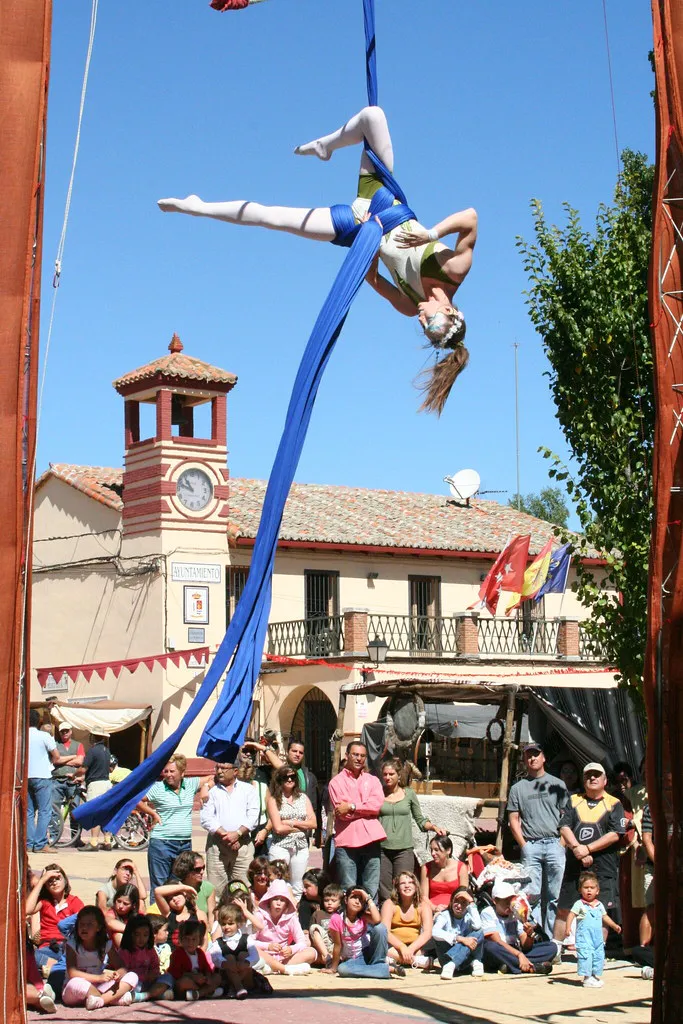
In Barcelona, the Festa Major de Gràcia (15–21 August) sees the entire Gràcia neighbourhood transform its streets with recycled-material decorations. Residents compete for the most creative street design — past years have produced entire underwater scenes, jungle canopies, and space installations. Parades, acrobats, and fire-runners (correfoc) animate the evenings. Entry is free and the neighbourhood is walkable from the city centre.
The Semana Grande (Aste Nagusia) in Bilbao runs 16–24 August with concerts, theatre, fireworks, and the burning of La Marijaia, the festival's mascot figure, on the final night. In Málaga, the Feria de Málaga (16–23 August) offers daytime street parties in the city centre and night-time celebrations at the Cortijo de Torres fairground — one of the most accessible and crowd-friendly fairs in Andalusia.
September and October: Harvest and Food Festivals
Autumn is Spain's most underrated festival season. Temperatures drop to a comfortable 18–26°C / 64–79°F and the summer crowds thin noticeably. The La Rioja grape harvest begins in September, with local bodegas opening for tours and tastings as workers bring in the year's crop. The official La Rioja Harvest Festival takes place in Logroño in late September.
In October, Ibiza hosts the Amorevore Food and Arts Festival (26–28 October). World-renowned chefs present work focused on sustainability, ecology, and global food culture alongside music performances and film screenings. It is a far cry from the island's club-tourism image and draws a completely different crowd — food writers, chefs, and arts-curious travellers who want a thoughtful end-of-season experience.
October also brings the Girona Temps de Flors, which transforms the city into a colourful garden with floral installations across historic courtyards and streets. Combined with a stay in Girona's well-preserved medieval old quarter, it is one of the most undervisited festivals on the entire Spanish calendar.
Essential Logistics: Booking and Transport
Accommodation prices often triple during major events like the Seville Fair or Las Fallas. Book six to nine months in advance for prime locations, particularly in Seville, Valencia, and Pamplona. Use the high-speed AVE train network to move between festival cities quickly — Madrid to Seville is under 2.5 hours, and Madrid to Valencia takes about 1 hour 40 minutes. The best festivals in Spain cluster in spring and late summer, so a two-week trip in April or August can realistically cover two or three major events.
Safety at high-intensity events deserves specific attention. At La Tomatina, the official signal to start throwing is a water cannon — do not throw before this. At San Fermin, the encierro is genuinely dangerous; 15 people have been killed since 1910 and hundreds are injured annually. At fire festivals like Las Fallas and the correfoc, maintain the distances marked by stewards and never touch the firework-carrying participants. Always follow the instructions of local authorities.
Keep valuables in a secure money belt during all large crowds — pickpocketing is reported at virtually every major Spanish festival. Drink plenty of water during July and August events. Temperatures at outdoor festivals can reach 35°C / 95°F, and alcohol dehydrates fast in the Iberian sun.
Frequently Asked Questions
What is the biggest festival in Spain?
Semana Santa and Las Fallas are among the largest celebrations in the country. These events attract millions of visitors and involve massive city-wide participation. You should book hotels many months in advance for these peaks.
Which Spanish festival involves throwing tomatoes?
La Tomatina is the famous tomato-throwing festival held in Bunol every August. It takes place on the last Wednesday of the month. Participants should wear old clothes and protective goggles for the event.
What are the major festivals in Spain in May?
May features the Patios de Cordoba and the Horse Fair in Jerez. These events celebrate Andalusian culture with flowers, horses, and traditional music. The weather is usually perfect for outdoor exploration during this time.
The Spain festival calendar is a testament to the country's rich cultural heritage. Whether you seek religious solemnity or chaotic street parties, there is an event for you. Plan your 2026 dates carefully to experience these traditions at their best. Spain welcomes every traveler to join in the spirit of the eternal fiesta.
Free guide: Europe's Festival Calendar
A month-by-month map of Europe's unmissable festivals — with the best dates to visit each and a local tip you won't find in the guidebooks.
You might also like


Continue reading
More guides you'll find useful