
Feria De Abril Tickets And Tours: 10 Essential Planning Tips
Master the Seville Fair with our guide to Feria de Abril tickets, public caseta access, 2026 dates, and the best guided tours for an authentic experience.
On this page
Feria De Abril Tickets And Tours: 10 Essential Planning Tips
Last updated June 2026. The Seville April Fair represents the pinnacle of Andalusian culture and festive spirit. Finding reliable Feria de Abril tickets and tours is the first priority for most international visitors. This massive event transforms the Los Remedios district into a city of colorful tents and horse-drawn carriages.
Navigating the fairgrounds requires specific knowledge about public access and private invitations. While the main gates are open to everyone, the famous casetas often remain restricted to local members. Securing a spot in a guided group ensures you experience the best food, music, and dance. Planning ahead is essential for this best festivals in Spain highlight.
Quick Answer: Entry to the Feria de Abril fairgrounds is free, but most individual tents require a private invitation. For the best experience, visit the 15 public casetas or book a guided tour costing €30–€60 / ~$32–$65.
Free guide: Europe's Festival Calendar
A month-by-month map of Europe's unmissable festivals — with the best dates to visit each and a local tip you won't find in the guidebooks.
Who Celebrates Feria de Abril? History and Culture
The Feria de Abril began in 1847 as a livestock market on the banks of the Guadalquivir River. Over time it shed its commercial roots entirely and became the defining celebration of Sevillian identity. Today it draws over one million visitors during its six-day run each spring, making it one of the largest festivals in Europe. The event always falls two weeks after Semana Santa, giving the city barely a fortnight to shift from solemn processions to full-volume celebration.
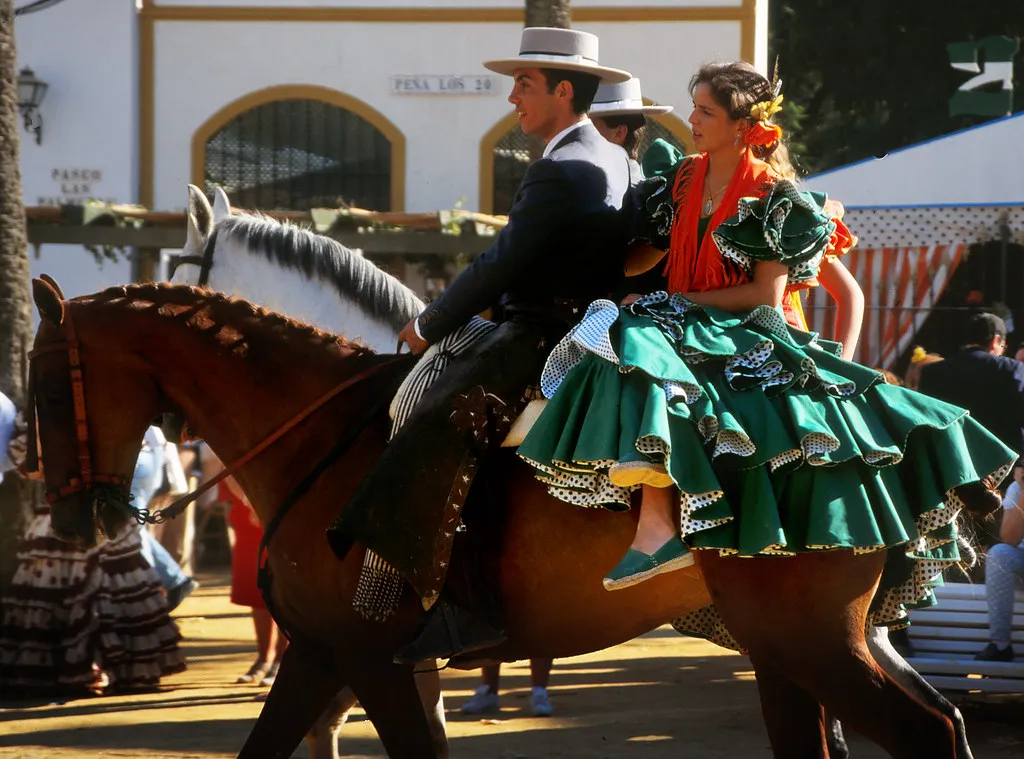
At the heart of the fair are the casetas — private striped tents where families, businesses, and social clubs host their guests. Each caseta has its own personality, food, and soundtrack of live Sevillanas guitar. Women wear the traje de flamenca, a ruffled dress in vivid colours, while men dress in short riding suits or smart linen jackets. Wearing black is considered poor form at the fair; it is traditionally associated with mourning and clashes with the festive spirit around you.
The fairgrounds themselves cover over 400,000 square metres and contain more than 1,000 casetas along fifteen named streets. The albero — the reddish sand underfoot — is imported specifically to give the fairground its warm, traditional texture. Understanding this cultural backdrop makes the difference between a confusing spectacle and a genuinely immersive experience.
Feria De Sevilla 2026 Dates and Official Schedule
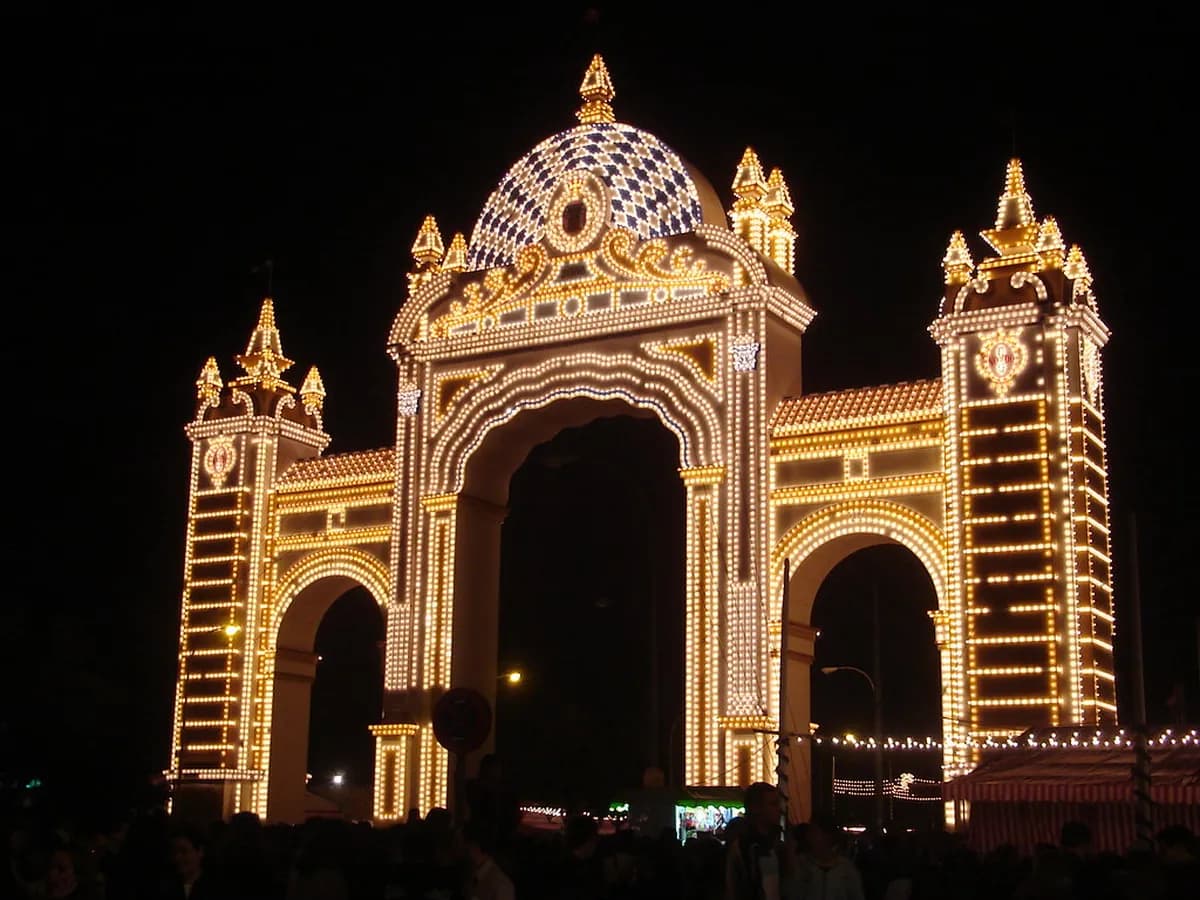
The 2026 Fair is expected to run in late April or early May, around two weeks after Semana Santa (for reference, the 2025 edition ran May 6 to May 11). Because the dates shift each year with Easter, confirm the exact 2026 schedule on the official Seville city council site before booking. Celebrations begin at midnight on the eve of the opening day with the Alumbrado ceremony, when thousands of light bulbs illuminate the main gate, known locally as the Portada. Checking the Feria de Abril dates early is vital for booking flights.
Monday night features the traditional Pescaito dinner, which is a private meal for caseta members. Visitors can watch the lighting from the streets before the fairgrounds officially open to the public. The festivities continue 24 hours a day until the spectacular fireworks display on Sunday night. Most locals prefer the afternoon hours for horse parades and late nights for dancing Sevillanas.
Expect the fairgrounds to be busiest during the mid-afternoon when the heat and energy peak. Official horse carriage traffic usually stops around 8:00 PM to allow for safer pedestrian movement. Evening crowds bring a different atmosphere as the lights glow and the music gets louder. The schedule remains consistent every year, making it one of the best fiestas in Spain.
How to Get Tickets for Casetas and Bullfighting
Many travelers mistakenly search for a general admission ticket to enter the fairgrounds. Access to the Real de la Feria is entirely free for every resident and tourist. The real challenge lies in entering the casetas, which are the striped tents lining the streets. Understanding the difference between public and private spaces is the key to a successful visit.
Private casetas are owned by families, businesses, or social clubs and require an invitation. Public casetas are managed by political parties or city districts and welcome anyone to enter. These public spots offer the same rebujito drinks and fried fish as the private ones. Consulting the is Feria de Abril worth it guide helps set expectations.
The most reliably open public casetas are those run by major political parties — look for the PSOE, PP, and Ciudadanos tents, which display their party banners above the entrance and rarely turn anyone away. District casetas for neighbourhoods like Casco Antiguo and Macarena operate on the same open-door policy. A total of around fifteen to eighteen public casetas are scattered across the fairgrounds, and their locations appear on the official map published by the Seville city council each year at Visit Sevilla. Public tents open at noon and close at 03:00; arriving between 13:00 and 15:00 means shorter queues before the afternoon rush.
Bullfighting is another major component of the festival held at a historic nearby venue. The Plaza de Toros de la Maestranza Official Site handles all legitimate ticket sales. Prices for these events fluctuate wildly based on the fame of the matadors involved. Always buy these tickets through official channels to avoid common street scams or fakes.
- Step 1: Confirm the official 2026 festival dates
- Verify the exact late-April or early-May window on the official site before booking any non-refundable travel (the 2025 edition ran May 6 to May 11).
- This step costs nothing but ensures you arrive during the peak celebration days.
- Double-check the schedule for the Alumbrado lighting ceremony to see the grand opening.
- Step 2: Locate the official public caseta map
- Visit the Official Seville Tourism Board (Visit Sevilla) to download the current map.
- Public tents are free to enter and usually operate from noon until 3:00 AM.
- Look for the larger tents labeled with district names like Casco Antiguo or Macarena.
- Step 3: Purchase bullfighting tickets for Maestranza
- Expect to pay €20–€150 / ~$22–$165 depending on the seat location and shade.
- Tickets for popular matadors sell out weeks in advance during the April Fair season.
- Avoid buying from resellers near the arena to prevent issues with invalid or overpriced entries.
- Step 4: Reserve a traditional horse carriage ride
- Standard rates usually range from €100–€150 / ~$110–$165 per hour for the group.
- Pick up a carriage at Plaza de España or near the main fairground entrance.
- Confirm the price with the driver before boarding to avoid any confusion at the end.
- Step 5: Secure a guided tour for caseta access
- Tours typically cost €40–€80 / ~$44–$88 and include a drink or small snack.
- These guides provide entry into casetas that are otherwise difficult for tourists to find.
- Book at least one month early as group sizes are strictly limited for safety.
Recommended Feria de Abril Tours and Guided Experiences
Guided tours offer a bridge between being a spectator and a participant in the fair. Knowledgeable locals can explain the complex social etiquette and history of the various casetas. Many tours include a lesson on how to dance the Sevillanas, the fair's signature dance. This is often better than wandering aimlessly through the 1,000 tents on the grounds.
Comparing your options is the best way to manage your budget and time effectively. A walking tour provides deep cultural context while a carriage ride offers iconic photo opportunities. Some high-end tours even provide access to exclusive private casetas for a premium price. Check the Semana Santa in Seville tickets and tours for other spring options.
Most tours meet in the city center before heading toward the Los Remedios district. Morning tours focus on the history and the traditional horse parade through the streets. Evening tours lean into the party atmosphere with more emphasis on food and drinks. Always wear comfortable shoes as even the 'seated' tours involve significant amounts of walking.
- Walking Tour: Best for cultural history
- Costs approximately €35 / ~$38 per person and lasts around two hours.
- Includes a professional guide and entry into several public casetas for drinks.
- Operates daily with multiple departures between 12:00 PM and 6:00 PM.
- Horse Carriage: Best for iconic photos
- Costs about €120 / ~$132 per carriage for up to four passengers.
- The ride usually takes 45 to 60 minutes through the main fairground avenues.
- Available from 12:00 PM until 8:00 PM at designated official taxi stands.
- Flamenco Experience: Best for music lovers
- Costs roughly €50 / ~$55 and includes a live show and dinner.
- These often take place in the city center rather than the fairgrounds themselves.
- Performances run nightly at 7:00 PM and 9:00 PM during the festival week.
Must-See Attractions: From the Portada to Calle del Infierno
The Portada is the massive temporary gate that serves as the fair's main entrance. Each year the design changes to honor a different Seville landmark or historical event. It serves as the primary meeting point for thousands of people every single day. Standing under the lights at midnight is a quintessential experience for any first-time visitor.
Calle del Infierno, or Hell's Street, is the fair's enormous amusement park section. It features over 100 rides, including giant Ferris wheels and high-speed roller coasters. This area is separate from the casetas and is very popular with local families. Individual ride tickets usually cost between €4–€8 / ~$5–$9 per person.
The Paseo de Caballos is the daily parade of horses and ornate carriages. Men wear traditional short suits while women showcase stunning flamenco dresses with vibrant ruffles. This spectacle occurs daily from noon until the early evening across the fairgrounds. It provides the most colorful and traditional atmosphere found anywhere in the city.
Flamenco Shows and Museums in Seville
Flamenco runs deeper than the performances you see at the fair. Seville is the global home of this art form, and several dedicated venues offer nightly shows year-round for visitors who want more than a glimpse inside a caseta. Ticket prices at established tablaos typically range from €22–€50 / ~$24–$55 per person, and most shows last between one and one-and-a-half hours.
The Museo del Baile Flamenco (Flamenco Dance Museum) on Calle Manuel Rojas Marcos 3 in the Casco Antiguo is the best starting point for context. Its five galleries trace the evolution of the art from Moorish-influenced roots to contemporary choreography, with costumes worn by legendary dancers like Cristina Hoyos on display. The museum also hosts live performances; hours run 11:00–18:00 and tickets include access to both the permanent collection and the evening show. For a more intimate setting, Casa de la Memoria on Calle Cuna 6 stages shows daily at 16:30 and 19:30 inside a 16th-century Andalusian courtyard — the acoustics alone are worth the €18 entry.
Los Gallos Tablao Flamenco on Plaza de Santa Cruz 11 is one of the oldest tablaos in the city, operating since 1966. Shows run at 19:00 and 20:45 every night and feature a rotating cast of eight artists — three dancers, three singers, and two guitarists. In Triana, Baraka Sala Flamenca on Calle Pureza 107 offers a more contemporary program at 19:00 and 21:00 with four performers in a stripped-back venue that feels more like a private recital than a tourist show. Both venues sit within 15 minutes' walk of the fairgrounds.
Best Budget-Friendly Places to Eat in Seville
Food and drink inside the fairgrounds — even inside public casetas — carries a premium during fair week. A glass of rebujito (manzanilla sherry mixed with lemon soda) costs around €3–€5 inside the Real de la Feria. Plates of pescaito frito, the fried fish that defines fair eating, often reach €10–€14. Eating one main meal per day outside the grounds and using the casetas for drinks and snacks is how most budget-conscious visitors manage the week.
Bodeguita Romero on Calle Harinas 10 in the Casco Antiguo has been serving traditional tapas for over 70 years. The pringá sandwich — a slow-cooked meat spread on crusty bread — costs around €3.50 and rivals anything you will find at the fair. Bar Alfalfa on Calle Candilejo 1 near Plaza Alfalfa opens from 09:00 to midnight and serves tinto de verano (cheap house red mixed with lemon soda) for under €2 — a fair-week staple at a fraction of fairground prices. La Gorda on Paseo de las Delicias 3 opened in 2014 with an explicit brief to serve Andalusian home cooking under €17 per person; the daily fish dish usually runs €8–€9.
The Triana neighbourhood across the river from the historic centre has fewer tourists and lower prices during fair week. The covered Mercado de Triana on the waterfront serves fresh pescaito, olives, and cold beer from around €8 for a complete snack stop. Arrive before 13:00 or after 15:00 to avoid the lunch rush from locals who live in the area.
Transportation Guide: How to Get to the Seville Fair
The fairgrounds are located in the Los Remedios district, just across the river. Walking from the historic center takes about 20 to 30 minutes for most people. Special shuttle buses run frequently from various points around the city during the fair. Consult the how to get to Feria de Abril guide for maps.
The Seville Metro is the fastest way to reach the site during peak hours. Line 1 has three stations very close to the fairgrounds: Plaza de Cuba, Los Remedios, and Blas Infante. Trains run 24 hours a day during the festival to accommodate the late-night crowds. A single ride costs about €1.35 / ~$1.50 and is very easy to use.
Taxis and rideshare services like Uber are available but face heavy traffic congestion. Expect long wait times and higher prices during the Alumbrado or weekend evenings. Most drivers must drop passengers off at designated zones outside the main fair perimeter. Walking remains the most reliable way to arrive exactly when you want to.
Best Hotels and Neighborhoods: Where to Stay
Choosing the right neighborhood depends on your priority for sleep versus festival proximity. Los Remedios is the closest area but hotels here sell out many months in advance. Staying in this district means you can walk to the casetas in minutes. Check the where to stay for Feria de Abril guide for listings.
Casco Antiguo is the historic heart of Seville and offers a more traditional stay. While further from the fair, it provides better access to the Cathedral and Alcázar. Boutique hotels in this area range from €200–€400 / ~$220–$440 per night during May. The commute to the fairgrounds is simple via the metro or a pleasant walk.
Triana is a vibrant neighbourhood located between the city center and the fairgrounds. It is famous for its pottery, flamenco history, and excellent tapas bars. Staying here offers a great balance of local life and easy festival access. Prices are often slightly lower than the primary tourist zones if you book early, and you are a short walk from both the metro and the fairground entrance.
Frequently Asked Questions
Do I need to buy tickets to enter the Seville Fair?
No, entry to the main fairgrounds is free for everyone. You only need tickets for specific events like bullfighting or for joining certain guided tours. Most private tents require invitations, but public ones are open to all.
How much does a horse carriage tour cost at the fair?
A standard one-hour carriage ride typically costs between €100 and €150 / ~$110–$165. Prices are regulated by the city but can vary based on the size of the carriage. Always confirm the total fare before you begin your journey.
Can tourists enter the private casetas at Feria de Abril?
Generally, you cannot enter private casetas without a personal invitation from a member. However, there are about 15 public casetas that welcome tourists without any prior booking. These public tents offer the same food, drinks, and music.
Visiting Seville for more than one festival? See our complete guide to festivals and events in Seville.
Attending the Seville Fair is a highlight of any trip to southern Spain. By understanding the logistics of Feria de Abril tickets and tours, you avoid common frustrations. Focus on visiting public casetas and booking your bullfighting tickets through official channels early. The combination of tradition, music, and local hospitality creates an unforgettable spring atmosphere.
Remember to dress appropriately and stay hydrated with the local rebujito drink. Whether you arrive by horse carriage or metro, the energy of the fair is contagious. Explore the Spain festival calendar to plan your next cultural adventure. Seville awaits with its bright lights, rhythmic dancing, and timeless festive traditions.
Free guide: Europe's Festival Calendar
A month-by-month map of Europe's unmissable festivals — with the best dates to visit each and a local tip you won't find in the guidebooks.
You might also like

Continue reading
More guides you'll find useful


