7 Best Areas and Hotels for Patios de Córdoba
Discover where to stay for the Patios de Córdoba festival. Our guide covers the best neighborhoods, hotels with private patios, and proximity to the 5 festival.
On this page
7 Best Areas and Hotels for Patios de Córdoba
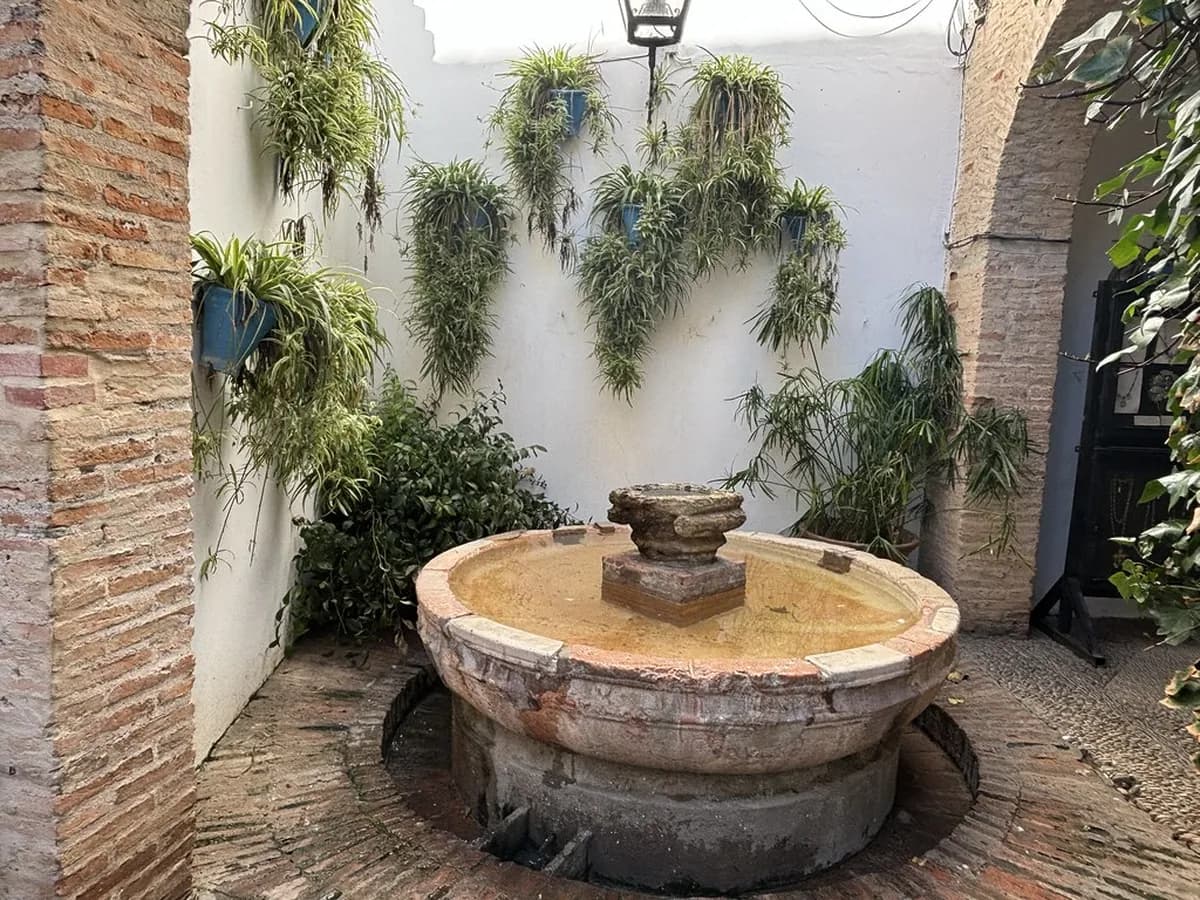
Finding where to stay for Patios de Cordoba requires early planning because the city fills up months in advance. This famous flower festival transforms the historic center into a blooming paradise from May 4 to May 17, 2026. Visitors can explore dozens of private courtyards filled with colorful geraniums and jasmine. The event is recognized as a UNESCO Intangible Heritage Listing for its cultural value.
Choosing the right neighborhood ensures you are within walking distance of the best flower displays. Most travelers prefer staying near the five official routes to maximize their time. You will find a mix of luxury boutique hotels and charming traditional guesthouses. Our guide helps you navigate the best areas and book the right stay for your 2026 festival visit.
Free guide: Europe's Festival Calendar
A month-by-month map of Europe's unmissable festivals — with the best dates to visit each and a local tip you won't find in the guidebooks.
Top Neighborhoods for the Patios Festival
San Basilio stands out as the most famous neighborhood for patio lovers. This area sits alongside the Royal Alcázar and borders the Guadalquivir River, hosting a high concentration of award-winning courtyards within a short radius. Staying here allows you to beat the crowds by visiting popular spots early in the morning. The narrow white-washed streets offer a quintessential Andalusian atmosphere that extends well beyond festival hours.
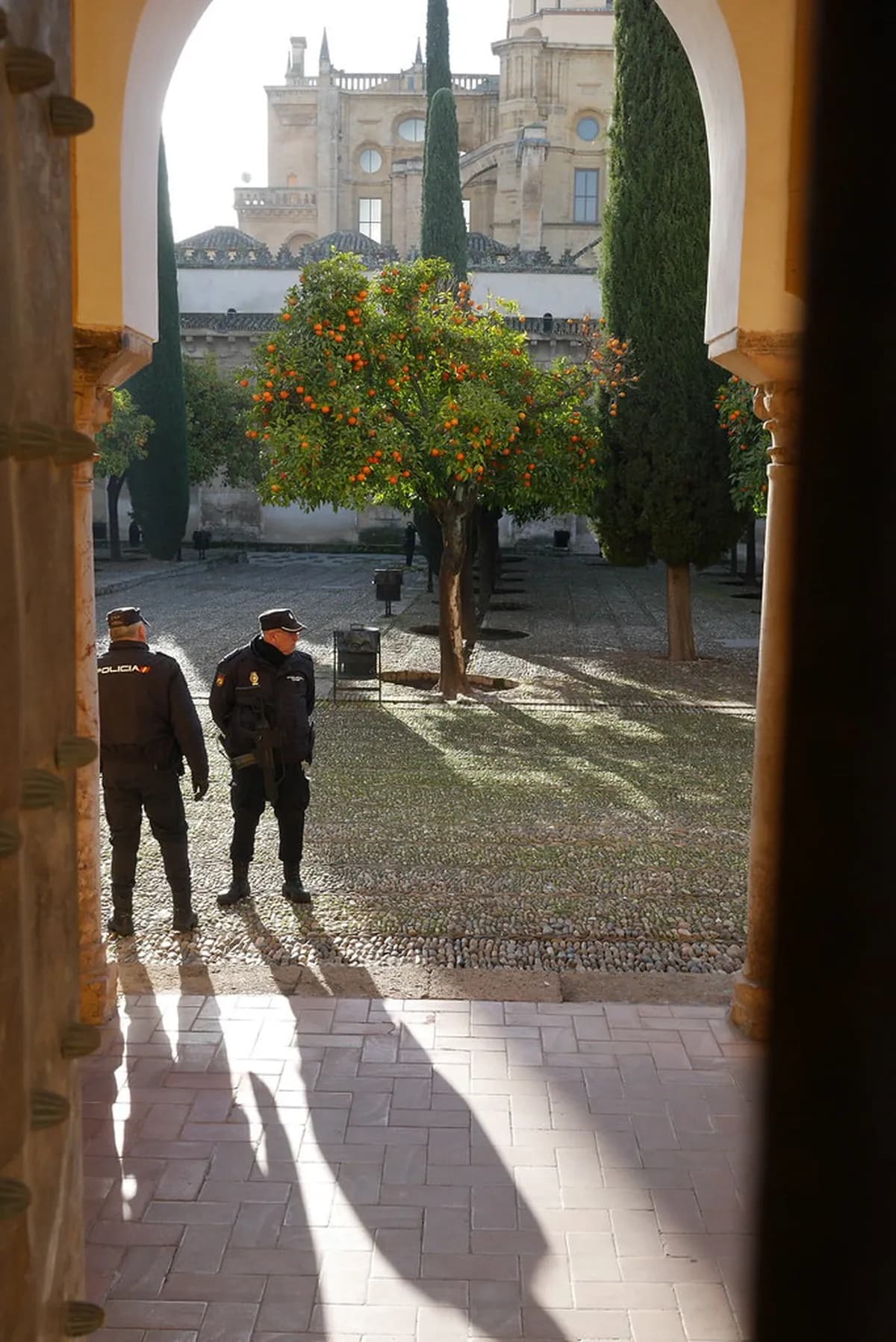
The Judería serves as the historical heart of the city and offers immediate access to the Mezquita-Catedral. Many central patios are tucked away in the winding alleys of this ancient Jewish quarter, including the celebrated Calleja de las Flores. You will find plenty of restaurants and shops nearby for your evening entertainment. It is a great choice if you want to combine the Patios de Cordoba dates with major sightseeing along the San Pedro-Santiago and Judería-San Francisco routes.
Santa Marina provides a more local and authentic experience away from the heaviest tourist traffic. This district is known for its aristocratic history, beautiful manor houses, and access to the Palacio de Viana with its 12 distinct courtyards. Walking through this neighborhood feels like stepping back in time to an older version of Córdoba. The local plazas offer a quiet retreat after a long day of exploring the festival routes.
Best Hotels in Córdoba with Traditional Patios
There is an important distinction between staying in a modern hotel and staying in a traditional "casa-patio." A modern property near the historic center might offer more amenities, but a genuine casa-patio lets you wake up to the scent of orange blossom and jasmine every morning. The courtyard becomes your living room, not just a decorative feature. For festival week especially, this immersive setting is worth the extra research and early booking.
The Eurostars Patios de Córdoba exemplifies the hotel-with-patio category at its finest. This property was built over Roman ruins and features five distinct internal patios that reflect different historical periods — from a Roman well to an Almohade wall visible in the lower levels. Check-in is at 15:00 and check-out at 12:00. Its location near the Judería puts guests within minutes of the Judería-San Francisco and San Pedro-Santiago festival routes.
Patio del Posadero in the San Pedro district sits at the other end of the scale. This boutique casa-patio is smaller and more intimate, with each room designed to complement the traditional Andalusian architecture of the courtyard. It appeals to couples and solo travelers who want a personalized stay rather than a full-service hotel experience. Staying here puts you in a prime position to explore the San Pedro-Santiago route without the noise of the busiest tourist areas.
Hospes Palacio del Bailío is the top luxury option for those who want five-star facilities alongside authentic heritage. The property incorporates a Roman villa, and its garden and pool provide a genuine retreat during the afternoon patio closure from 14:00 to 18:00. All three properties require reservations at least six months in advance for the May 4–17 festival period — availability disappears faster than any other two weeks in Córdoba's calendar.
Where to Stay Near the Five Festival Routes
The festival organizers divide participating patios into five named routes, each corresponding to a distinct neighborhood. Your choice of base matters because the routes are spread across a wide area and the streets are crowded during peak hours of 11:00–14:00 and 18:00–22:00. Matching your accommodation to one or two routes saves time and energy over a multi-day visit. The Official Tourism Map of 2026 Routes is worth downloading before you book.
The San Basilio route is the most concentrated and accessible. Calle San Basilio alone has seven competing patios, and several more sit in the surrounding streets of Calle Duartas and Calle Martin de Roa. If you are arriving by train from Seville or Málaga — both roughly one hour away — San Basilio is the logical choice: it is the route closest to the Renfe station via a short taxi or bus ride. Hotels near the Alcázar de los Reyes Cristianos anchor this route, though note that the Alcázar itself is closed for renovation as of 2026 with no confirmed reopening date.
The Santa Marina-San Agustín route rewards those staying in or near the Palacio de Viana area. This route has only six competing patios but includes Calle Marroquíes, 6 — one of the most consistently awarded patios in the contest, famous for its canopy of flowering bougainvillea. The area is noticeably less crowded than San Basilio or the Judería routes, making it ideal for travelers who prefer a calmer pace. Small apartments and family-run hostels are common here and offer better value than the central hotel cluster.
The San Lorenzo route sits furthest east in the Axerquía district and draws the lightest crowds, especially in the early morning. It has some of the city's most charming streets and is best suited to travelers who have already covered the central routes. If staying here, look for guesthouses along the Calle Frailes and surrounding streets. The Judería-San Francisco route passes the Mezquita and Calleja de las Flores, so it draws the heaviest foot traffic — a consideration if you are noise-sensitive at night.
Route-Specific Booking Strategy: Match Your Stay to Your Priorities
No competitor map makes this explicit, but the five routes have meaningfully different crowd profiles, patio counts, and lodge options. The San Basilio route has the densest cluster of patios and the most boutique hotel options within a five-minute walk. The Judería-San Francisco route is more walkable from the main monuments but has fewer hotel options directly on the route itself. Santa Marina-San Agustín has the fewest patios but the most consistent prize-winners and the easiest morning access before crowds build.
A practical approach for a two-night stay: book near San Basilio for night one and cover that route plus Judería-San Francisco on day one. Then dedicate day two to Santa Marina-San Agustín and San Lorenzo in the morning, finishing with San Pedro-Santiago in the early evening when light is softer and queues are shorter. If you can only spend one night in the city, San Basilio is the clearest choice — its patio density means you can see eight to ten courtyards without retracing your steps.
For those arriving by car, parking near the historic center is genuinely difficult during festival days. Centro Comercial El Arcángel offers free parking for the first three hours if you make a purchase, and the walk from there to Calle Tinte, 9 — the entry point for the San Pedro-Santiago route — is under ten minutes. If your hotel does not include parking, reserve a space in advance through the hotel directly or via an online parking service.
Budget-Friendly vs. Luxury Stays in the Historic Center
Córdoba offers a wide range of prices, but May is the most expensive month to visit. Luxury seekers should look at converted palaces that offer high-end amenities and rooftop views. These properties often include spa facilities and fine dining restaurants on-site. You can find these upscale options mostly concentrated around the Judería and Plaza de las Tendillas.
Budget travelers can find value in small pensions and family-run hostels. Many of these affordable spots are located just a ten-minute walk from the main attractions. Searching for how to get to Patios de Cordoba can help you find peripheral areas with better rates. Staying slightly outside the historic walls can save you a significant amount of money while still allowing easy walking access to all five routes.
Apartment rentals are a popular choice for families or groups traveling together. Having a kitchen allows you to save on meals while enjoying a more residential feel. The two-hour patio closure from 14:00 to 18:00 is a natural break for a home-cooked lunch. Ensure your rental has air conditioning as temperatures in Córdoba rise quickly in May.
Practical Booking Tips for the May Peak Season
The Patios Festival runs May 4–17, 2026, and these are without question the hardest two weeks of the year to find accommodation in Córdoba. Many hotels open their festival-period reservation calendar in October or November of the previous year. If you are reading this in early 2026, check availability immediately — properties near San Basilio and the Judería are routinely full by January. Book at least six months ahead for any stay between May 4 and May 17.
Cancellation terms matter more than usual during festival dates. Choose a booking with free cancellation if possible, since flight or schedule changes during a two-week window are common. If you cannot find accommodation inside the historic center, Seville and Málaga are both about one hour away by high-speed train and offer far more hotel inventory. Many visitors choose to day-trip from those cities, particularly if they focus on just one or two routes.
Visiting hours are 11:00–14:00 and 18:00–22:00 each day, with patios closing at 20:30 on the final day. Plan your check-in and check-out times around these windows. Arriving before 11:00 on your check-in day gives you a full first morning session. Checking out after your final morning session (before 14:00) means you lose no time to hotel logistics.
Visiting the Patios Year-Round vs. During the Festival
While the May festival is the highlight, some patios are open throughout the year. The Viana Palace on Plaza de Don Gome is a must-visit destination regardless of when you travel to Córdoba. This palace contains 12 distinct courtyards and a stunning formal garden. It offers a great alternative if you want to experience the patio tradition while avoiding the massive crowds of the best festivals in Spain.
Visiting in the shoulder seasons of spring or fall still provides beautiful floral displays at a much slower pace. Hotel prices drop significantly outside of May, and you can often book within a week of arrival. Many patios associated with cultural associations remain accessible for a small entry fee year-round. The San Basilio neighborhood also offers private guided patio tours of roughly two hours that include a tasting of local products — an option available outside of festival dates.
The 2026 festival dates of May 4 to May 17 offer the most vibrant atmosphere. During this time, the city comes alive with music, dancing, and communal celebration in the streets between routes. You get to see private homes that are strictly closed to the public at any other point in the year. This unique access — dozens of private courtyards, all free of charge — is what makes the May event worth the planning effort and premium accommodation costs.
Frequently Asked Questions
What is the best area to stay in Cordoba for the Patios Festival?
San Basilio is the best area for those who want to be in the heart of the action. It has the highest concentration of patios. The Judería is also excellent for its proximity to major landmarks like the Mezquita. Check the Patios de Cordoba dates to plan your stay.
Can you stay in a hotel that has its own patio in Cordoba?
Yes, many hotels like Eurostars Patios de Córdoba and Patio del Posadero feature their own traditional courtyards. These properties allow you to experience the festival atmosphere without leaving your accommodation. They are very popular and require booking at least six months in advance for the May season.
How many days do you need for the Patios de Cordoba?
Two to three days are ideal for seeing the main festival routes and major city sights. This timeframe allows you to explore the five different routes without feeling rushed. You will also have time to visit the Mezquita and the Roman Bridge during the afternoon patio closures.
Is it better to stay in the Judería or San Basilio?
The Judería is better for general sightseeing and a wide variety of dining options. San Basilio is superior for immediate access to the most famous patios and a quieter residential feel. Both neighborhoods are within walking distance of each other, so you cannot go wrong with either choice.
Related: festivals and events in Cordoba.
Staying in the right location makes your visit to the Patios de Córdoba much more enjoyable. Whether you choose a luxury palace or a cozy guesthouse, booking early is the key to success. The beauty of the blooming courtyards will create memories that last a lifetime.
Plan your 2026 trip around the official routes to see the very best flower displays. Don't forget to check the Spain festival calendar for other nearby events in May. Enjoy the unique hospitality and stunning floral artistry of this Andalusian treasure.
Free guide: Europe's Festival Calendar
A month-by-month map of Europe's unmissable festivals — with the best dates to visit each and a local tip you won't find in the guidebooks.
You might also like



Continue reading
More guides you'll find useful