Patios de Cordoba Dates: 2026 Festival Schedule & Guide
Plan your trip with the official Patios de Cordoba dates for 2026. Includes festival hours, route maps, must-see courtyards, and tips for visiting year-round.
On this page
Patios de Cordoba Dates: 2026 Festival Schedule & Guide
The 2026 Patios de Cordoba festival runs from May 4 to May 17. This specific window in early to mid-May is the only time you can enter the private residential courtyards for free. Travelers will see the most vibrant floral displays and pleasant spring weather during this period. Last updated June 2026 for the upcoming spring season.
The event holds a prestigious UNESCO Heritage Listing for its cultural value. Local residents open their private homes to the public during the two-week window. These spaces feature thousands of colorful potted plants against whitewashed walls. Planning your trip around these specific dates ensures you see the competition patios at their very best.
Cordoba is one of the best festivals in Spain for photography enthusiasts. Spring temperatures usually hover around 20–26°C / 68–79°F during the day. Crowds are heaviest on the weekends of the festival. Midweek visits offer a much quieter experience for exploring the narrow streets.
Free guide: Europe's Festival Calendar
A month-by-month map of Europe's unmissable festivals — with the best dates to visit each and a local tip you won't find in the guidebooks.
Official Patios de Cordoba Dates 2026
The festival schedule remains consistent each year during the first half of May. For 2026, the gates open on Monday, May 4. The competition concludes on Sunday, May 17, with the final awards ceremony. Book accommodation and train tickets well before mid-April — the city fills up fast.
Standard visiting hours are split into two daily sessions. Morning sessions run from 11:00 to 14:00. Evening sessions begin at 18:00 and end at 22:00. The afternoon break allows residents to water and tend their flowers and take a rest.
The final day features a slightly different schedule for visitors. On Sunday, May 17, the evening session closes early at 20:30 to allow the city to prepare for the official closing ceremonies. Arriving at the very start of a session helps avoid the longest queues. The "fuera de concurso" (out-of-competition) courtyards — including museums and stately homes — are typically only open during the morning shift, 11:00 to 14:00.
High-speed trains connect the city to Madrid and Seville frequently. You can check the Spanish National Railways (Renfe) for AVE schedules online. Booking train tickets several weeks in advance is highly recommended for May. The station is a short walk or quick taxi ride from the historic center.
What Are the Courtyards of Cordoba?
Cordoba's patios are open-air internal courtyards found inside the city's traditional houses. The style is called a casa-patio and its origins trace back to the Roman era, when shared courtyards provided communal social space. The design flourished under Islamic rule in al-Andalus, when fountains, wells, and flowering plants were added to create a cooling oasis against the Andalusian heat.
In later centuries, these courtyards became shared spaces for multi-family tenement housing. The city launched a formal competition with cash prizes in the early 20th century to reward residents for maintaining and decorating their patios. That tradition continues today: around 50 courtyards compete each May, judged on the beauty of their plants, originality of decoration, and preservation of traditional architecture.
UNESCO recognized the Fiesta de los Patios as Intangible Cultural Heritage of Humanity in 2012. The recognition covers not just the architecture but the living social practice — the cooperative spirit of neighbors decorating shared spaces and opening them to the world. These are not museum exhibits; they are working family homes for 50 weeks of the year.
What's New in the 2026 Competition
The 2026 edition introduces a new competition category: Conventual Courtyards. For the first time, convent and monastic courtyards that were previously closed to the public are opening their gates during the festival. This gives visitors access to spaces that have never been part of the official route before.
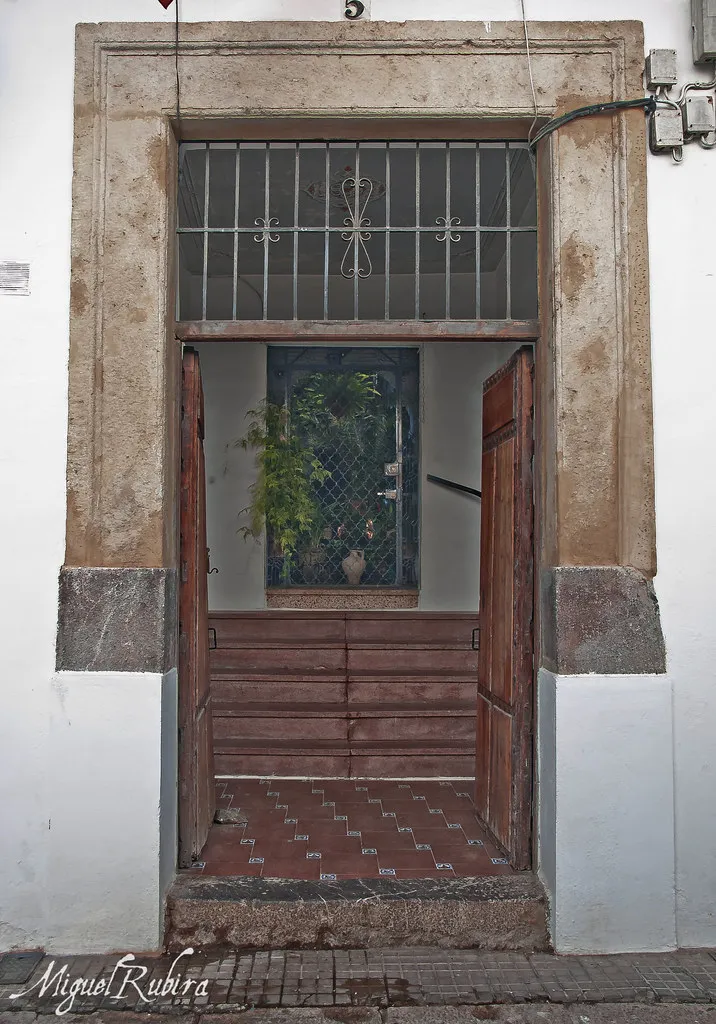
In total, 52 courtyards compete in 2026, with 11 additional spaces open "fuera de concurso" (outside the competition). The four competition categories are Ancient Architecture, Modern Architecture, Singular Courtyards, and the new Conventual category. Winning patios in each category receive a special distinction and public recognition from the city council.
Parallel programming also continues alongside the courtyard visits. Expect photography competitions, floral workshops, and evening concerts held in the plazas near the main routes. The festive atmosphere extends well beyond the courtyard gates themselves.
A Guide to the Five Festival Routes
The city organizes the competition courtyards into five distinct walking routes across the historic center and the eastern Axerquía neighborhood. The Official Tourism Board publishes a PDF route map each year that is worth downloading before you arrive. Each route covers a different neighborhood and takes roughly 45 to 60 minutes to walk at a relaxed pace.
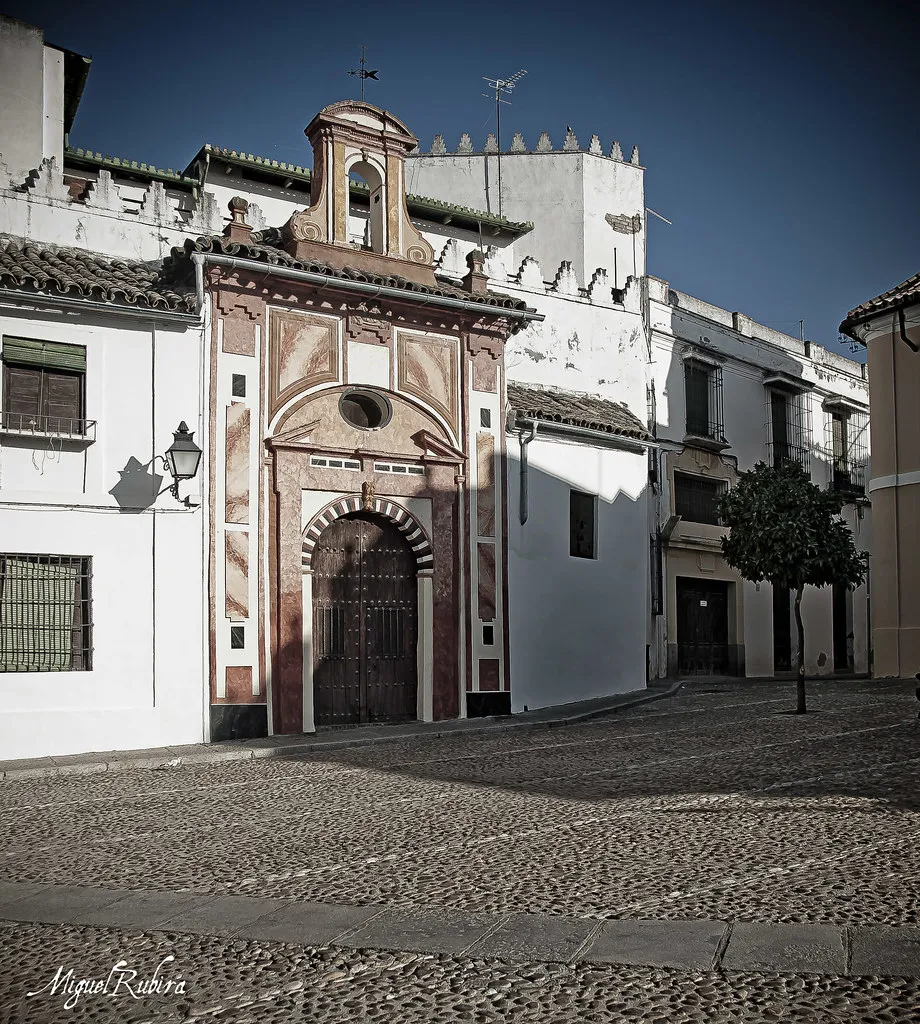
The San Basilio route (also called Alcázar Viejo) is the most famous and the most crowded. It runs alongside the Royal Alcázar and the Guadalquivir River. Calle San Basilio itself has seven competition patios, and a few more are nearby in Calle Duartas and Calle Postrera. Note that some private year-round patios in this area charge a small entry fee of around €6 — these are separate from the free competition patios.
The San Pedro–Santiago route is worth prioritizing for photography. Calle Tinte, 9 is a repeat prize-winner in the Ancient Architecture category, famous for its rainbow of densely-packed flower pots. Agustín Moreno, 43 — built on the site of former stables — is another multi-prize patio with a calming green-and-white color scheme.
The Santa Marina–San Agustín route passes near the Palacio de Viana, a stately home open year-round with twelve of its own courtyards. The Palacio de Orive on this route is also worth a stop, displaying award-winning botanical specimens from the Royal Botanical Gardens in 2026. The Judería–San Francisco route winds through the Jewish Quarter past the Mosque-Cathedral. It is the most tourist-heavy route and patios here have the longest queues. The San Lorenzo route, furthest east in the Axerquía, is consistently the quietest, with charming streets and the least foot traffic — a good choice if you want to avoid the crowds.
Best Patios to Visit — and Which Routes Work for Every Visitor
If you have limited time, prioritize these specific addresses. Calle Duartas, 2 (San Basilio) stands out for its unusual emphasis on herbs and scented plants — the fragrance is extraordinary. Calle San Basilio, 44 is the headquarters of the Friends of the Patios organization and preserves features of traditional multi-family housing including an outdoor kitchen, a washboard, and a rainwater well. Calle Tinte, 9 (San Pedro–Santiago) consistently wins first prize for the sheer density and color of its flower pots. Calle Marroquíes, 6 (Santa Marina) is one of the most awarded patios in the entire competition, notable for its canopy of flowering bougainvillea.
For the quietest experience overall, start the morning session at 11:00 on the San Lorenzo route. It is the route farthest from the tourist center and consistently has the shortest queues. Calle Frailes, 6 — called Patio Vesubio — is a 400-year-old restored building with distinctive blue-painted walls reminiscent of Chefchaouen.
On the question of accessibility: the San Lorenzo route is the best option for visitors with strollers or mobility limitations. Its streets are somewhat wider and less congested than the Judería's narrow medieval lanes. The Judería–San Francisco route has the tightest alleys and the heaviest foot traffic, making it the most physically challenging in a crowd. Visitors using wheelchairs should note that virtually all historic patios have uneven tiled or cobbled floors inside the courtyard itself — but the outdoor approach to San Lorenzo patios is generally manageable.
Visiting on a Day Trip: Logistics and Getting There
A day trip to the Patios Festival is entirely feasible from Seville (roughly 45 minutes by AVE) or Malaga (around 1 hour by train). From Madrid the journey takes about 1 hour 45 minutes. Arriving by train is strongly recommended during festival dates — the historic center is dense and parking is severely limited.
If you are driving, do not attempt to park inside the historic center. The streets are very narrow and parking buildings fill up quickly. The shopping mall Centro Comercial El Arcángel offers free parking for the first three hours if you make a purchase there. From the mall it is under ten minutes on foot to the nearest competition patio at Calle Tinte, 9 on the San Pedro–Santiago route. The parking area near Calle Tinte itself is another option, but spaces go early on weekends.
For a day-trip focused itinerary, concentrate on one or two routes rather than trying to cover all five. San Basilio is a natural starting point if you arrive from the train station by taxi. San Pedro–Santiago is a better choice if you park at El Arcángel. Combine one route in the morning session (11:00–14:00), have lunch in the city center, and then do a second route in the evening session (18:00 onward).
What Else to Do During the Courtyard Festival
The Mosque-Cathedral of Cordoba (Mezquita) is the city's defining monument and a short walk from the Judería route patios. Built as a mosque in the 8th century and converted to a cathedral in the 13th, it is one of the most extraordinary religious buildings in Europe. Buy tickets online in advance for May — entry lines get long during festival week.
The Roman Bridge, crossing the Guadalquivir River near San Basilio, dates from the 1st century BC and offers one of the best viewpoints of the Mezquita. The Calahorra Tower at the bridge's southern end houses a museum on the history of al-Andalus. The Arab Baths (Baños Árabes), built in the 10th century, are among the best-preserved in Europe and make a worthwhile detour near the Judería.
Check the spain festival calendar for Cordoba's parallel events during festival week. Evening concerts are typically held in the plazas adjacent to the patio routes — these are free and draw local crowds. The Cosmopoetica poetry festival runs in late October if you are considering an autumn visit instead.
Visiting the Patios Year-Round
If you cannot make the May dates, the Palacio de Viana is the best substitute. It features twelve distinct courtyards that are open every month of the year, maintained by garden staff who ensure something is always in bloom. Entry costs around €10 for the courtyard tour. It is popularly called the "museum of courtyards" and offers the widest historical representation of the patio tradition in Cordoba.
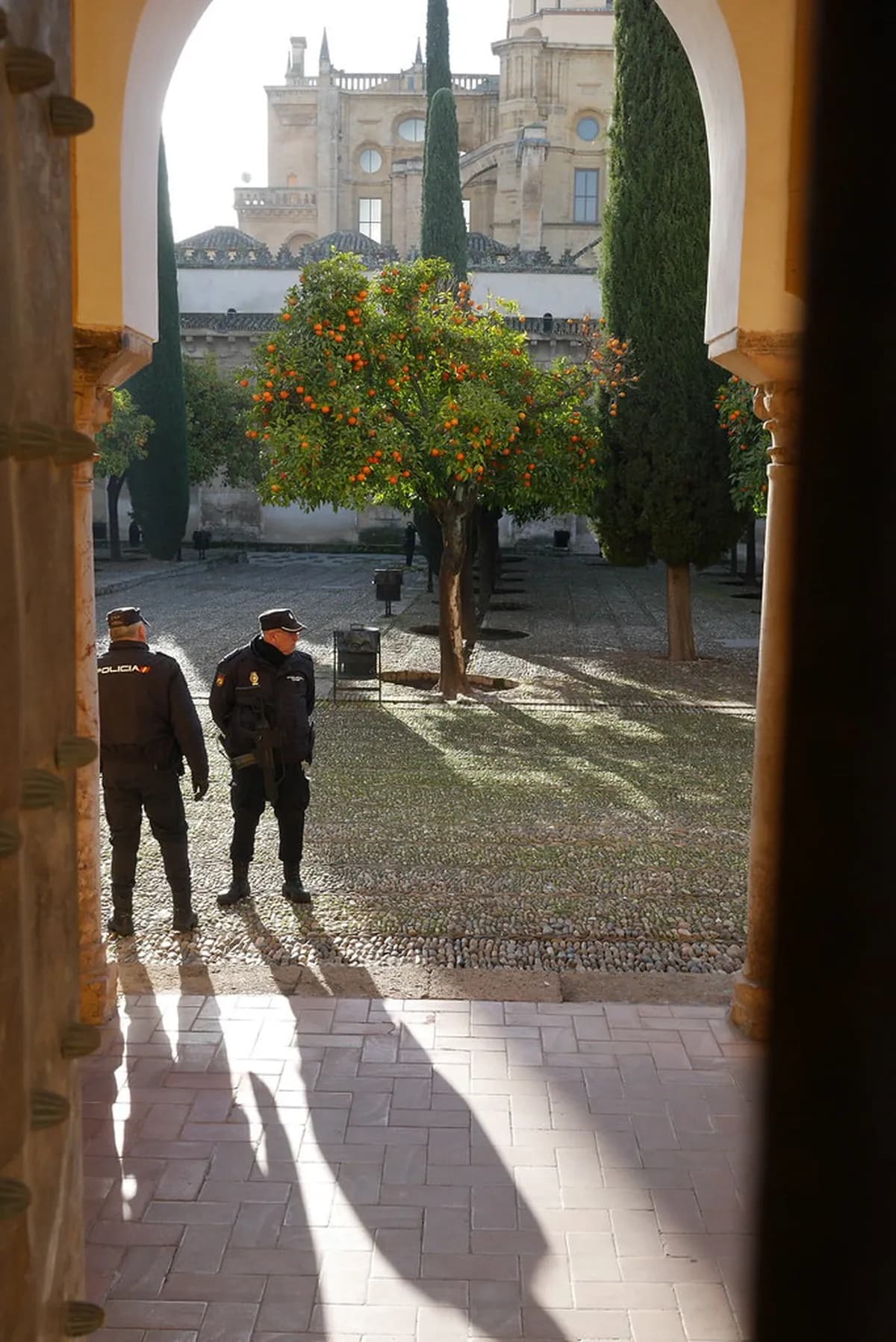
The Interpretation Centre of the Courtyards at Casa Trueque (also known as Carmela's Courtyard) is another free year-round option. It is an emblematic courtyard house with white walls, latticed windows, and a Moorish-inspired well. The Patio de los Naranjos inside the Mosque-Cathedral complex is also free to enter and accessible year-round through the ticketing area.
Outside of May, the competition patios return to being private family homes. Their gates are closed and you cannot enter. The best months for a non-festival visit are late September and October: temperatures drop to 20–25°C / 68–77°F, accommodation prices fall sharply, and the city's monuments are far less crowded. You can still find you where to stay for Patios de Cordoba at better rates in the shoulder season.
Frequently Asked Questions
What are the dates for the Patios de Cordoba 2026?
The 2026 festival runs from May 4 to May 17. These dates are confirmed by the local tourism board for the annual competition. Most visitors aim for the middle of this two-week window.
Do you need tickets to see the patios in Cordoba?
Entrance to the official competition patios is free for all visitors. However, some private year-round patios in San Basilio may charge a small fee. You do not need to book the free patios in advance.
What time do the Cordoba patios open?
The patios typically open from 11:00 to 14:00 and 18:00 to 22:00. On the final Sunday, they close slightly earlier at 20:30. Always check the official daily schedule for any last-minute changes.
Related: festivals and events in Cordoba.
Visiting during the Patios de Cordoba dates is a unique experience. The city comes alive with color, scent, and local pride. Planning your visit for early May ensures you see the best blooms. Check the best fiestas in Spain for more travel inspiration.
Remember to respect the residents who open their homes to you. Cordoba offers a rare glimpse into a living architectural tradition. Enjoy the beauty of the courtyards and the warmth of Andalusia.
Free guide: Europe's Festival Calendar
A month-by-month map of Europe's unmissable festivals — with the best dates to visit each and a local tip you won't find in the guidebooks.
You might also like


Continue reading
More guides you'll find useful