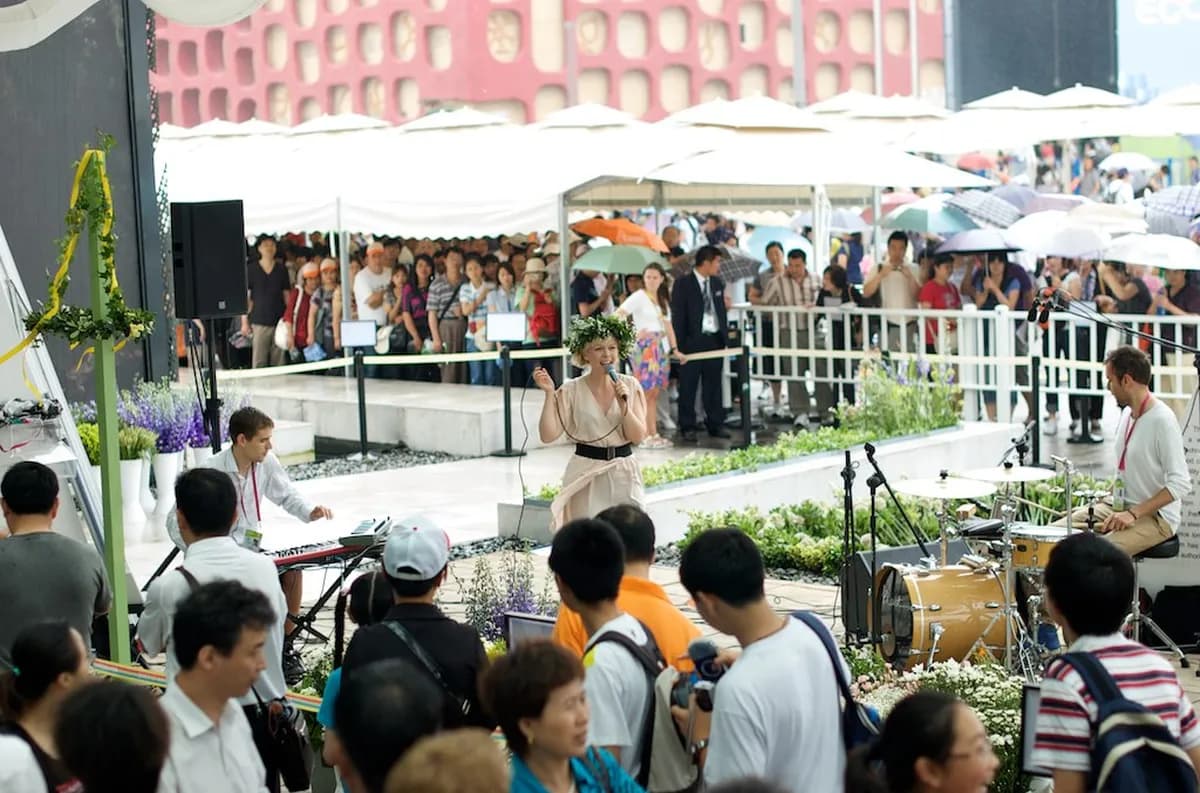
10 Ways to Experience Finnish Juhannus Midsummer
Learn how to experience Finnish Juhannus Midsummer like a local. From lakeside cottages to Helsinki bonfires, here are 10 ways to celebrate the 2026 summer solstice.
On this page
10 Ways to Experience Finnish Juhannus Midsummer
Last updated June 2026. Juhannus is Finland's main national holiday and a celebration of light. The summer solstice brings the nightless night to the entire country. Understanding how to experience Finnish Juhannus Midsummer requires a mix of planning and spontaneity.
Most Finns head to rural cottages for a quiet lakeside retreat. Helsinki becomes remarkably quiet as the urban population disappears. You can find traditional bonfires and folk dances at specific city sites. This guide covers everything from ancient spells to modern logistics.
Free guide: Europe's Festival Calendar
A month-by-month map of Europe's unmissable festivals — with the best dates to visit each and a local tip you won't find in the guidebooks.
What is Juhannus? (The Origins of Midsummer)
The history of Juhannus dates back to ancient pagan times. Originally, the festival honored Ukko, the Finnish god of weather and harvest. Loud celebrations were believed to ensure a successful farming season and drive away evil spirits. Bonfires were lit at the water's edge to keep malevolent forces at bay during the solstice.
Christianity later rebranded the holiday to celebrate John the Baptist. The name Juhannus is a Finnish form of Johannes, his name in Finnish. Today, the religious aspect is secondary to the celebration of summer nature. Most people focus on the light, the lake, and time with family.
More than half a million summer cottages exist in Finland for a country of only 5.5 million people. That statistic tells you everything about the national instinct at Midsummer. The cottage — or mökki — is not just accommodation; it is a cultural institution that defines how Finns experience the solstice.
When to Go: Timing the Summer Solstice
Midsummer in Finland is always celebrated on the Saturday between 20 and 26 June. In 2026, Midsummer Eve falls on Friday, 19 June and Midsummer Day on Saturday, 20 June. These two days are the core of the celebration, with Eve being the main party night and Day being for quiet recovery. Book travel and accommodation well before January — popular lakeside cottages sell out months in advance.
The practical planning window is critical. Finnish grocery stores and Alko liquor shops typically close by 13:00 on Midsummer Eve. Complete all shopping by Friday morning at the latest. Public transport operates on a severely reduced Sunday schedule on both days, so check the HSL app before you move.
If you are flying in, arriving on Thursday gives you a full day to buy supplies and travel to your chosen destination. Direct trains from Helsinki to Tampere and beyond run roughly every hour until midday on Friday, then taper off sharply. Regional train tickets cost around €30–60 / ~$33–65 each way. Leaving the city on Thursday evening avoids the heaviest highway traffic entirely.
Midnight Sun and the "Nightless Night"
Finland's greatest Midsummer spectacle costs nothing to witness. In Lapland, the sun does not set for several weeks around the solstice. In Helsinki, sunset on Midsummer Eve is around 23:00 and the sky never fully darkens — a deep twilight lingers until sunrise just after 03:00. This endless amber light transforms ordinary lakeshores into something surreal.
The Finnish phrase "yötön yö" — the nightless night — captures the disorienting magic of the experience. Time loses meaning. Bonfires burn at midnight with the same amber glow as at 21:00. Birdsong continues without pause. First-time visitors often feel an eerie and wonderful suspension of normal rhythms that is impossible to replicate outside the Nordic summer.
For the best experience of the midnight sun, get away from city light pollution. A lake in Lakeland or any rural shoreline will give you an unobstructed view of the low horizon glow. Bring a blanket and a thermos — even in late June, Finnish nights by the water hover around 12–15°C / 54–59°F.
Essential Traditions: Bonfires, Saunas, and Birch
The kokko bonfire is the visual centerpiece of the holiday. Large piles of wood are stacked on rafts or stone piers at the water's edge. Lighting usually happens late in the evening on Friday. The smoke is said to carry good luck for the year ahead and the crackling fire keeps the spirit of the celebration alive through the bright night.
Sauna is the most sacred part of Midsummer. Almost every Finn spends hours in the steam on Eve. The essential tool is the vihta or vasta — a bundle of fresh birch branches — used to gently beat circulation into the skin and fill the steam room with a clean forest scent. Cooling off with a lake swim immediately after is not optional; it is mandatory in Finnish custom.
Birch goes beyond the sauna. A tradition called juhannuskoivu involves cutting birch branches and hanging them on the sides of the front door. Originally a protection against spirits, today it is simply a way of decorating the home with the tree that symbolises Finnish summer best. If you are renting a cottage, you will often find branches already in place when you arrive.
Folklore and Magic: Casting Midsummer Spells
Midsummer is considered a uniquely potent time for magic in Finnish tradition, and most of the rituals center on finding love. The most famous spell involves a young woman picking seven different wildflowers from a field — without speaking a single word — and placing them under her pillow before sleep. She should then see the face of her future partner in her dreams. Boys are equally welcome to try.
In Finnish meadows and forest edges around Midsummer, you can find the right wildflowers under Everyman's Rights, which allows anyone to pick common plants freely from public and private land. Good candidates include common buttercup (leinikkejä), ox-eye daisy (päivänkakkara), clover (apila), yarrow (siankärsämö), and speedwell (veronika). Seven species is the traditional number; pick a variety of colours for good measure.
Other spells remain in circulation. Peering into a well at midnight — while naked, tradition insists — is supposed to reveal the face of your future spouse in the water's reflection. Green fern is said to bloom only at Midsummer night, and finding it is a sign of exceptional luck in love. Whether or not you believe in the magic, performing these rituals adds a playful and memorable layer to any cottage evening.
Flower crowns are a visible extension of the same tradition. Making and wearing a crown of fresh wildflowers was originally meant to attract love and good fortune, with the maker remaining silent throughout the process. Today, most Finns wear them simply because they are beautiful — and easy to make from the same wildflowers you gather for your pillow spell.
The Mökki Experience: Lakeside Traditions
The typical Juhannus for Finns revolves around the mökki, the Finnish summer cottage. Life at the cottage is deliberately slow: wood-chopping, fishing from the dock, rowing at dusk, long sauna sessions. You can access this experience as a visitor by renting a cabin through platforms like Mökkiavain or Nettimökki. Prices vary from around €150 to €500 / ~$163–543 per night depending on size and lake proximity.
Lakeland Finland, the region of lakes between Tampere and Joensuu, is the heart of the mökki experience. The area holds thousands of lakes and an atmosphere that perfectly matches the spirit of Juhannus. Himos Midsummer in Jämsä is the largest festival event in the region, aimed at younger crowds seeking camping and live music. Multi-day festival tickets range from €120 to €200 / ~$130–217. Smaller village dances — juhannustanssit — held at local community halls are free or cost a few euros and offer a more authentic local alternative.
Everyman's Rights (jokamiehenoikeus) give visitors full legal access to forests, lakes, and meadows without permission from landowners. You can swim in any lake, pick wildflowers, and roam freely as long as you respect residents' privacy and leave no trace. This right is the foundation of the cottage lifestyle and the reason Finns feel comfortable disappearing into nature every Midsummer weekend.
City Celebrations: Juhannus in Helsinki 2026
Helsinki transforms into a quiet ghost town as locals flee to cottages. But the city is far from dead for visitors. The most famous event is the Juhannusvalkeat bonfire at Seurasaari open-air museum island. It features traditional folk dances, live music, and a large ceremonial bonfire over the water. Entry costs around €25 / ~$27 per person and covers all island activities. Arrive before 20:00 to secure a good viewing spot along the shore.
For a sea-view experience, Strömma operates Midsummer cruises departing from the Market Square. Three-hour tours cost approximately €35–50 / ~$38–54 per person and pass dozens of private bonfires burning along the rocky archipelago coastline. The We Love Helsinki Juhannustanssit nights at Kaiku and Kuudes Linja offer a more urban dance-party option — tickets are sold via Tiketti and often sell out a week before the event.
The ghost-town effect also has a silver lining. Senate Square, Suomenlinna Sea Fortress, Korkeasaari zoo, and Linnanmäki amusement park all operate with minimal queues over the Midsummer weekend. A few hotel restaurants and the modern saunas at Löyly and Allas Sea Pool remain open throughout. Check the Official Helsinki Event Portal for current opening hours, as schedules change year to year.
Food and Drink: Typical Juhannus Feasts
The Juhannus table is built around the grill and the lake. Grilled sausages (makkara) are the most iconic Midsummer food, cooked over an open fire or the bonfire's embers. New potatoes with dill and butter — uudet perunat — are an essential side dish that only appears briefly each summer. Fresh pike-perch (kuha) grilled whole on the dock is the more elaborate version of the same idea.
Strawberries mark the beginning of Finnish summer and appear at every Midsummer spread. A bowl of local strawberries with cream is the standard dessert. Cold beer and lonkero — a Finnish long drink made with gin and grapefruit soda — are the traditional drinks. Alko closes early on Friday, so if you want a specific bottle of wine or spirits, buy it before the holiday rush on Thursday afternoon.
For visitors without a cottage, some Helsinki markets and food halls maintain limited hours over the weekend. The Old Market Hall (Vanha Kauppahalli) near the harbor is worth checking, as several vendors stay open for tourists. Budget around €40–80 / ~$43–87 per person for a full Midsummer food shop including drinks and grill supplies.
Practical Tips for the National Holiday
Logistics require preparation that most European long weekends do not demand. Most grocery stores and Alko close by 13:00 on Midsummer Eve and stay shut on Saturday. Convenience stores like R-kioski or some ABC stations may operate with reduced hours, but their stock is limited and prices are higher. Plan your food and drink shopping for Thursday or early Friday morning. A few hotel restaurants stay open for international guests throughout the weekend.
Mosquitoes are a serious practical concern for any lakeside celebration. They peak around dusk and dawn near still water. Buy DEET-based repellent at a Finnish pharmacy before the holiday starts — stock sells out quickly at lakeside village shops. Light-coloured, long-sleeved clothing reduces bites noticeably. Keep a small bottle in your jacket pocket for the bonfire hours.
Water safety is taken seriously by Finnish authorities during Juhannus. Alcohol-related drowning incidents spike every year on this weekend. Always wear a life jacket on any boat, avoid swimming alone at night, and never mix alcohol with watercraft. Local rescue services and police increase patrols on the lakes and along coastlines throughout the holiday period.
- What to bring for Midsummer:
- DEET mosquito repellent — buy it before Thursday, not at the cottage village.
- Fresh birch branches for the sauna vihta, available at markets for around €5 / ~$6.
- Seven different wildflowers for the pillow spell, gathered free under Everyman's Rights.
- Waterproof rain gear — Finnish summer weather changes without notice.
- Offline maps downloaded in advance for remote cottage areas with poor signal.
- Small cash for village festival entry fees and local market stalls.
Frequently Asked Questions
How to celebrate Juhannus in Finland as a tourist?
The easiest way is to attend the Seurasaari Open-Air Museum festivities in Helsinki. You will see bonfires, folk dances, and traditional crafts. Alternatively, rent a cottage in Lakeland for a quiet experience.
Are shops open during Midsummer in Finland?
Most shops close by 1:00 PM on Midsummer Eve and remain closed on Saturday. Some smaller convenience stores might have limited hours. Always buy your food and drinks by Friday morning.
What is the best place to see Midsummer bonfires in Helsinki?
Seurasaari is the most famous location for public bonfires in the city. You can also see many smaller fires from a Midsummer cruise. Pihlajasaari island is another popular spot for local celebrations.
Experiencing Juhannus is essential for understanding the Finnish soul and culture. Whether you choose a quiet cottage or a city bonfire, the light is magical. Respect the local traditions and prepare for the quiet 'ghost town' effect. You might also enjoy reading about how to experience Swedish Midsummer for a comparison.
Planning ahead ensures you have the food and transport you need. The nightless night is a memory that will stay with you forever. Enjoy the sauna, the lake, and the endless glow of the Finnish summer.
Free guide: Europe's Festival Calendar
A month-by-month map of Europe's unmissable festivals — with the best dates to visit each and a local tip you won't find in the guidebooks.
You might also like


Continue reading
More guides you'll find useful