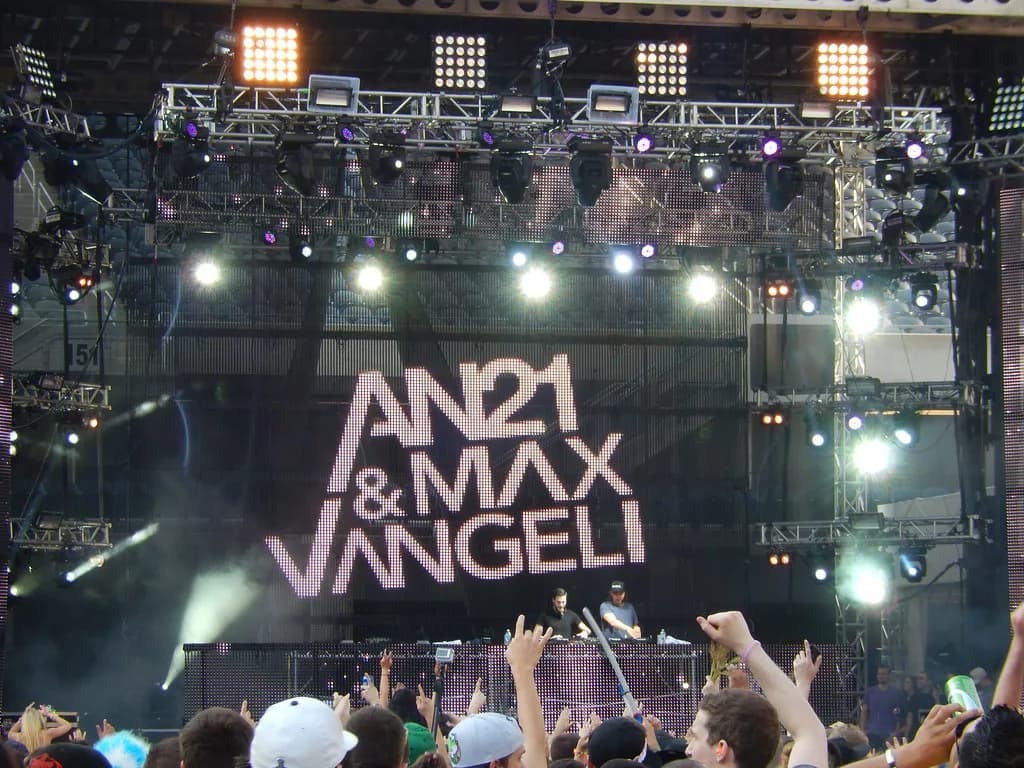
Tomorrowland vs Primavera Sound: Which to Choose
Tomorrowland vs Primavera Sound compared on cost, genre, vibe, and logistics. Find out which European music festival suits your style in 2026.
On this page
Tomorrowland vs Primavera Sound: An Honest Comparison
Two festivals dominate the European summer music conversation every year. Tomorrowland draws EDM devotees to Boom, Belgium, with theatrical stages and Sunrise Sets. Primavera Sound fills Parc del Fòrum in Barcelona with an eclectic mix of indie, rock, electronic, and pop. Last updated May 2026.
Choosing between them is not just about music taste — it is about your travel style, budget, and how hard you want to work for a ticket. Tomorrowland 2026 tickets in Belgium reportedly sold out in under 30 minutes during pre-sale, while Primavera is easier to access but still books up months ahead. Both festivals run on Spanish and Belgian time, meaning headliners hit the stage late and the energy keeps going until dawn.
Our take: if you are short on time or visiting Europe for the first time, Primavera Sound offers more genre variety, a city base, and an easier logistical lift. Read on for the full breakdown so you can decide which festival suits you best.
Free guide: Europe's Festival Calendar
A month-by-month map of Europe's unmissable festivals — with the best dates to visit each and a local tip you won't find in the guidebooks.
Tomorrowland vs Primavera Sound: Quick Pick
The two festivals share a peak-summer window but almost nothing else. Tomorrowland is a fully immersive EDM world built on a converted nature reserve in Boom, with themed stages, DreamVille camping, and productions that cost more than most films. Primavera Sound is an urban coastal festival where you stay in an Airbnb, explore Barcelona by day, and catch The Cure or Gorillaz by the sea at night.
The decision often comes down to one question: do you want a self-contained festival universe, or do you want a festival woven into a world-class city? Our European festivals guide covers the broader landscape, but these two are the clearest head-to-head in Europe.
- Quick decision: pick the right festival
- Pick Tomorrowland for pure EDM and immersive production
- Pick Primavera Sound for genre variety and city comfort
- Pick Tomorrowland if camping is part of the appeal
- Pick Primavera Sound if you want Barcelona as a base
- Pick Tomorrowland for a bucket-list production experience
| Festival | Location | Genre focus | Ticket from | Time needed | Camping | Best for | Distinguishing trait |
|---|---|---|---|---|---|---|---|
| Tomorrowland | Boom, Belgium | EDM / Electronic | €381 (3-day + camping) | 3–4 days on-site | Yes (DreamVille) | EDM fans, production lovers | Immersive world |
| Primavera Sound | Barcelona, Spain | Indie, rock, electronic, pop | €265 (3-day, no camping) | 3–5 days incl. city | No (city festival) | Eclectic taste, city explorers | Coastal urban party |
Pick Tomorrowland If
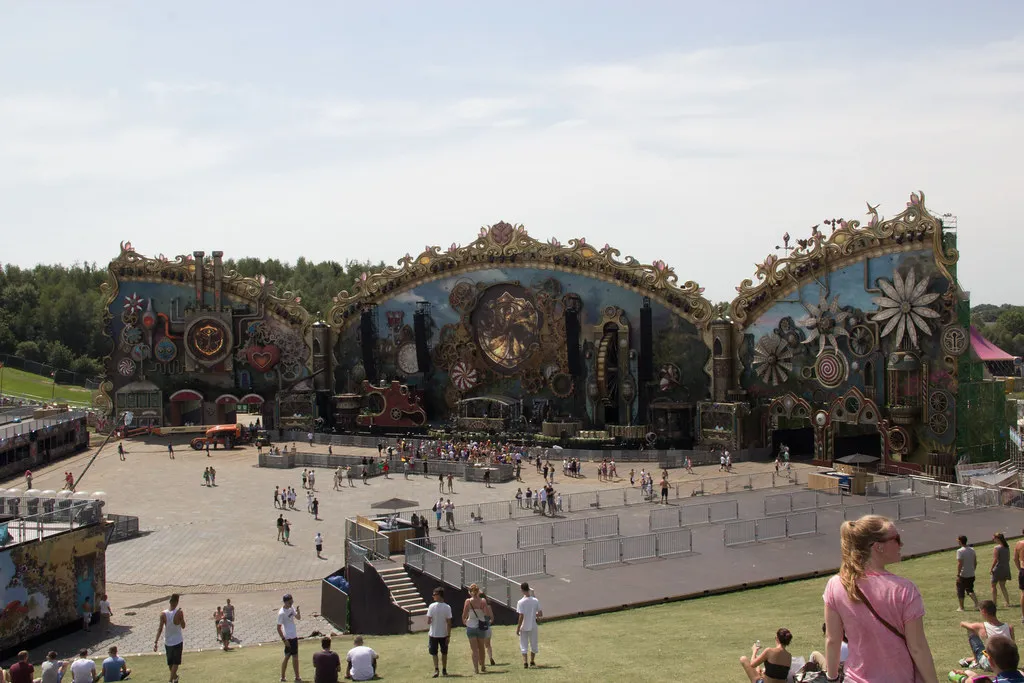
Tomorrowland 2026 runs under the theme 'Consciencia,' built around six primal emotions including Wonder, Joy, and Desire. Each stage is designed to shift in mood and visual identity, making navigation feel like moving between chapters of a story. The production scale is unmatched in Europe — more than 16 stages spread across De Schorre nature reserve in Boom, Belgium.
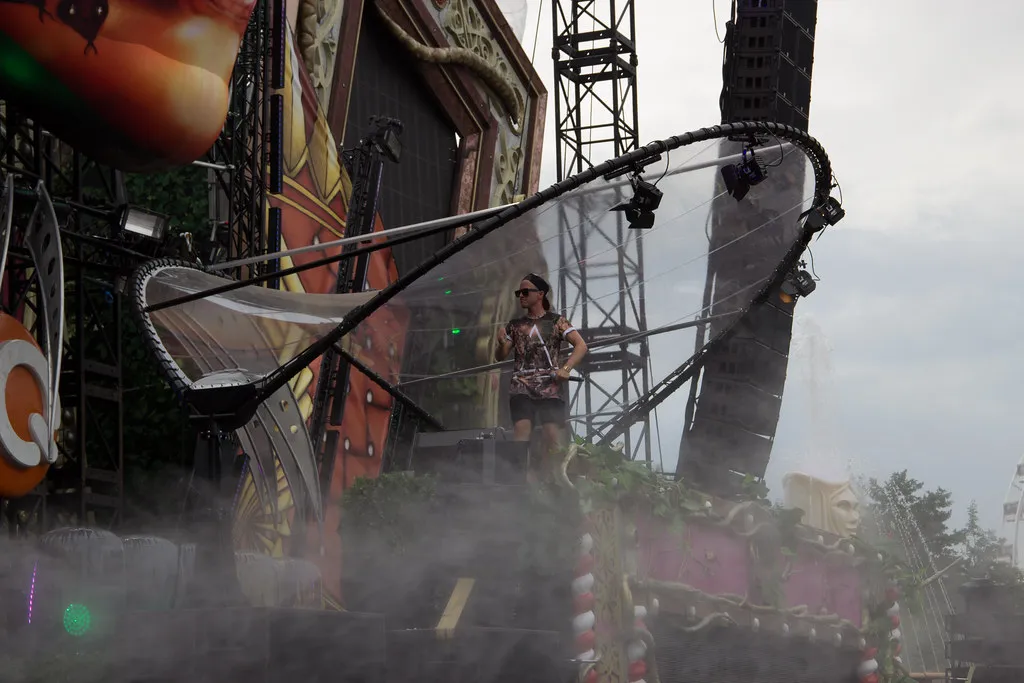
DreamVille, the on-site camping village, adds a full resort dimension to the experience. Pre-pitched accommodation, themed areas, and communal kitchens mean you can live inside the festival world for the full weekend without leaving. For the deepest Tomorrowland experience, most festivalgoers recommend booking the camping early because DreamVille options sell out separately from tickets.
The 2026 Belgium dates are July 17–19 and July 24–26, giving dedicated fans the option of attending both weekends. If Belgian tickets are gone, Tomorrowland also runs events in Thailand in December 2026 and Brasil in April 2027. Check the Glastonbury vs Roskilde comparison if you want a non-EDM European alternative at a similar scale.
- Pick Tomorrowland if you…
- Love EDM, house, or techno above all other genres
- Want a fully immersive production with themed stages
- Are comfortable camping or want the DreamVille resort experience
- Can secure tickets well in advance — they sell out in minutes
- Want to see a single definitive EDM lineup under one roof
Pick Primavera Sound If
Primavera Sound 2026 runs June 3–7 at Parc del Fòrum, a futuristic waterfront plaza on the Mediterranean coast of Barcelona. The lineup for 2026 includes The Cure, Doja Cat, Massive Attack, The xx, and Gorillaz — a genre spread that no pure EDM festival can match. Headliners run on Spanish time, with main acts starting late and electronic sets continuing until sunrise over the ocean.
Because there is no camping, your hotel or apartment becomes your base and Barcelona becomes your playground. The city's food scene, beaches, and architecture fill every hour before the gates open, which gives Primavera a relaxed daytime rhythm that Tomorrowland cannot replicate. Primavera also runs 'A La Ciutat' — a series of shows in smaller Barcelona venues in the days surrounding the main festival, which lets ticket holders catch additional acts in intimate club settings.
A three-day ticket starts at around €265 with no camping cost to add on top. That price difference versus Tomorrowland's €381 base (which includes camping) is smaller than it looks when you factor in the city accommodation you would pay regardless. Our Venice vs Nice Carnival comparison covers another Europe city-festival decision if you are building a broader itinerary.
- Pick Primavera Sound if you…
- Enjoy indie, rock, pop, and electronic in equal measure
- Want Barcelona as a city base between festival days
- Prefer a hotel or apartment over festival camping
- Like smaller bonus shows in local venues before and after
- Are travelling with someone who is not a dedicated EDM fan
How Do the Costs Compare?
Tomorrowland's three-day ticket with camping starts at €381, based on figures from recent editions reported by insure4music.co.uk. That price covers your accommodation for the weekend, which makes the apparent gap with Primavera's €265 ticket narrower once you add Barcelona hotel costs. Both festivals sit in the mid-to-high tier of European festival pricing — cheaper than a multi-city Christmas market trip when you account for shared accommodation.
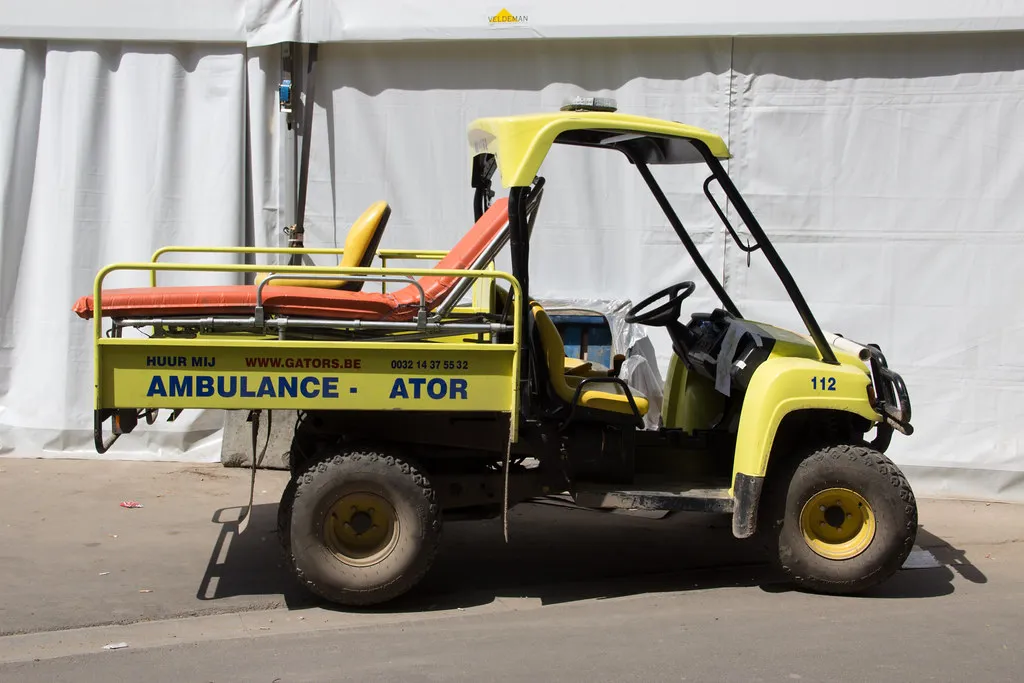
The hidden variable is the city trip that wraps around each festival. Primavera attenders typically spend 5–7 days in Barcelona, adding hotel and food costs that Tomorrowland's DreamVille model eliminates. Tomorrowland's Global Journey packages — which bundle flights, transfers, and camping — cost significantly more but are sometimes the only way to secure a spot when general admission is gone.
Budget-minded festivalgoers often find Primavera the easier entry point because flights into Barcelona El Prat are frequent and the city has abundant accommodation at every price tier. Attending major festivals like these can easily exceed €1,500 total when flights and accommodation are included, per hotelgift.com's 2026 festival guide. Plan flights at least six months out, since prices spike sharply once lineups are announced.
How to Get Tickets for Tomorrowland and Primavera Sound
Tomorrowland ticket registration typically opens in December the year before, with the main sale happening in January or February. The 2024 pre-sale sold out in under 27 minutes. If you miss general admission, the Global Journey travel packages — which bundle flights, ground transfers, and DreamVille camping — become the practical fallback. They cost more but are sold through a separate allocation and stay available longer than standalone tickets.
Primavera Sound tickets go on sale in phases, with early bird passes selling out several months before the June dates. Three-day passes at the lowest tier (around €265 in recent editions) disappear first; full-festival passes with access to all stages follow. Unlike Tomorrowland, Primavera does not require camping registration as a separate step, which simplifies the purchase process significantly.
One practical note on age: Tomorrowland Belgium is strictly 18+, and you will need to show a physical ID or passport when exchanging your digital ticket for a wristband on arrival. Primavera Sound is effectively all-ages for the general festival site, making it the more practical option for groups that include people under 18. If you are traveling from outside Europe, note that by 2026 the ETIAS (European Travel Information and Authorisation System) is fully operational — US, Canadian, and Australian visitors need to apply online before departing for both Spain and Belgium. The application is quick and valid for three years, but you cannot board your flight without it.
- Ticket-securing checklist
- Register for Tomorrowland's pre-sale in December — set a calendar reminder
- If Belgium sells out, check Global Journey packages before the secondary market
- Buy Primavera Sound early-bird passes the day they go on sale in autumn
- Bring your physical passport to exchange digital tickets for wristbands at both festivals
- Apply for ETIAS before flying to Spain or Belgium if you are a non-EU passport holder
Which Is Bigger: Tomorrowland or Primavera?
By attendance, Tomorrowland is one of the largest festivals in Europe. More than 600,000 people attended the 2022 edition across its two weekends in Boom, according to insure4music.co.uk. The festival spans 16 stages and includes a full marketplace, multiple food villages, and the DreamVille camping resort — effectively a temporary city.
Primavera Sound is smaller by capacity but impressive in its own right. Parc del Fòrum is a large waterfront site, and the festival has expanded year over year since its founding in 2001. The broader Primavera ecosystem now includes festivals in Madrid, Porto, São Paulo, Buenos Aires, and several Latin American cities, making it one of the most internationally distributed festival brands in the world.
For sheer spectacle and scale under one roof, Tomorrowland wins. For cultural reach and genre breadth, Primavera Sound is the more globally ambitious operation. Neither is a niche event — both require booking 6–12 months in advance to have any chance of attending.
How These Two Festivals Compare to the Rest of Europe
Europe's summer festival calendar runs deep. If Tomorrowland sells out and you cannot face the Global Journey premium, Bilbao BBK Live (July 9–11, 2026 on Mount Kobetamendi in Spain) covers indie and electronic with a jaw-dropping Basque Country backdrop — 2026 is its 20th anniversary. Tickets are meaningfully cheaper and harder to sell out within minutes of going on sale.
Further afield, Roskilde in Denmark (late June, 2400 DKK / approx. £275 for eight days including camping) is the closest rival to Primavera's genre range, but at roughly double the duration and with a non-profit structure that has raised nearly £50 million for charity since 1972. Sziget in Budapest runs across 60 stages for six days in August, with three-day passes from €199 (£170) plus €21 per night camping — giving it one of the best cost-per-day ratios in Europe. Dekmantel in Amsterdam (July 29 – August 2, 2026) is the specialist pick if underground house and techno are your primary interest, with a smaller capacity and audiophile-grade sound design that neither Tomorrowland nor Primavera attempts to match.
NOS Alive in Lisbon runs in July across seven stages and starts at €190 for a three-day pass — a strong budget alternative with a similar coastal-city feel to Primavera. Exit Festival in Novi Sad, Serbia (four days from €109 plus €40 camping) is the most affordable major European festival on the calendar and one of the few where last-minute tickets are realistically available. Wacken Open Air (€333 including camping, near Hamburg) owns the heavy metal space entirely. Choosing between Tomorrowland and Primavera Sound is really a decision between two high-end experiences; the wider European calendar has options at nearly every price point below them.
The Bottom Line
In our view, Primavera Sound is the better first-time pick for most European festival-goers. The genre diversity means a group with mixed tastes can all find something to love, the city base is genuinely enjoyable outside festival hours, and the ticket logistics are more forgiving. Tomorrowland is the right choice if EDM is your primary language and you want the most ambitious production in European festival history — but you need to set ticket alarms months in advance.
If your schedule and budget allow, do both in the same summer — Primavera runs in early June and Tomorrowland runs in late July, giving a natural pairing for a festival-focused Europe trip. For more festival matchups across the continent, see our guide to comparing European festivals.
Frequently Asked Questions
Is Tomorrowland bigger than Primavera Sound?
Yes, by attendance. Tomorrowland drew over 600,000 people across its two 2022 weekends in Boom, Belgium, spread across 16 stages. Primavera Sound is smaller in headcount but comparable in cultural impact, with a globally distributed brand spanning Europe and Latin America.
Which festival has better music: Tomorrowland or Primavera Sound?
It depends entirely on your taste. Tomorrowland focuses on EDM, house, and techno with top names like David Guetta, Calvin Harris, and Martin Garrix. Primavera Sound spans indie, rock, electronic, pop, and jazz — the 2026 lineup includes The Cure, Doja Cat, Massive Attack, and Gorillaz.
How much does a Tomorrowland ticket cost compared to Primavera Sound?
Tomorrowland's three-day ticket with camping starts at around €381. Primavera Sound's three-day ticket starts at approximately €265, with no camping option due to its city location. Both prices exclude flights and accommodation outside the festival site.
Do I need to camp at Tomorrowland or Primavera Sound?
Camping is optional at Tomorrowland — DreamVille is the on-site resort, but you can stay in hotels nearby. Primavera Sound has no on-site camping because it is held at a city waterfront venue. Most Primavera attendees stay in Barcelona hotels or apartments.
Is Primavera Sound a big festival?
Yes. Primavera Sound is one of the most respected music festivals in Europe, drawing tens of thousands of attendees to Barcelona each June. It also runs editions in Madrid, Porto, and multiple Latin American cities, making it a globally significant festival brand.
Visiting Europe for more than one festival? See our complete guide to festivals and events in Europe.
Tomorrowland and Primavera Sound represent two distinct visions of what a European music festival can be. One builds a temporary world of its own; the other borrows one of Europe's best cities as its backdrop. Both are worth experiencing at least once — and fortunately, their dates in 2026 make it possible to attend both in a single summer trip.
For help planning the rest of your European festival calendar, our full European festival comparison guide covers the key decisions by season, budget, and genre.
Free guide: Europe's Festival Calendar
A month-by-month map of Europe's unmissable festivals — with the best dates to visit each and a local tip you won't find in the guidebooks.
You might also like


Continue reading
More guides you'll find useful