Munster Christmas Market Guide: 9 Essential Tips for 2026
Plan your visit to the Munster christmas market with 2026 dates, train travel tips, and a guide to the best food and local crafts in Germany and France.
On this page
9 Essential Tips for the Munster Christmas Market
Last updated June 2026. The Munster christmas market draws visitors to two very different destinations: Münster in Westphalia, Germany, and Munster in the Vosges valley of Alsace, France. Both are genuine and worth visiting — but they offer entirely different experiences. Knowing which one you mean before booking trains and hotels will save you a lot of confusion.
The German city runs five distinct Christmas markets spread across its historic squares. Entry is free. The French village hosts an intimate mountain-themed market on the Place du Marché, also free. This guide covers both, with practical logistics for each. For more European holiday destinations in this tier, see our secondary gems overview.
Free guide: Europe's Festival Calendar
A month-by-month map of Europe's unmissable festivals — with the best dates to visit each and a local tip you won't find in the guidebooks.
Which Munster? A Quick Decision Guide
The name confusion is real. Münster (with an umlaut) is a city of 315,000 in North Rhine-Westphalia, Germany. Munster (no umlaut) is a small market town of 4,600 in the Alsace region of France, near Colmar. They share a name and a love of Christmas markets, but very little else.
Choose Münster, Germany if you want scale: five markets, a gothic church backdrop, a large student-driven nightlife scene, and direct ICE train access from the Netherlands. Choose Munster, France if you want intimacy: a single mountain-village market, famous Munster cheese, mulled wine by a log fire, and free parking right on the square.
| Feature | Münster, Germany | Munster, France |
|---|---|---|
| Market size | 5 separate markets | 1 mountain-village market |
| Setting | Gothic city squares | Alpine valley, Place du Marché |
| Theme | Westphalian tradition | Christmas in the Mountains |
| Entry | Free | Free |
| Parking | City parking, paid | Free on-site |
| Train access | ICE from Amsterdam from €20 | Via Colmar (TER regional) |
| Dates 2026 | Late Nov – 23 Dec (confirm official) | Check christmas.alsace |
The 5 Unique Christmas Markets in Münster, Germany
The five markets in Münster are all within walking distance of each other. You can cover all of them in a single day on foot — no trams or taxis needed. Each market has its own character, which is what makes Münster worth a full day rather than a quick stop.
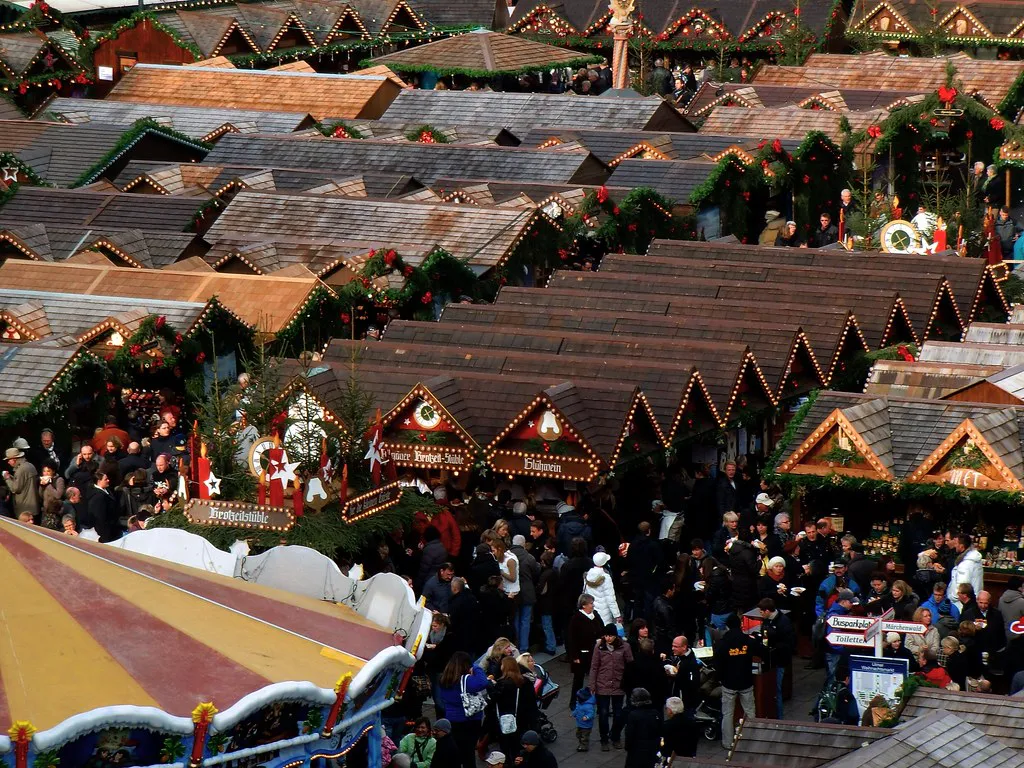
- Lamberti Market — The most photographed. Blue wooden stalls cluster beneath the gothic St. Lamberti church, whose tower holds the infamous iron cages where Anabaptist leaders were displayed in 1536. Atmospheric at dusk.
- Town Hall Market (Prinzipalmarkt) — The oldest and largest. Dozens of craft vendors, a carousel, and the grand Renaissance town hall as backdrop. This is where most visitors spend the most time.
- Kiepenkerl Market — Named after the iconic Kiepenkerl statue (a travelling pedlar). Strongest focus on regional food: Westphalian pumpernickel, smoked ham, and local sausages.
- Aegidii Market — More relaxed, slightly further from the centre. Good for handmade ornaments and pottery without the crowds of the Prinzipalmarkt.
- Giebelhüüskesmarkt — The smallest and most local of the five. Set in a quieter lane, it attracts residents more than tourists. Worth a detour for those who find the main markets too commercial.
For the 2026 season, all five markets are expected to run from late November to 23 December 2026 (the 2025 edition ran 24 November – 23 December); check the official Münster tourism site for confirmed dates. Stalls typically open at 11:00 and close between 20:00 and 21:00. The Lamberti and Prinzipalmarkt markets stay open the latest on weekends.
Must-See Munster Christmas Market Attractions
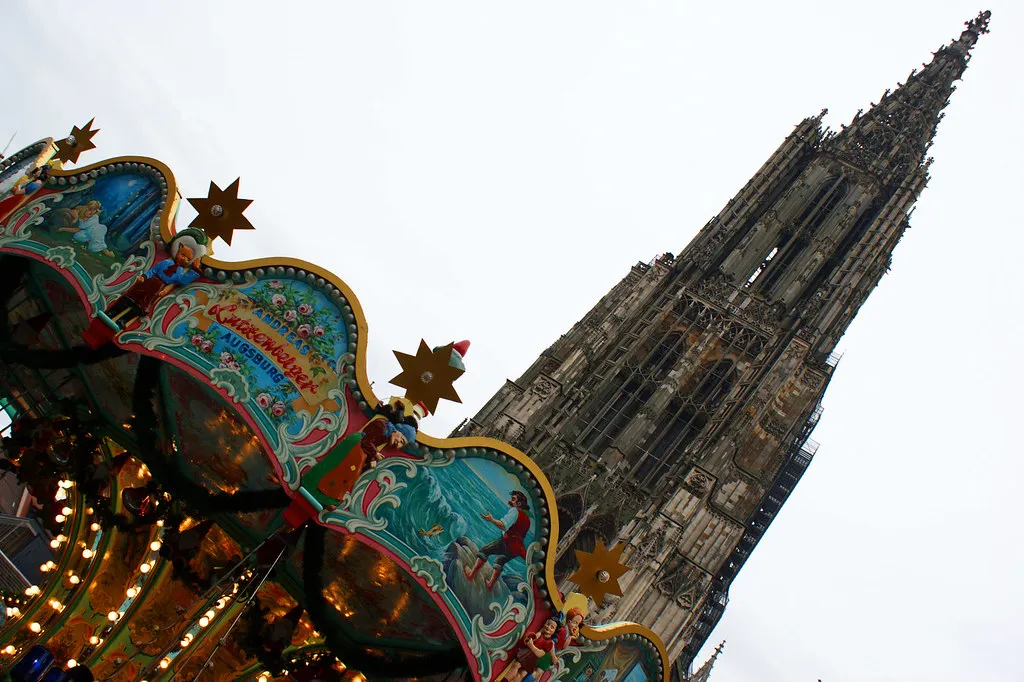
In Münster, Germany, the Three Cages hanging from the Lamberti church tower are one of the most striking visual details anywhere in the Westphalian market circuit. The massive carousel at the Town Hall market is a draw for families. The Dortmund christmas market is the closest large-scale alternative if you want to extend the trip.
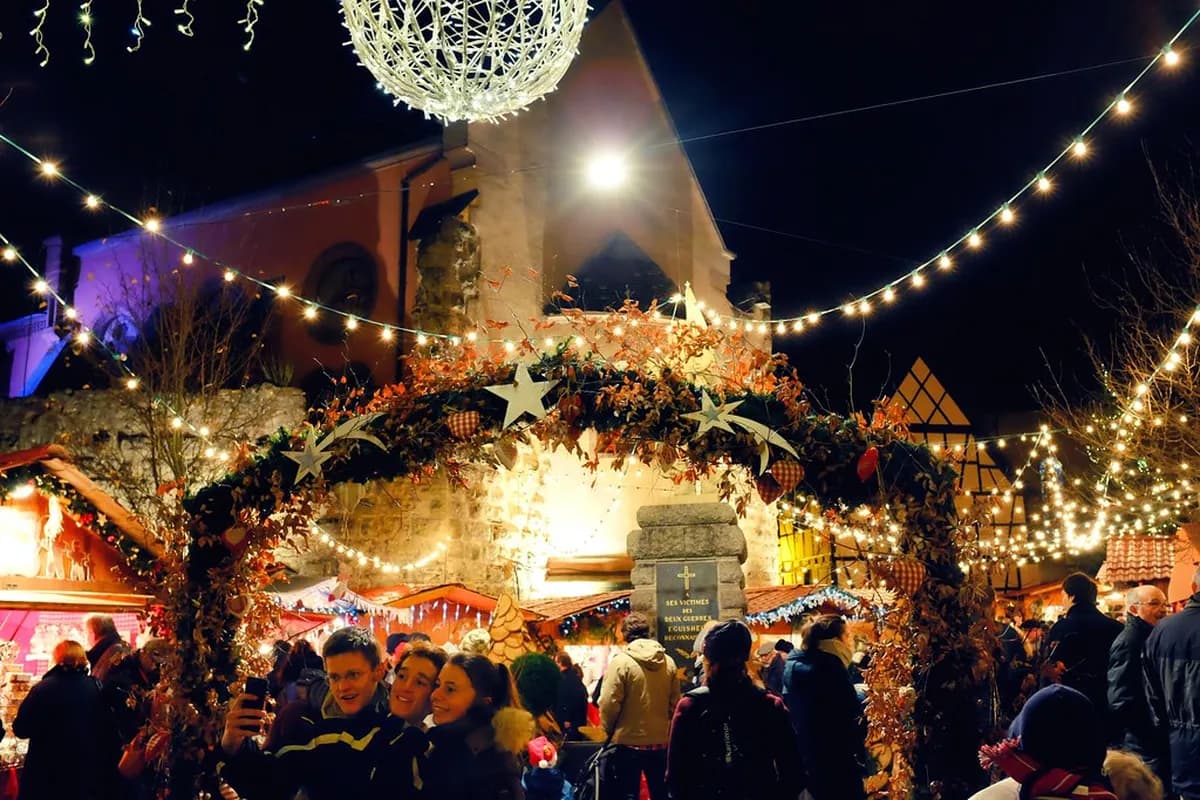
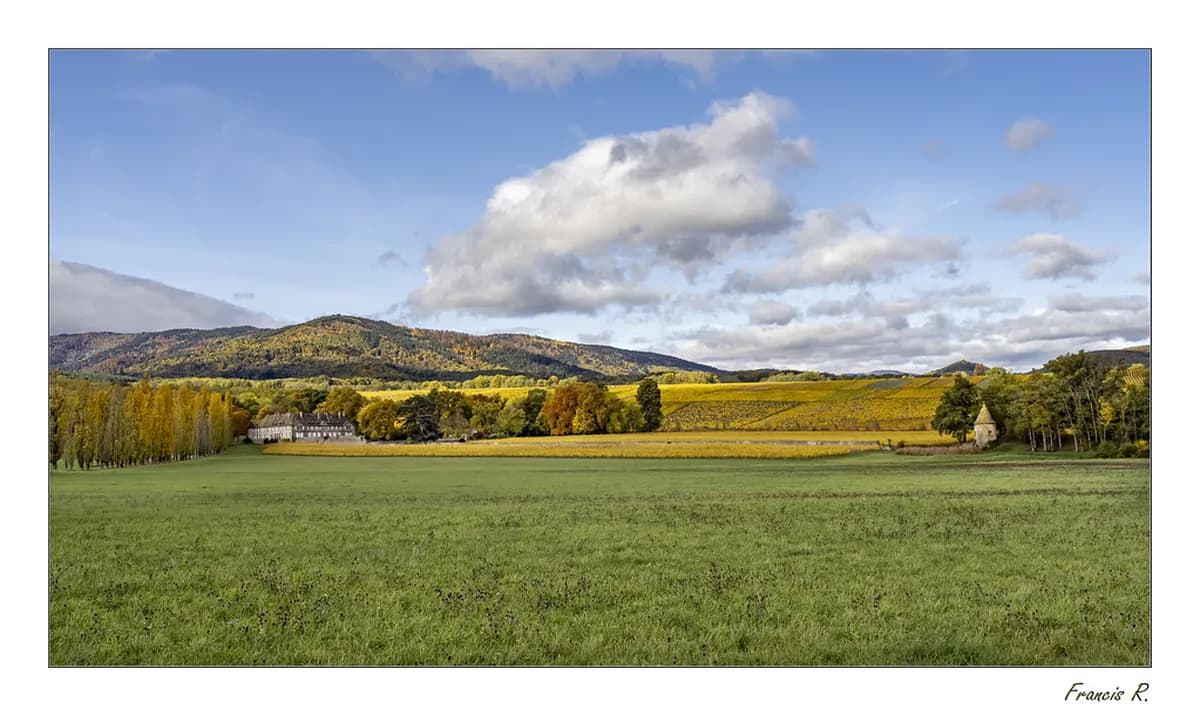
In Munster, France, the 'Christmas in the Mountains' market sits on the Place du Marché in a valley surrounded by the Vosges hills. The wooden chalets are full of locally made crafts and Alsatian produce. Traditional Alsatian Christmas characters appear at events throughout the season, and concerts are scheduled on weekends. As night falls, illuminations light up the valley in a way that feels genuinely intimate rather than commercial.
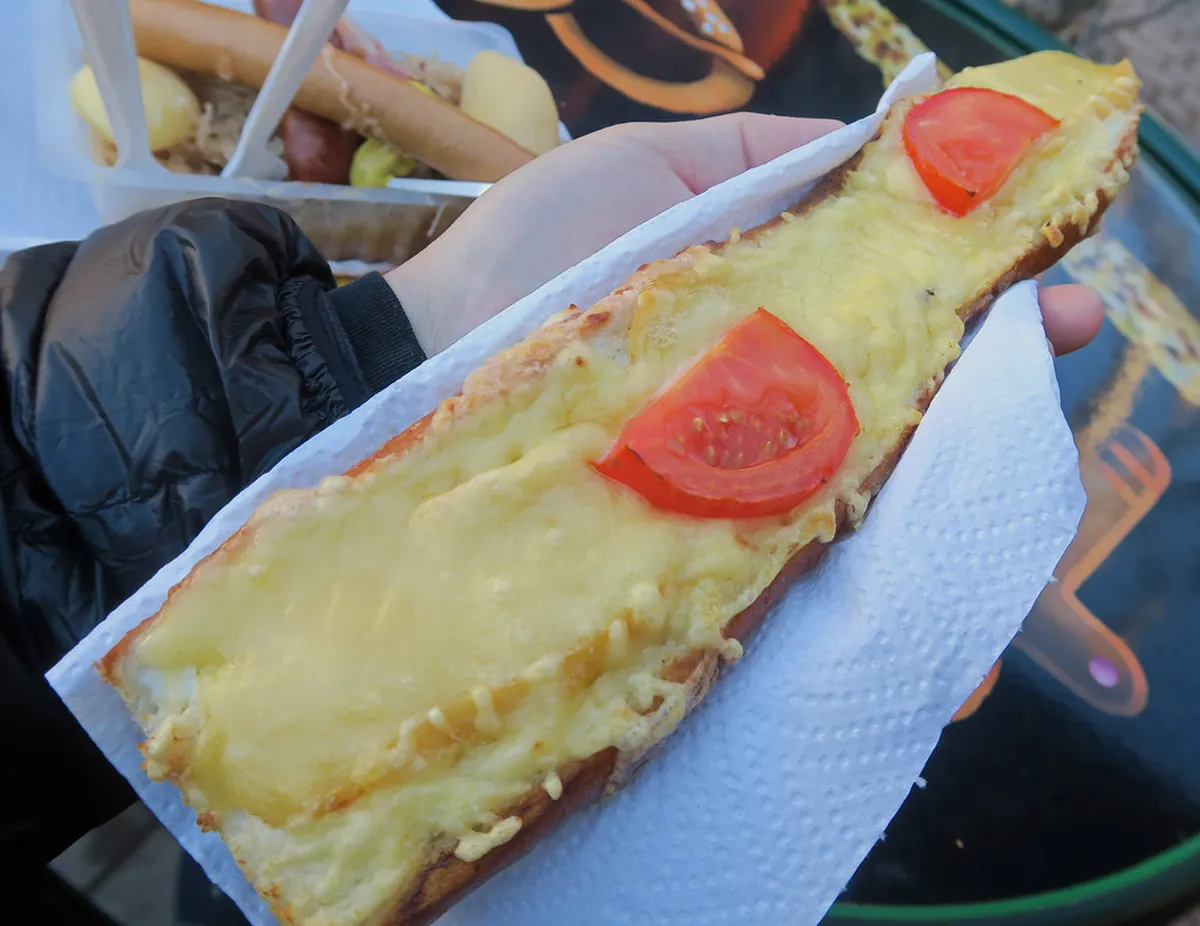
The signature food experience in the French market is Munster soup — a warming cheese-based broth made with the region's famous washed-rind Munster cheese. The heady scent of mulled wine and spices drifts across the square from the first morning. Cheese-buying is a practical bonus: the local fromageries stock the real AOC Munster cheese, which is much stronger and more aromatic than supermarket versions sold in Germany or the UK.
Winter Museums, Art, and Culture in Munster
Münster, Germany, has a serious cultural offer beyond the markets. The LWL-Museum für Kunst und Kultur on Domplatz holds one of the largest art collections in the region, with medieval altarpieces and Westphalian paintings. Admission is around €9 for adults. It makes a good 90-minute shelter from the cold on a damp afternoon.
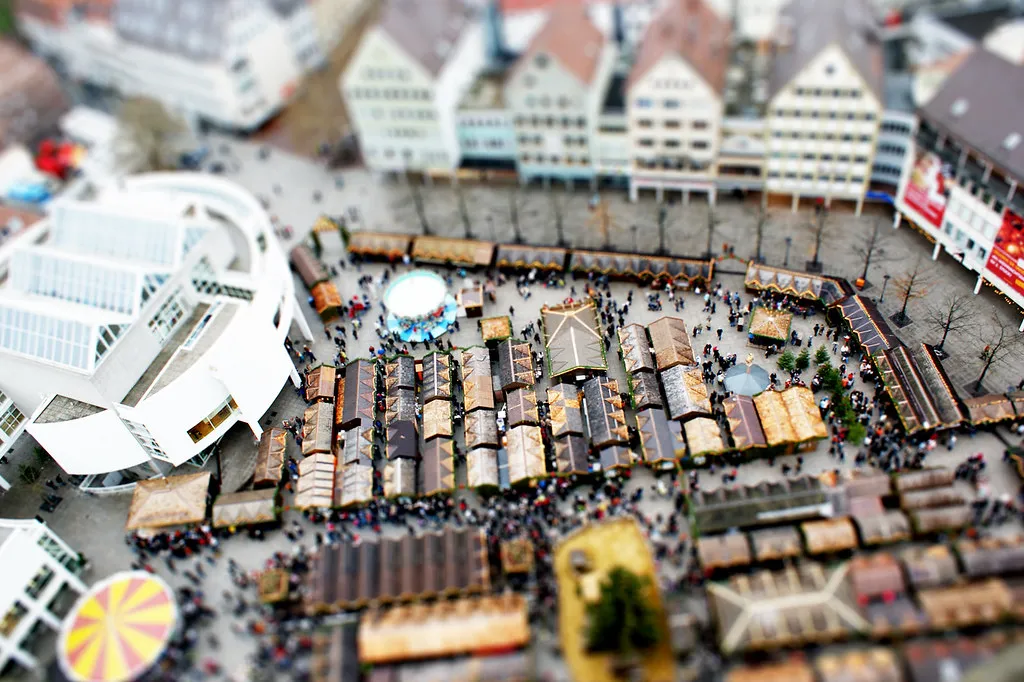
The Stadtmuseum Münster on Salzstraße documents the city's history from the Peace of Westphalia (1648) onwards. The Peace of Westphalia, which ended the Thirty Years' War, was signed in Münster's Town Hall — so the building at the centre of the Christmas market has genuine historic weight. Entry is inexpensive and the permanent exhibits are well signed in English.
Thanks to its large university — around 55,000 students — Münster has a young and active evening scene. Theatres, jazz bars, and small live music venues operate throughout December. If you are staying overnight, the area around the Kuhviertel neighbourhood has the highest concentration of independent bars and venues, all within a 10-minute walk of the markets.
Parks, Gardens, and Outdoor Spots for a Winter Stroll
The Aasee lake sits just southwest of the city centre in Münster. In winter it offers a peaceful 4 km circular walk with views back towards the city's church spires. The Allwetterzoo borders the lake and is open year-round — a useful option if you are visiting with children and the markets close early.
The Promenade — a 4.5 km tree-lined ring road built on old city fortifications — encircles the historic centre. It is flat, well-lit, and used by cyclists and walkers throughout the winter. A walk along part of it between markets gives a strong sense of the city's scale and connects the Aegidii area to the Lamberti quarter without retracing your steps.
In Munster, France, the surrounding Vosges valleys are the draw for outdoor visitors. The Route des Vins d'Alsace passes through the valley. A short drive or taxi ride from the market reaches the Col de la Schlucht at 1,139 m, which often has snow cover in December — a genuine mountain landscape just 20 km from the market square.
Family-Friendly and Budget-Friendly Options in Munster
Entry to all five markets in Münster, Germany, is free. So is entry to the French market in Munster. Your main expenses are food, drink, and accommodation. A mug of Glühwein costs €3–4 in both locations, with a refundable €2–3 deposit on the ceramic mug. Street food such as Westphalian sausages or Flammkuchen runs €3–6 per serving.
The Town Hall market carousel is the standout family attraction in the German city. Several stalls run craft workshops for children during weekends — making ornaments, painting, or simple baking activities. These are often free or charge under €5 per child. Weekday afternoons between 14:00 and 17:00 are the quietest times with the shortest queues.
Budget travelers should book weeknight stays rather than Friday and Saturday nights, when hotel prices near the Prinzipalmarkt can double. The Trier christmas market is another low-crowd, historically rich option if you are building a multi-stop itinerary on a tight budget. Day-trippers from Dortmund, Cologne, or Amsterdam can reach Münster by train and visit all five markets within a single afternoon without needing accommodation at all.
How to Plan a Smooth Munster Christmas Market Day
Arrive at the Münster central station by 11:00. The five markets are all within walking distance — the Lamberti and Town Hall markets are a 10-minute walk from the station. Start at the Giebelhüüskesmarkt while it is quiet, work through the Kiepenkerl and Aegidii markets, and finish at the Lamberti and Prinzipalmarkt as the evening lights come on. That sequence takes roughly 4–5 hours at a relaxed pace.
For the French Munster market, the base is Colmar. A regional TER train runs between Colmar and Munster (Haut-Rhin) in about 30 minutes. Alternatively, the drive from Colmar is 20 minutes on the D417. Free parking is available directly at the Place du Marché. The Bremen christmas market is a good pairing if you are combining a French and German market trip across a long weekend.
Book accommodation at least three months ahead for December weekend nights. Hotels near the Prinzipalmarkt fill first. If the German Münster is sold out, nearby Dortmund or Osnabrück are manageable bases with direct trains. In Alsace, Colmar is the natural base — it has more accommodation options and its own large Christmas market as well.
Booking Your Train Ticket: Routes and Best Prices
The ICE high-speed train runs seven times a day from Amsterdam Centraal to Münster Hauptbahnhof. Most journeys involve a transfer at Oberhausen or Duisburg, where you switch to an Intercity regional service. Travel time is just over three hours from Amsterdam. Tickets start from €20 when booked in advance through NS International or Deutsche Bahn.
From other Dutch cities, journey times are similar. Utrecht to Münster takes just over three hours with one transfer. Arnhem to Münster takes about two hours 49 minutes. Rotterdam adds roughly 30 minutes more than Amsterdam, with two transfers. Booking at least two to three weeks ahead locks in the cheapest fares; last-minute weekend tickets before Christmas can cost three to four times the advance price.
| Route | Travel Time | Transfers |
|---|---|---|
| Amsterdam – Münster | ~3h 24m | 1 |
| Amersfoort – Münster | ~2h 48m | 1 |
| Utrecht – Münster | ~3h 07m | 1 |
| Arnhem – Münster | ~2h 49m | 1 |
| Rotterdam – Münster | ~3h 54m | 2 |
From the UK, the most practical route is Eurostar to Brussels or Amsterdam, then ICE onwards. From Belgium, Cologne is a logical hub with direct regional trains to Münster in about 80 minutes. The Wurzburg christmas market is reachable on the same rail pass if you want to continue south into Bavaria after Münster.
Essential Customer Service and Accessibility Info
Münster's market squares are mostly flat and accessible for wheelchair users and pushchairs, though some cobblestone sections near the Lamberti church are uneven. The Aegidii market has the smoothest surface of the five. The Allwetterzoo and LWL Museum are both fully wheelchair accessible. The main station has lifts to all platforms.
In Munster, France, the Place du Marché is a flat open square with no steps. Free parking includes accessible spaces close to the market entrance. Local language is French and Alsatian German; stall holders at the French market generally speak some English and German as well.
For both locations, tourist information offices provide maps and event schedules in English. In Münster, Germany, the Münster Tourism office is at Heinrich-Brüning-Straße 9, a 12-minute walk from the Prinzipalmarkt. In Munster, France, the Office de Tourisme is on Rue du Couvent, open during market season with reduced hours outside the main Christmas weekends. Both markets are non-smoking zones around food stalls as of 2026.
Frequently Asked Questions
What are the dates for the Münster Christmas market 2026?
The 2026 market in Münster, Germany, is expected to run from late November to December 23 (the 2025 edition ran November 24 to December 23); check the official tourism site for confirmed dates. Stalls typically open daily from 11:00 AM. Most locations close by 8:00 PM or 9:00 PM.
Is the Munster Christmas market in France or Germany?
There are famous markets in both Münster, Germany, and Munster, France. The German city hosts five large markets in Westphalia. The French town offers an Alsatian mountain-themed event.
How do I get to the Munster Christmas market by train?
Take the ICE train from major hubs like Amsterdam or Cologne. Most international travelers transfer at Oberhausen or Duisburg. The journey from Amsterdam takes about three hours. Check festivian.com/blog for more tips.
The Munster christmas market offers a magical winter experience in two countries. Whether you choose the historic squares of Germany or the mountains of France, preparation is key. Book your trains and hotels early to secure the best seasonal prices. Dress warmly and enjoy the unique flavors of Westphalian and Alsatian traditions.
Free guide: Europe's Festival Calendar
A month-by-month map of Europe's unmissable festivals — with the best dates to visit each and a local tip you won't find in the guidebooks.
You might also like


Continue reading
More guides you'll find useful