8 Things to Know About the 2026 Tallinn Christmas Market
Plan your visit to the 2026 Tallinn Christmas Market with our guide to dates, opening hours, food prices, and the best hotels in the Old Town.
On this page
8 Things to Know About the 2026 Tallinn Christmas Market
Tallinn transforms into a genuine winter wonderland as the holiday season approaches. The medieval streets of the Old Town provide a perfect backdrop for one of Europe's most charming events. Visitors often feel like they have stepped directly into a classic fairy tale.
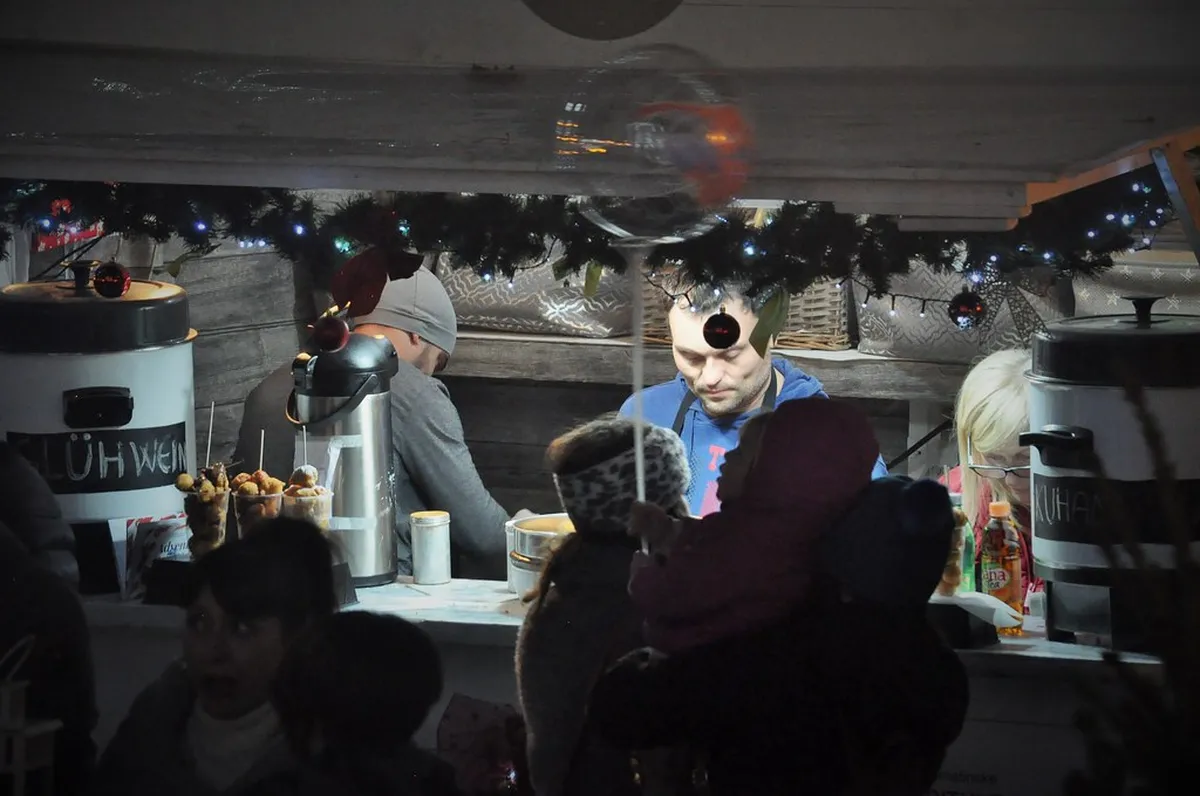
The heart of the celebration sits in the historic Town Hall Square. This area fills with the scent of gingerbread and mulled wine every December. You will find a massive decorated tree surrounded by small wooden huts selling local treasures.
Planning a trip to the Tallinn christmas market requires a bit of timing and local knowledge. This guide covers everything from 2026 dates to the best spots for traditional Estonian snacks. Prepare for a cozy adventure in the heart of the Baltic region.
Free guide: Europe's Festival Calendar
A month-by-month map of Europe's unmissable festivals — with the best dates to visit each and a local tip you won't find in the guidebooks.
The History and Magic of the Town Hall Square
The Tallinn christmas market is deeply rooted in local history and community pride. Many locals believe the city displayed the first public Christmas tree in Europe back in 1441. This tradition started in Raekoja Plats and continues to draw crowds today.
The central tree stands approximately 14 meters tall and glows with thousands of lights. It serves as the focal point for all the festive stalls and performances. The square itself is a UNESCO World Heritage site known for its well-preserved medieval architecture.
What makes this market feel different is how recently the modern version was established. The organised Christmas market marked its 25th anniversary in 2025, which puts the 2026 season at its 26th edition. Despite being relatively young as a formal market, it already ranks among the most romantic and least-crowded markets in Northern Europe.
Walking through the square feels different than visiting larger markets in Germany or France. The scale is intimate and the atmosphere feels remarkably authentic. You can easily spend hours admiring the stone buildings while sipping a warm drink.
2026 Dates, Opening Hours, and Best Time to Visit
The 2026 season is expected to open in late November 2026 and run through early January 2027 (the 2025 season opened on November 21st); check the official site for the confirmed 2026 dates. Market stalls are open daily from 10:00 to 20:00. Drink vendors stay open later — until 22:00 Sunday through Thursday, and until 23:00 on Fridays and Saturdays.
Daylight is scarce during the Estonian winter months. Sunrise sits around 08:40 and sunset falls as early as 15:30. Planning around these times helps you capture the best photos — arrive before dusk to see the market come alive under the lights.
The season does not fully kick off until the First Sunday of Advent. That is when the Mayor officially opens the season, Santa Claus begins making daily appearances in the square, and the full weekend programme of choirs, traditional dancing, and live music begins. If you visit on a weekday, expect a quieter, more local atmosphere with fewer organised events on the main stage.
- Daily Market Operating Hours
- Opening: 10:00 daily
- Closing: 20:00 daily
- Drinks Sun–Thu: until 22:00
- Drinks Fri–Sat: until 23:00
- Winter Daylight Planning Strategy
- Sunrise: ~08:40
- Sunset: ~15:30
- Peak Lights: from 16:00
- Best Photos: Blue Hour, 15:30–16:30
What to Eat and Drink: From Blood Sausage to Glögg
Estonian Christmas cuisine is hearty and perfect for the cold weather. The main dish you will find at the market stalls is blood sausage (verivorst in Estonian), served with a generous portion of sauerkraut and fried potatoes. A full plate costs around €15 and is large enough to share between two people.
If you are on a budget, ask for just the sausage for around €7. That said, you will only receive the sausage on its own with nothing else on the side. Other options include potato pancakes, dumplings, and soup served in an edible bread cup. Vegetarians and vegans will find the food selection quite limited inside the market itself — plan to eat at one of the Old Town restaurants before or after your visit.
For drinks, the market has a strong selection of glögg — the local term for spiced mulled wine. A standard cup runs about €7 with an alcohol content of around 13 percent. For one euro more you can add a shot of local liqueur, bumping it to about 21 percent. Non-alcoholic glögg flavours are also available, including cherry and blueberry versions that are genuinely worth trying.
One practical detail that surprises some visitors: the Tallinn market does not use the traditional ceramic mugs you find at German markets. Instead, drinks come in plastic cups with a deposit system. Return the cup to the stall when you are done to get your deposit back.
Shopping Guide: Best Estonian Handicrafts and Souvenirs
The market focuses heavily on local Estonian goods. The most visible category is knitwear — woollen hats, mittens, slippers, socks, and scarves fill a large number of the 30 to 40 stalls. There is some duplication between stalls, and you will quickly notice that a handful of booths sell the same designs. That said, the products are genuine Estonian-made items, not imported novelties.

Wool mittens range in price from €25 to €95 per pair depending on whether they are machine-knit or hand-made and how intricate the pattern is. The hand-made versions with traditional Nordic patterns are worth the premium if you want something genuinely local.
Wooden kitchenware, juniper ornaments, pottery, and hand-painted gingerbread cookies are also popular picks. Some of the most beautiful souvenirs are painted to resemble the colourful medieval buildings of the Old Town itself. Small trinkets start from around €5, making them easy additions to a tight budget.
Where to Stay: Top Hotels Near the Festivities
Staying in or near the Old Town is the best way to experience the market magic. For a boutique option, the Rixwell Savoy sits just on the edge of the historic district, a four-minute walk from Town Hall Square. Rooms are larger than typical European hotel standards and the building has an elevator — which matters in Tallinn's older properties.
Budget travelers should consider the Citybox Tallinn, which often comes in around £32 per night. It sits in the harbour area, about ten minutes' walk from the Old Town and just five minutes from the Stockholm ferry terminal. Rooms are clean and simple, with double, twin, single, family, and suite options available.
Keep in mind that accommodation fills quickly around the key Advent weekends. Book early, especially if you plan to visit on a Friday or Saturday when the market programme is at its most lively. For more options, browse our guide on where to stay for Tallinn christmas market visits.
Logistics: Getting to Tallinn by Plane or Ferry
Tallinn is accessible from major European hubs by air and sea. The airport is about a ten-minute drive from the Old Town. A taxi or ride-share service like Bolt takes roughly 15 minutes and costs far less than equivalent rides in Western European capitals. Public transport from the airport is also available if you want to save further.
Many visitors arrive via ferry from Helsinki or Stockholm. The Tallinn ferry terminal is one of the most convenient in the Baltics — from the arrival hall, you can walk to Town Hall Square in about five to ten minutes on foot. This makes Tallinn a realistic day trip add-on to a larger Nordic itinerary, or the first stop on a Baltic circuit through Riga and Vilnius.
The city is compact enough that you rarely need public transit during a market visit. Most major attractions sit within easy walking distance of the square. Wear sturdy boots with good grip — cobblestone streets become genuinely slippery when iced over in December.
Beyond the Market: Festive Things to Do in Tallinn
While the market is the main draw, Tallinn offers many other winter activities. You can visit the ice skating rink near St. Nicholas Church for a scenic glide under the glow of the church tower. The carousel and small fairground rides inside the market itself run at €5 per ride and are popular with families.
For the best views of the snowy rooftops, walk up to the Kohtuotsa viewing platform. This spot offers a panoramic look at the entire Old Town and the distant sea. It is especially beautiful during the golden hour just before the sun sets at around 15:30.
Café culture is central to the Tallinn winter experience, and it gives you an essential warm refuge between outdoor sessions. A few reliable spots within easy reach of the market: Pierre Chocolaterie for exceptional hot chocolate and cake; Kohvik Maiasmokk — the oldest café in Tallinn — for coffee and traditional pastries; and Pulla Bakery for fresh cinnamon rolls. These are the kinds of stops that turn a two-hour market visit into a full and satisfying day.
You might also want to explore the creative hub of Telliskivi for a modern vibe. This area features trendy cafes and local designer shops just a short walk from the centre. It is a great place to escape the market crowds for a quiet afternoon.
Is the Tallinn Christmas Market Worth It? (Review & Budget)
The Tallinn christmas market consistently ranks as one of the best in Europe for a reason. It offers a perfect balance of history, affordability, and festive spirit without feeling overly commercial. The market is smaller and quieter than its German or Austrian counterparts — which is precisely the point. Compared to the Riga christmas market, Tallinn feels slightly more medieval and intimate.
Food and drink are not as cheap as some visitors expect. A hot glögg is €7 and a full sausage plate runs €15 — comparable to Prague or Budapest, though cheaper than Stockholm or Copenhagen. Shopping is where the value really varies: you can find small souvenirs for €5, or invest in a handmade pair of mittens at €60 to €95. A realistic daily budget for food, one or two small purchases, and any activities is around €50 per person.
The main limitation is choice. Shopping stalls are repetitive and the food menu is narrow — if you want variety, the Old Town's restaurants and cafés fill the gap well. If you enjoy exploring the region, consider visiting the Vilnius christmas market as well. Each Baltic capital has a distinct take on holiday traditions, and all three cities can be combined into a single winter trip by ferry and bus.
- Festive Market Bingo Checklist
- Find: The 14m tree
- Drink: Hot spiced glögg
- Eat: Blood sausage plate (or split one)
- Buy: Woolen mittens
- Warm up: Coffee at Kohvik Maiasmokk
- Estimated Market Price Comparison
- Full sausage plate: ~€15
- Sausage only: ~€7
- Standard glögg: ~€7
- Glögg with liqueur: ~€8
- Carousel ride: ~€5
- Small souvenir: from €5
Frequently Asked Questions
When does the Tallinn Christmas Market open in 2026?
The Tallinn Christmas Market is expected to open in late November 2026 (the 2025 season opened on November 21); check the official dates page for the confirmed 2026 schedule. It typically runs daily from 10:00 AM to 8:00 PM. You can find more details on the official dates page to help plan your winter itinerary.
Is the Tallinn Christmas Market expensive?
Tallinn is generally more affordable than markets in Western Europe. A hot drink costs around €7, while a full meal is about €15. You can save money by choosing standalone snacks instead of full platters at the food stalls.
Does it snow in Tallinn during the Christmas market?
Snow is very common in Tallinn during December, though it is never guaranteed. The city usually sees its first significant snowfall in late November or early December. This adds to the magical atmosphere of the medieval Town Hall Square.
How long should I spend at the Tallinn Christmas Market?
Most visitors find that two to three days is the perfect amount of time. This allows you to enjoy the market at different times of day and explore the Old Town. It also leaves room for a quick trip to the nearby Scandinavian markets.
Related: festivals and events in Tallinn.
The Tallinn christmas market offers an unforgettable experience for anyone who loves the holiday season. Its combination of medieval history and cozy Estonian traditions creates a unique atmosphere. You will leave with warm memories and perhaps a pair of handmade wool mittens.
Whether you are visiting for the food or the photography, the Town Hall Square will not disappoint. With the market having marked its 25th anniversary in 2025, the 2026 season continues the celebration as its 26th edition. Start booking your accommodation now to secure a spot in this winter paradise.
Traveling to Estonia in December is a great way to embrace the cold with style. The twinkly lights and friendly locals make every moment feel special. We hope this guide helps you plan the perfect trip to the heart of Tallinn.
Free guide: Europe's Festival Calendar
A month-by-month map of Europe's unmissable festivals — with the best dates to visit each and a local tip you won't find in the guidebooks.
You might also like


Continue reading
More guides you'll find useful