Riga Christmas Market Guide: 8 Things to Know Before You Go
Plan your trip to the Riga Christmas Market with 2026/2027 dates, food prices, best stall locations, and expert tips on where to stay.
On this page
Riga Christmas Market Guide: 8 Things to Know Before You Go
Riga transforms into a glowing winter wonderland when the holiday season arrives in the Baltic States. The city fills with the scent of roasted almonds and warm mulled wine during the cold months. Many travelers consider the Riga Christmas market to be one of the most authentic festive experiences in Europe. This guide covers the practical details you need to plan a great visit.
The capital of Latvia has been hosting its Old Town Christmas Market since 2000, and the event has grown into one of the most beloved in the region. Visiting in winter offers a unique blend of medieval architecture and festive cheer. The local traditions here feel deep and personal compared to larger commercial markets. Planning your visit correctly ensures you see the best parts of this snowy destination.
Free guide: Europe's Festival Calendar
A month-by-month map of Europe's unmissable festivals — with the best dates to visit each and a local tip you won't find in the guidebooks.
Essential Dates and Opening Times for 2026/2027
The 2026/2027 edition is expected to open in late November 2026 and run through early January 2027, covering both the Catholic and Orthodox Christmas periods (for reference, the 2025/2026 edition opened on November 28, 2025 and concluded on January 4, 2026). Dates shift slightly each year, so check the Official Riga Tourism (Live Riga) site for the confirmed 2026 opening date and any specific daily schedule changes. Most stalls open around 10:00 and stay running until late in the evening.
The formal opening concert is typically held on the market's opening weekend in late November, when the Christmas tree is ceremonially lit and a concert kicks off the festivities (in 2025 this fell on November 30 at 17:00, with a performance by the 10th Studio of Dailes Theatre). If you can only attend on one day, aim for a Friday or Saturday evening when the cultural program is at its fullest. Visiting during the weekdays often provides a more relaxed atmosphere with fewer crowds. Weekends bring more locals and tourists together for live performances and special events.
If you are also planning a trip to the Tallinn Christmas market, the dates align almost perfectly. Tallinn typically closes a few days earlier, making a Riga-then-Tallinn route a smart Baltic itinerary for December travelers.
Top Market Locations: Doma Square and Beyond
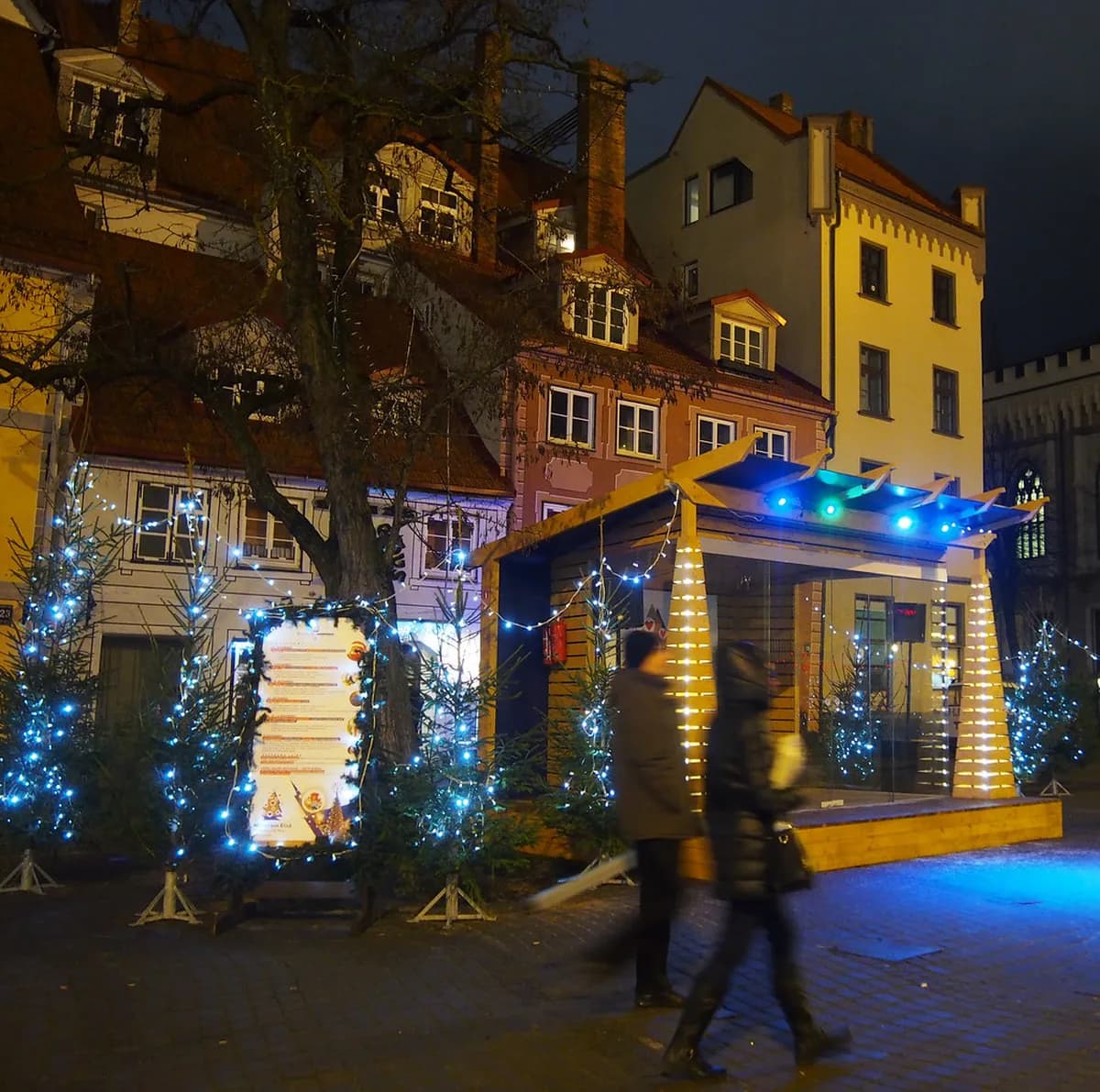
Doma Square serves as the primary hub for holiday celebrations in the Old Town. This UNESCO World Heritage site provides a stunning backdrop for over 80 traditional wooden huts, each decorated individually by its vendor — which gives the market far more personality than uniform-hut events elsewhere. You will find the largest Christmas tree and the main stage for cultural performances here. The Riga City Council Events page provides details on the nightly music and performance schedule.
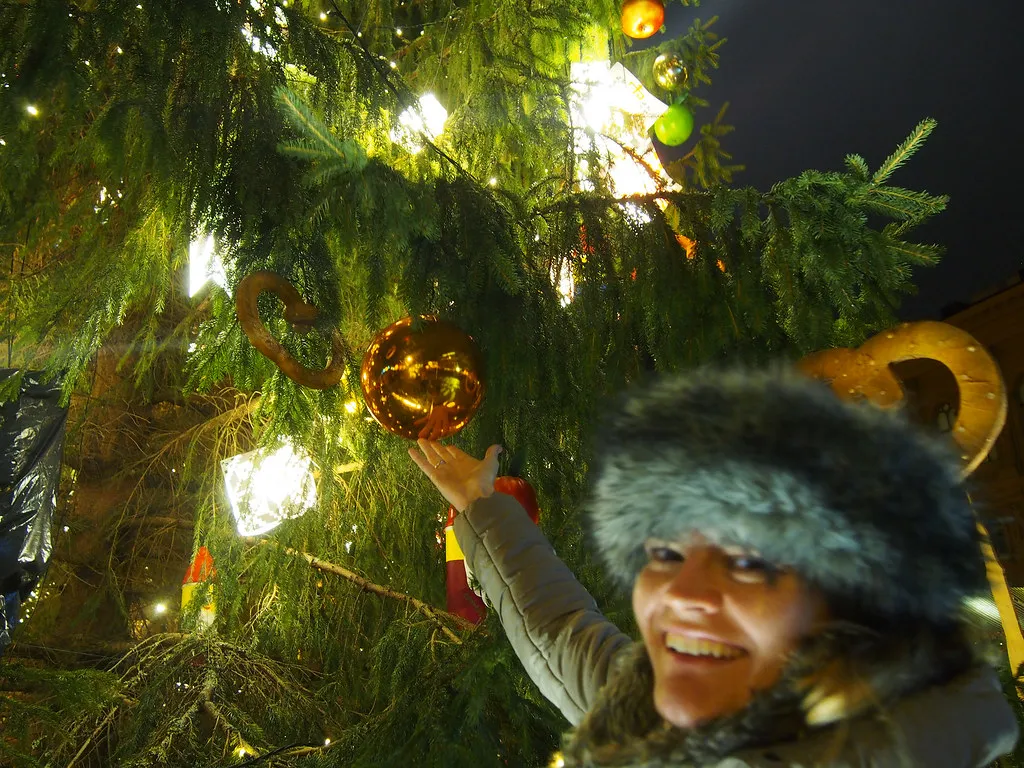
A 15-minute walk away, Esplanade Park offers a different but equally festive experience. This area is famous for its ice skating rink and a more spacious layout that feels less crowded than the narrow cobblestone streets of the Old Town. It is a perfect spot for an evening stroll under the twinkling lights after you have worked through the main stalls.
For a more local and alternative vibe, head across the river to the Āgenskalns Market on the left bank. This renovated pavilion hosts seasonal events and features high-quality local food producers on the ground floor and eateries on the second level, with extra stalls added on weekends throughout December. You can also visit the Kalnciema Quarter Market for their special Saturday holiday editions, which lean heavily toward artisan and seasonal produce. These locations offer a deeper look into how modern Latvians celebrate the season beyond the Old Town tourist circuit.
What to Eat and Drink: A Budget and Price Guide
Can you enjoy the full market experience for under €50 per day? We think so, and the numbers back it up. Riga remains more affordable than most Western European Christmas markets, and even slightly cheaper than its Baltic neighbor Tallinn. You can easily sample several local specialties without exceeding a modest daily budget.

The food is cooked on open fires at many stalls, which creates a theatrical atmosphere that is part of the experience. Cooks in hooded oxblood cloaks tend bubbling pots of soup next to steaming mulled wine, giving the whole scene a medieval banquet feel. Prices are concrete and easy to plan around. Here is what to expect for the 2026/2027 season (based on recent editions):
- Small sausage: €4
- Potato cake (latke): €2
- Sauerkraut: €5
- Hearty soup: €5
- Chicken or pork skewer: €10
- Steak: €14
- Mulled wine / gluhwein (300ml): €6; (250ml): €5
- Cocktail served in a block of ice: €12
One important detail many guides skip is the €2 cup deposit. You pay this small fee when you buy your first hot drink and get the money back when you return the mug. Most visitors choose to keep one mug as a cheap and charming souvenir instead. The system helps keep the historic square clean throughout the long market season.
Vegetarian travelers should note that many traditional Latvian dishes are quite meat-heavy. You will find plenty of pork, sausages, and meat-filled pastries at most stalls. However, grilled potatoes, sauerkraut, and grey peas with onions are available at around €5 each. These side dishes are filling and offer a genuine taste of local winter comfort food, even if the choice is limited compared to markets in larger Western cities.
Authentic Shopping: Local Crafts and Unique Gifts
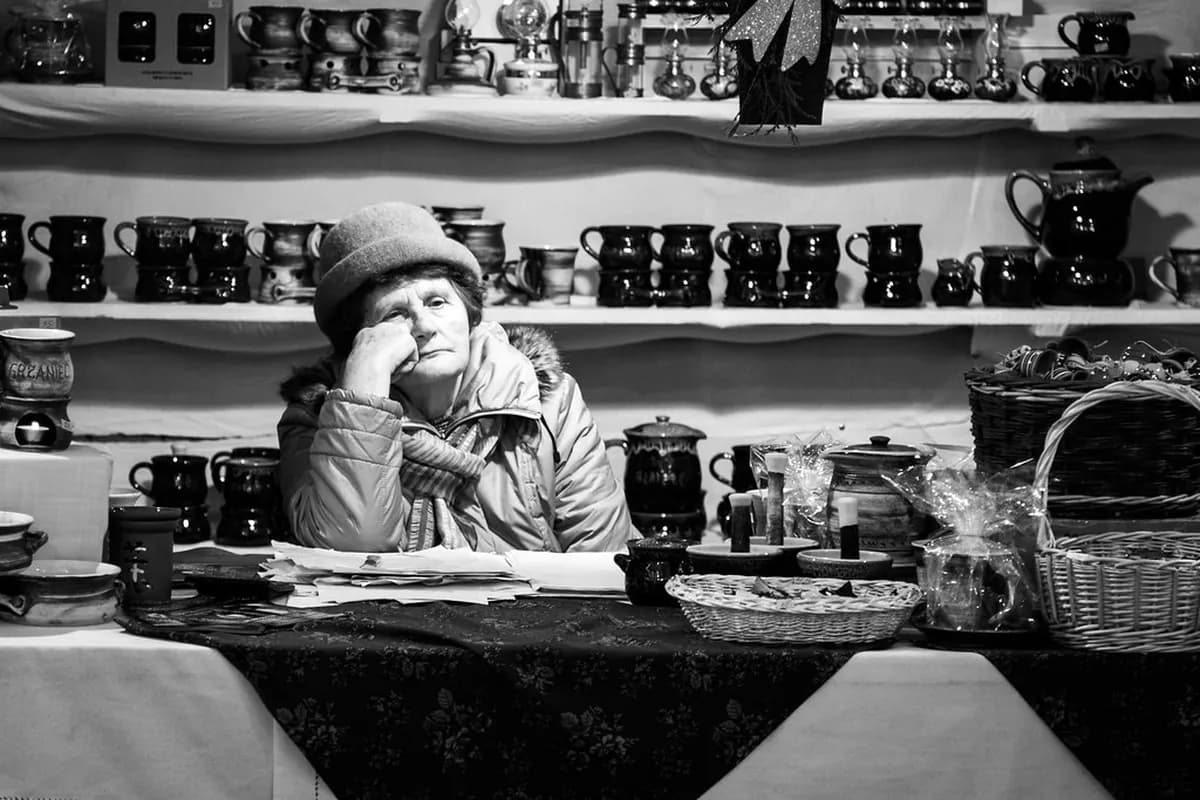
Skip the mass-produced plastic items and look for genuine Latvian handicrafts instead. The market is not enormous, but what is on offer skews heavily toward locally made goods at a high standard. The official city market has always prioritized Latvian home producers and craftsmen over imported novelty items, and this focus is evident when you walk the stalls.
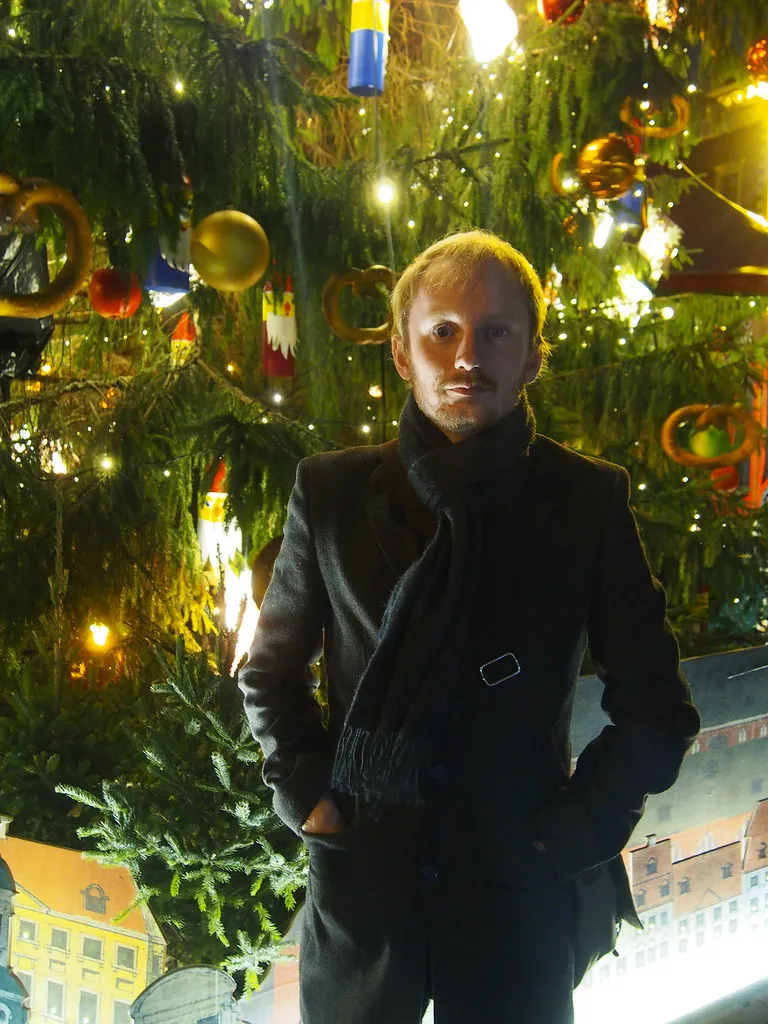
Local artisans take pride in sharing their family traditions with every visitor. You might spend ten minutes chatting with an amulet maker about how he, his brother, and his mother all work together on each piece — a conversation that is common here and makes any purchase feel more meaningful. Handcrafted amulets cost around €10 and feature traditional Latvian geometric patterns that carry deep symbolic meaning.
Amber jewelry is one of Riga's standout specialties, sourced from the nearby Baltic Sea. You will find pieces ranging from simple pendants to intricate necklaces across multiple stalls. The honey stall selling beeswax candles is another highlight, as is the basket weaving display. Expect the market standards — knitwear, candles, leather goods, wooden toys, and gingerbread — but the quality level is generally higher than at more commercial European markets. The gingerbread men are beautifully decorated but priced at around €10 each.
Woolen goods are another staple you should not overlook. You will find thick socks, mittens, and hats featuring traditional geometric patterns, many handmade by local producers. These are among the most practical souvenirs for the cold Baltic winter nights and remain popular with both tourists and locals alike.
Family-Friendly Activities and Festive Entertainment
Children have plenty to enjoy at the Riga market. On weekends and public holidays, families can meet Santa and the elves, ride the carousel, go on pony rides, see the sheep, and join creative workshops in the square. Santa's house is located right in the center of Doma Square, making it easy to plan your visit around a grotto stop. These wholesome attractions create a relaxed, joyful atmosphere that feels genuinely festive rather than commercial.
The cultural program is one of the strongest in the Baltic region and runs throughout the market's six-week season. On Friday nights, a DJ lineup including DJ Aspirīns, DJ All-Viss, DJ Dubra, and DJ Edgar Storm takes over the main stage with dancing and a disco ball. On Saturdays and Sundays, the program shifts to live music from choirs, folklore groups, children's vocal ensembles, and acts like the Riga Dance Club, folk group Dzilna, and singer Elizabete Gaile. The full cultural program is published on the market's official website at vzt.lv closer to the opening date. Most performances are free to enjoy while you sip your warm drink from the stalls nearby.
A Market With 25 Years of History Behind It
The Old Town Christmas Market first ran in Doma Square in 2000, and the 2025/2026 edition marked its 25th anniversary — meaning the 2026/2027 edition continues a market with more than a quarter-century of history. That milestone matters for travelers deciding between Riga and newer, trendier European markets. A quarter-century of continuous operation has produced a market with a settled identity — one that has resisted the pressure to scale up into a generic commercial event and has instead doubled down on Latvian producers and local craftspeople.
Andris Kreislers, the market's manager, described the spirit directly in the official 2025 announcement: each smile warms you more than a cup of mulled wine, and the market's purpose has always been to bring Christmas feelings into Doma Square while supporting Latvian artisans. That mission is visible in the vendor selection, the handmade-first stall policy, and the community-rooted entertainment lineup. For travelers who have grown tired of markets that feel interchangeable across European cities, Riga's anniversary edition is a strong argument for visiting now.
Must-See Riga Attractions and Cultural Spots
Take a break from the market stalls to explore the House of the Blackheads, which sits just steps from Doma Square. This architectural masterpiece looks especially striking when dusted with snow, and its restored halls tell the story of Riga's rich merchant history. The building is a UNESCO-era landmark that gives context to why the entire Old Town district carries that designation.
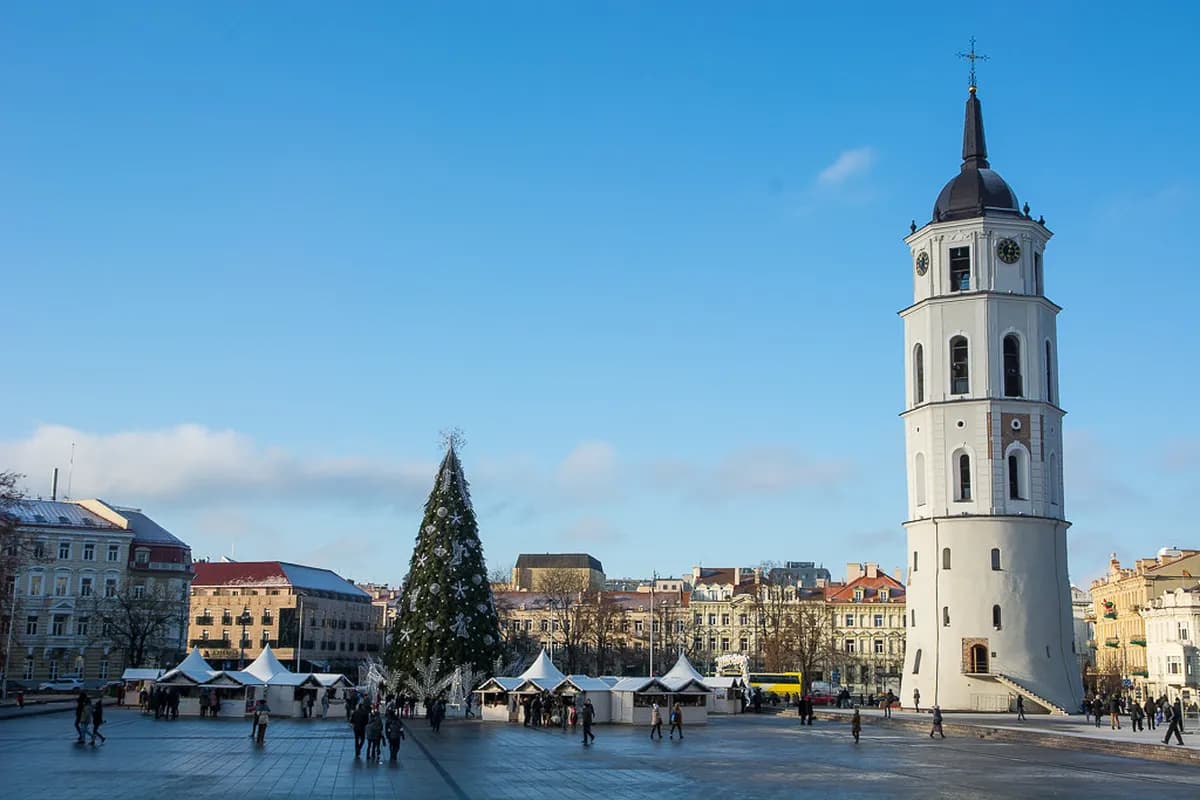
St. Peter's Church offers the best panoramic view of the snowy rooftops and market lights. You can take an elevator to the top of the spire for a small fee, which gives you a full layout of the Old Town and the frozen Daugava River beyond. This perspective is excellent for travel photos and for understanding how the different market zones relate to each other geographically. The Vilnius Christmas market shares a similar Old Town setting, but Riga's Doma Square is considerably larger and more atmospheric at night.
Planning Your Trip: Hotels and Transportation
Staying close to the Old Town puts you within walking distance of all the main festivities. Budget-friendly options are available for around £44–£45 per night during the opening weekends of the market. The Radisson Hotel Old Town and properties like the Hestia Hotel Draugi are popular choices, with the latter sitting less than 10 minutes from the central bus station and another 10 minutes' walk to the market. Booking several months in advance is advisable for the best rates, particularly for opening weekend in late November.
Getting around Riga is straightforward thanks to its compact size and efficient public transit network. You can walk between the Doma Square market and Esplanade Park in about 15 minutes. The tram system is affordable and connects the Old Town to the left-bank markets across the river. Taxis and ride-sharing apps are widely available for late-night returns to your accommodation. If you are arriving by bus from Tallinn or Vilnius, the central bus station is conveniently close to both the Old Town and the riverbank neighborhoods where most hotels cluster.
The Verdict: Is Riga Christmas Market Worth Visiting?
Riga offers a cozy and intimate atmosphere that many larger European Christmas markets simply cannot replicate. It feels less commercial than the Stockholm Christmas market or the major German hubs, with stall vendors who are genuinely invested in what they sell. The combination of affordable food prices, high-quality local crafts, and a strong cultural program makes it a top choice for travelers who want substance over spectacle.
Having passed its 25th anniversary in 2025/2026, the market heads into the 2026/2027 season with more than a quarter-century of tradition behind it. If you enjoy a mix of history, tradition, and a relaxed pace, Riga is an excellent choice. It stands out as a highlight among the best Christmas markets in the Baltics and is well worth the trip for any holiday enthusiast planning a December break in Northern Europe.
Frequently Asked Questions
Is Riga Christmas market expensive compared to other cities?
Riga is generally more affordable than markets in Western Europe. You can find snacks for €2 and full meals for under €10. While prices have risen slightly, it remains a great value destination for budget-conscious travelers.
When does the Riga Christmas market open in 2026?
The 2026/2027 edition is expected to open in late November 2026 and run through early January 2027 (the 2025/2026 edition opened on November 28, 2025 and concluded on January 4, 2026). Exact dates shift slightly each year, so check the official Live Riga site to confirm. The schedule covers both the Catholic and Orthodox Christmas periods.
Are there many vegetarian options at the Riga Christmas market?
Vegetarian options are somewhat limited but available at most large stalls. You can enjoy grilled potatoes, sauerkraut, and traditional grey peas. For more variety, check out the Festivian blog for updated food guides in the region.
How many Christmas markets are in Riga?
There are three main markets including Doma Square, Esplanade Park, and the Kalnciema Quarter. Each offers a different atmosphere ranging from traditional to modern and local. You can easily visit all three in one weekend.
Related in Riga: Latvian Jani Ligo Festival Guide.
The Riga Christmas market offers a delightful escape into a world of tradition and festive cheer. From the historic charm of Doma Square to the local vibes of the left bank, there is something for everyone. You can enjoy high-quality crafts and delicious food without spending a fortune.
Plan your trip early to secure the best accommodation and enjoy the snowy Baltic atmosphere. Whether you are hunting for unique gifts or just want to soak in the lights, Riga will not disappoint. You can find more travel inspiration and holiday tips on the Festivian blog as you plan your next adventure.
Free guide: Europe's Festival Calendar
A month-by-month map of Europe's unmissable festivals — with the best dates to visit each and a local tip you won't find in the guidebooks.
You might also like

Continue reading
More guides you'll find useful