Zagreb Christmas Market: 6 Essential Tips for Advent
Plan your visit to the award-winning Zagreb Christmas Market with our guide to the best locations, must-try foods, and practical travel tips for 2026-2027.
On this page
Zagreb Christmas Market: 6 Essential Tips for Advent
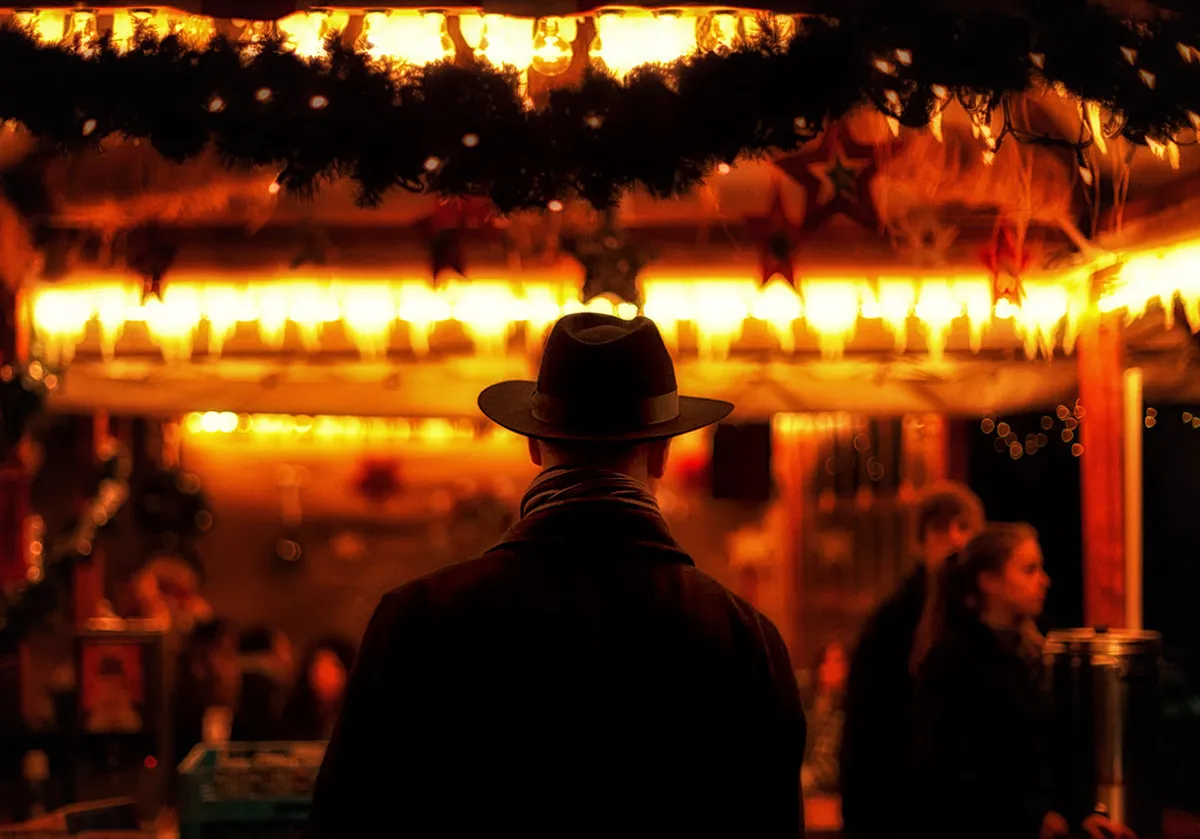
The Zagreb Christmas Market — officially branded as Advent in Zagreb — transforms the Croatian capital into one of the most celebrated festive destinations in Europe. The event runs from late November through early January and spreads across more than 25 individual locations in both the Upper Town (Gornji Grad) and Lower Town (Donji Grad). No other mid-size European city delivers this density of market activity within easy walking distance. This guide covers every key location, the best food to try, and the practical logistics you need before you go.
Free guide: Europe's Festival Calendar
A month-by-month map of Europe's unmissable festivals — with the best dates to visit each and a local tip you won't find in the guidebooks.
Why Zagreb is Europe's Favorite Christmas Market
Zagreb won the title of best Christmas market in Europe three consecutive years — 2016, 2017, and 2018 — as voted by European Best Destinations. The award was not just for scale but for the quality of its cultural programming, decorations, and authentic community atmosphere. Local authorities deliberately keep the event grounded in Croatian tradition rather than leaning into generic commercial pageantry. Locals genuinely use the squares throughout the season, which gives the market a warmth that purpose-built tourist events rarely achieve.
Each year the market adopts a central theme. One of the most beloved in recent memory was the childhood "Toys" theme, which drew on traditional Croatian craftsmanship — particularly the hand-carved wooden toys produced in the Hrvatsko Zagorje region north of Zagreb. These colorful wooden pieces are recognized by UNESCO as part of Croatia's intangible cultural heritage. You will find them at select stalls alongside more contemporary gift options, and they remain the most meaningful souvenir you can bring home from the market.
The event also features a major cultural calendar running parallel to the market stalls — up to 14 musical programs, more than 100 concerts, church choir performances, children's workshops, and theater productions. Even on a quiet Tuesday afternoon in early December you will encounter live music somewhere in the city center. That constant ambient festivity is what separates Zagreb from markets that are essentially just stalls and mulled wine.
Top Locations: Exploring the Upper and Lower Town Markets
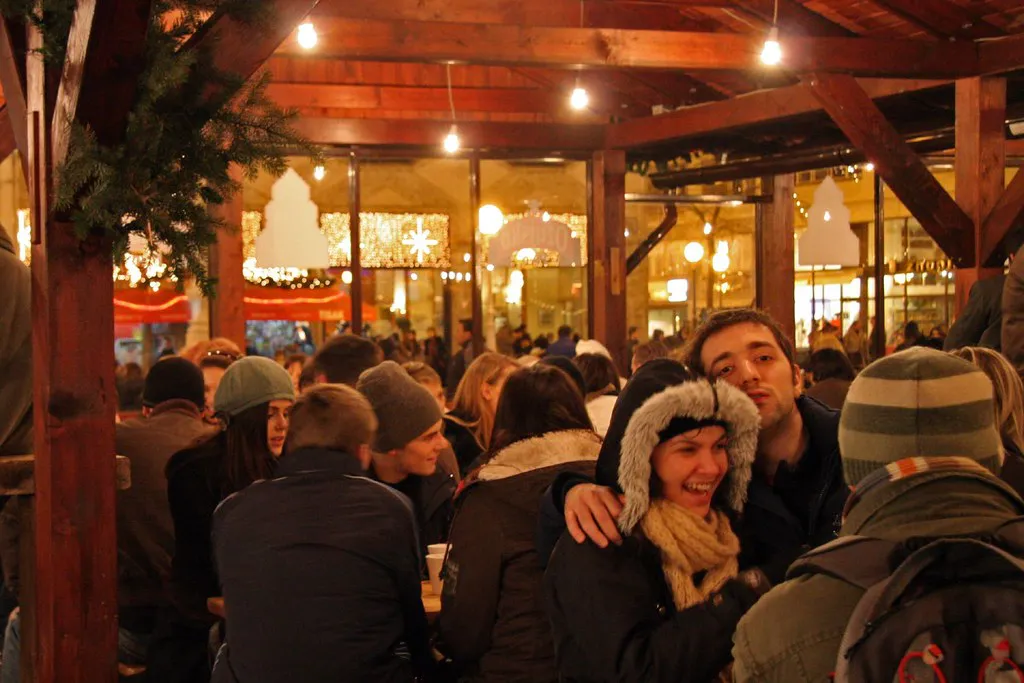
The heart of Advent activity begins at Ban Jelačić Square, the city's main public square. Each year it is dressed in twinkling lights across the 19th-century buildings that ring it. The Manduševac fountain at its center is decorated with an Advent wreath, and a central stage hosts cultural performances throughout the season. Surrounding stalls sell food, drinks, and locally made gifts. This is the logical starting point for any market visit.
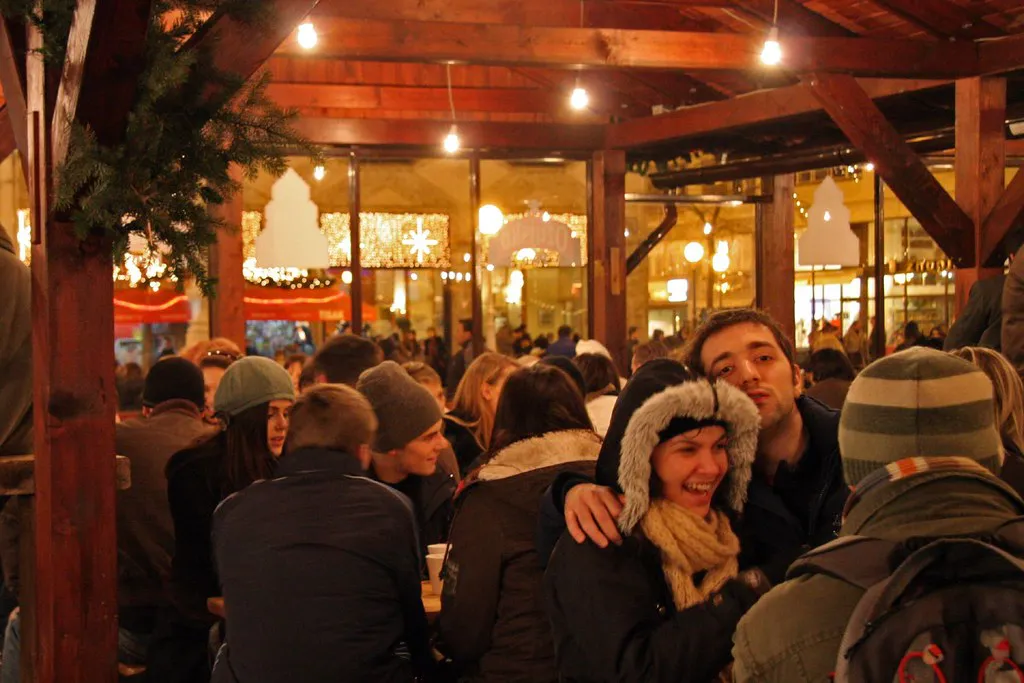
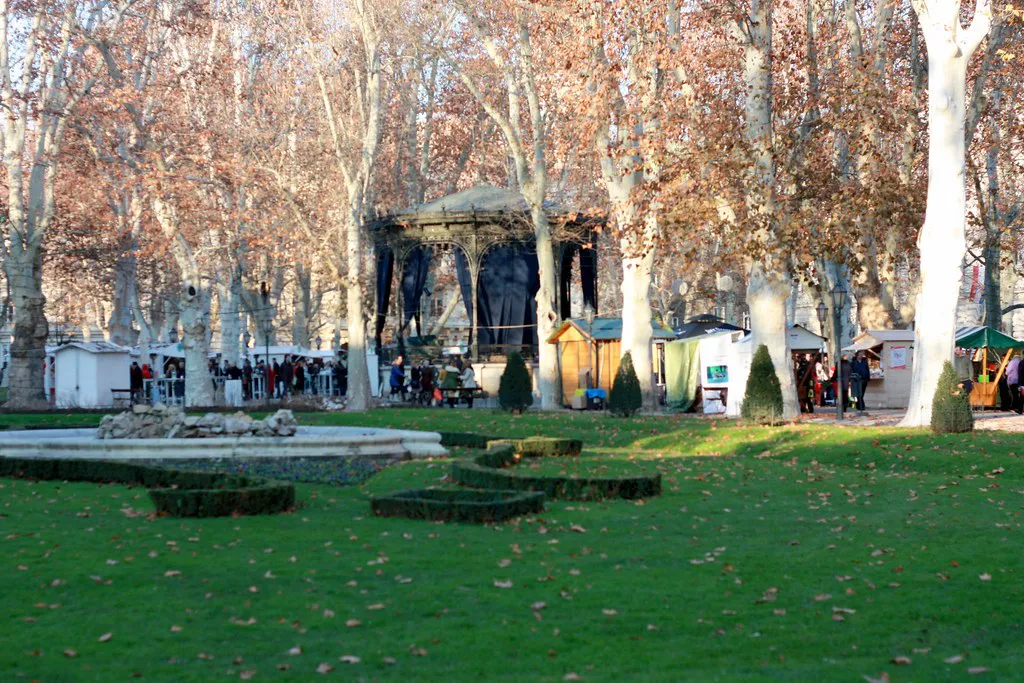
A short walk east, European Square draws a younger crowd with its urban atmosphere and DJ sets. It hosts one of the strongest culinary lineups at the entire Advent — gourmet street food from Zagreb's best restaurants, alongside traditional treats. The contrast with the more formal Ban Jelačić Square is deliberate and worth experiencing back to back. Zrinjevac Park offers a third, more romantic register: the park's tall plane trees are wrapped in thousands of lights, white wooden huts sell handcrafted gifts, and the historic music pavilion occasionally hosts live concerts. Seasonal dishes here include baked štrukli (rolled pastry with cottage cheese) and strudel.
At King Tomislav Square, the main draw is the open-air Ice Park set directly in front of the Art Pavilion, Zagreb's oldest art gallery. Skate slots fill quickly on weekends; book in advance through the official Advent Zagreb website. Further south, Strossmayer Square hosts Fuliranje — loosely translated as "fooling around" — where top Zagreb chefs serve everything from sarma to gourmet burgers while DJs keep the crowd moving. This market started near the funicular but moved to Strossmayer Square once demand outgrew the original site. It is the most energetic of the Lower Town locations and worth building an evening around.
For photography, do not skip Marić Passage between Gajeva and Praška streets. The narrow covered lane is transformed into a winter forest of LED-lit white branches — atmospheric by day, genuinely stunning after dark. Visit early morning or just after the stalls open at 11:00 to get clean shots without the crowds that gather from mid-afternoon onward.
The Upper Town Advent Walk: Grič Tunnel to Stross
The Upper Town (Gornji Grad) circuit is where Advent in Zagreb diverges most from a standard Christmas market. The Zagreb Tourist Board runs a "Light of Advent" program that illuminates the entire medieval quarter — St. Mark's Square, Bela IV Park, Gradec Plateau, and the Vranyczany Plateau — turning an already-scenic neighborhood into something genuinely spectacular after dark. You do not need to buy anything or queue for anything; just walk and look.
The centerpiece of this circuit is the Grič Tunnel. Originally built as a World War II bomb shelter, this 360-meter tunnel under the old city is repurposed each Advent season into an immersive light-and-display installation. Enter from Mesnička Street and follow one-way foot traffic through themed sections to the exit at Radićeva Street. In recent editions the tunnel has featured 3D projections and interactive exhibits. Admission is typically free. The one-way system means you cannot linger, but the experience is memorable and completely unlike anything at the Lower Town squares.
Once out of the tunnel, take the stairs left to reach the Strossmayer Promenade, where Advent on Stross and the Vranyczany Plateau markets run with panoramic views across the city below. This is where you find smooth jazz sets, choir performances, and gourmet food from some of Zagreb's most recognized chefs. The upper-town circuit — tunnel, Stross, then BAŠ NAŠ at Klovićevi Dvori gallery for its family workshops and Zagreb Art panorama — takes around 90 minutes at an easy pace and is best done in the early evening when the lights come on and the city spreads out below you.
Must-Try Food and Drink at Advent in Zagreb
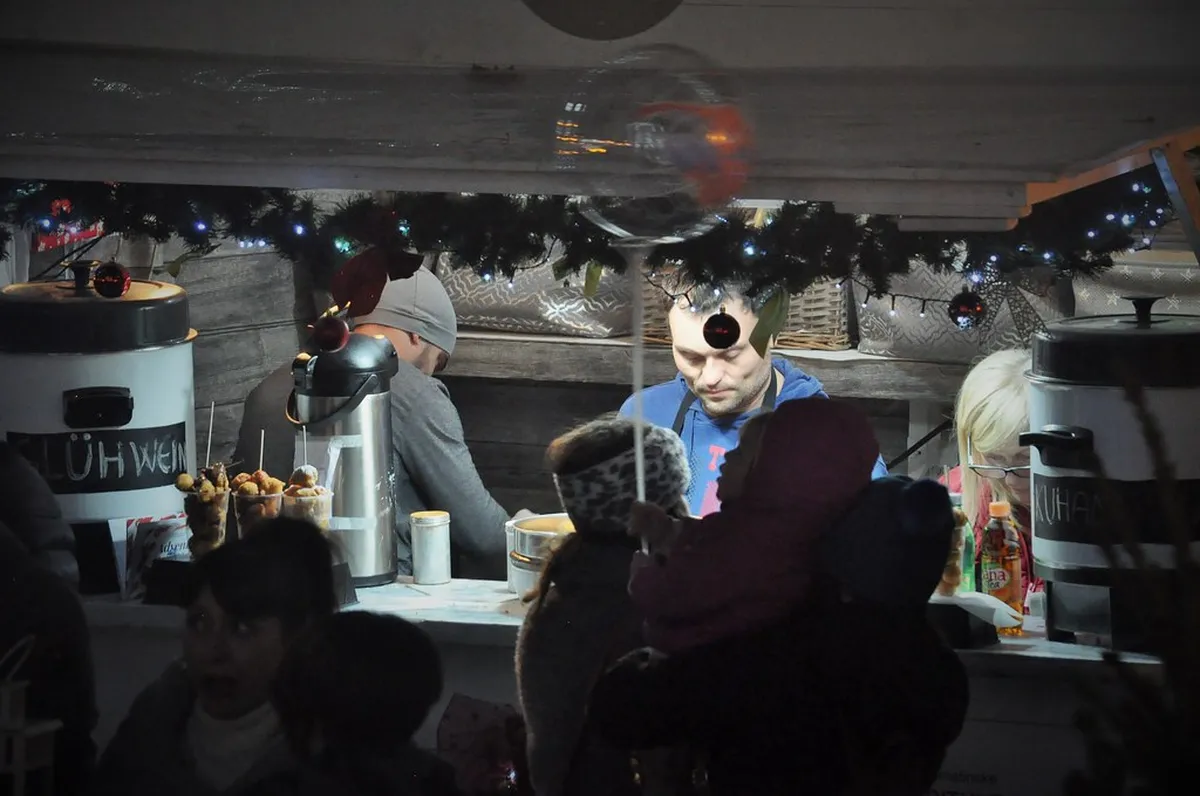
Food is central to the Advent experience and Zagreb's market scene goes well beyond the usual mulled wine and churros circuit. Start with fritule — small, hot doughnut balls flavored with brandy and raisins, served dusted with powdered sugar or drizzled in chocolate. They are sold at almost every square and are best eaten immediately, standing up. Medenjaci are the Croatian answer to gingerbread: spiced honey cookies that range from simple rounds at market stalls to elaborate decorated versions in gift tins.
Sarma — cabbage rolls stuffed with minced meat and rice — is the definitive warm market meal. It appears at several of the Fuliranje and European Square stalls alongside more modern options. At Zrinjevac you will also find krpice sa zeljem (pasta with cabbage), another cold-weather staple that rarely features in tourist recommendations but is genuinely good. For dessert, pick up a licitar heart: these bright-red honey-dough ornaments are an icon of Croatian folk tradition, edible but more commonly kept as decorations or given as gifts.
For drinks, mulled wine (kuhano vino) comes in red and white varieties, both infused with cloves, cinnamon, and orange peel. Cups run from 3 to 5 EUR at most stalls. Hot gin is a popular alternative, and locally made rakija (fruit brandy) is available everywhere — plum, pear, and quince are the most common. The Čokolada (chocolate) museum near the center fits the festive theme if you need an indoor break and a hot chocolate on a cold afternoon.
Beyond the Market: Winter Activities in Zagreb
The market stalls and food scene fill most of a day, but Zagreb has enough indoor culture to justify a longer stay. The Museum of Arts and Crafts on Roosevelt Square has a permanent collection that includes the kind of Croatian decorative objects you will see referenced at the market — context that makes the craft stalls more interesting. The Mimara Museum nearby holds one of the largest private art collections in the Balkans, with pieces ranging from ancient Egypt to 19th-century European painting. Both museums have shorter queues in December than at any other time of year.
Ice skating at King Tomislav Square is the most family-friendly Advent activity, but the BAŠ NAŠ market at Klovićevi Dvori Gallery in the Upper Town also runs children's workshops during the day — craft sessions, storytelling, and seasonal activities suited to younger visitors. The Ilica street Matica Hrvatskih Obrtnika passage (number 49) is worth noting for those interested in authentic Croatian artisan work: it runs workshops and demonstrations alongside its market stalls, and you can leave with something genuinely handmade.
If you want a day trip, the Ljubljana Christmas market is accessible by direct bus in around two hours and offers a strong contrast: a smaller, canal-framed market in a capital city with a very different architectural character. Many visitors pair the two cities across a long weekend, staying two nights in Zagreb and one in Ljubljana.
Planning Your Trip: Accommodation and Logistics
The market runs from late November through early January, with stalls typically open 11:00–23:00 daily. Weekends from mid-December onward are the busiest periods — expect dense crowds at Ban Jelačić and European Square from 17:00 onward on Fridays and Saturdays. If you prefer a quieter experience with full market access, weekday mornings in early December offer the best combination of atmosphere and space. The decorations and lights are identical to the peak period; only the crowd density differs.
For accommodation, the Lower Town has the densest hotel options and puts you within five minutes' walk of Ban Jelačić Square, European Square, and the tram network. The Upper Town has fewer hotels but if you can find one near the funicular or Gradec, the evening atmosphere is exceptional. Prices rise sharply in the second and third weeks of December; booking six to eight weeks ahead is standard for the prime mid-December window.
Zagreb's tram network connects all major market squares cleanly. Buy tickets at Tisak newsstands or tap a contactless card directly on the tram. The city center is largely pedestrianized so most inter-market walking takes 10 to 15 minutes between locations. The funicular from Ilica Street to Gornji Grad runs daily and costs around 0.66 EUR — it saves a steep walk and the views from the top justify the ride even if you are not taking it for convenience. Full program details, event schedules, and ice rink booking are at the official Advent Zagreb site. For trip planning context alongside other regional markets, the secondary European Christmas markets guide covers several cities that pair well with Zagreb.
For those extending the trip, the Sibiu Christmas market in Romania and Zagreb make an interesting Balkan-Central European double. Both are award-winners in the European Best Destinations rankings and neither requires long travel times by air from most Western European hubs.
Frequently Asked Questions
Is Zagreb Christmas market worth visiting?
Yes, the market is widely considered one of the best festive events in Europe. It offers a unique mix of traditional food, crafts, and beautiful park decorations. Most visitors find the atmosphere more authentic than larger German markets.
Is Zagreb cold in December?
Zagreb is quite cold in December with temperatures often between 0-5°C / 32-41°F. You should expect crisp air and occasional light snow during your visit. Wearing thermal layers and waterproof boots will keep you comfortable while exploring.
What is the Christmas market in Zagreb 2025?
The 2025 market features the popular ice rink at King Tomislav Square and numerous stalls. It continues the city's tradition of high-quality lighting and local Croatian gastronomy. The event typically runs from late November through early January.
The Zagreb Christmas market offers a magical winter experience that balances tradition with modern flair. By visiting the different squares — from the family-friendly Ice Park to the DJ-driven Fuliranje and the atmospheric Grič Tunnel — you cover the full range of what Advent in Zagreb actually is. Plan your trip for mid-December to see the decorations at their most vibrant, dress for 0–5°C temperatures, and build your itinerary around the Upper Town evening walk as well as the Lower Town stalls. For more festive inspiration, explore our guide to the Maastricht Christmas market.
Free guide: Europe's Festival Calendar
A month-by-month map of Europe's unmissable festivals — with the best dates to visit each and a local tip you won't find in the guidebooks.
You might also like
Continue reading
More guides you'll find useful