Plovdiv Christmas Market Guide: 8 Festive Things to Do
Plan your trip to the Plovdiv Christmas market with our guide to the Kapana bazaar, the Balkan's largest ice rink, 2026 dates, and local food tips.
On this page
Plovdiv Christmas Market: 8 Festive Things to Do
Plovdiv shines brightest during the festive season, combining ancient Roman ruins with a genuinely warm Bulgarian holiday atmosphere. The Christmas market season runs from early December through early January, with the peak of the festivities concentrated in the two weeks before Christmas. Bulgaria's second city offers a more intimate and affordable alternative to the larger Sofia Christmas market, where entry fees at some venues reach 34 BGN just to walk through the gate.
Two distinct market zones give visitors very different experiences in the same city. The Kapana district is the creative, craft-focused heart of the celebrations. The Little Main Street bazaar, located between the Roman Stadium and the Hali, offers a wider commercial selection and some of Plovdiv's most charming charity stalls. Both are free to enter, and both are within easy walking distance of each other.
This guide covers the eight best festive activities in Plovdiv, from the Balkans' largest ice rink to golden-hour photo spots in the Old Town. Last updated June 2026.
Free guide: Europe's Festival Calendar
A month-by-month map of Europe's unmissable festivals — with the best dates to visit each and a local tip you won't find in the guidebooks.
The Kapana Christmas Bazaar (Primary Market)
The Kapana district is the creative heart of Plovdiv's festive season. Locals call it "The Trap" because of its narrow, winding pedestrian streets — once you enter, you rarely want to leave. During December, dozens of wooden huts fill the lanes with handmade Bulgarian ceramics, leather goods, and hand-knit winter accessories. Artisans often demonstrate their craft right at the stall, which makes buying something here feel genuinely personal.
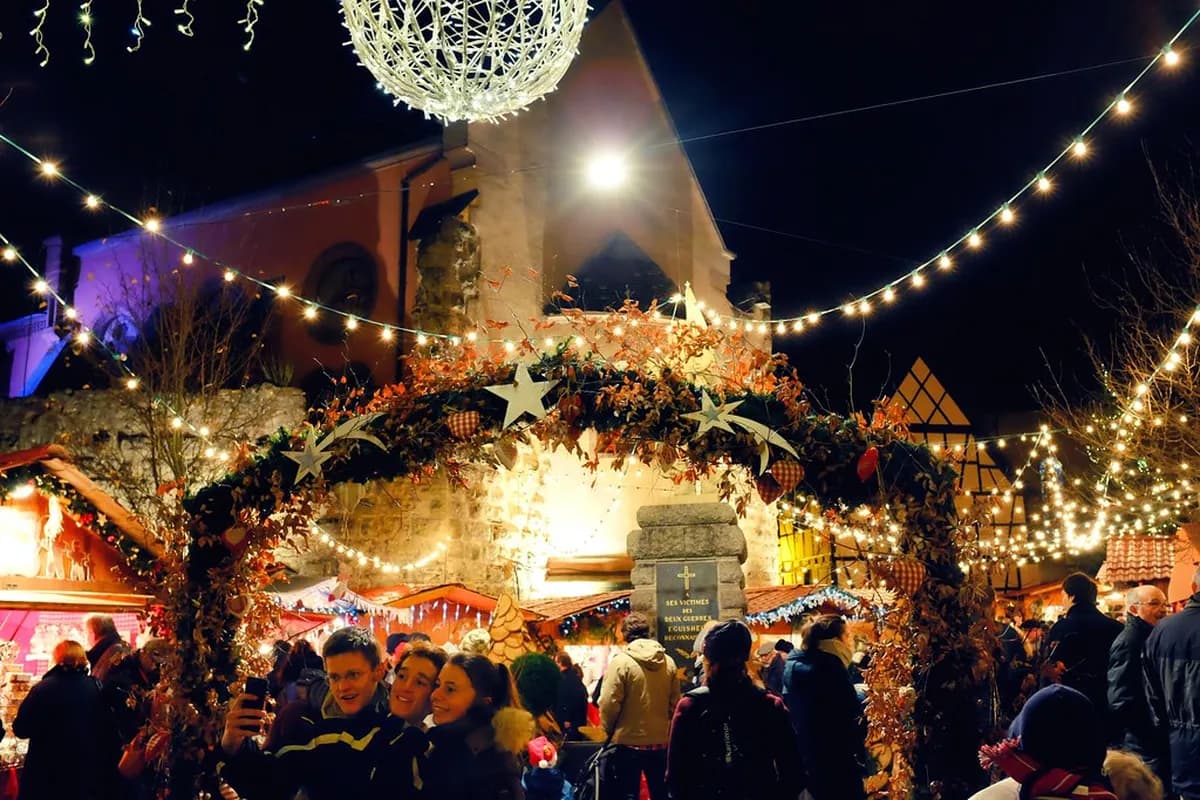
The atmosphere in Kapana is distinct from more commercial European markets. Festive lights hang between the buildings, creating a gold canopy over the district that comes alive after dark. Most stalls open from late morning and stay busy until around 21:00 during peak season. Weekends draw visitors from towns across the Plovdiv region, so arriving on a weekday morning gives a more relaxed experience.
The bazaar typically runs for about ten concentrated days leading up to Christmas. Check the Lost in Plovdiv guide for the latest vendor highlights and specific opening days for 2026.
Ice Rink at Tzar Simeon Garden (Largest in Balkans)
The seasonal ice rink at Tzar Simeon Garden is one of the most impressive winter attractions in Southeast Europe. At 2,500 square meters, it is frequently cited as the largest ice rink on the Balkan Peninsula. The rink is located between the Central Post Office and the garden itself, making it easy to find from the main pedestrian zone. Its defining feature is a network of "ice alleys" that wind through the park's winter trees, creating a skating experience that feels more like a scenic route than a standard oval rink.
Sessions run in two-hour blocks throughout the day, with breaks scheduled between slots for ice maintenance. Entrance costs approximately 20 BGN per session, and skate rental adds 4 BGN. Prices may increase for the 2026 season, so confirm current rates on arrival. Evening sessions are the most atmospheric, with festive music and coloured lighting making the rink the social centre of the city's winter.
Families will find the rink welcoming, with calmer areas suitable for younger children alongside the main alleys. The evening peak draws the largest crowds during the school holidays in late December and early January. Arriving just before a session opens avoids the longest queues at the rental counter.
Christmas Shopping on the Little Main Street
The "Little Main Street" bazaar sits between the Roman Stadium and the Hali, a few minutes' walk from Kapana. This is where the larger, more varied commercial Christmas market sets up each year. Stalls here carry festive decorations, toys, and packaged Bulgarian gifts alongside the usual holiday fare. The wider lanes make it easier to browse comfortably, even on busy weekend afternoons.
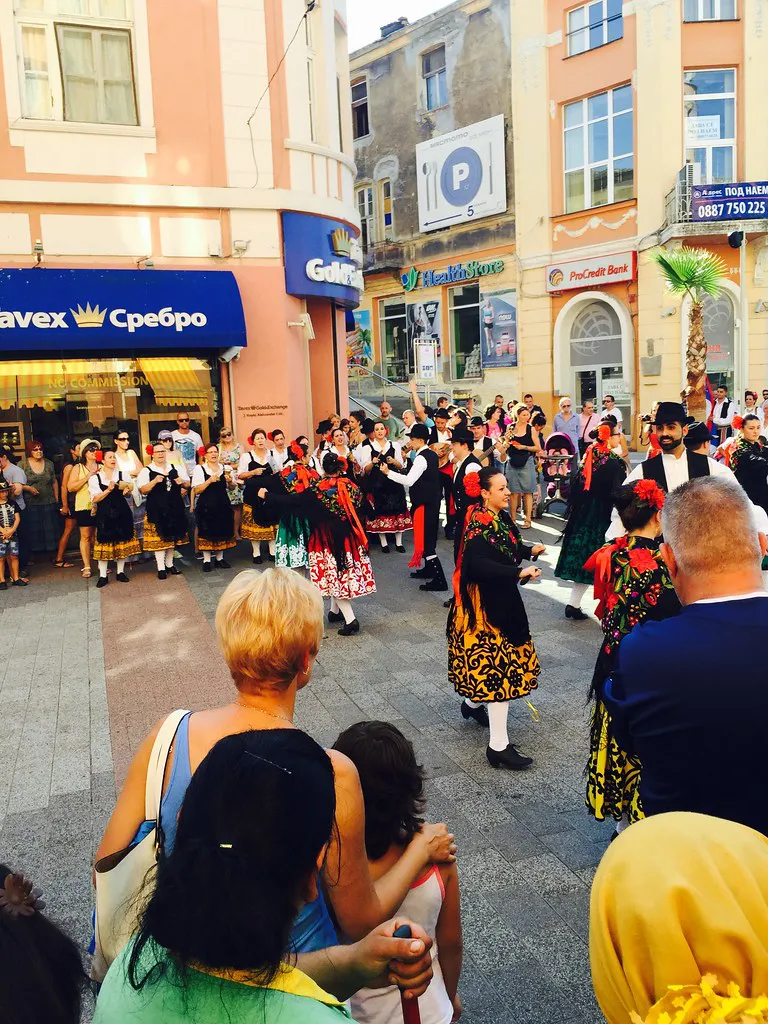
Charity stalls are one of the best reasons to spend time here rather than just passing through. The Plovdiv Language High School often operates a stall to raise funds for community projects, and buying from student-run stands carries a different feel than a standard retail transaction. Prices across the bazaar are very reasonable, frequently undercutting the specialist artisanal stalls in Kapana.
The proximity to the Roman Stadium is a genuine bonus. You can view the ancient ruins from the edge of the market, which creates an unusually layered backdrop for Christmas shopping. Several traditional bakeries on the surrounding streets extend their opening hours during the final week of December, making this end of the pedestrian zone worth a slow walk rather than a quick pass-through.
Traditional Festive Food and Drinks in Kapana
The local food scene at the Plovdiv Christmas market goes well beyond standard glühwein. The signature drink here is Greyana Rakia — mulled fruit brandy heated with honey and peppercorns. It is more potent than mulled wine and significantly more Bulgarian. The Fabrik booth in Kapana has a strong reputation for serving one of the best versions in the district, and it is worth seeking out specifically rather than settling for the first stall you find.
For solid food, look for these items at the market stalls:
- Fritule — small fried dough balls dusted with powdered sugar, a Balkan winter staple
- Banitsa — warm pastry filled with white cheese, best eaten fresh from the oven
- Grilled sausages — straightforward and filling, widely available across both market zones
- Sarma — stuffed cabbage leaves, a Bulgarian Christmas Eve tradition found in sit-down restaurants around Kapana
Prices for food and drink remain very affordable by European standards. A cup of mulled wine or rakia costs between 5 and 8 BGN. Street food portions typically run from 10 to 15 BGN. Restaurants around Kapana run special festive menus in December, which offer a warmer setting than outdoor stalls for a longer meal.
Plovdiv vs. Sofia: Which Christmas Market Is Worth Your Time?
Both cities run active festive programmes, but they suit very different types of visitors. Plovdiv's markets are free to enter, concentrated in two walkable zones, and oriented toward craft and community. Sofia's programme is larger and more spread out — the German Christmas Market near the National Theatre, the Sofia Christmas Fest at the National Palace of Culture, and several smaller squares all run simultaneously across December.
The sharpest contrast is cost. Sofia's NuBoyana Film Studios market charges 34 BGN (approximately 17 EUR) as an entry fee before you buy anything. The themed experience is genuinely cinematic but the price is a significant ask for what is still a fairly young market scene. Plovdiv charges nothing at the gate for either the Kapana bazaar or the Little Main Street market, and the ice rink at Tzar Simeon Garden (2,500 sqm) is larger than anything Sofia currently fields.
If you are visiting Bulgaria in December and have time for only one city, Plovdiv is the better choice for anyone who values atmosphere over scale. If you want variety across multiple simultaneous markets and a broader range of international food stalls, Sofia makes more sense as a base. The two cities are just 90 minutes apart by direct bus, so a day trip in either direction is entirely practical.
Winter Sunset Views and Festive Photo Spots
Plovdiv's hills offer some of the best December photography settings in Bulgaria, and they are free and accessible to anyone. Nebet Tepe in the Old Town is the most visited vantage point. The sun sets early in December — typically around 16:50 local time — which means the golden hour begins in the mid-afternoon. Arriving by 16:15 gives enough time to find a good position before the light shifts.
Bunardzhik Hill, also known as Alyosha Hill, provides a wider panoramic view across the entire Thracian Valley. The path to the top is well-paved and safe in winter conditions, though the climb is steep. From the summit, the festive lights of the city centre create a visible glow as dusk falls. This is the better option for anyone who wants a wider cityscape shot rather than the intimate Old Town framing you get from Nebet Tepe.
For street-level photography, the stretch of Kapana immediately after dark — when the overhead lights are fully lit and the stalls are busy — delivers the most characterful shots. The combination of Roman-era stone walls and contemporary LED garlands in the Old Town adjacent to the market area creates a contrast that is unique to Plovdiv among Balkan Christmas destinations.
Winter Walking Tours with the 365 Association
The 365 Association runs free walking tours of Plovdiv year-round, and December is one of the most rewarding months to join one. The tours depart from the central square and cover the Old Town, Kapana, and the Roman landmarks on a tip-based model that keeps them accessible to all budgets. In winter, the reduced crowds on the cobblestone streets mean guides can spend more time at each stop without managing large groups.
A winter tour adds useful context that pure market visits miss. Guides explain the significance of Koleda (Bulgarian Christmas) and Koleduvane, the tradition of carolling that takes place from Christmas Eve through early January. Understanding these local customs makes a stroll through Kapana on a festive evening feel considerably richer than navigating it cold with a map.
Tours typically run daily and last around two hours. The tip-based model means there is no booking fee, though confirming the meeting point via the Free Plovdiv Tour website before you arrive is advisable. The winter tour is a practical way to orient yourself in the first few hours after arrival, particularly if you plan to spend more than one day in the city.
Essential Planning: Dates, Weather, and Logistics
The Plovdiv Christmas market season typically opens in the first week of December and runs through early January. The Kapana bazaar generally has a shorter, more concentrated run of around ten days in the lead-up to Christmas Day. The ice rink at Tzar Simeon Garden often stays open into February. Always verify specific 2026 dates on the Official Plovdiv Tourism Portal before booking travel, as exact start dates shift slightly year to year.
Winter weather in Plovdiv is cold and occasionally foggy. Temperatures typically range from −2 to 6°C during December. The Thracian Valley can trap cold air, producing a thick local fog called Mugla that sometimes causes flight delays into Plovdiv Airport. Sofia Airport is a reliable 90-minute alternative, with frequent direct buses and trains running between the two cities for very low fares.
Packing priorities for the market season: insulated waterproof boots for the uneven cobblestone streets of the Old Town, thermal base layers, and a warm mid-layer. Some smaller hilltop kiosks and outdoor museum sections close from November through March, but the Roman Stadium, major galleries, and the city's central historic area remain fully open throughout winter.
Frequently Asked Questions
Does Plovdiv have a Christmas market?
Yes, Plovdiv hosts several festive markets during the December season. The most popular hub is the Kapana district, which features artisanal crafts and local food. Another large bazaar is located on the Little Main Street near the Roman Stadium.
When does the Plovdiv Christmas market start?
The festive season usually begins in early December and lasts through the first week of January. Specific craft bazaars in Kapana often have a shorter duration. It is best to check official local listings for the exact 2025 opening dates.
Is Plovdiv worth visiting in winter?
Plovdiv is a fantastic winter destination for those seeking a cozy and authentic atmosphere. You can enjoy the Balkan's largest ice rink and traditional mulled rakia. The city is also much more affordable than major Western European holiday spots.
Plovdiv offers a magical winter experience that balances ancient history with genuine festive traditions. Whether you are skating on the 2,500-square-meter ice rink or sipping mulled rakia at the Fabrik booth in Kapana, the city delivers a holiday atmosphere that feels earned rather than manufactured. The intimate scale and free-entry markets make it a compelling alternative to the Riga Christmas market for anyone looking for Eastern Europe on a sensible budget.
Plan your visit for mid-December to catch the Kapana bazaar at its busiest and the ice rink before the school holiday crowds arrive. Pack warm layers, allow a full afternoon for the Old Town hills at sunset, and join a 365 Association walking tour on your first day to anchor everything else in context. Plovdiv remains one of the most rewarding winter destinations in the Balkans.
Free guide: Europe's Festival Calendar
A month-by-month map of Europe's unmissable festivals — with the best dates to visit each and a local tip you won't find in the guidebooks.
You might also like

Continue reading
More guides you'll find useful