
How to Experience Summer Solstice at Stonehenge: 7 Tips
Master the Stonehenge Summer Solstice with our 2026 guide. Learn about Managed Open Access, 3am arrival tips, transport from London, and what to pack.
On this page
How to Experience Summer Solstice at Stonehenge: 7 Essential Tips
Last updated June 2026. Standing among the ancient pillars of Stonehenge during the summer solstice remains a bucket-list experience for global travelers. This astronomical event marks the longest day of the year when the sun aligns perfectly with the Heel Stone. Thousands gather on the Salisbury Plain to witness the dawn of a new season in a sacred landscape.
Quick Answer: The best way to experience the solstice is by arriving for the sunrise ceremony via the official shuttle. Most visitors choose the overnight vigil to see the sun align with the Heel Stone at dawn. Alternatively, attend the sunset on the previous evening for a slightly smaller crowd and easier travel logistics.
Planning your journey requires careful attention to the Managed Open Access rules provided by english-heritage.Org.uk for safety. Unlike standard visits, the solstice allows you to walk directly into the inner stone circle without a fence. This guide covers everything from the 3am cobalt walk to the specific transport routes from Salisbury and London.
Free guide: Europe's Festival Calendar
A month-by-month map of Europe's unmissable festivals — with the best dates to visit each and a local tip you won't find in the guidebooks.
Understand the Significance of the Summer Solstice
The summer solstice is the moment the Earth's North Pole reaches its maximum tilt toward the sun. At Stonehenge, this alignment is visible as the sun rises over the Heel Stone and hits the altar. Ancient builders designed the monument specifically to track these solar cycles over thousands of years. This astronomical precision makes the site a focal point for modern astronomical study and spiritual reflection.
Modern celebrations bring together what stonehengetours.com calls "England's New Age Tribes" — neo-druids, neo-pagans, and Wiccans — alongside ordinary families, tourists, and party people. You will see people from all walks of life dressed in traditional robes or colorful festival gear. The atmosphere is communal and celebratory, filled with the sounds of drumming, acoustic music, and the occasional pan pipe drifting over the Salisbury Plain. It is one of the few times the site feels like a living temple rather than a museum.
Many visitors find the cultural diversity of the crowd just as fascinating as the stones themselves. The event bridges the gap between ancient history and contemporary spirituality in a unique way. You might encounter a midsummer celebrations in Europe enthusiast comparing local solstice traditions. Respecting the sacred nature of the site is vital for all attendees during the open access period.
Check the 2026 Solstice Dates and Times
The 2026 Summer Solstice Managed Open Access window runs from sunset on Saturday 20 June to sunrise on Sunday 21 June. English Heritage opens the stones to the public for approximately three hours at each end of the window — meaning you choose either the sunset session or the sunrise session, not an all-night free roam. The sunrise session is the headline event; the sun clears the tree line and appears over the Heel Stone at approximately 04:52 on 21 June.
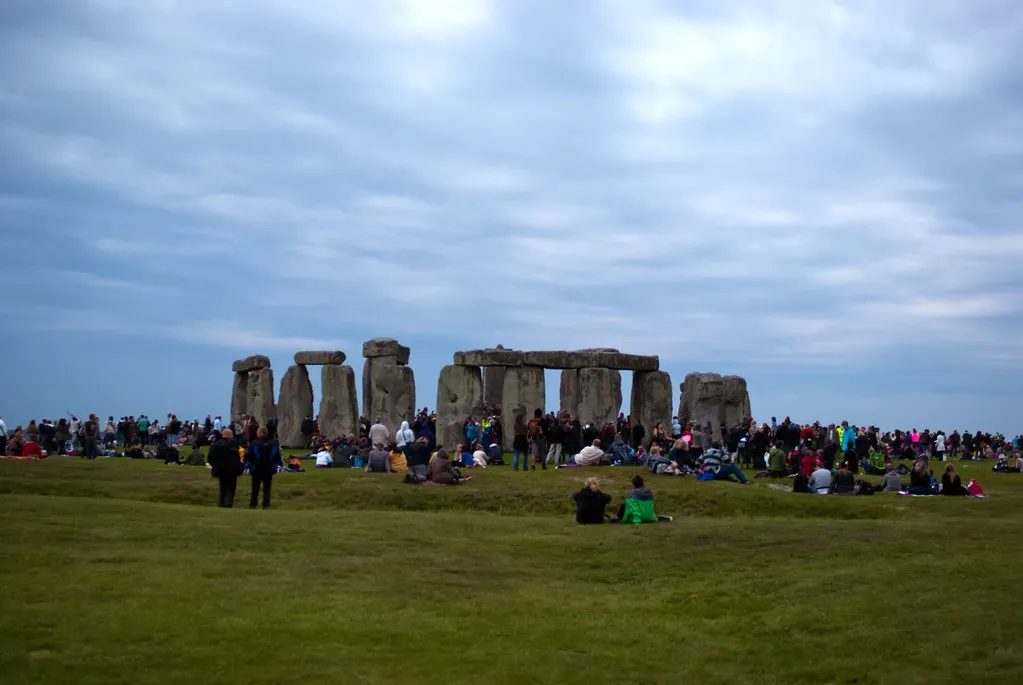
Entry during Managed Open Access is free. You do not need a ticket, but you must still queue through the security checkpoint at the main entrance. Crowd estimates for 2026 are expected to reach the historic figure of around 10,000 people recorded in previous years. Arriving before 01:00 for the sunrise session is strongly recommended if you want a position close to the Heel Stone.
The sunset session on 20 June sees considerably smaller numbers than the sunrise session, making it a quieter and more contemplative option. Organized tours from London and Bath typically depart around 16:00 on 20 June for the sunset session and around 01:00 on 21 June for the sunrise. Check the english-heritage.Org.uk site for any 2026-specific announcements before you travel.
Choose Between the Sunrise and Sunset Experiences
Most guides treat sunrise as the only option, but English Heritage runs two separate access windows — and the sunset session on the evening of 20 June is genuinely underrated. The key difference is scale: sunrise draws the bulk of the 10,000-person crowd, while sunset consistently sees lighter attendance and shorter queues at the security gate. If your priority is spending time close to the stones themselves rather than watching the specific astronomical alignment, sunset is worth serious consideration.
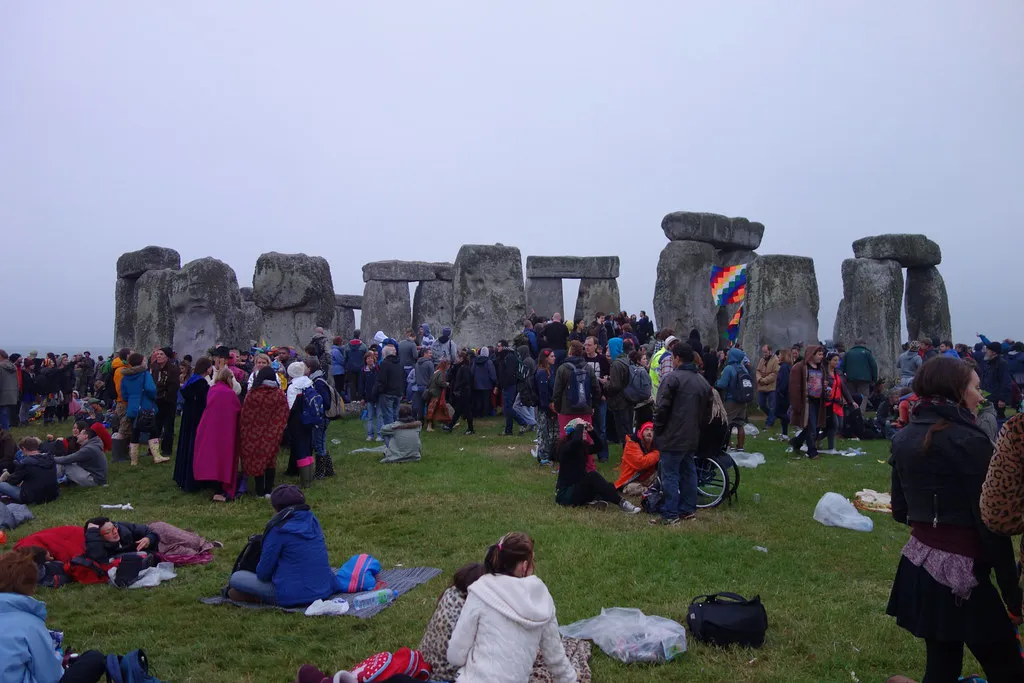
- Sunrise session (21 June, ~04:52): Peak atmosphere. The Heel Stone alignment is visible. Crowds are largest. Expect a busy farm track walk and a significant queue for return shuttles after 06:00. Depart London or Bath around 01:00 on 21 June; back by 08:00.
- Sunset session (20 June, ~21:26): Smaller crowd, daylight travel to site, easier parking. The Druid ceremonies and drum circles are just as active. Depart London or Bath around 16:00 on 20 June; back by 01:00.
For photographers, sunset gives softer golden-hour light for the whole approach walk rather than the low-contrast pre-dawn blue. For families with children or those with mobility concerns, sunset removes the challenge of a predawn walk across unlit farm tracks. For solstice purists who want the precise astronomical moment of the sun over the Heel Stone, sunrise remains the correct choice. Read the full overview in our Summer Solstice at Stonehenge guide for session-by-session logistics.
Navigate Managed Open Access Requirements
Managed Open Access is a special agreement that allows the public into the stone circle. This policy is strictly enforced by English Heritage to protect the fragile Neolithic monument. You must pass through a security checkpoint where guards look for prohibited items. Understanding these rules is essential to ensure you are not turned away at the gate.
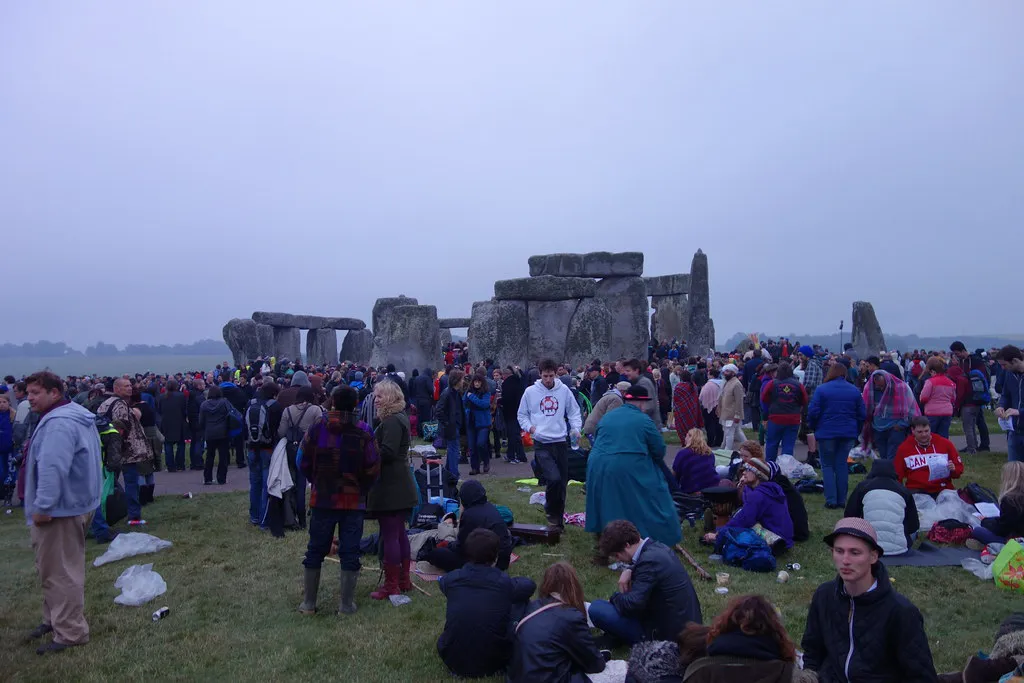
Alcohol and glass containers are strictly forbidden inside the monument field for safety reasons. You cannot bring chairs, large umbrellas, or naked flames into the inner circle area. Sleeping bags and small blankets are allowed for the overnight vigil, but tents are completely prohibited on site. Security will confiscate any items that could potentially damage the stones or harm other visitors.
The inner circle access is a privilege that depends on the respectful behavior of the crowd. Climbing on the stones is never allowed and can lead to immediate removal from the site. Follow the instructions of the stewards who manage the flow of people around the Heel Stone. Large rucksacks are also likely to be rejected at the gate — pack everything into a bag no larger than A3.
Compare Your Transport and Parking Options
Choosing how to get to the site depends on your budget and where you are staying. The Salisbury Reds shuttle bus is the most popular choice for those arriving by train. Driving offers more flexibility but the official car park often fills up hours before sunset. If you want a stress-free experience, consider an organized midi-coach tour from London or Bath.
If you prefer a guided experience, several companies offer packages with round-trip transport from central London or Bath, often including a breakfast box for the journey back. The two main departure slots for 2026 tours are 16:00 on 20 June (sunset) and 01:00 on 21 June (sunrise), returning at approximately 01:00 and 08:00 respectively. Travelers on a budget should stick to the local bus service from Salisbury city center. Always check the Londontoolkit.com blog for the latest transport schedule updates.
- Salisbury Reds Shuttle Bus: Costs £10 / ~€12 for a return trip from Salisbury station. Operates every 15 to 20 minutes during peak arrival and departure times. Best option for solo travelers and those without cars.
- Official Stonehenge Solstice Parking: Costs approximately £15 / ~€18 per vehicle. Located a 30-minute walk from the stones via a dedicated farm track. Best for groups but requires arriving very early to secure a space.
- Organized Midi-Coach Tours: Prices range from £100 / ~€120 to £150 / ~€180 including transport and a guide. Departs from London or Bath and handles all logistics for both sunrise and sunset sessions. Best for international visitors who want a guaranteed and comfortable route.
Take the Public Footpath to Avoid Car Park Congestion
Almost every guide focuses on the official car park or the shuttle drop-off, but there is a lesser-known approach that experienced solstice visitors rely on: the public footpath through the farmer's fields. If you are driving, parking away from the official Stonehenge car park and walking in via the farm track significantly reduces the time spent in traffic on the A303 and cuts the post-sunrise queue for the car park exit by a wide margin.
The footpath runs parallel to the A303 across open farmland toward the stones. At 03:00 on the morning of 21 June the sky is already that distinctive cobalt blue that regular visitors describe — bright enough to see the track ahead of you and the figures of other pilgrims crossing the fields alongside you. Cows and sheep often graze in the adjacent fields, entirely unbothered by the procession. The walk from a roadside parking spot along this route takes roughly 30 to 45 minutes and arrives at the perimeter security gate from a different angle than the shuttle-fed main crowd.
A few practical points: stay on the marked footpath and do not cross into fenced farmland off the track. Wear sturdy footwear — the grass can be wet even in June and the ground is uneven. Bring a small torch or use your phone light for the first section before the cobalt sky gives enough ambient light to navigate. This approach is particularly useful for photographers who want to capture the farm track silhouettes before reaching the stones.
Prepare for the Atmosphere and Rituals
The atmosphere at Stonehenge during the solstice is unlike any other festival in the UK. As the night progresses, the air fills with the scent of incense and the sound of drums. Many people find the 3 am cobalt sky to be the most beautiful part of the night. This pre-dawn light creates a mystical backdrop for the upcoming sunrise over the Salisbury Plain.
Druids and Pagans lead the official ceremonies, which often involve chanting and traditional music. You are welcome to observe these rituals, but please maintain a respectful distance from the practitioners. The energy of the crowd peaks as the first light appears on the horizon near the Heel Stone. It is a moment of shared silence and wonder for the thousands of people gathered together.
Photography is popular, but using tripods in the inner circle is usually restricted during peak times. Handheld cameras are fine, though the low light requires a steady hand for clear shots. Capture the silhouettes of the stones against the changing colors of the early morning sky. Many visitors also enjoy the festive atmosphere of midsummer celebrations across Europe, and the sense of community here is similar.
Follow the Essential Rules and Packing List
Preparation is the key to enjoying a long night out in the British countryside. The Salisbury Plain is notoriously damp and cold even during the summer months — temperatures can drop to single figures by 03:00. A solid packing list ensures you stay comfortable while waiting for the 04:52 sunrise. Review the prohibited items list one last time before leaving your accommodation in Salisbury.
If you encounter issues, stewards and first aid teams are stationed throughout the monument field. Mobile phone signal can be unreliable due to the high density of people in one area. Establish a meeting point with your group in case you get separated in the dark.
- Warm thermal layers and a windproof outer shell for the cold predawn hours.
- Sturdy, waterproof footwear for walking through potentially wet and muddy farm tracks.
- Small power bank to keep your phone charged for photos and navigation.
- Refillable water bottle — glass is strictly prohibited on site.
- Small snacks such as energy bars; avoid bringing alcohol as it is no longer permitted.
- A small blanket or sleeping bag for sitting on the grass during the vigil.
- A printed copy of your transport tickets in case of phone failure.
- A small torch or headlamp for the farm track walk before the cobalt sky brightens.
Frequently Asked Questions
Can anyone go to Stonehenge on the summer solstice?
Yes, Managed Open Access allows the public to enter the stones for free. You must follow strict rules regarding prohibited items like glass or chairs. The event is open to all respectful visitors.
What time should I arrive for the solstice sunrise?
You should aim to arrive between midnight and 3:00 am. The sun rises around 4:52 am, and security checks take time. Early arrival ensures you get a spot inside the stone circle.
Is there a fee for the summer solstice at Stonehenge?
Entry to the monument is free during the Managed Open Access period. However, you must pay for parking or shuttle bus transport from Salisbury. Parking usually costs around £15 / ~$19 per vehicle.
Experiencing the summer solstice at Stonehenge is a powerful way to connect with history and nature. By following the Managed Open Access rules and planning your transport — including the lesser-used public footpath approach — you can enjoy a stress-free morning among the stones. Whether you choose the sunset session on 20 June or the sunrise on 21 June, the experience is unforgettable.
Remember to dress warmly and respect the sacred landscape of the Salisbury Plain. This ancient tradition continues to inspire thousands of visitors every year in the United Kingdom. Prepare for the 3am cobalt walk and witness one of the world's most iconic sunrise events in 2026.
Free guide: Europe's Festival Calendar
A month-by-month map of Europe's unmissable festivals — with the best dates to visit each and a local tip you won't find in the guidebooks.
You might also like



Continue reading
More guides you'll find useful


