Swedish Midsummer Guide: 7 Essential Tips for the Solstice
Master Swedish Midsummer with our guide to traditions, the best celebration spots in Dalarna and Stockholm, and essential tips for food, dancing, and white nights.
On this page
Swedish Midsummer Guide: 7 Essential Tips for the Solstice
Midsummer marks the peak of the Swedish summer season and the longest day of the year. Locals celebrate this vibrant holiday with ancient traditions, floral crowns, and communal feasts. This Swedish Midsummer guide will help you navigate the unique customs found across the country.
Free guide: Europe's Festival Calendar
A month-by-month map of Europe's unmissable festivals — with the best dates to visit each and a local tip you won't find in the guidebooks.
The Significance of the Summer Solstice in Sweden
The summer solstice represents a time of magic and mystery in Nordic culture. Swedes celebrate the return of light after long, dark winters with immense enthusiasm. For many locals, this holiday holds more cultural weight than Christmas or Easter. Nature plays a central role as people head to the countryside to enjoy the lush greenery.
Historically, the night was believed to have supernatural powers that could predict the future. Young people would pick seven types of flowers to place under their pillows. Legend says this ritual allows them to dream of their future spouse. Modern celebrations maintain this deep connection to the natural world and seasonal cycles.
The holiday officially falls on a Friday between June 19 and June 25 each year. In 2026, Midsummer Eve falls on Friday 19 June. Most businesses close down as the entire nation shifts into a festive mood. You will see cities empty out while coastal and rural areas become bustling hubs of activity. Understanding these rhythms is key to planning a successful trip during this period.
Best Places to Celebrate: From Skansen to Dalarna
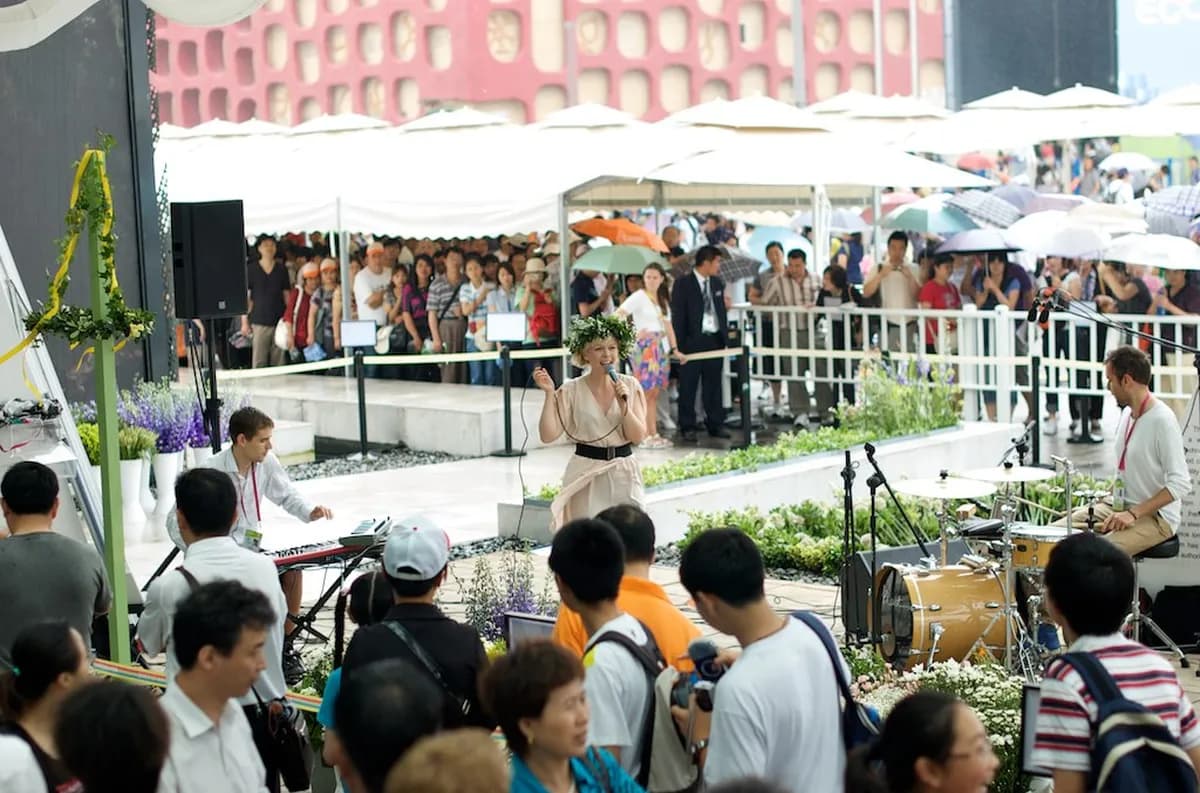
Stockholm offers fantastic urban celebrations for those staying in the capital city. The Skansen open-air museum hosts one of the largest public Midsummer events in the country. You can enjoy folk music and traditional dancing without leaving the city center. These events usually start around noon and provide a great introduction for first-time visitors.
For a more rustic experience, head to the Dalarna region in central Sweden. This area is widely considered the heart of Swedish folklore and traditional craftsmanship. Many travelers choose to experience Swedish Midsummer in villages around Lake Siljan. You will see locals wearing traditional folk costumes while parading through historic streets.
Small coastal towns in the Stockholm archipelago also host intimate and charming parties. Reaching these islands requires a ferry ride, so check the holiday boat schedules early. The atmosphere on the islands is often more relaxed and focused on family gatherings. Vaxholm and Sandhamn are popular choices for those seeking a maritime celebration.
Stockholm vs Dalarna: Which Suits You?
The two most popular settings offer very different experiences. Stockholm at Skansen is structured and easy to reach by public transport — ideal if this is your first Midsummer and you want a guaranteed program. Entry costs around 220 SEK for adults in 2026, and the schedule is published weeks in advance. You will share the event with thousands of other visitors, which keeps the atmosphere lively but impersonal.
Dalarna, by contrast, places you inside a living local tradition rather than a staged showcase. Villages like Leksand and Rättvik around Lake Siljan hold celebrations that draw the same families year after year. You will need a car or a regional train from Stockholm (around 3 hours) and should book accommodation months ahead. The trade-off is complete immersion: folk costumes, locally made food, and a crowd that genuinely knows every word of every song.
How to Build a Maypole and Craft a Flower Crown
Building the maypole, or midsommarstång, is a community effort involving many hands. Men and women gather flowers and birch leaves early in the morning for decoration. The pole is then adorned with two large wreaths on each side and wrapped in greenery. Everyone works together to raise the heavy structure into place using long wooden poles.
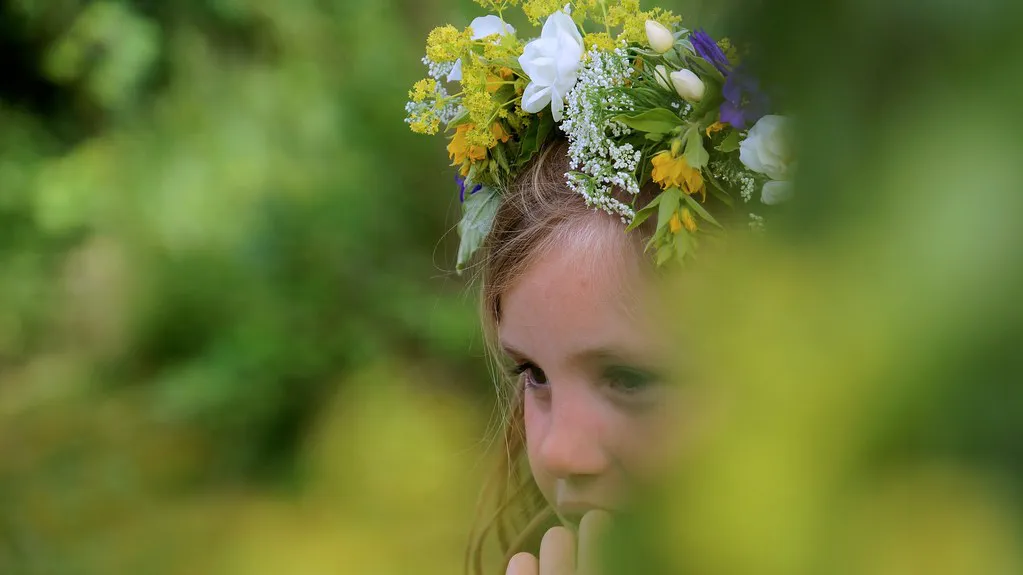
Crafting a flower crown, the midsommarkrans, is an essential part of the festive look for everyone. You are typically given a wire headband as a sturdy base for your floral design. The leaves used are often more vine-like than stiff, which makes them easy to intertwine around the wire. Birch leaves serve as the perfect green filler between colorful meadow blooms.
Try to include a variety of colors to make your crown stand out in photos. Keep your finished crown in a cool spot until the party starts. Spritzing the flowers with a little water will help them last through the long day. Well-seasoned Midsummer goers often have crowns that dwarf those of first-timers — do not be discouraged and just enjoy the process.
The Midsummer Feast: Herring, Potatoes, and Snaps
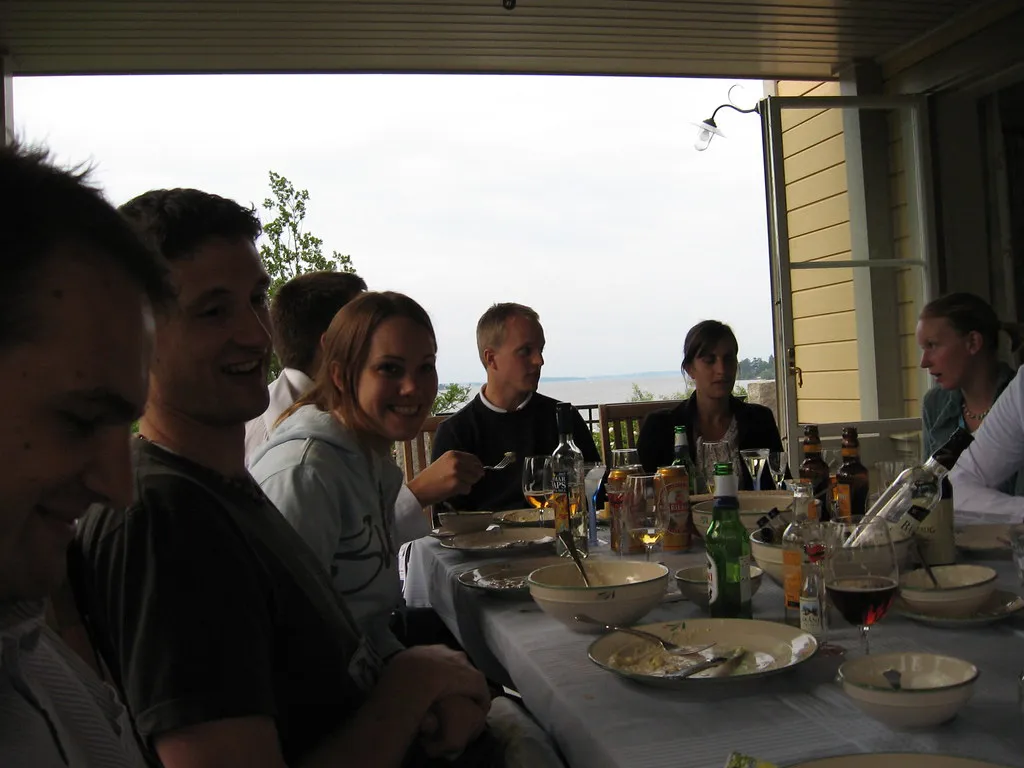
The Midsummer table features classic Swedish flavors that define the early summer season. Pickled herring, or sill, serves as the centerpiece of every traditional holiday lunch menu. You will find varieties flavored with dill, mustard, garlic, or even spicy chili. Pair these with fresh new potatoes boiled with plenty of fragrant dill.

No feast is complete without a round of chilled snaps and traditional songs called snapsvisor. Swedes sing short, lively drinking songs before taking each small sip of aquavit. The most famous of these is "Helan Går" — if you learn one song before your trip, make it this one. Even non-Swedish speakers will have printed lyrics pressed into their hands before the first toast.
The copious amount of fish served can feel genuinely overwhelming for some international visitors. You may lose count of the varieties and sauces placed in front of you. If seafood is not your thing, this is worth knowing in advance. Dessert almost always features the first Swedish strawberries of the year, served with fresh cream on a classic sponge cake — a welcome sweet counterpoint to the salty spread.
Enjoying this meal outdoors is a non-negotiable part of the experience for locals. You might find that the Midsummer celebrations in Europe share similar traditions of communal outdoor dining, but the Swedish table is uniquely fish-forward and tied to the season's first produce.
Dancing Like a Frog: Traditional Games and Music
Dancing around the maypole is a highlight for children and adults alike during the day. The most famous dance involves imitating the movements of little frogs — you hop around the pole while singing the catchy "Små grodorna" song. It feels as awkward as it sounds, but embracing the absurdity is precisely the point. It is a lighthearted tradition that brings everyone together in laughter and joy.
Competitive games often follow the dancing and the heavy holiday lunch. Families divide into teams for activities like egg tosses, balloon popping, and tug-of-war. Some traditional parties even assign team names by social rank — you might be a Priest, a Noble, or a Peasant for the afternoon. First-time visitors invariably end up on the Peasants' side, which turns out to be the most fun. These activities keep the energy high during the long, sunny afternoon hours.
Folk musicians playing the fiddle or accordion provide the soundtrack for the day. The music is often upbeat and encourages people to join hands in large circles. You might notice similarities if you have read a Latvian Jani Ligo festival guide before. Both cultures value traditional instruments and communal dancing to celebrate the solstice.
Watching the Sunrise: The Real End of Midsummer Eve
The whole point of celebrating Midsummer's Eve is that the sun barely sets. In northern Sweden, above the Arctic Circle, it does not set at all. Even in Stockholm, you get only a brief twilight before dawn returns around 03:00. This is the moment locals wait for — staying outdoors through the pale amber night, singing songs and passing snaps until first light.
Most visitors underestimate how energizing the constant light actually is. The sky holds a warm, dusky cast from late evening that never fully darkens, which tends to keep people awake far longer than planned. Come prepared to stay up well past midnight if you want to participate fully in this part of the tradition. Bringing a second layer for the cooler hours between midnight and 02:00 is a practical move even in June.
If you are celebrating with a Swedish family or at a village event in Dalarna, staying for the sunrise is considered the respectful thing to do. It signals to your hosts that you are genuinely engaged with the holiday, not just there for the food. Those who manage it consistently describe it as one of the most memorable moments of any Scandinavian trip.
What to Wear: The Midsummer Dress Code
The dress code for Midsummer is generally described as festive casual or summer smart. Women often wear light floral dresses to match the botanical theme of the day. Men typically choose light-colored button-down shirts paired with chinos or smart shorts. Traditional folk costumes are also common, especially in more rural parts of Sweden.
Aim for comfort since you will be outdoors and moving around on grass for most of the day. Flat shoes or wedges are much more practical than high heels for field dancing. Bring a light sweater or jacket for the hours after midnight when temperatures in Stockholm can drop to around 12–14°C. The goal is to look polished while remaining ready for games, dancing, and a very long evening.
Survival Tips: Alcohol, Transport, and White Nights
Planning your alcohol purchases is vital because of strict local liquor laws. Sweden's state-run Systembolaget stores close early for the holiday weekend — most shut at 15:00 on Thursday and do not reopen until Monday. Buy your snaps and beer by Thursday afternoon to avoid long lines or empty shelves. Attempting to restock on Friday or Saturday will leave you empty-handed.
Grocery shopping follows the same pattern. Supermarkets in smaller towns close or severely reduce hours on Midsummer Eve, and many remain closed on Saturday. Buy all food and non-alcoholic drinks by Thursday noon. This is one of the most consistent mistakes first-time visitors make — arriving Friday morning to find bare shelves.
Public transport schedules change significantly during the busy holiday weekend. Trains and buses often run on a limited Sunday schedule on Midsummer Eve. Book your long-distance travel weeks in advance to ensure a seat on popular routes, particularly the trains toward Dalarna. Many locals leave the city at once, making Friday afternoon road and rail traffic very heavy.
Managing the white nights is a unique challenge for visitors in 2026. The sun barely sets in the north, which can disrupt your normal sleep patterns. Bring a high-quality eye mask to block out the persistent midnight sun. Staying up late is common and culturally expected, but protect your rest during quieter afternoon hours before the main celebration begins.
- Midsummer Travel Survival Checklist
- Alcohol: Buy by Thursday 15:00 (Systembolaget closes early)
- Groceries: Shop by Thursday noon
- Transport: Book trains 4+ weeks early
- Sleep: Pack a dark eye mask
- Clothing: Layer up for post-midnight temperatures
Frequently Asked Questions
Which Swedish Midsummer locations fit first-time visitors?
Skansen in Stockholm is the best choice for first-time visitors seeking easy access. It offers a structured program with traditional music, dancing, and food in a beautiful open-air setting. You can find more planning tips on the Festivian blog to enhance your trip.
How much time should you plan for Midsummer celebrations?
Plan for at least a full day of festivities starting on Midsummer Eve. Most celebrations begin around noon and continue late into the bright night. If you travel to Dalarna, consider staying for three days to enjoy the full local atmosphere and scenery.
What should travelers avoid when planning for Midsummer?
Avoid waiting until Friday to buy groceries or alcohol, as most shops will be closed. Do not expect heavy public transport service in rural areas during the holiday weekend. Also, avoid wearing uncomfortable shoes if you plan to participate in the traditional ring dances.
Is it possible to celebrate Midsummer in Stockholm?
Yes, Stockholm remains a great place to celebrate even as many locals depart. Skansen and various parks like Vitabergsparken host public events with maypoles and music. You will still find plenty of festive spirit within the city limits throughout the holiday weekend.
Related in Stockholm: Cherry Blossom In Stockholm.
Swedish Midsummer is a magical experience that combines nature, tradition, and community. By planning ahead for transport and closures, you can focus on the joy of the solstice. Embrace the dancing, learn "Helan Går," and stay up to watch the sunrise — that is how you truly celebrate Midsummer in 2026.
Free guide: Europe's Festival Calendar
A month-by-month map of Europe's unmissable festivals — with the best dates to visit each and a local tip you won't find in the guidebooks.
You might also like


Continue reading
More guides you'll find useful


