Festa de Sao Joao Porto Guide: 10 Essential Tips
Plan your trip with our Festa de Sao Joao Porto guide. Discover 10 essential tips on fireworks, traditional food, plastic hammers, and the best places to stay.
On this page
Festa de Sao Joao Porto Guide: 10 Essential Tips
Porto transforms into a massive street party every June. This vibrant celebration honors Saint John the Baptist. It is one of the most unique midsummer celebrations in Europe today. Locals and tourists fill the streets for a night of joy.
The city pulses with music and the smell of grilled sardines. You will see people of all ages hitting each other with hammers. This guide helps you navigate the chaos and fun. Prepare for a night that lasts until the sun rises.
Understanding the local customs makes the experience much better. From historic roots to modern logistics, we cover every detail. Learn how to celebrate the true São João in Porto. This is your ultimate manual for Porto's biggest annual event.
Free guide: Europe's Festival Calendar
A month-by-month map of Europe's unmissable festivals — with the best dates to visit each and a local tip you won't find in the guidebooks.
Quick Summary: How to Survive São João in Porto
The main party happens on the night of June 23rd. Crowds gather in the Ribeira district to wait for midnight. You must be ready for constant noise and high energy. Walking is the only way to move through the center.
Buy a plastic hammer as soon as you arrive. These toys are the modern symbol of the festival. Expect strangers to tap you on the head throughout the night. It is all done in a spirit of friendly celebration.
Food stalls appear on every corner during the afternoon. Lines for sardines and beer can get very long. Eat early to avoid the biggest dinner rush. Keep your belongings in a secure, front-facing bag.
Head to the Fontainhas neighborhood for a traditional arraial (street party). This area offers a more authentic feel than the main square. You will find local music and smaller, cozy food stands. It is a great place to see how families celebrate.
The History and Catholic Roots of the Festival
The festival has deep roots in both religion and nature. It originally celebrated the summer solstice in pagan times. The Catholic Church later dedicated the day to Saint John. This mix creates a unique cultural atmosphere in the city. São João is Porto's entry in Portugal's Santos Populares, the same June tradition behind the capital's own festivals and events in Lisbon, where Santo António fills the Alfama streets on 12–13 June.
Porto has celebrated this day for over six centuries. It is more than just a party for the local residents. The event represents the identity and pride of the Tripeiros (Porto locals). You can learn more about how to experience Festa de Sao Joao Porto through its history.
Religious processions still take place during the daytime. Statues of the saint are carried through the historic streets. Many locals visit churches to pay their respects before partying. This balance of faith and fun defines the Porto spirit.
The festival also drives significant economic growth for the region. Recent data shows it generates about €121 million in local revenue. It also helps create up to 20,000 seasonal jobs. This economic impact makes the event vital for the entire city of Porto.
Essential Traditions: Hammers, Leeks, and Sky Lanterns
The plastic hammer is a relatively new addition to the party. It replaced the older tradition of using the Alho-porro (garlic leek). Locals used to tap each other with the leeks for good luck and health. Now, the squeaky hammers provide a loud and playful soundtrack instead.
The switch from leek to hammer matters if you want to connect with older residents. Many Tripeiros over sixty still recall carrying leeks as children. The leek symbolized purification and the summer harvest. The hammer caught on in the 1980s when street vendors began mass-producing them cheaply.
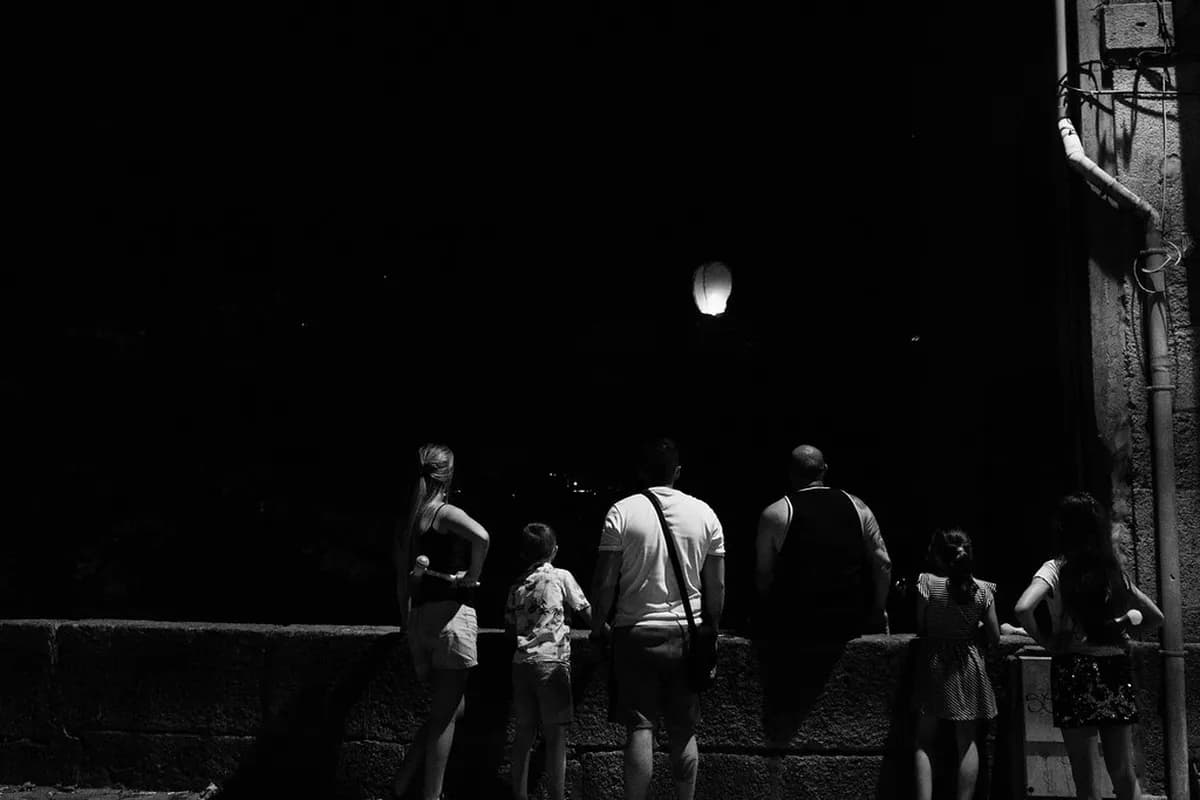
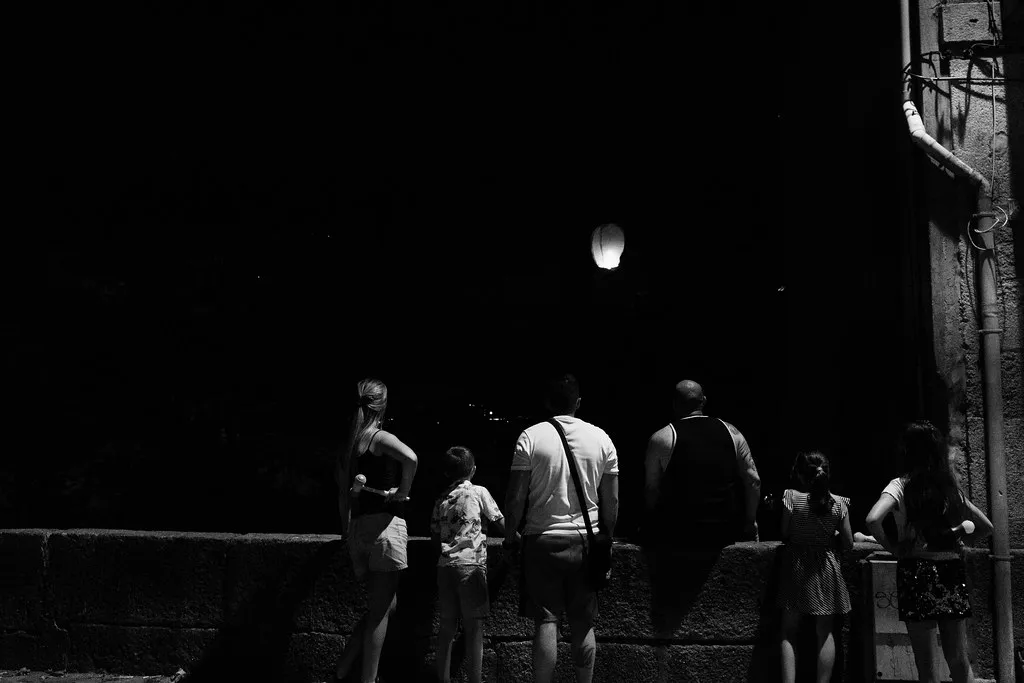
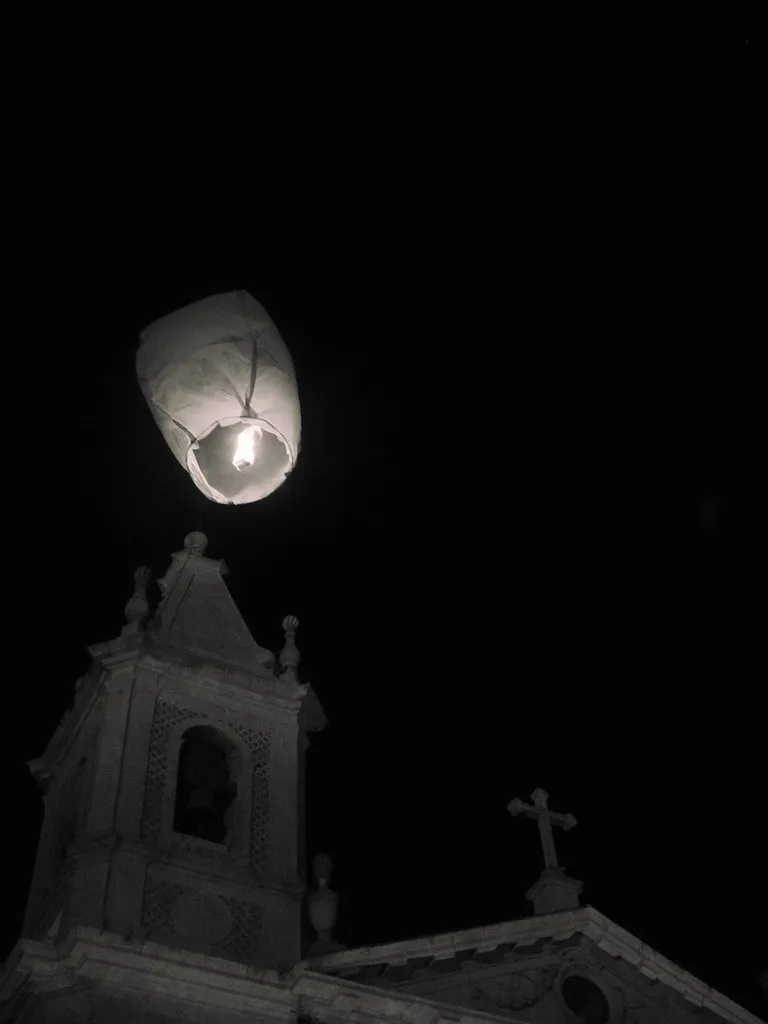
Releasing sky lanterns (balões de São João) is another beautiful custom. The night sky fills with hundreds of glowing orange lights. Participants make a wish as they release their paper lanterns. Be careful when launching them near buildings or trees.
You will also see small pots of Manjerico (basil) everywhere. These plants often come with a small paper carnation and a short poem about love or the saint. Never smell the plant directly with your nose — this is said to kill its fragrance and its luck. Look also for the Cascatas (miniature nativity-style scenes) around the city, which community groups spend weeks building to show scenes of local life.
The Ribeira District and the Walk to Foz
The Ribeira is the undisputed heart of São João. The narrow lanes between the riverside palaces fill completely by 22:00. Stage music begins around 21:00 at the main square, Praça da Ribeira. Street performers, fire-eaters, and accordion players work every corner between the stages.
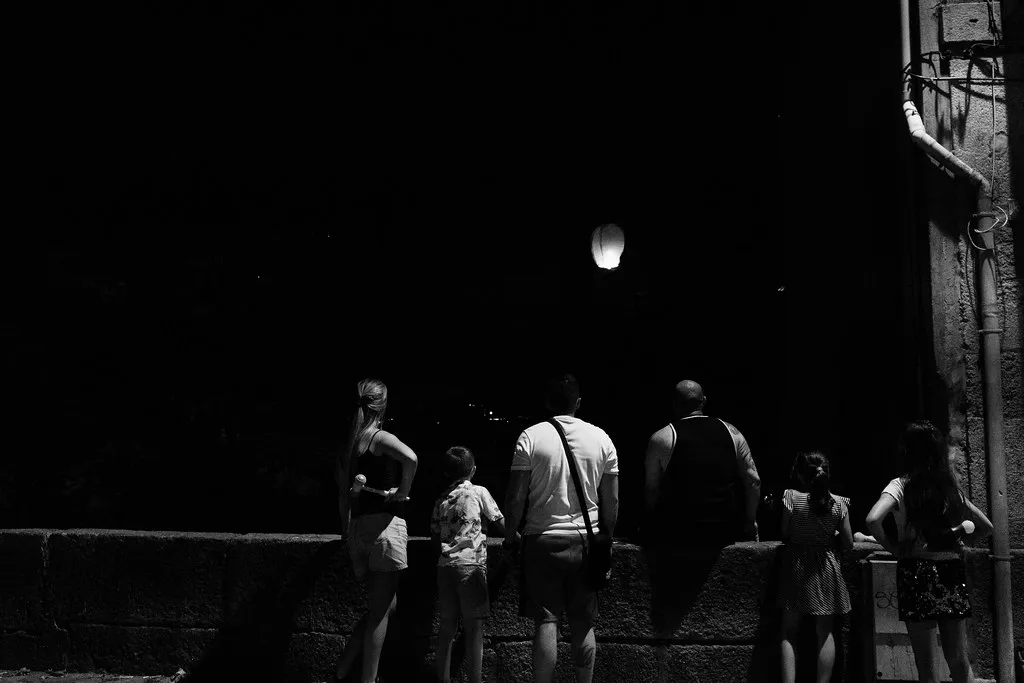
After the midnight fireworks, one of Porto's oldest São João traditions begins: the walk from Ribeira toward Foz do Douro along the river. Most people cover the roughly 5 km to Foz in about 90 minutes. The truly committed continue another 5 km to Matosinhos beach to watch the sunrise, making it a full 10 km walk through the city.
The walk is physically demanding on uneven cobblestones and often in warm summer air. Wear flat, closed-toe shoes and bring water. The reward is extraordinary: the procession is social, musical, and lit by lanterns the entire way. Groups of strangers share sardines on the riverfront steps and play guitars until dawn.
For culture alongside the party, Igreja dos Clérigos hosts a multimedia light show projected onto its tower facade throughout the night. It runs on the hour from 22:00 until 02:00 and is free to watch from the street. The Fontainhas neighborhood, perched on the cliff above Ribeira, holds some of the most traditional arraiais (street parties) in the city, with folk bands and residents who have celebrated here for generations.
Where to Stay: Best Hotels and Neighborhoods for the Party
Book accommodation for the São João weekend at least three to four months in advance. Hotels within 500 m of the Ribeira sell out by March every year. Prices during the June 23–24 period typically run 40–60% above standard nightly rates across all districts.
The Ribeira district puts you steps from the fireworks, but noise continues until at least 06:00. If you are a light sleeper, staying here without earplugs is a mistake. The upside is that you can walk back to your room from the bridge and avoid the post-fireworks metro crush entirely.
Vila Nova de Gaia, on the south bank of the Douro, offers the best unobstructed views of the Porto skyline during the fireworks. It is slightly calmer than Ribeira but still busy. Hotels here tend to have larger rooms and more amenities at a comparable price to central Porto options.
Boavista is the right choice if you prioritize sleep. This modern district sits far enough from the riverfront that music is barely audible after 02:00. Metro Line D connects Boavista directly to São Bento in about 12 minutes, making it easy to reach the party early and leave before the worst of the crowds.
What to Eat: Sardines, Peppers, and Traditional Street Food
Grilled sardines (Sardinhas Assadas) are the star of the night. The smell of charcoal grills fills every single street. Locals serve them on a thick slice of corn bread. Eat them with your hands for the most authentic experience.
Caldo Verde is the traditional soup served during the festival. It features finely shredded kale, potatoes, and chorizo sausage. This warm dish provides energy for the long night ahead. Most street stalls sell it in simple plastic cups.
Do not forget to try the grilled green peppers. They are the perfect side dish for the salty sardines. For dessert, look for Farturas (long, fried dough sticks). These are similar to churros and covered in sugar.
Pair your meal with a cold Super Bock beer, Porto's local lager and a staple at every celebration. You can also try a glass of sparkling Vinho Verde, whose light acidity cuts through the fat of the sardines. Most street food here costs between €2 and €6 per item, making São João one of Europe's most affordable major festival nights. Free concerts at every arraial mean your total spend depends almost entirely on how much you eat and drink.
The Main Event: Fireworks at Ponte Luiz I on June 23rd
The fireworks show begins exactly at midnight on the river. Pyrotechnics launch from the Ponte Luiz I and river barges. The show lasts about 15 to 20 minutes. It is a breathtaking display of light and synchronized music.
The best viewing spots are on the Ribeira quayside, the upper deck of Ponte Luiz I itself, and the terraces along the Gaia waterfront directly opposite. Arrive at your chosen spot by 22:00. By 23:00 the Ribeira is at capacity and movement becomes very difficult.
The atmosphere during the fireworks is electric and tightly packed. Every viewing area goes quiet for about 90 seconds at midnight and then erupts. Street musicians pick up immediately after the final burst. The energy stays high even as the morning light appears hours later.
The firework show is comparable to other midsummer festivals across Europe. However, the narrow gorge of the Douro and the illuminated bridge make Porto's display uniquely dramatic. The sound echoes off the canyon walls of the river valley in a way that no open-water show can replicate.
After Midnight: What to Do Until Sunrise
The fireworks finish around 00:20. The party does not. São João is explicitly an all-night event, and leaving at 01:00 means missing half of it. The hours between 01:00 and 06:00 have a completely different rhythm: quieter music, slower crowds, and the most spontaneous social energy of the night.
From 01:00, the riverfront walk toward Foz picks up pace as the Ribeira empties slightly. This is the ideal time to start the walk if you skipped the fireworks crowds. Small bars along Rua da Marechal Saldanha and the Foz waterfront stay open until 05:00 and are far less crowded than the main strip.
At 04:00 the cruise boats on the Douro begin their Six Bridges cruise (Cruzeiro das 6 Pontes), departing from the Cais da Ribeira pier. The one-hour trip covers all six bridges at dawn and costs around €15–20. Tickets sell out in advance; book the first or second departure of the morning online before you arrive in Porto.
By 05:30, the Matosinhos beach crowd gathers for sunrise. The atmosphere here is calm and communal — bonfires on the sand, groups sharing leftover food, and the kind of shared exhaustion that bonds strangers. The first metro back toward central Porto runs from Matosinhos Sul station at around 06:00 on the Line A. If you plan to make this sunrise walk, wear layers and bring a small bag with water and a snack for the beach.
The Day After: The Famous São João Rabelo Boat Regatta
June 24th is a public holiday in the city of Porto. While many sleep late, the river remains a focal point. The Rabelo Boat Regatta starts in the early afternoon. These historic boats once carried Port wine barrels down the Douro from the Douro Valley.
The race features boats representing different Port wine houses. They sail from Cabedelo to the Ponte Luiz I bridge. It is a colorful and competitive display of local history. The riverbanks provide excellent free viewing areas for spectators.
Watching the regatta is a relaxing way to spend the day. You can enjoy a late lunch at a riverside cafe. The city feels much calmer than the previous wild night. It is the perfect time to recover and reflect on the celebrations.
For a quieter seat with a view, book a table at a restaurant in Afurada, the fishing village across the river from Gaia. You can watch the Rabelo boats pass while eating fresh seafood at prices well below the Ribeira waterfront. It is notably less touristy and gives a genuine glimpse of river life outside the festival hype.
Logistics Guide: Metro, Trains, and Getting Around Porto
The Metro do Porto runs a 24-hour service on the night of June 23rd. Most lines operate frequently to move people to and from the city center. However, the yellow Line D gets extremely crowded between midnight and 02:00. Expect long waits at São Bento and Jardim do Morro stations immediately after the fireworks — the platform queues can stretch 30 minutes or more at peak exodus time.
If you can, delay your metro departure until 02:00 or later. Trains thin out considerably after the initial post-fireworks rush. The city center is about 25 minutes from the airport by metro on Line E. If you are coming from Lisbon, the fast train takes approximately three hours and drops you at Campanhã station, which connects directly to the metro network.
Walking is mandatory once you enter the historic center. Most roads close to vehicles after 18:00 on June 23rd. Wear sturdy shoes to handle the steep, cobbled hills. Taxis and rideshare cars cannot enter the festival perimeter during the event, so plan your pickup or drop-off point at least 1 km outside the Ribeira.
What to Wear and Essential Packing Tips
Comfort is the most important factor for your outfit. You will be on your feet for many hours on cobblestones. Sneakers or flat boots are much better than sandals or heels. The streets can be slippery where drinks have been spilled.
The temperature can drop near the river at night. Bring a light jacket or a stylish sweater for after 02:00. Layering allows you to adjust as the crowds get warmer during peak hours. Most locals dress casually for the street party atmosphere.
Avoid wearing expensive jewelry or very loose clothing. The crowds are dense and things can get bumped or snagged. A small cross-body bag is the safest choice for valuables. Keep your phone and wallet in zipped internal pockets.
Wear a hat to protect against plastic hammers. Even a simple baseball cap can soften the frequent taps and keep stray sparks from sky lanterns out of your hair. Choose a hat you do not mind getting a bit dirty by the end of the night.
Global Context: Porto vs. Brazil's Festas Juninas
The traditions of Porto traveled across the ocean to Brazil with Portuguese colonists. Brazilian Festas Juninas are now famous for their own scale and color. The city of Caruaru in Pernambuco has become one of the major hubs, sitting about 130 km inland from Recife. The cultural link between the two celebrations remains visible in shared Catholic saints, street dancing, and the decoration of public squares.
While Porto focuses on sardines, Brazil prefers corn-based foods like canjica and pamonha. Both festivals share the same roots in the feast of Saint John the Baptist. The music in Brazil features the lively accordion-heavy Forró. In Porto, you will hear more traditional Portuguese folk songs and the occasional Pimba ballad.
Many Brazilians visit Porto to see the festival's original home, and Porto's tourism board increasingly positions São João alongside its Brazilian counterparts as a shared heritage event. It is a reminder that this midsummer celebration — one of Europe's oldest urban street parties — now belongs to two continents simultaneously.
Frequently Asked Questions
What is the best place to watch the São João fireworks in Porto?
The best views are from the Ribeira riverfront or the top deck of the Ponte Luiz I. You can also head to the Vila Nova de Gaia side for a stunning view of the Porto skyline. Arrive by 10 PM to secure a good spot. Check Festivian for more festival tips.
Why do people hit each other with hammers during São João?
This modern tradition started in the 1960s as a university prank. It eventually replaced the older custom of using garlic leeks to tap people for good luck. Today, the soft plastic hammers are a playful way for strangers to interact and celebrate together during the night.
Is the Porto Metro open all night during São João?
Yes, the Metro do Porto usually operates a 24-hour service on the night of June 23rd. Most lines run frequently to help people reach the city center and return home safely. Be prepared for significant crowding on the yellow line near the river stations after the fireworks.
What is the traditional food for São João in Porto?
The most traditional meal consists of grilled sardines served on corn bread. Other staples include Caldo Verde soup, grilled green peppers, and roasted lamb. For dessert, locals enjoy 'Farturas' or 'Churros' from street stalls. These foods are an essential part of the festive experience for every visitor.
Festa de São João is an experience you will never forget. The combination of ancient tradition and modern joy is magical. Porto welcomes everyone with open arms during this special night. Plan your trip early to ensure you get the best accommodation.
Respect the local customs and join the fun with a hammer. Remember to stay hydrated and wear your most comfortable shoes. The sunrise over the Douro River is the perfect finale. Enjoy every moment of this incredible Portuguese celebration.
Free guide: Europe's Festival Calendar
A month-by-month map of Europe's unmissable festivals — with the best dates to visit each and a local tip you won't find in the guidebooks.
You might also like


Continue reading
More guides you'll find useful