How to Experience Kupala Night: 8 Essential Traditions
Discover how to experience Kupala Night with our guide to the 8 essential rituals, from fire jumping to wreath floating, plus 2026-2027 dates and locations.
On this page
How to Experience Kupala Night: 8 Essential Traditions and Rituals
Kupala Night offers a magical glimpse into ancient Slavic traditions and folklore. You will find people gathering by rivers to celebrate the summer solstice with fire and water. This guide explains how to experience Kupala Night through its most iconic and mystical rituals.
The atmosphere during this midsummer festival feels both raw and hauntingly beautiful. Modern celebrations often blend traditional folk music with contemporary festival vibes. Travelers can witness these vibrant festivities in cities like Warsaw or in smaller rural villages across Poland and Ukraine.
Free guide: Europe's Festival Calendar
A month-by-month map of Europe's unmissable festivals — with the best dates to visit each and a local tip you won't find in the guidebooks.
Understanding the History and Symbolism of Kupala Night
The festival originally honored Kupalo, a pagan deity representing summer, love, and the fertility of the land. Ancient tribes believed this night held the strongest magical energy of the entire year, a liminal window when the veil between the human world and the spirit world grew thin. Christianity later linked the date to the birth of St. John the Baptist, giving the celebration its hybrid character.
Soviet authorities actively suppressed these rituals because of their deep spiritual and nationalist roots. The Soviet-era bans drove the traditions underground, where local communities and oral history kept them alive. The Church had attempted a similar erasure centuries earlier, yet the pagan core always endured. You can explore more midsummer celebrations in Europe to see the same pattern of cultural resilience repeating across the continent.
Today, the event has undergone a striking revival. In Poland, Ukraine, and Belarus, people now gather for Kupala Night in the same way that festival-goers in the US gather for Coachella — only admission is free and all ages are welcome. Participants wear traditional white linen shirts and floral crowns, creating an optic that is simultaneously ancient and completely photogenic.
Timing Your Visit: The 2026 Calendar Shift
Planning your trip requires understanding the difference between the New Julian and Old Julian calendars. Ukraine officially switched to the New Julian calendar in 2023, which moved Ivan Kupala 13 days earlier. Most public events in Poland and modern Ukraine now follow this system, placing the main celebrations on the night of 23–24 June.
Some Orthodox communities — particularly in rural Russia and Belarus — still observe the holiday on the night of 6–7 July according to the older calendar. These July gatherings tend to be smaller and more spiritually focused, with less commercial staging and more attention to the traditional herb-gathering rites. Knowing these differences helps you choose the experience you want rather than missing the peak festivities.
For Ivan Kupala 2026, cities like Warsaw, Kyiv, and Lviv are planning larger public events. Expect the Vistula riverbanks in Warsaw and central park spaces in Lviv to fill well before nightfall. Compare this timing with the Latvian Jani Ligo festival if you want to plan a back-to-back midsummer tour across the Baltic and Slavic regions.
- New Julian Calendar — 23–24 June: Poland, modern Ukraine, city festivals with high public access and concert stages.
- Old Julian Calendar — 6–7 July: Orthodox rural communities in Russia and Belarus, traditional and spiritual in character, smaller local gatherings.
The Three "Whales" of Kupala: Fire, Water, and Vegetation
The core of the holiday rests on three elemental pillars scholars call the Three Whales. Fire, water, and vegetation represent the vital forces of nature that reach their annual peak at the solstice. Every major ritual of the night connects back to one of these three forces.
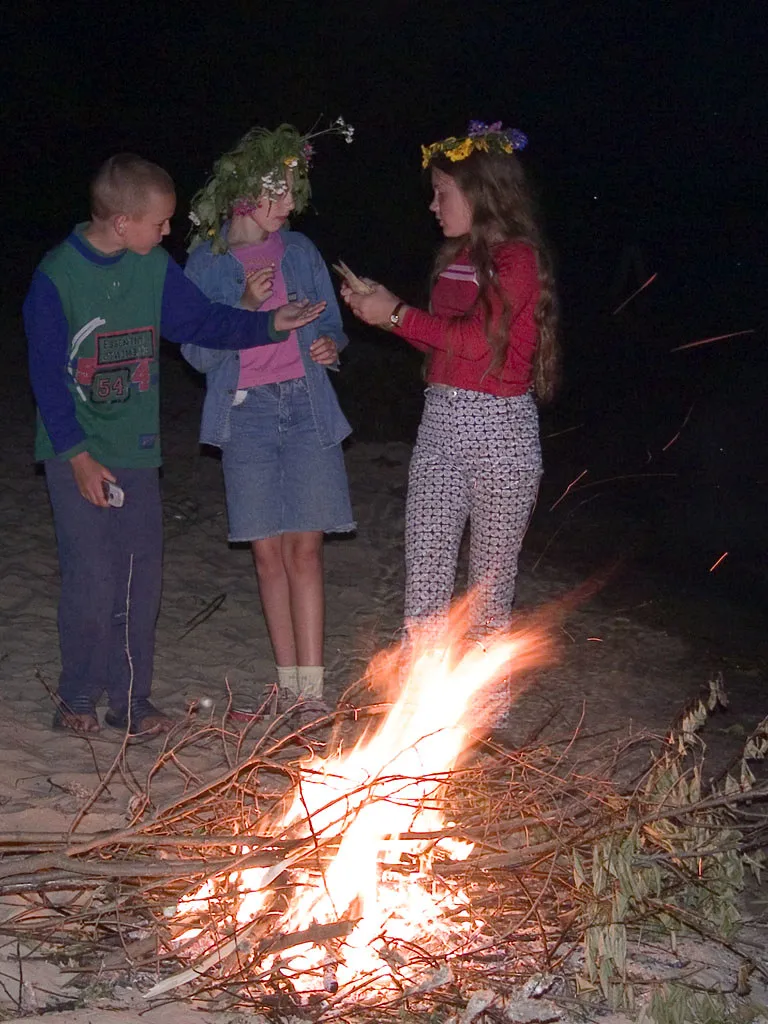
Fire acts as a purifying agent that cleanses the soul from evil spirits and bad luck. Water is believed to take on healing properties on this specific night — bathing in a river or rolling in the morning dew before sunrise was traditionally thought to grant health, fertility, and luck. Vegetation includes the herbs and flowers used for wreaths, protective bundles, and divination: mugwort, St. John's wort, yarrow, and nettle were each chosen deliberately for their protective or medicinal properties, not picked at random.
Similar elemental themes appear in the Finnish Juhannus midsummer guide for travelers moving through northern Europe. Each element must be present for a proper Kupala celebration. Local guides at organized festivals will often explain how these three elements historically connected to the health of the harvest, making the rituals functional rather than purely symbolic.
Participating in Fire Rituals and Purification
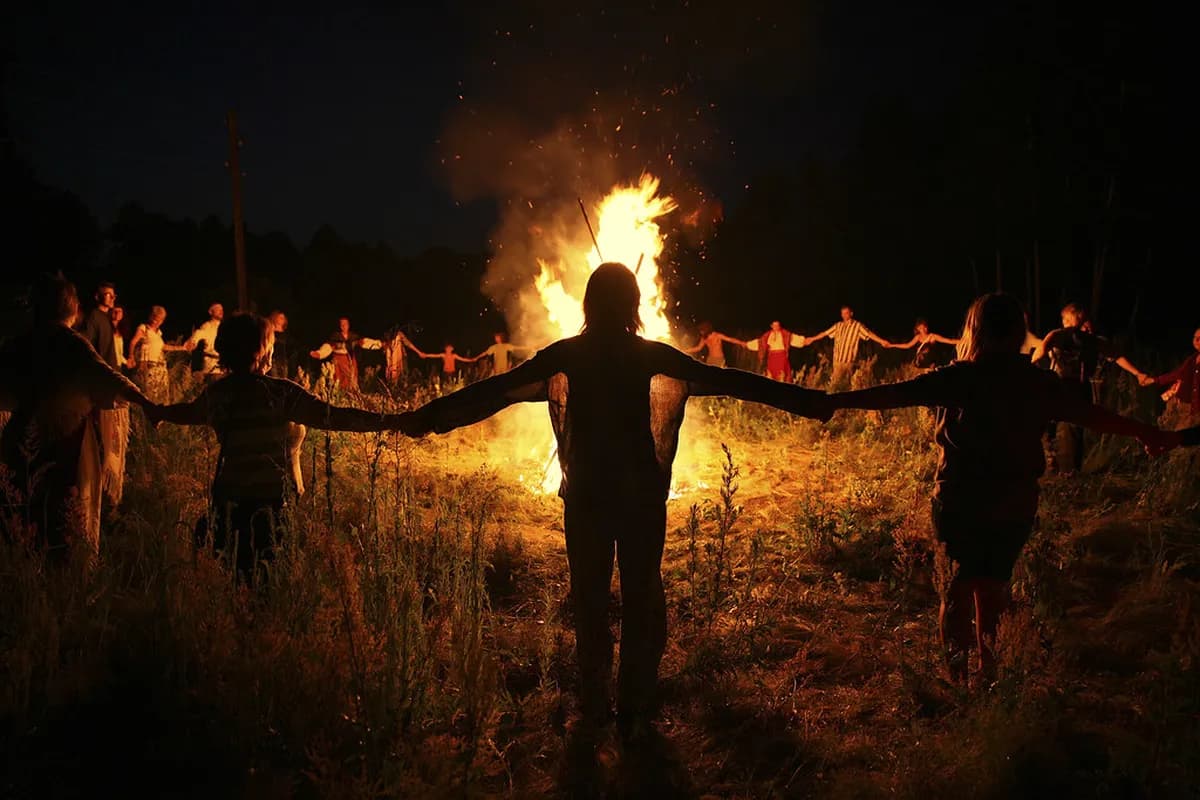
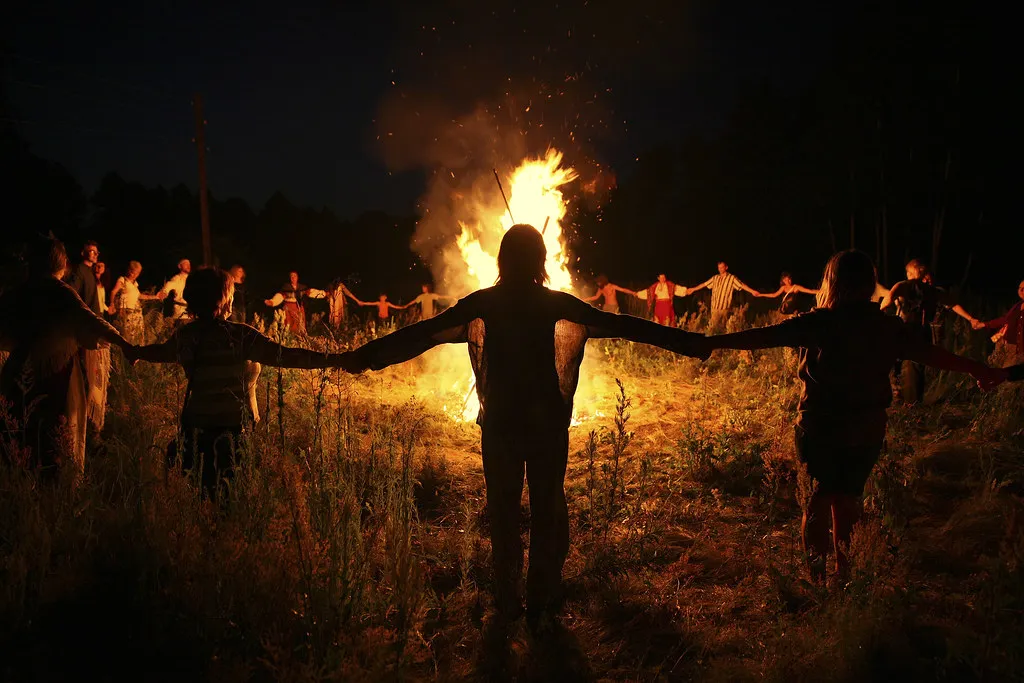
The most famous sight of Kupala Night is people jumping over massive bonfires. Tradition holds that a successful jump purifies the jumper and brings good health for the year ahead. Couples hold hands while jumping to test the strength of their future relationship — if they keep their hands joined through the flames, they are said to be destined for a happy marriage.
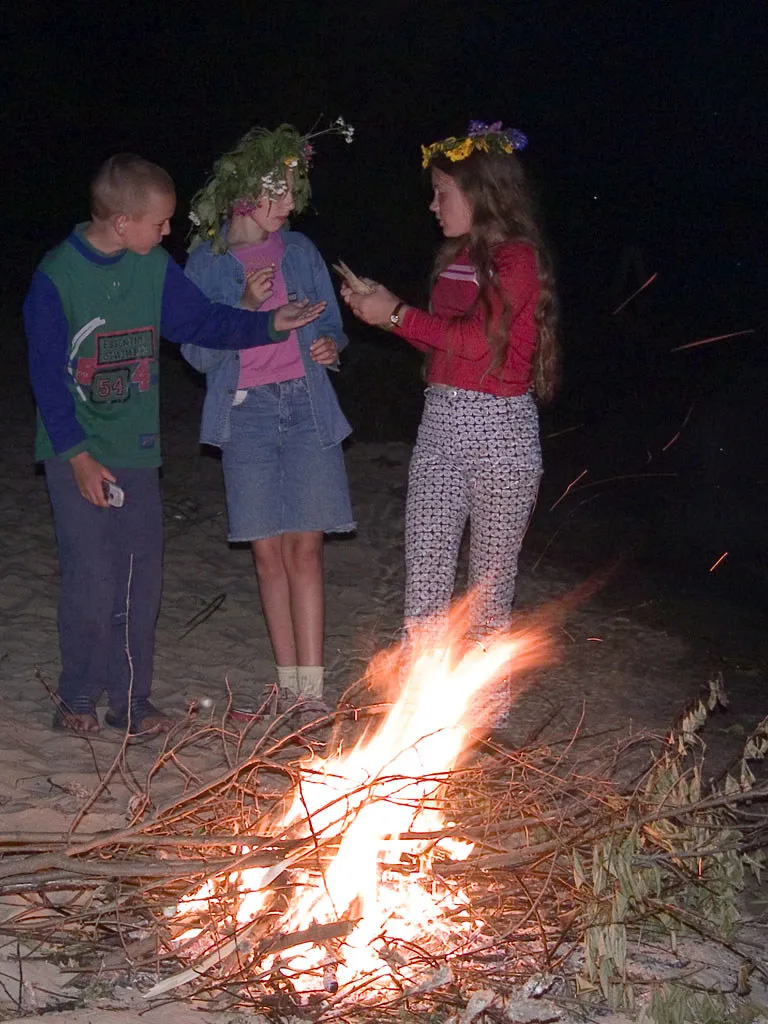
At larger celebrations, an effigy of Marena — the goddess of night and natural change — is sometimes placed on a pole near the bonfire alongside a skull and a wheel. The skull symbolizes all that should be burned away, while the wheel represents prosperity. Communities also burn old clothes or personal items in the fire to symbolize a clean break from the past.
If you are not comfortable jumping, watch from a safe distance and simply circle the fire with other onlookers. Dancing in rings around the bonfire was considered just as valid a form of participation — ancestors believed the fire's healing power radiated outward to anyone in proximity. Similar fire traditions appear in the Swedish midsummer guide, though the Slavic bonfire rite carries a more explicitly purifying character.
Weaving Wreaths, Water Divination, and Fortune-Telling
Women spend the afternoon gathering wild flowers and herbs to weave intricate wreaths. Each plant carries a specific meaning: mugwort for protection, yarrow for healing, and wild chamomile for love. These floral crowns are worn throughout the evening and then become the centerpiece of the night's divination rituals.
At twilight, women place a lit candle in the center of the wreath and set it afloat on the river. If the wreath drifts away quickly and the candle stays lit, a wedding is said to be near. A wreath that sinks or spins back toward the shore suggests a longer wait. Young men often wait downstream to catch the wreaths of the women they admire, making this one of the most playful and socially charged moments of the festival.
Divination on Ivan Kupala extends well beyond wreaths. Unmarried girls would gather exactly 12 different herbs before sleeping and place them under their pillow — finding all 12 intact in the morning signaled an imminent wedding. Others would pour melted wax into a bowl of water and read the shapes that formed. A maple leaf plucked while making a wish would reveal the answer depending on whether its lobes were even or odd. Two daisies placed together in water were watched to see if they floated toward each other, representing two future lovers finding their way.
These divination practices are still performed at village celebrations in 2026, particularly across western and central Ukraine. At larger city events, organizers sometimes run guided wreath-weaving workshops in the afternoon — an excellent entry point for first-time visitors who want to participate meaningfully rather than just watch.
The Kupala Tree and Searching for the Mythical Fern Flower
Alongside the bonfire, the Kupala tree is a central ritual object. Young men bring a young tree or tall branch to the gathering, and young women decorate it with flowers, grasses, and berries. Participants then dance in circles around it and sing traditional songs before the tree is ceremonially burned or sunk in water at the end of the night. Depending on the region of Ukraine, this object goes by different names — kupailo, kupalo, kupailytsia, or hiltsia — but its role as a symbol of fertility and the sun is consistent.
Legend tells of a mythical fern flower, called the Paporot-kvitka, that blooms for only a few moments at midnight. Finding this glowing blossom is said to grant the person incredible wealth, the ability to understand the language of animals, and the power to locate hidden treasures. Dark spirits guard the forest paths to lead searchers astray.
Many young couples use the search for the flower as an excuse to wander into the forest together. While no one ever finds a blooming fern — ferns reproduce by spore and do not actually flower — the story adds a romantic mystery that is central to Slavic literary and artistic tradition. Andrei Tarkovsky's 1966 film Andrei Rublev contains one of the most vivid filmed depictions of Kupala Night rituals: women in white nightgowns running with torches toward the river, the procession raw and haunting in a way that photographs cannot capture. Watching the relevant scene before attending is the best visual preparation available. Modern festivals sometimes host scavenger hunts to mimic the fern flower search, which are a fun way to engage the local community.
What to Expect: The Visual and Sensory Experience
Kupala Night has become a popular cultural export partly because of its striking optics. Expect to see white linen shirts and embroidered vyshyvanka blouses glowing in firelight, floral wreaths worn over loose hair, and candlelit wreaths trailing across dark water. Processions carrying lit torches toward the river have a raw, tactile quality that feels nothing like a staged festival and everything like a genuine encounter with something old.
The soundscape alternates between folk music played on traditional instruments and the quiet of a crowd standing at the water's edge watching wreaths float. At city events like Warsaw's Wianki, this is punctuated by fireworks that light up the Vistula. At village gatherings, the dominant sound is fire — crackling wood, distant singing, and occasional laughter when someone stumbles on a jump.
For photographers, the golden hours around sunset and the first hour after dark are the most productive. By midnight, fires burn lower, crowds thin, and the atmosphere shifts toward the more contemplative traditions — women gathering in small groups for divination, older participants collecting herbs in the fields. Plan to stay until at least 01:00 to experience the full arc of the night.
Modern Taboos: What Not to Do on Midsummer's Day
Traditional belief holds that swimming in rivers is dangerous in the weeks before Kupala Night, when water spirits called rusalki are at their most active. The water is only considered safe and spiritually beneficial once the first rituals of the festival have been performed. Bathing in open water during the daytime of Ivan Kupala, however, was traditionally seen as healing — it was specifically nighttime bathing before the rituals that was forbidden.
Sleeping before the sun rises is another taboo. Staying awake protects against the mischievous spirits that roam the earth during the solstice. Most serious participants stay until dawn to watch the sunrise together. Do not jump the bonfire with someone you have no romantic connection to — the rite is traditionally reserved for couples in love, and performing it casually is considered disrespectful to the ritual's meaning.
There are also taboos around money. Lending money on Ivan Kupala Day is believed to give away your own luck along with the funds. Picking up coins or notes found on the ground is equally forbidden — folk belief holds that someone may have discarded them deliberately to transfer bad fortune to whoever picks them up. Avoid taking home flowers or herbs that were used in the communal bonfires, as these are meant to remain with the fire. Respecting these rules signals genuine appreciation for a tradition that locals still take seriously.
Best Locations to Experience Kupala Night Today
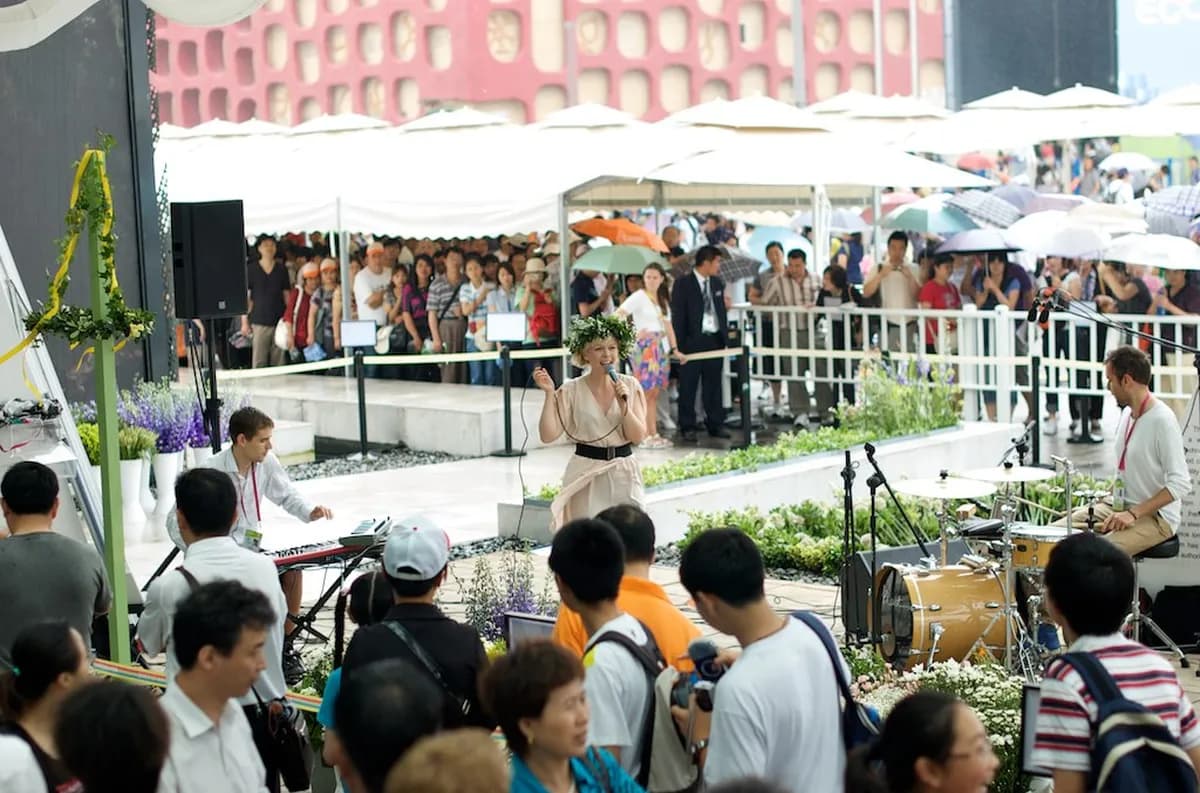
Warsaw hosts one of the largest events in Poland: the Wianki festival on the banks of the Vistula River. Thousands of people gather for a concert stage, food stalls, and the wreath-floating ceremony after dark. Fireworks light up the river throughout the night, making this the most visually spectacular option in the country.
For a more traditional experience, the town of Muszyna near the Slovakian border runs a cross-border midsummer project supported by the Visegrad Fund. The event preserves folk customs shared by Polish, Slovak, and Ukrainian communities, including herbal workshops and authentic folk music that has largely disappeared from city festivals.
In Ukraine, regional celebrations vary noticeably by location. In the Lviv region, wreaths are broken at the bonfire rather than floated, and the herb-gathering tradition is particularly strong. The Poltava region maintains the custom of a young man catching his beloved's wreath downstream. In Polissya and central Ukraine, celebrations have taken on a more modern character, blending traditional rites with open-air concerts. Small villages in eastern Poland still maintain the most ritualistic versions, where the focus is spiritual rather than entertainment-oriented.
Frequently Asked Questions
How do you celebrate Kupala Night as a tourist?
Tourists can join public festivals in cities like Warsaw to watch concerts and wreath-floating ceremonies. Many events offer workshops for weaving your own floral crown. You should also check the Festa de Sao Joao Porto guide for other summer solstice ideas.
Why is Kupala Night celebrated in Eastern Europe?
The holiday celebrates the peak of the sun's power and the fertility of the earth. It is a time to honor nature and seek purification through fire and water rituals. These traditions have been passed down for centuries to ensure a good harvest and personal luck.
What is the legend of the fern flower?
The legend claims a fern blooms with a magical flower at midnight on Kupala Night. Whoever finds it will gain the ability to see hidden treasures and understand the language of animals. It is a symbol of luck and the search for true love in the forest.
When is Ivan Kupala in 2026?
In 2026, the main celebrations on the New Julian calendar will take place on the night of June 23rd. Some traditional communities may still observe it on July 6th. Always verify local event schedules as dates can vary by region and specific religious traditions.
Related: Warsaw's festival calendar.
Experiencing Kupala Night is a highlight for any traveler visiting Eastern Europe in the summer. The combination of ancient fire rituals, delicate floral divination, and the spectral search for the fern flower creates an atmosphere that no staged performance can replicate. Whether you are in Warsaw or a quiet village in the Carpathian foothills, the spirit of midsummer is genuinely captivating.
Plan your trip around the 23–24 June celebrations in 2026 to catch the most vibrant public events. Respect the local customs, stay through to dawn, and arrive knowing what to look for — the visual poetry of Kupala Night rewards preparation.
Free guide: Europe's Festival Calendar
A month-by-month map of Europe's unmissable festivals — with the best dates to visit each and a local tip you won't find in the guidebooks.
You might also like


Continue reading
More guides you'll find useful