Summer Solstice at Stonehenge Guide: 2026 Dates & Tips
Plan your visit for the Summer Solstice at Stonehenge. Includes 2026/2027 timings, transport via Salisbury Reds, entry rules, and what to expect at sunrise.
On this page
Summer Solstice at Stonehenge Guide
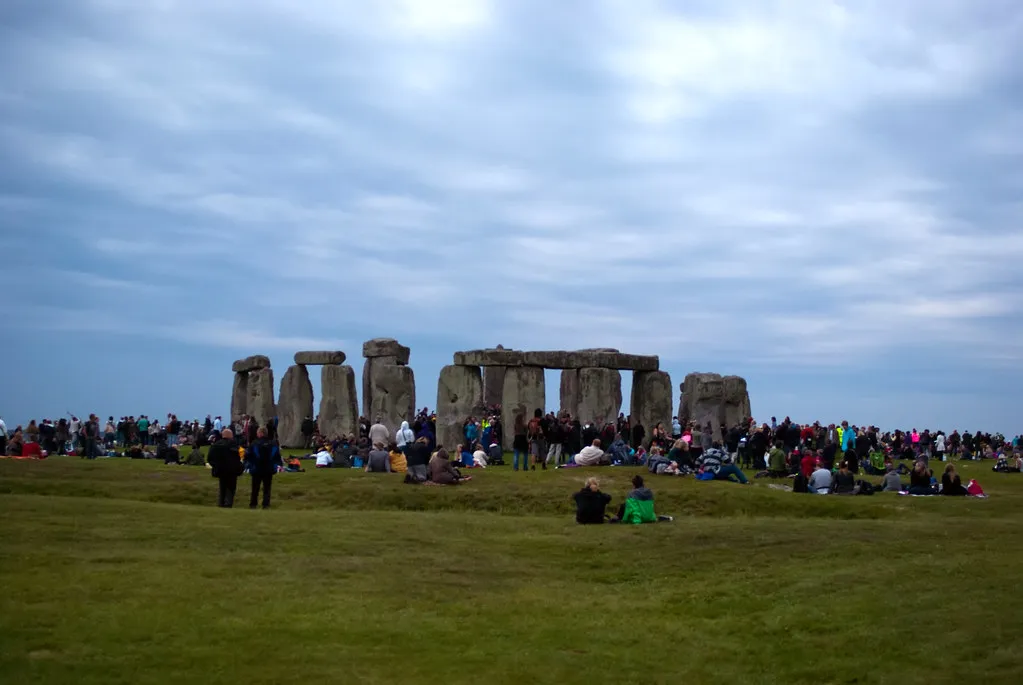
Last updated March 2026. The Summer Solstice at Stonehenge runs from the evening of June 20 to the morning of June 21. English Heritage opens the monument field for Managed Open Access — free, no ticket required — letting visitors walk among the stones and witness the sunrise alignment. Up to 10,000 people attend each year.
Stonehenge sits on Salisbury Plain in Wiltshire, about 90 minutes from London by car and 25 minutes by train to Salisbury. Planning ahead for transport and timing is essential: the site fills quickly, road access is restricted overnight, and the 1.5-mile walk from the Visitor Centre surprises many first-timers. You can find more inspiration in this Midsummer celebrations in Europe guide.
- Gates open: 19:00 on June 20
- Sunset (June 20): approx. 21:26
- Sunrise (June 21): approx. 04:52
- Site closes: 08:00 on June 21
- Entry cost: Free (parking charged separately)
- Bus: Salisbury Reds 333 from Salisbury Rail Station
- Walk from Visitor Centre to stones: 1.5 miles / 30 minutes
Free guide: Europe's Festival Calendar
A month-by-month map of Europe's unmissable festivals — with the best dates to visit each and a local tip you won't find in the guidebooks.
The Significance of the Solstice Alignment
The stones at Stonehenge were carefully arranged to align with the movements of the sun. Archaeologists believe the site was constructed around 2500 BC. On the summer solstice, the sun rises behind the Heel Stone — a large sarsen block standing just outside the main entrance to the circle. The first rays shine directly into the heart of the monument.
This alignment shows that Neolithic builders had a sophisticated understanding of astronomy. The site likely served as a solar calendar helping ancient farmers track seasons for planting and harvesting. Today, neo-druids, neo-pagans, and Wiccans still regard the site as sacred, and they lead ceremonies throughout the night and morning. The gathering brings together spiritual communities, tourists, and curious travelers in equal measure.
Standing inside the circle as the sky brightens is the defining moment. The crowd typically falls silent just before sunrise, creating an atmosphere that visitors consistently describe as unlike anything else. That silence — followed by the first light over the Heel Stone — is the reason people queue through the night.
Essential Timings for Sunset and Sunrise
The celebration begins with Managed Open Access opening at 19:00 on June 20. The sun sets at approximately 21:26 that evening. Visitors who arrive for sunset can observe the Druid ceremonies and soak up the atmosphere before the long overnight wait begins.
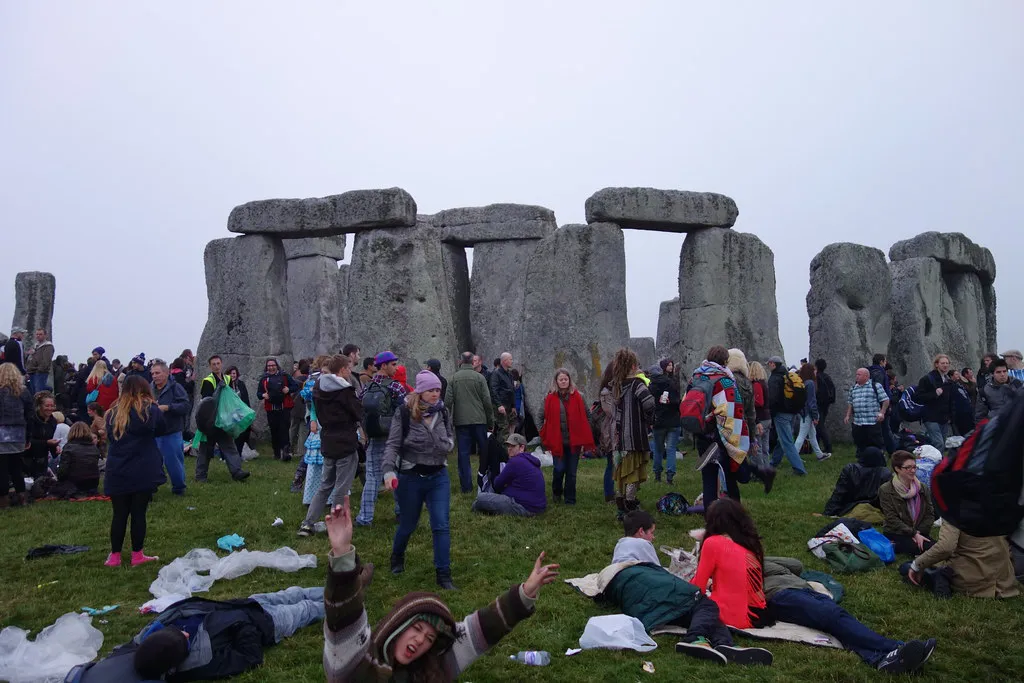
The main event is the sunrise on June 21. In 2026, the sun rises at approximately 04:52 AM. The best viewing positions inside the circle fill up well before that — being in place by 04:00 gives you a clear sightline to the Heel Stone. The site closes at 08:00 on June 21 to allow for cleaning.
Admission to the monument field is free during these hours. The car park charges a fee and fills rapidly from midnight onward. Check the English Heritage Solstice Page for 2026-specific timings and any last-minute updates.
Arrival Timeline: When to Leave Salisbury
Getting the timing right from Salisbury is the single thing most guides skip over. The 333 bus departs Salisbury Rail Station from around 18:30 on June 20 and runs through to approximately 01:00. Return buses leave Stonehenge between 04:00 and 10:00 on June 21. Check the Salisbury Reds 333 Bus Timetable for the exact 2026 schedule, which is published a few weeks before the event.
If your goal is the sunrise, the smart move is to catch a bus between 22:00 and 23:00. That gets you to the Visitor Centre by 23:30, on-site by midnight, and gives you several hours to settle near the stones before the 04:52 moment. Buses after midnight become crowded and can run late; arriving at 04:00 when the queue at security is longest is a poor outcome.
If you drive, head for the A303 but expect significant delays from about midnight. The car park is at the Stonehenge Visitor Centre. Note that the shuttle bus between the Visitor Centre and the stones does not run during the solstice event — everyone walks the 1.5-mile path regardless of how they arrived.
Transport Logistics: Salisbury Reds and Parking
The Salisbury Reds 333 bus is the recommended option for most visitors. It runs directly from Salisbury Rail Station to Stonehenge on the night of the solstice. Trains from London Waterloo to Salisbury take about 90 minutes and run into the evening; check National Rail for late departures on June 20. The bus is cheaper than parking and avoids the A303 traffic entirely.
Parking at the Visitor Centre is available but costs more on solstice night than a standard visit day. Spaces fill from late afternoon on June 20. If you arrive by car after 22:00, you may face queues of an hour or more just to enter the car park. There is no overflow parking near the monument itself.
The walk from the Visitor Centre to the stones takes about 30 minutes at a steady pace over National Trust downland. The path is unlit and the terrain is uneven grass. A small LED torch is essential — not optional. Follow the marked paths to protect both the landscape and the grazing livestock that use this land year-round.
Weather Reality Check: Salisbury Plain at 3 AM
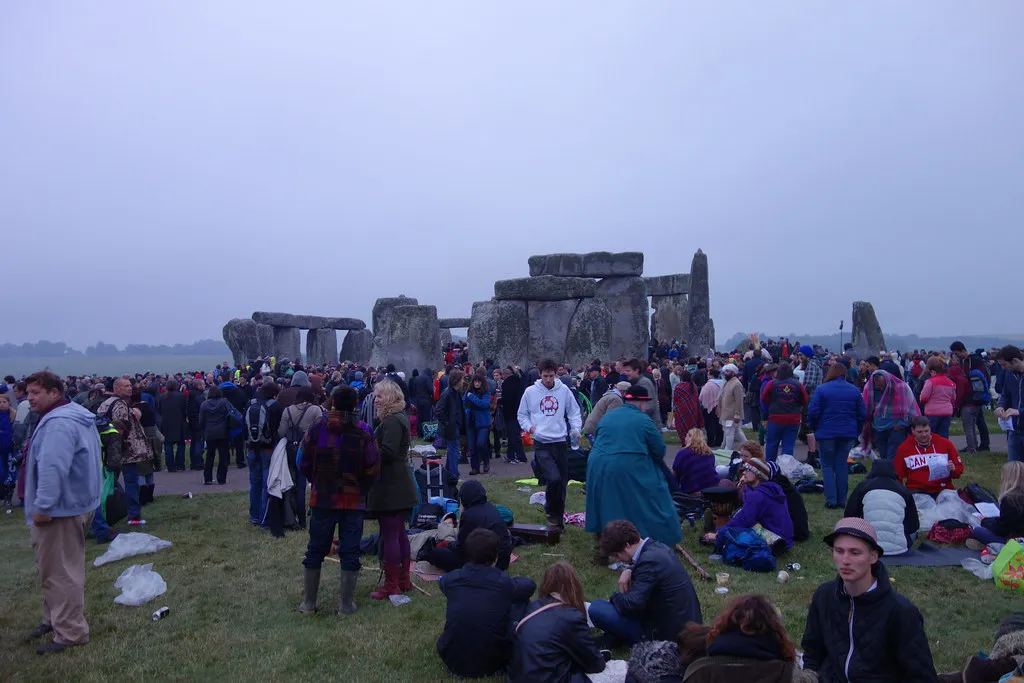
June in southern England sounds warm, but Salisbury Plain at 3 AM in the early hours is a different environment. Temperatures regularly drop to 8–12°C after midnight, even after a clear sunny day. The plain is exposed with no tree cover, so the wind cuts through. Damp ground and morning mist arrive before the sunrise does.
Every year, visitors who dressed for a summer evening leave early because they are too cold to wait out the last two hours before dawn. The fix is simple: bring more layers than you think you need. A waterproof outer shell handles both the wind and any light rain. Pack these in a small bag — large rucksacks are not permitted on site.
Sensible footwear is equally non-negotiable. The 1.5-mile downland path is grass that turns slippery with morning dew. Sandals, canvas trainers, and dress shoes are genuinely poor choices on this terrain. Waterproof walking boots or sturdy trail shoes are the right call.
English Heritage Rules and Entry Conditions
English Heritage enforces strict conditions to protect the monument. The key prohibitions: no climbing or standing on any stone, no alcohol, no illegal drugs, no camping, no fires or naked flames, and no drones anywhere near the site. Security teams perform bag checks at the entrance and will confiscate prohibited items.
Large rucksacks are discouraged as they slow entry and create congestion inside the circle. Glass is not permitted — not just bottles, but any glass container. Food and non-alcoholic drinks in small bags are allowed. Litter must go in the designated recycling points in the Solstice Car Park; clear recycling bags are handed out on arrival.
Respectful behavior toward the spiritual groups performing ceremonies is expected. Amplified music and loud drumming are restricted during the quieter overnight hours. Read the full English Heritage Conditions of Entry before you travel — breaches result in removal from the site.
What to Wear and Bring for the Solstice
Pack for a night outdoors on exposed moorland, not a summer evening in a city. The priority items are warmth, waterproofing, and light. Everything fits comfortably in a small daypack — which is also all you're permitted to bring.
- Warm mid-layer (fleece or insulated jacket) — nights drop to 8°C on the plain
- Waterproof outer shell — wind and light rain are common before dawn
- Sturdy waterproof footwear — the 1.5-mile path is uneven grass, often slippery with dew
- Small LED torch or headtorch — the path between the Visitor Centre and the stones is unlit
- Refillable water bottle — stay hydrated during the long overnight wait
- Snacks — the on-site catering is limited and queues are long
- Small ground sheet or blanket — sitting on damp grass for three hours is cold
- Portable phone charger — you will want to photograph the sunrise
Leave glass containers, alcohol, and large bags at home. English Heritage security will turn them away at the gate, and the walk back to your car or the bus stop is no fun when you are already tired.
Private Access Tours vs. Public Celebration
Managed Open Access is free and open to all, but it comes with the reality of 10,000 fellow visitors. You walk among the stones rather than having personal space around them. Touching the stones is not permitted during public access. The energy is communal and festive — part spiritual ceremony, part outdoor festival.
Private Access Tours are a paid alternative. Operators run small-group tours (typically midi-coach size) that depart from London or Bath on the evening of June 20 or very early on June 21. These tours include approximately 3 hours inside the circle and usually permit participants to touch the stones. They cost significantly more — often exceeding £100 per person — and sell out months in advance. Note that English Heritage does not permit other private access tours between 16 June and 1 July, so the options are limited to a handful of licensed operators.
| Feature | Public Managed Access | Private Tour |
|---|---|---|
| Cost | Free | £100+ per person |
| Booking required | No | Yes — months ahead |
| Time inside circle | All night (19:00–08:00) | Approx. 3 hours |
| Touch the stones | Not permitted | Usually permitted |
| Crowd size | Up to 10,000 | Small group |
| Includes guide | No | Yes |
For most visitors, the public access is the right choice. The crowd is part of the experience. For those who want a quieter, more personal encounter with the stones, see our guide on how to experience Summer Solstice at Stonehenge which covers private tour operators in detail.
Frequently Asked Questions
Do you need tickets for the Summer Solstice at Stonehenge?
No, you do not need tickets for the Managed Open Access during the solstice. Entry to the monument field is free for everyone. However, you must pay for parking if you bring a vehicle.
What time is the sunrise at Stonehenge for the Summer Solstice?
The sunrise typically occurs at 4:52 AM on June 21. Most visitors arrive hours earlier to find a spot. You should be at the stones by 4:00 AM at the latest.
Can you touch the stones during the Summer Solstice?
No, you are not allowed to touch or climb the stones during the solstice event. This rule helps protect the ancient monument from damage. You can only touch them during specific private access tours.
The Summer Solstice at Stonehenge is one of the most unusual public events in Europe: free, ancient, and genuinely atmospheric. The key decisions to get right are transport (the 333 bus from Salisbury is the easiest option), timing (catch a bus by 23:00 if your goal is the sunrise), and clothing (the plain is cold and exposed at 3 AM whatever the forecast says). Follow English Heritage's conditions of entry and the experience will be memorable for the right reasons.
Whether you join the public celebration or book a private tour, the Heel Stone alignment at dawn remains one of the most powerful sights in the ancient world. Safe travels to Wiltshire.
Free guide: Europe's Festival Calendar
A month-by-month map of Europe's unmissable festivals — with the best dates to visit each and a local tip you won't find in the guidebooks.
You might also like


Continue reading
More guides you'll find useful