How to Experience Swedish Midsummer: 7 Essential Tips
Learn how to experience Swedish Midsummer like a local. Discover where to find public celebrations, what to eat, what to wear, and essential travel tips.
On this page
How to Experience Swedish Midsummer: A Traveler's Guide
Last updated June 2026. Swedish Midsummer is the most significant holiday in the local calendar, celebrating the longest day of the year. Travelers often arrive in Stockholm expecting a bustling city, only to find quiet streets and closed shops. This guide explains how to experience Swedish Midsummer without needing a private invitation to a countryside home.
The festival centers on nature, community, and the return of light after a long northern winter. Locals typically flee the capital for summer houses in the archipelago or the rural Dalarna region. Visitors can still enjoy authentic traditions at public venues like Skansen or by taking a ferry. Understanding the logistics of this weekend is vital for a successful and stress-free trip.
Free guide: Europe's Festival Calendar
A month-by-month map of Europe's unmissable festivals — with the best dates to visit each and a local tip you won't find in the guidebooks.
Timing the Solstice: When to Arrive in Sweden
Midsummer Eve always falls on a Friday between June 19 and June 25. This is the main day of celebration when the most iconic rituals occur throughout the country. Most public events start around noon and continue until the sun barely sets in the evening. Midsummer Day, the following Saturday, is a quiet public holiday used for recovery and rest.
Planning your arrival for Thursday is the smartest move for international travelers. This allows you to purchase supplies before the major shops close early on Friday afternoon. You should check official dates on Visitsweden.com to ensure your travel dates align perfectly. The weather is famously unpredictable, so prepare for both bright sunshine and sudden rain showers.
Many visitors confuse the actual solstice with the scheduled holiday weekend. While the astronomical solstice varies, the social celebrations are strictly tied to the Friday-Saturday window. Traveling during this time requires booking accommodation months in advance due to high local demand. Expect higher prices for hotels and limited availability for popular archipelago ferries.
Finding a Celebration: Public Events vs. Private Parties
Most Swedes celebrate at private summer houses with family and close friends. Tourists should not worry about missing out, as public events are equally vibrant and entirely welcoming. The Skansen open-air museum offers the largest and most accessible celebration in Stockholm. Alternatively, the islands of the archipelago provide a more scenic and traditional coastal backdrop.
Compare your options carefully before deciding where to spend your Midsummer Eve. Skansen costs around 250 SEK (~€22) and offers structured programs from 10:00 until late evening. Archipelago islands like Vaxholm are free but require a ferry ticket costing roughly 150 SEK (~€13). Local parks in residential neighborhoods like Vitabergsparken offer a low-key, community-focused atmosphere at no cost.
If you want convenience and a crowd, choose Skansen for its reliable schedule and accessible maypole ceremony. If you prefer nature and quiet, head to the Vaxholm archipelago for the day. Solo travelers often find the communal atmosphere at Skansen more welcoming for meeting other visitors. Ensure you have a transport plan, as city buses follow a limited Sunday holiday schedule on both Friday and Saturday.
The region of Dalarna, about three hours northwest of Stockholm by train, is widely considered the spiritual home of Midsummer in Sweden. Villages like Leksand and Rättvik host some of the largest public pole-raisings in the country, drawing thousands of spectators. If you have the flexibility, an overnight trip to Dalarna gives you a Midsummer experience that feels genuinely rooted in folk tradition rather than tourism infrastructure. Book Dalarna accommodation by April, as rooms sell out entirely for the holiday weekend.
What to bring to a public celebration: Pack a waterproof blanket and a light rain jacket — the weather is unpredictable and celebrations continue regardless of drizzle. Bring enough cash or a card for food stalls, as mobile signal can be patchy on the archipelago. A small cooler bag with picnic supplies saves money compared to on-site food vendors. Don't forget sunscreen: the northern solstice sun is low on the horizon but deceptively intense over a long afternoon.
Crafting the Look: Floral Crowns and Midsummer Fashion
The flower crown, or Midsommarkrans, is the most recognizable symbol of the holiday. Both men and women wear these crowns made from birch twigs and seasonal wildflowers. You can buy pre-made crowns at flower stalls for about 300 SEK (~€26) each. Most people prefer to make their own using wire, floral tape, and hand-picked blooms.
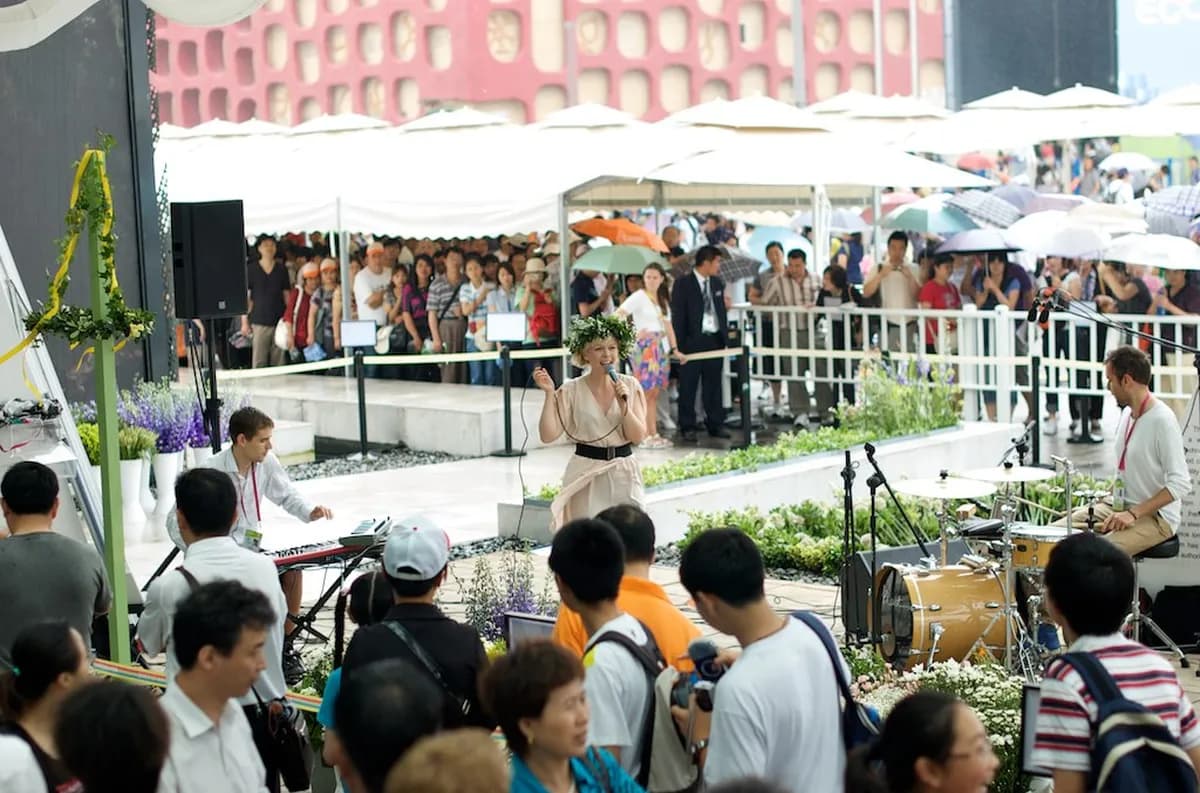
Attire for the day is generally casual but leans toward a light, summer aesthetic. White dresses and floral patterns are extremely common among those attending public festivities. Men often wear light-colored linen shirts or traditional folk costumes if they own them. Practical footwear is essential since most celebrations take place on grassy fields or uneven terrain.
Avoid wearing heavy fabrics or dark colors that do not fit the festive summer mood. A common mistake is forgetting a warm layer for when the temperature drops at night. Even on a sunny day, the Swedish evening can feel quite brisk near the water. Keep your outfit comfortable enough for sitting on the ground during long picnic lunches.
The Maypole Ritual: Dancing 'The Little Frogs'
The Midsommarstången, or maypole, is the centerpiece of every celebration across the country. Locals decorate the wooden cross with green leaves and a variety of colorful summer flowers. The raising of the pole is a major event that requires collective physical effort. Once upright, the crowd forms large circles around the pole to begin the music.
The most famous dance is called 'Små grodorna', which translates to 'The Little Frogs'. Participants of all ages hop around the maypole while mimicking the movements of a frog. It is a humorous and lighthearted tradition that highlights the playful nature of the holiday. You can watch a tutorial on Youtube.com to learn the song and dance beforehand.
Musicians usually play traditional folk instruments like the accordion or the fiddle during the dance. The songs are often repetitive and easy for non-Swedish speakers to hum along with quickly. Do not be shy about joining the circle even if you do not know the steps. Swedes are generally very welcoming to foreigners who show an interest in their local customs.
After the formal dances, many celebrations continue with outdoor games called a femkamp — a five-part competition. Teams compete in activities like wellie-throwing, spoon races, and group quizzes posted along a forest walk. The games are designed to mix strangers and are a fantastic way for visitors to integrate with locals at smaller, semi-public celebrations. If you end up at a family-friendly park event, look for the games area and ask if outsiders can join a team.
A Taste of Midsommar: Herring, Strawberries, and Schnapps
The Midsummer menu is remarkably consistent across the country and focuses on fresh ingredients. Pickled herring, served in various marinades, is the undisputed star of the holiday table. It is typically accompanied by new potatoes boiled with fresh dill and sour cream. A side of chives and crispbread completes the traditional smörgåsbord experience for most families.
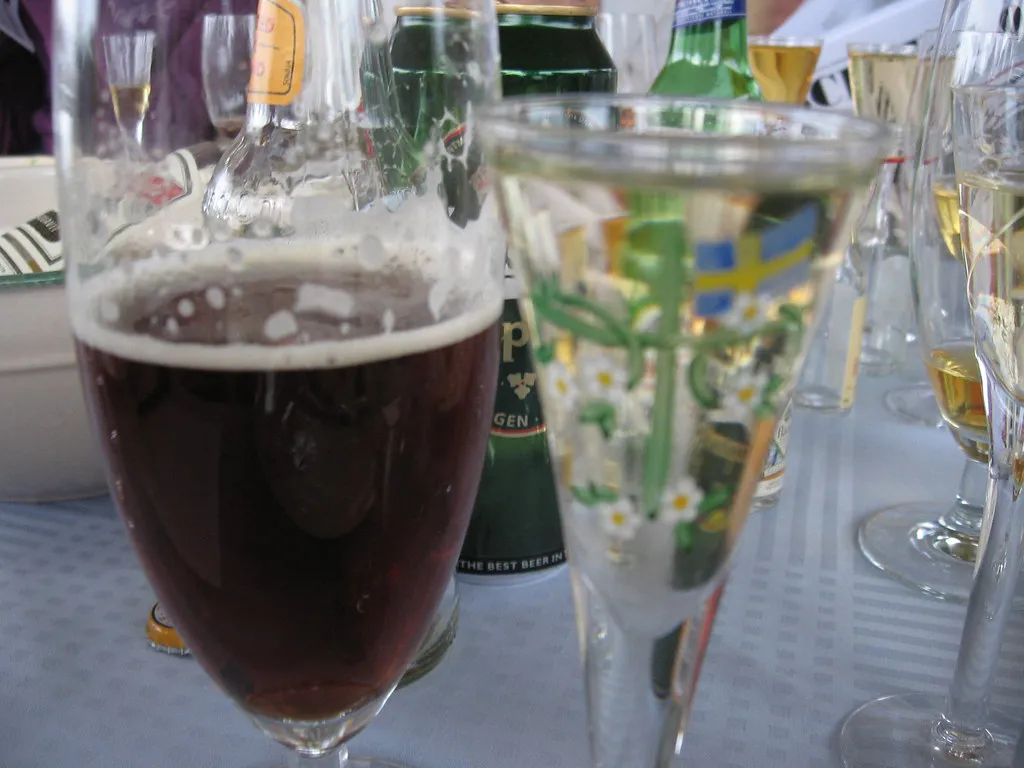
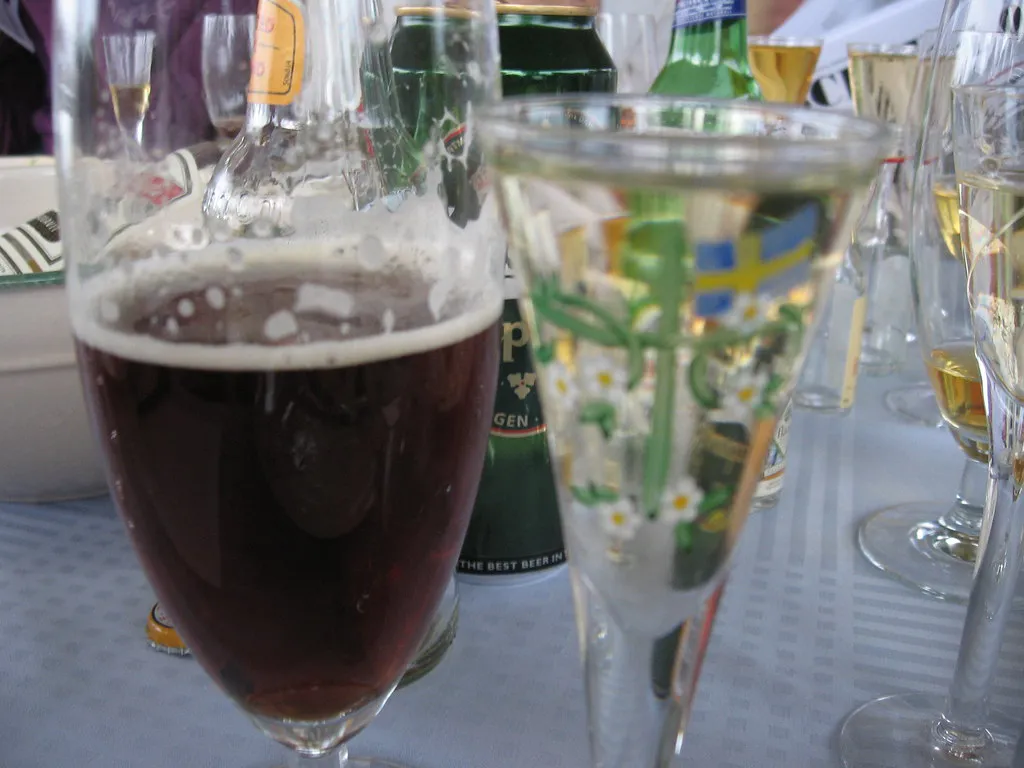
Drinking aquavit, or snaps, is a central part of the long afternoon lunch. Each shot of spirits is preceded by a short, boisterous drinking song called a 'snapsvisa'. You should wait for the group to finish the song before taking a small sip. Non-alcoholic alternatives like elderflower cordial or light beer are also widely available and popular.
For dessert, Swedes almost exclusively eat fresh strawberries with heavy cream or milk. The first harvest of Swedish strawberries is highly prized and can be quite expensive. Expect to pay around 60 SEK (~€5) for a small carton at street markets. The sweetness of the berries is considered the true flavor of the Swedish summer.
Later in the afternoon, many gatherings add a fika break — Sweden's ritual coffee pause — with Danish pastries, biscuits, and a large strawberry cream cake. The host traditionally supplies the strawberry cake while guests contribute other baked goods. This second dessert course is a good moment to slow down and socialize without the pressure of keeping up with the drinking songs.
Essential Logistics: Navigating Closures and Transport
Stockholm can feel like a ghost town on Midsummer Eve as businesses close early. State-run liquor stores, known as Systembolaget, close by 13:00 on Friday afternoon. They remain closed all through Midsummer Day, so you must buy alcohol by Thursday evening. Check the official Sweden.se site for a full list of holiday closure patterns.
Public transport operates on a modified schedule that mimics a standard Sunday service. Ferries to the archipelago are extremely crowded and may require queuing for over an hour. A single ferry ride to the outer islands costs about 170 SEK (~€15). Most city center restaurants close their doors, so plan to eat at your celebration venue or bring a picnic.
Major museums and tourist attractions, except for Skansen, often shut down for the weekend. If you are staying in a hotel, confirm if their restaurant will be serving dinner. Many travelers are caught off guard by the lack of open pharmacies or convenience stores. Stock up on essential medication and basic snacks before the Friday afternoon deadline passes.
Midsummer for Solo Travelers
Midsummer is by nature a family and group holiday, which can make it feel isolating for solo visitors. The good news is that Skansen actively caters to individuals — you can join the maypole decoration from around 11:00 and no one expects you to arrive as part of a group. The structured program means there is always something happening, and the communal circles for dancing are genuinely open to everyone without introduction.
A practical strategy for solo travelers is to book a guided Midsummer experience through a Stockholm tour operator. Several companies run group day trips combining a ferry ride to an archipelago island with a hosted lunch, maypole, and schnapps songs — prices typically run 750–1,200 SEK (~€65–105) including food. This removes the logistical burden of navigating holiday closures alone and guarantees you a seat at a proper table.
Hostels in Stockholm occasionally organize their own small Midsummer gatherings for guests. Ask at check-in the week before the holiday whether your accommodation has anything planned. If not, the Vitabergsparken neighborhood celebration is one of the most relaxed options in the city and consistently attracts a mix of locals and international visitors. Arriving early — by 11:00 — gives you time to settle in before the dancing starts and makes striking up a conversation much easier.
Cultural Etiquette: How to Celebrate Like a Local
Midsummer is a time for relaxation and informal socializing rather than stiff formality. When meeting people at a public event, a simple 'Glad Midsommar!' is the standard greeting — it means 'Happy Midsummer' and Swedes appreciate hearing it from visitors. It is polite to offer help if you see people decorating the maypole or setting up tables. Swedes value their personal space, but the holiday usually brings out a more gregarious side.
A few key phrases will go a long way: 'Skål!' (Cheers) is said before every schnapps; 'Tack!' (Thank you) is used constantly; and 'Får jag vara med?' (May I join in?) is the polite way to ask if you can participate in a game or dance. You do not need perfect pronunciation — the attempt itself signals respect for the culture and is universally welcomed.
One charming piece of folklore involves picking seven different types of wildflowers. According to legend, placing these under your pillow will make you dream of your future spouse. You must pick the flowers in total silence for the magic to work correctly. This tradition is still widely practiced by young people and romantic travelers alike.
Be mindful of alcohol consumption, as the combination of snaps and sun can be potent. While the atmosphere is festive, public intoxication is generally frowned upon in family-friendly areas. Always dispose of your picnic trash in the provided bins to respect the local environment. Maintaining the beauty of the parks is a high priority for the Swedish community.
Frequently Asked Questions
Where is the best place to experience Midsummer in Sweden?
Skansen in Stockholm is the best public location for travelers to see traditional dances and rituals. It offers a structured program and easy access via public transport. For a coastal vibe, the islands of the Stockholm archipelago are also excellent choices.
Do I need an invitation to celebrate Midsummer?
You do not need a private invitation to enjoy the holiday. Many parks and museums host large public events that are open to everyone. These venues provide a festive atmosphere with maypoles, music, and food stalls for visitors.
What is the traditional food for Swedish Midsummer?
The classic meal includes pickled herring, new potatoes with dill, and sour cream. Fresh Swedish strawberries with cream are the standard dessert. Most people also enjoy aquavit accompanied by traditional drinking songs during the meal.
Experiencing Swedish Midsummer is a highlight for any traveler visiting Scandinavia in June. By planning for closures and heading to public events like Skansen, you can participate in these ancient rituals. The combination of flower crowns, traditional music, and fresh food creates a unique cultural atmosphere. Remember to buy your supplies early and embrace the playful spirit of the 'Little Frogs' dance.
Whether you are in the heart of Stockholm or on a remote island, the solstice brings a special energy. Respect the local traditions, enjoy the endless daylight, and wish everyone a 'Glad Midsommar'. This celebration offers a deep look into the Swedish soul and its connection to the natural world.
Free guide: Europe's Festival Calendar
A month-by-month map of Europe's unmissable festivals — with the best dates to visit each and a local tip you won't find in the guidebooks.
You might also like


Continue reading
More guides you'll find useful