How to Get to Rheingau Wine Festival: Transport Guide
Master the logistics of the Rheingau Wine Festival. Learn the best train routes from Frankfurt, parking hacks in Wiesbaden, and essential tips for the Pfand system.
On this page
How to Get to Rheingau Wine Festival
The Rheingau region is world-famous for its crisp Rieslings and stunning vineyard landscapes along the Rhine River. Every year, thousands of visitors flock to the region for the legendary Rheingau Wine Festival. Last updated June 2026, this guide ensures you navigate the complex transport network with ease. Whether you head to Wiesbaden or Frankfurt, understanding the logistics is key to a stress-free experience.
Travelers often confuse the various events held across the region throughout the summer months. The most famous celebration is the Wiesbaden Wine Week, often called the longest wine bar in the world. Knowing Rheingau Wine Festival dates helps you plan your arrival perfectly for these major events. This guide covers the best routes, costs, and local secrets for a smooth journey.
Free guide: Europe's Festival Calendar
A month-by-month map of Europe's unmissable festivals — with the best dates to visit each and a local tip you won't find in the guidebooks.
Distinguishing Between the Frankfurt and Wiesbaden Festivals
The Rheingau Wine Festival actually refers to two distinct major events in the Rhine-Main metropolitan area. Wiesbaden hosts the Wine Week in August at the historic Schlossplatz near the Hessian State Parliament. Frankfurt holds its Rheingau Wine Market later in the summer along the famous Freßgass shopping street. Both events feature dozens of local vintners showcasing their best VDP-classified estate wines.
If you want the largest experience, the Wiesbaden event features over 120 booths and 1,000 wines. The Frankfurt version is more central for city dwellers but smaller in overall scale. Consulting the Visitfrankfurt.travel site provides specific details for the city-center market. Most international travelers find the Wiesbaden atmosphere more traditional and visually impressive.
Choosing the right transport depends on your starting location and your planned wine consumption. Public transit is highly recommended because of the strict alcohol laws in Germany. Trains are frequent and drop you within walking distance of the main festival squares. The following table compares the primary options for reaching the Wiesbaden festival from Frankfurt.
- Compare your transport options
- Regional Train (VIA RB10) takes 45 minutes and costs €10 / ~$11 per person.
- S-Bahn (S1, S8, S9) takes 50 minutes and costs €10 / ~$11 per person.
- Private Taxi or Rideshare takes 40 minutes and costs €75 / ~$82 per car.
- Regional Bus (from Mainz) takes 20 minutes and costs €4 / ~$4.50 per person.
Step-by-Step: Getting to the Rheingau Wine Festival by Train
The train is the most efficient way to reach the festival without worrying about parking. Wiesbaden Hauptbahnhof serves as the primary hub for all regional and long-distance rail arrivals. Frequent connections run from Frankfurt, Mainz, and the surrounding Rhine Valley towns throughout the day. You should check the RMV mobile app for real-time delays or platform changes before departing.
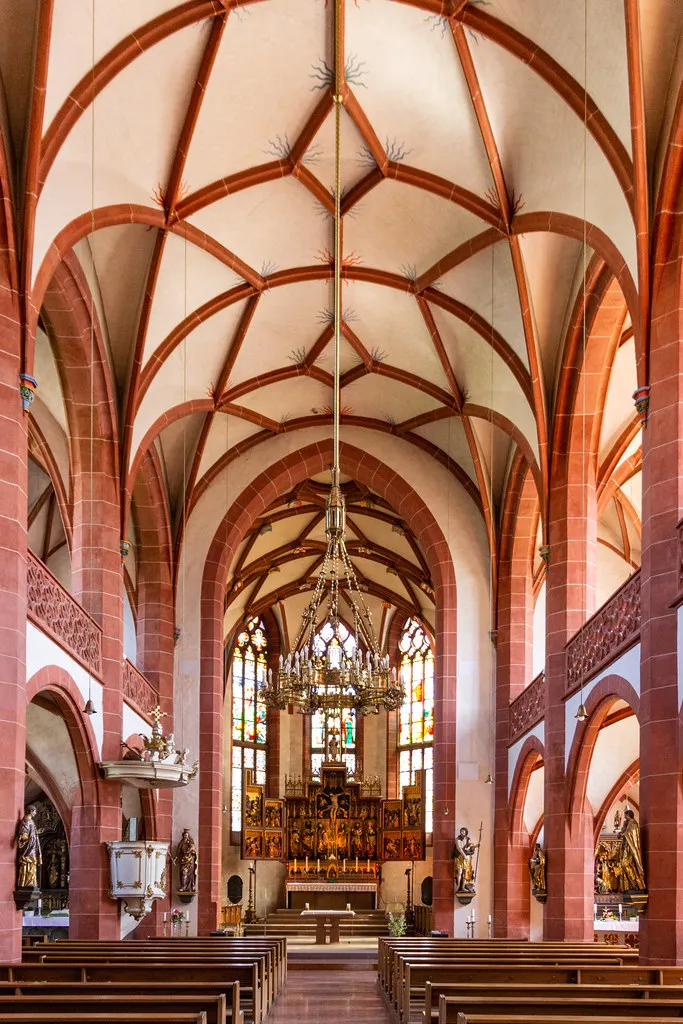
Using the train allows you to enjoy the local Riesling without the stress of driving. Group tickets offer significant savings if you are traveling with two or more people. The journey offers scenic views of the German countryside as you approach the Rheingau region. This method is widely considered the best wine festival transport for sustainability.
Once you arrive at the station, the festival is just a short bus ride or walk away. Signs often point the way toward the 'Stadtmitte' or 'Schlossplatz' during the event weeks. Follow the crowds of locals carrying commemorative glasses to find the heart of the action. The following steps outline the exact process for a successful train trip.
- Step 1: Locate your departure station in Frankfurt or Mainz
- Regional trains leave Frankfurt Hauptbahnhof every thirty minutes during the peak festival hours.
- A single fare costs roughly €10 / ~$11 depending on your starting zone.
- Avoid smaller suburban stations that may require multiple transfers to reach Wiesbaden.
- Step 2: Purchase the correct RMV transit ticket
- Use the automated kiosks at the station or the official RMV smartphone application.
- Expect to pay around €19 / ~$21 for a day pass covering the entire region.
- Do not forget to validate paper tickets at the platform boxes before boarding the train.
- Step 3: Board the regional train or S-Bahn line
- Look for the VIA RB10 or the S1, S8, and S9 lines heading toward Wiesbaden.
- The journey typically takes 45 to 55 minutes from the center of Frankfurt.
- Note that the RB10 is usually faster as it makes fewer stops than the S-Bahn.
- Step 4: Navigate from Wiesbaden Hauptbahnhof to the festival
- Exit the main station and board bus lines 1, 8, or 16 toward the city center.
- The bus ride takes 5 minutes and is included in your regional train ticket.
- Walking to Schlossplatz takes about 20 minutes if you prefer to see the city architecture.
- Step 5: Manage your glass deposit at the wine stands
- Pay a small 'Pfand' of €3 / ~$3.50 when you order your first glass of wine.
- Return the glass to any booth from the same winery to get your money back.
- Keep the glass as a souvenir if you prefer not to reclaim the deposit.
Driving and Parking Logistics Near Wiesbaden Schlossplatz
Driving to the festival is possible but often proves difficult due to heavy traffic and closures. The central Dern’sches Gelände parking area is usually closed to the public during the event. You must rely on peripheral parking garages that fill up quickly during the weekend evenings. Navigating the narrow streets of Wiesbaden requires patience and a reliable GPS system.
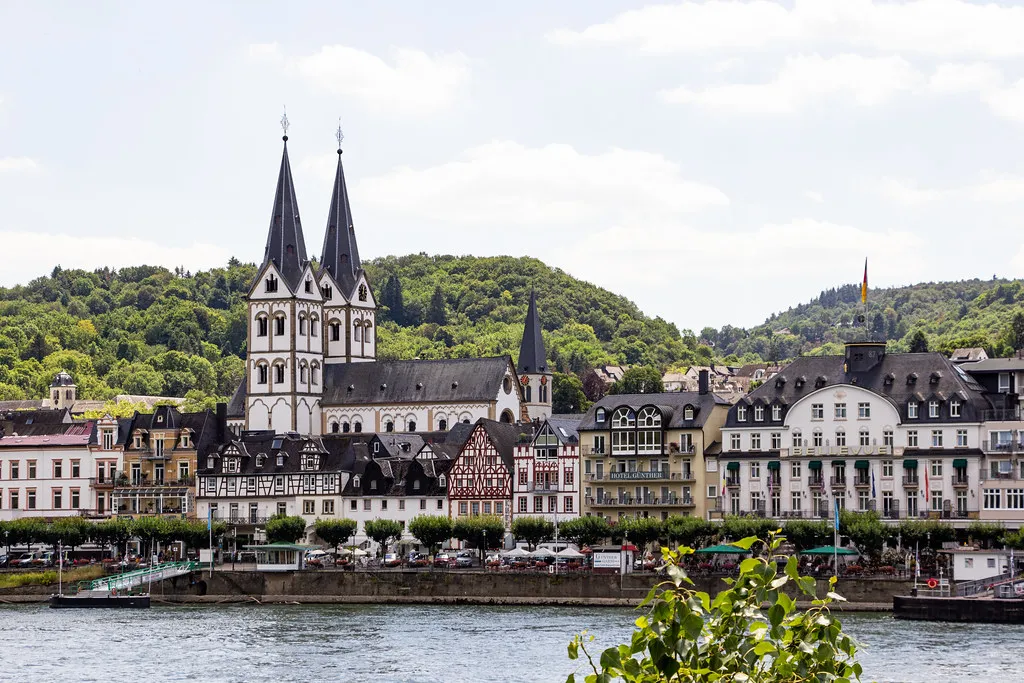
Parking fees in the city center range from €2 / ~$2.20 to €4 / ~$4.40 per hour. The Kurhaus and Theater parking garages offer the most reliable spaces within a ten-minute walk. If these are full, look for the City II garage located on Kirchgasse for more capacity. Consider looking into where to stay for Rheingau Wine Festival to avoid driving entirely.
Alcohol limits in Germany are very strict, with a 0.5 promille limit for most drivers. Police often set up checkpoints on the main roads leading out of Wiesbaden at night. It is always safer to designate a driver or use the excellent public transport system. The following guide helps you decide which transport method fits your specific travel needs.
- Quick Decision Guide: Car vs Train
- If you are traveling from Frankfurt, take the S-Bahn for the most convenience.
- If you arrive from Mainz, use the local bus for a cheap and fast trip.
- If you have a large group, a van rental might be cheaper than individual tickets.
- If you plan on tasting multiple wines, the train is the only safe option.
Local Bus Routes and Walking Directions
Wiesbaden has a comprehensive bus network that connects the train station to the wine booths. Lines 1 and 8 are the most frequent, running every 10 minutes during the day. You should get off at the 'Dern’sches Gelände' or 'Kirchgasse' stops for the shortest walk. The Wiesbaden.de portal offers updated bus schedules for the festival period.
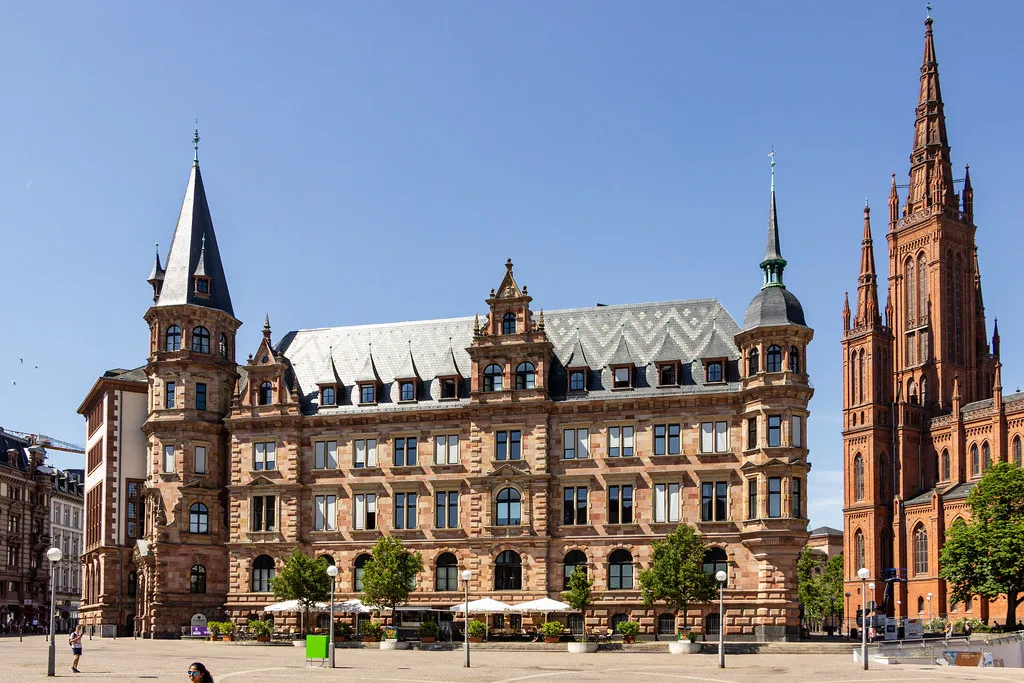
Walking from the station is a pleasant way to see the historic villas of Wiesbaden. The route follows the Wilhelmstrasse, which is lined with luxury shops and manicured parks. Most visitors find the 1.5-kilometer walk manageable in about twenty minutes at a casual pace. Wear comfortable shoes as the festival area features cobblestones and uneven historic pavement.
Preparation is essential for enjoying a long day of wine tasting in the sun. The weather in the Rheingau can be quite hot during the peak of August. Ensure you have a plan for returning to your hotel before the last trains depart. Check this list to make sure you have everything ready before you leave.
- Checklist for your wine festival trip
- Carry small euro denominations for quick cash payments at the booths.
- Download the RMV app for live train and bus departure times.
- Pack a portable water bottle to stay hydrated between wine tastings.
- Wear sun protection as most of the festival is held outdoors.
- Bring a light jacket for the cooler evening temperatures in the square.
- Save the address of your hotel in your phone for late-night navigation.
- Check the weather forecast to avoid the occasional summer afternoon thunderstorms.
Festival Hours, Dates, and Entry Requirements
The Rheingau Wine Festival in Wiesbaden typically opens in the late morning and runs until midnight. Weekday hours usually start at 11:00 AM, while weekends may begin slightly earlier for brunch. Most stands stop serving wine thirty minutes before the official closing time of the square. Planning to arrive in the early afternoon helps you secure a seat at the tables.
Entry to the festival grounds is free for all visitors, making it a very accessible event. You only pay for the food and wine you consume at the individual vendor stands. This makes it one of the best food festivals in Europe for budget-conscious travelers. Expect higher prices for premium Rieslings from the most famous Rheingau estates.
Security personnel may check bags at the entrances to the main Schlossplatz area. Large backpacks are generally discouraged to keep the crowded walkways clear for other guests. Dogs are allowed but the loud music and crowds can be stressful for pets. Check the official dates for 2026 to ensure you do not miss the opening ceremony.
Wine, Food, and Atmosphere at the Festival
The Rheingau Wine Week draws more than 400,000 visitors across its ten-day run and works through roughly 250,000 bottles of wine. The 120-plus booths are staffed directly by the estate vintners, so you are often poured by the winemaker. The selection spans all VDP quality tiers, from everyday Gutswein through to Grand Cru Grosses Gewächs bottlings. Beer is available from a single Ratskeller stand if wine is not your preference.
Food options at the Schlossplatz reflect Wiesbaden's reputation for quality: Spundekäs (a tangy fresh-cheese dip served with pretzels), Flammkuchen (a thin Alsatian-style flatbread), and seasonal fruit-and-wine platters designed to complement dry Riesling. These platters are a festival signature and worth ordering with your first glass. Quality here is noticeably higher than at most German street festivals — the organisers deliberately curate the food vendors to match the wine standard.
Three music stages run across the Schlossplatz and surrounding streets from early evening. Up to 50 live acts perform throughout the festival, meaning dancing on the square or on the long benches is expected, not unusual. The backdrop of the Hessian State Parliament, the Neues Rathaus, and the Marktkirche makes for a more scenic setting than a typical beer-tent event. Check the Wiesbaden.de event calendar for the 2026 stage schedule before you travel.
One detail no competitor mentions: the festival produces a limited-edition commemorative glass with a new design each year. You can buy one outright from any booth rather than receiving the standard Pfand glass. These are popular as keepsakes and tend to sell out by the final weekend, so pick one up early in the week if you want it.
Essential Logistics: Payments, Pfand, and Seating
The 'Pfand' system is a unique part of German festival culture that surprises many tourists. You pay a deposit of around €3 / ~€3 when you order your first glass; return the glass to any booth from the same estate to reclaim it. This system reduces waste and keeps the festival grounds clean. The same deposit model operates at the Bad Durkheim Wurstmarkt and most other German outdoor wine events.
Cash is still the preferred payment method at many of the smaller booths, though larger estates increasingly accept card. Having €20–€30 in small denominations when you arrive will save you time at busy stands. ATMs are located around the perimeter of Schlossplatz but have long queues on Friday and Saturday evenings. Prepare your funds at your hotel or train station before you head to the square.
Seating fills up fast on warm evenings. Long communal tables spread across the square operate on a first-come basis — there is no reserved seating. Arriving before 17:00 on weekdays gives you the best chance of a table near the main stage. If the central area is packed, booths further from the stage along the side streets offer more room and equally good wine. A good fallback meeting point if your group splits up is the base of the Marktkirche tower on the eastern edge of the square.
Frequently Asked Questions
Where is the Rheingau Wine Festival held?
The main event takes place at Schlossplatz in Wiesbaden. A secondary market is held at the Freßgass in Frankfurt. Both locations are easily accessible by regional trains from across Germany.
How do I get from Frankfurt to the Wiesbaden Wine Festival?
Take the S-Bahn lines S1, S8, or S9 from Frankfurt Hauptbahnhof. The journey takes about 50 minutes and costs €10 / ~$11. Regional trains like the VIA RB10 are often faster.
Is there parking available at the Rheingau Wine Festival?
Central parking is very limited due to road closures. Use the Kurhaus or Theater parking garages for the best chance of a spot. Expect to pay around €15 / ~$16 for a full day.
Reaching the Rheingau Wine Festival is a straightforward process if you choose the train. The combination of regional rail and local buses makes the journey efficient and affordable. By following these steps, you can focus on the world-class Riesling and the vibrant atmosphere. Enjoy your time in the heart of Germany's most beautiful wine-growing region.
Free guide: Europe's Festival Calendar
A month-by-month map of Europe's unmissable festivals — with the best dates to visit each and a local tip you won't find in the guidebooks.
You might also like

Continue reading
More guides you'll find useful