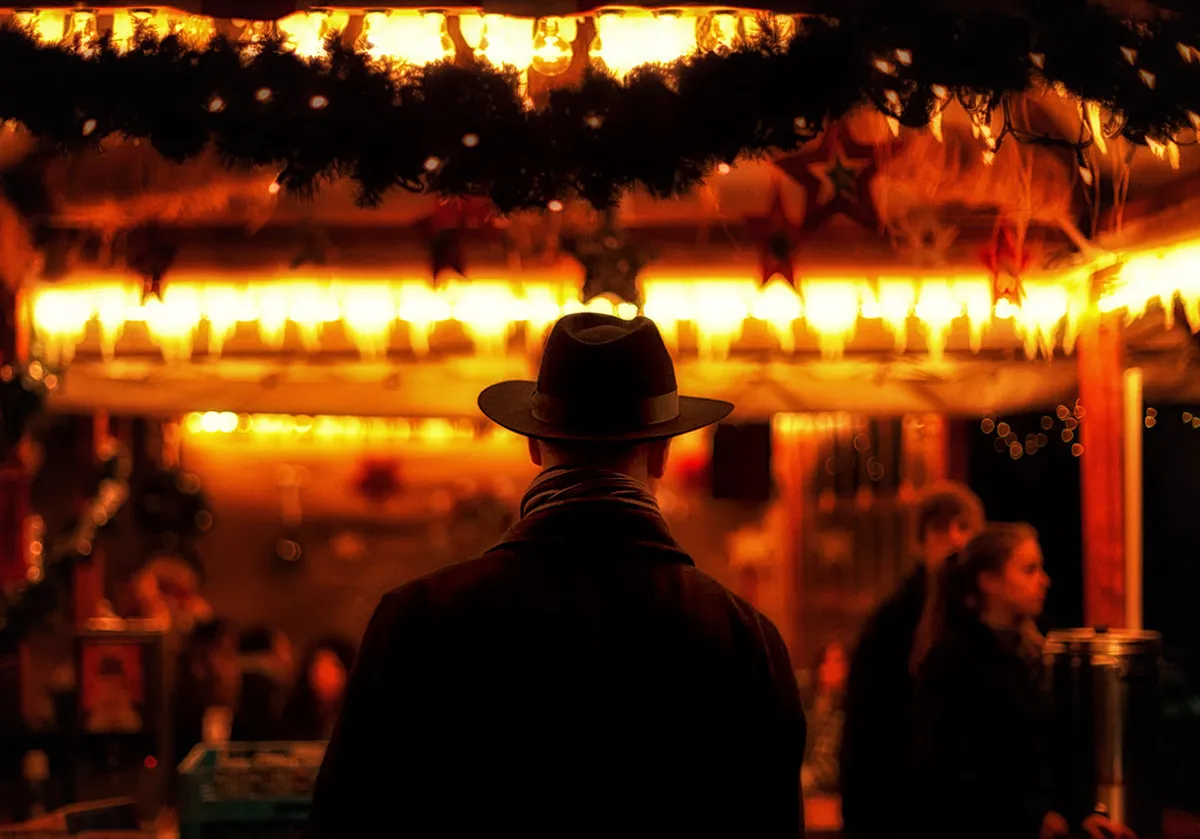
History Of Christmas Markets In Europe Travel Guide
Discover the history of Christmas markets in Europe, from medieval German origins to a global tradition. Find timing tips and what makes each market authentic.
On this page
History Of Christmas Markets In Europe
The history of Christmas markets in Europe stretches back more than 700 years, yet the tradition as most visitors experience it today is surprisingly recent. These open-air winter markets, with their glowing stalls, spiced wine, and handmade gifts, can feel ancient and timeless — but scholars consistently point to a more complex origin story. Understanding that history helps travelers make smarter choices about which markets to visit and what to expect when they arrive.
Free guide: Europe's Festival Calendar
A month-by-month map of Europe's unmissable festivals — with the best dates to visit each and a local tip you won't find in the guidebooks.
The Origins of Christmas Markets
The earliest recorded December market in Europe dates to Vienna in 1296, when Duke Albrecht I authorized a 14-day fair during the winter month. Despite the timing, that market had no explicit religious connection to Christmas, and historians treat it as a general winter trading event rather than a true Christkindlesmarkt. A similar example appears in Bautzen, Germany in 1384, when King Wenceslas IV granted the town the right to hold a meat market running through December.
Scholars still debate which market deserves the title of the world's oldest, because evidence is fragmentary and city records often overstate continuity. What most historians agree on is that the Dresden Striezelmarkt, first documented in 1434, represents one of the earliest continuously operating Christmas markets in Europe. The Nuremberg Christkindlesmarkt — now one of the most visited markets in Germany — was established no later than 1628, making it another long-running example. Dresden itself proudly claims the title of Germany's oldest Christmas market, and that claim is well-supported by the historical record.
Christmas markets originally spread through German-speaking lands before crossing into Italian, Swiss, and French regions with cultural ties to Germany. Strasbourg, which changed hands between French and German rulers many times, developed its own Christmas market tradition as early as the 16th century. This geographic spread reflects how the broader customs of Christmas — including the decorated tree, first recorded in a 1527 document from Mainz — radiated outward from German-speaking Europe.
How Gift-Giving Reshaped Market Culture
During the medieval period, gift-giving was tied to December 6, Saint Nicholas Day, rather than to Christmas itself. Christmas Day marked the end of Advent — a period of fasting and religious reflection — and the beginning of 12 days of festivity. Markets near churches served a social function, drawing workers, clergy, travelers, and nobility into a shared public space during the darkest weeks of winter.
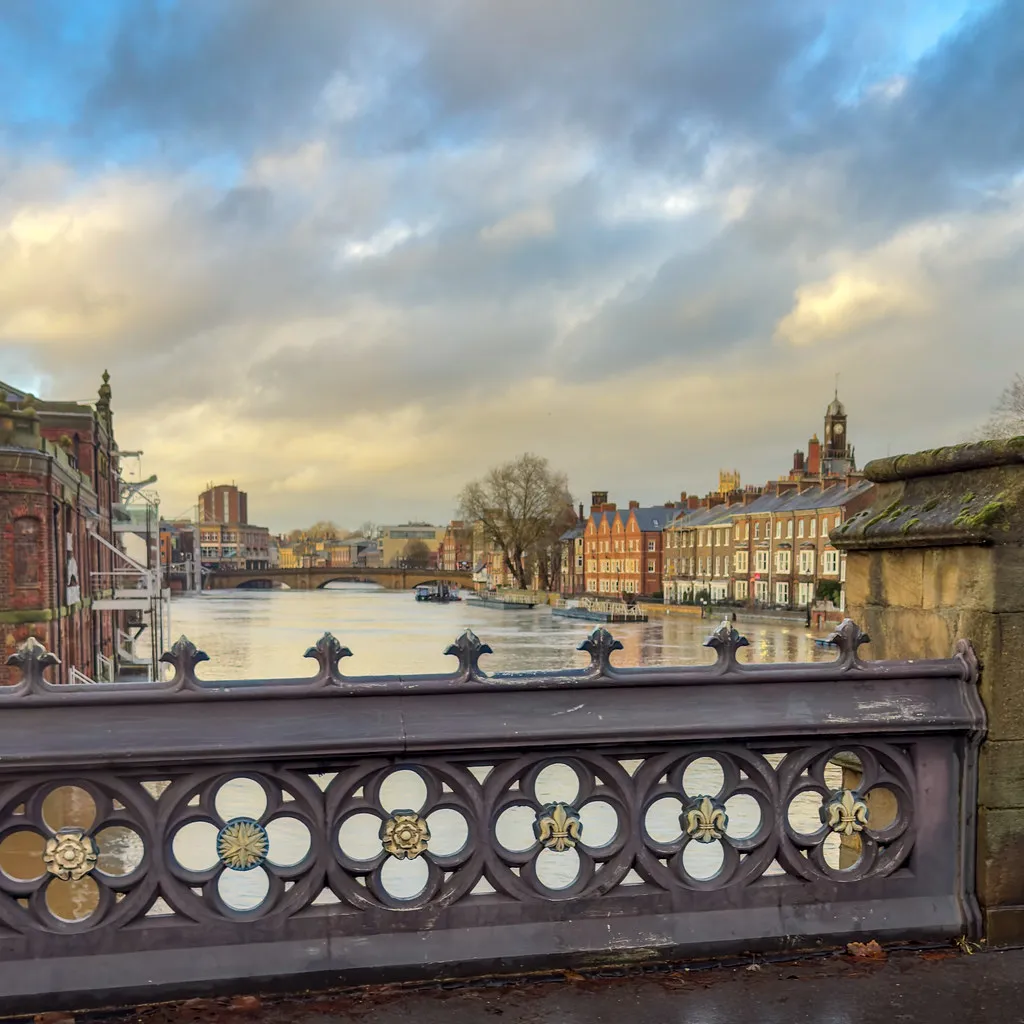
The Protestant Reformation shifted that gift-giving tradition to December 25, largely through the influence of Martin Luther. Luther and his followers rejected the veneration of saints, including Saint Nicholas, as a distraction from direct faith. Moving gift-giving to Christmas Day elevated the holiday itself and, over time, made markets centered on gifts and seasonal goods more central to the Christmas experience. This is why the cultural weight of German festival traditions is so difficult to separate from the religious and commercial history of the season.
By the 17th and 18th centuries, Christmas markets across central Europe were selling meat, baked goods, and gift items. Governments began regulating them: Berlin, for example, decreed in 1750 that its market could operate only from December 11 to January 6. That same market grew from roughly 50 stalls in 1650 to about 600 stalls by 1840, reflecting steady demand even before modern tourism existed.
The Decline and the Nazi Revival
By the late 19th century, Christmas markets across Europe were struggling to survive against rising competition from department stores. Mass-produced goods sold indoors at lower prices undercut the handmade wares at outdoor stalls, and city authorities began moving markets to less central locations to ease foot traffic. A Berlin journalist writing in the 1920s described only "meager remnants" of the once-lively Christmas market scene in the city's eastern districts. The tradition that had grown steadily for centuries was, by most accounts, quietly dying.

The revival came from an unlikely source: the Nazi regime, which reappropriated Christmas markets in the 1930s as symbols of German cultural identity. The Berlin market was moved back to the city center, drawing a reported 1.5 million visitors in 1934 and two million in 1936. The regime mandated in 1933 that markets sell specifically Christmas-related goods — tree decorations, toys, gingerbread, advent wreath materials — deliberately stripping away the religious roots in favor of nationalist framing. Bratwurst, herring, and other German staples became market fixtures at this time, as food stalls joined craft vendors as a core feature.
This period established the template that most modern Christmas markets still follow, whether or not visitors realize it. Scholars describe the shift as a transformation from "a primarily mercantile operation to an experiential event," which is exactly what travelers encounter at markets across Europe today. After World War II, markets reopened with the Nazi associations stripped away, repositioned as cultural heritage and tourist attractions.
The Commercialization of Christmas Markets
The postwar economic recovery and the rise of consumerism in western Europe fueled a new wave of Christmas market growth from the 1950s onward. By the late 1960s and 1970s, markets were opening as early as the last weekend of November, giving shoppers a longer spending season. Germany alone now hosts around 3,000 Christmas markets each year, and most of the smaller ones date back only 50 to 60 years.
That commercialization has a real effect on what visitors find when they arrive — and it matters for planning. Traditional craft markets, like the Nuremberg Christkindlesmarkt, focus on handmade ornaments, wooden toys, and regional food. More commercial events, often branded as winter wonderlands, lean toward carnival rides, generic gifts, and a festival atmosphere rather than cultural heritage.
The trade-off is worth understanding before booking a trip. Older, city-center markets in Germany, Austria, and Czech Republic tend to reflect the historical tradition most closely. Markets in Western Europe that evoke nostalgia through large-scale spectacle can still be enjoyable, but travelers seeking authenticity should research the vendor mix and market history before they go. Reading local tourism board descriptions carefully — not just headline rankings — helps identify which markets prioritize craftsmanship.
For travelers interested in what to eat and drink at European Christmas markets, the food landscape has been shaped by this same history. Glühwein, bratwurst, gingerbread, and chimney cakes are now standard across most European markets, regardless of the country. Their shared presence reflects the reach of central European traditions — and the commercial logic that spread them far beyond Germany's borders.
The "Golden Age" Myth and What It Reveals
The nostalgia at the heart of Christmas markets is not a modern invention. In the 1830s, German Romantic writer Ludwig Tieck published a novella set during the Berlin Christmas market of 1791, describing it as a near-magical scene: "Most splendid were the evening hours, when this wide street was illuminated by many thousands of lights from the booths … the sweet aromas of the various sugar and marzipan pastries." Tieck was already romanticizing a market from 40 years earlier — proof that every generation imagines the markets of the past as somehow more authentic.
Historian Joseph Perry, author of Christmas in Germany: A Cultural History, calls this "nostalgia for a past that doesn't exist" — one of collective holiday harmony that was never quite as tidy as memory suggests. The markets visitors experience today are shaped by mercantile logic and 19th-century consumer culture at least as much as by medieval guild tradition. Recognizing that gap between myth and history makes the tradition more interesting, not less.
Today, the tradition has spread to every inhabited continent, with cities like Zagreb — a multiple-time winner of European Best Christmas Market awards — showing how far the German original has traveled. San Francisco's Great Dickens Christmas Fair recreates Victorian London rather than medieval Germany. The Wikipedia overview of Christmas markets traces events across North America, Asia, and Oceania, each adding its own cultural layer to a template that was itself a 1930s reconstruction. The Dresden Striezelmarkt meanwhile continues into its sixth century, one of the few threads of genuine continuity in a tradition otherwise rebuilt from parts.
How to Tell an Authentic Market from a Commercial Event
The history of Christmas markets matters practically because it gives travelers a way to evaluate what they are actually attending. A 1869 Frankfurt police order stipulated that only "genuine Christmas objects" — children's toys, Christmas trees, nativity scenes, gingerbread, and confectionery — could be sold at the market. That regulatory tradition is still visible in the vendor mix at older German and Austrian markets, where craft sellers must pass a jury review to set up a stall. At less regulated events, the same square might hold a funfair, a generic gift bazaar, and a bratwurst stand with no connection to local production.
Several signals separate genuine craft markets from commercial winter events. Markets where stall holders are local producers — woodcarvers, glassblowers, lebkuchen bakers using inherited recipes — reflect the older model. Markets dominated by carnival rides, non-regional food, and mass-produced goods follow the entertainment model that expanded rapidly from the 1970s onward. UK events like London's Hyde Park Winter Wonderland sit squarely in the second category; York's market, with its regionally distinctive stalls and Viking-heritage framing, sits closer to the first.
For travelers who want the historical experience rather than the seasonal spectacle, the most reliable markets remain in the cities where the tradition has the longest unbroken record: Nuremberg, Dresden, Vienna's Rathausplatz, and Strasbourg, whose market dates to the 16th century. These are also among the most crowded, so visiting on weekday mornings rather than weekend afternoons makes a significant difference. Checking the market's official vendor criteria — most publish them — reveals whether stallholders are vetted for regional craft production or simply paying for pitch space.
A Tradition Still Being Written
For first-time visitors, the historical layering adds genuine depth to what might otherwise seem like a simple shopping experience. Knowing that the Dresden Striezelmarkt has been running since 1434, or that the gingerbread at a Nuremberg stall follows a tradition shaped by centuries of regulation and deliberate political choices, changes the texture of the visit. The history of Christmas markets in Europe is ultimately a story about how communities choose to mark the darkest time of year — and every generation rewrites part of it. Knowing which part was rewritten recently, and which part stretches back 500 years, is the best preparation you can bring.
If you are planning your first market trip in 2026, read our guide on how to plan a European festival trip for timing, logistics, and what to prioritize once you arrive.
Visiting Europe for more than one festival? See our complete guide to festivals and events in Europe.
Frequently Asked Questions
Which is the oldest Christmas market in Europe?
The Dresden Striezelmarkt, established in 1434, is widely recognized as one of the oldest continuously operating Christmas markets in Europe. Dresden officially promotes it as Germany's oldest. The Nuremberg Christkindlesmarkt, documented from 1628, is another strong historical contender. Historians note that earlier medieval December fairs in Vienna (1296) and Bautzen (1384) predate both but lacked a clear Christmas focus.
Where did Christmas markets originate?
Christmas markets originated in German-speaking central Europe during the late medieval period. Vienna and Bautzen held early December fairs in the 13th and 14th centuries. The tradition gradually spread to German-speaking regions of Switzerland, France, and Italy before becoming a recognizable European cultural export in the modern era.
What is so special about Christmas markets in Europe?
European Christmas markets combine centuries of cultural history with a sensory experience — spiced wine aromas, handmade crafts, and festive lighting in historic city squares. The tradition connects visitors to a ritual that, in various forms, has anchored winter community life since the medieval period. That layered history makes European Christmas markets feel different from commercial holiday events elsewhere.
Which country in Europe has the best Christmas markets?
Germany is consistently regarded as the heartland of European Christmas markets, with around 3,000 events each year including the renowned Nuremberg and Dresden markets. Austria and the Czech Republic also have deep traditions, with Vienna and Prague drawing large visitor numbers. Croatia's Zagreb has won multiple European Best Christmas Market awards, making it a strong alternative for travelers seeking something less crowded.
How did Christmas markets become so commercialized?
The shift toward commercialization accelerated after World War II, driven by economic recovery and growing consumer culture across western Europe. Markets expanded their opening windows from a few days to several weeks by the 1970s. The Nazi regime's 1930s revival also shaped the modern market template — emphasizing experience and atmosphere alongside goods, which made markets easier to scale and replicate globally.
Free guide: Europe's Festival Calendar
A month-by-month map of Europe's unmissable festivals — with the best dates to visit each and a local tip you won't find in the guidebooks.
You might also like


Continue reading
More guides you'll find useful