7 Tips on How To Get To Haro Wine Festival
Master the logistics of the Haro Wine Festival. Learn the best airports, train routes, and driving tips to reach the Batalla del Vino in La Rioja.
On this page
How To Get To Haro Wine Festival: A 2026 Logistics Guide
Last updated June 2026. The Haro Wine Festival is one of the best festivals in Spain for adventure seekers. This messy tradition takes place every June 29th in the heart of the La Rioja region. You will need a solid plan to reach the remote Bilibio Cliffs on time.
Getting to Haro involves navigating regional buses, trains, or narrow mountain roads. Many travelers combine this trip with other stops on the Spain festival calendar. The town of Haro is famous for its world-class wineries and historic architecture. Understanding the logistics ensures you arrive ready for the famous Batalla del Vino.
Quick Answer: The fastest way to Haro is flying to Bilbao and taking a direct bus for €10 / ~$11. You can also drive from Madrid in 3.5 hours or join a private festival coach from Barcelona, Madrid, or San Sebastian. These options provide the most flexibility for reaching the La Rioja region.
Free guide: Europe's Festival Calendar
A month-by-month map of Europe's unmissable festivals — with the best dates to visit each and a local tip you won't find in the guidebooks.
Nearest Airports and Transport Hubs to Haro
Bilbao Airport (BIO) serves as the most convenient international gateway for Haro. It is located approximately 100 kilometres north of the wine capital. Most international travelers find the widest range of flight options through this hub. From the airport, take the Bizkaibus A3247 shuttle to the Bilbao Intermodal station for around €3 / ~$3.30, then board an ALSA bus direct to Haro.
Biarritz Airport (BIQ), just across the French border, is a strong alternative for travelers flying in from the UK or Northern Europe. From Biarritz you can take a French SNCF train to Hendaye, then switch to Euskotren for San Sebastian, and continue south by bus or train to Haro. This route adds about 90 minutes but can be cheaper than routing through Bilbao if you are coming from London or Paris.
Vitoria Airport (VIT) is technically closer but offers very few commercial flights. Madrid-Barajas (MAD) works for travelers connecting from long-haul routes; the drive or bus from Madrid takes roughly three and a half hours. High-speed trains do not run directly into Haro's town center, so you will almost always need a regional connection via Logroño or Miranda de Ebro.
- Transport Option Comparison for Haro
- Bus from Bilbao Intermodal: €10–€15 / ~$11–$16, takes 1 hour 15 minutes, runs hourly. Book via ALSA at least two weeks ahead.
- Train from Logroño: €5–€8 / ~$6–$9, takes 45 minutes, runs 3 times daily.
- Car Rental from Bilbao: €45–€70 / ~$49–$76 per day, 1 hour drive, most flexible schedule.
- Private Coach Tour (e.g. Stoke Travel): from €99 per night, includes transport, camping, and guided entry to the battle.
How to get to Haro Wine Festival Step-by-Step
Reaching the festival requires a mix of international and regional transit steps. The town of Haro is small and becomes very crowded during late June. Most visitors arrive a day early to enjoy the local wine culture and street parties. Follow this sequence to ensure a smooth arrival at the battle site.

The Haro Wine Festival dates are fixed for June 29th annually. Planning your arrival for June 28th allows you to participate in the overnight street festivities in Plaza de la Paz. The town stays awake all night before the morning battle begins. Be prepared for limited taxi availability once you arrive in the town.
- Step 1: Fly into Bilbao International Airport (or Biarritz for European travelers)
- Bilbao Airport is the main international gateway for the La Rioja wine region.
- Flights from major European hubs arrive daily throughout the busy summer season.
- Check flight prices early as June is a peak month for Spanish tourism.
- Step 2: Transfer to Bilbao Bus Station
- Take the Bizkaibus A3247 from the airport to the Bilbao Intermodal station.
- The shuttle costs about €3 / ~$3.30 and departs every 15 to 20 minutes.
- Travel time to the city center is usually around 25 minutes.
- Step 3: Board an ALSA Bus to Haro
- The ALSA bus to Haro costs roughly €10 / ~$11 per person.
- Buses run frequently but often sell out during the festival weekend.
- Purchase your tickets online at least two weeks before your trip.
- Step 4: Locate Your Accommodation in Haro
- Walk or take a short taxi to your hotel or designated campsite.
- Most central hotels are located near the Plaza de la Paz area.
- Check-in times may be strict due to the high volume of guests.
- Step 5: Prepare Your Festival Outfit
- Buy all-white clothing and a red neckerchief from local shops or bring your own.
- Expect to spend about €15–€40 / ~$16–$44 for a basic festival kit.
- Ensure your shoes are comfortable for a long morning of walking and standing.
- Step 6: Travel to the Riscos de Bilibio
- Board the free festival shuttle or begin the 6 km hike at dawn.
- The shuttles run from around 6:30–7:00 AM until the battle ends near midday.
- Walking takes about one hour and offers sweeping views of the vineyards.
Driving and Parking: Distance to Haro by Car
Driving offers the most freedom for exploring the broader La Rioja region. The distance to Haro by car from San Sebastian is about 120 kilometres, or roughly 1.5 hours. You can reach Haro from Logroño in just 35 minutes via the AP-68. Be aware that the AP-68 is a toll road with moderate fees.

If you are coming from Madrid, take the A-1 motorway north and allow 3.5 to 4 hours. From Barcelona, the journey takes 4 to 5 hours via Zaragoza. These routes suit travelers who want to combine Haro with a wider road trip through northern Spain. Book a rental car early as June inventory runs out fast at Bilbao Airport.
Parking in Haro becomes a significant challenge during the festival week. Local police close many streets in the town center to accommodate the crowds. Most visitors park on the outskirts and walk into the historic district. Designated overflow lots are usually set up near the Haro bullring.
Do not attempt to drive your car up to the Bilibio Cliffs. The road to the cliffs is strictly reserved for official shuttle buses on June 29th. Illegal parking along the access road often results in heavy fines. If you are staying in a nearby village, plan to arrive in Haro before 7:00 AM to secure a spot.
Private Coaches and San Vino 2026 Packages
For travelers who want a zero-stress journey, tour operators run dedicated coaches directly to the festival site. Stoke Travel is the best-known, operating party buses from Barcelona (around a 5-hour drive), Madrid (roughly 4 hours), and San Sebastian (about 2.5 hours). You join the bus, and it delivers you straight to their campsite near the base of the Bilibio hills. No timetable research, no transfer risk, no scrambling for last-minute buses on festival morning.

Stoke Travel's San Vino packages start from €99 per night for their DIY option and rise to a full multi-day "Full Experience" package that includes over €270 in added value: guided bodega tours, a salsa and sangria masterclass, chef-cooked brunches with bottomless mimosas, and a traditional white outfit with red neckerchief. The campsite address is Camping Haro, Avenida de Miranda 1, 26200 Haro, La Rioja.
Choosing between DIY and a package comes down to budget and logistics confidence. If you book the DIY route independently, you still need to source your transport, wine-fight outfit, open bar, and winery tour separately. Stoke's own estimate is that once you add all those elements à la carte, the full package usually works out cheaper in practice. If you are a solo traveler or first-timer, the social campsite environment is an added bonus that independent accommodation simply cannot match.
La Batalla del Vino: The Official Wine Warfare Schedule
The festival runs from June 26th to June 30th in 2026, with June 29th — San Pedro's Day — as the main battle date. The nights before are filled with street parties, live music, and mobile discos in Plaza de la Paz. Locals and international visitors mingle in the narrow old town streets, and many people stay up until dawn rather than sleeping.
On June 29th the timeline moves quickly. Shuttle buses from the town center begin around 6:30 AM. By 7:00 AM the Mayor of Haro leads a solemn morning mass at the chapel on the Bilibio cliffs. At around 8:00 AM the Mayor drops the flag, wine trucks begin, and thousands of litres of red wine are unleashed over the crowd. Participants fight with water pistols, bota bags, spray bottles, and buckets. The battle winds down around 11:00 AM as the wine supply is exhausted.
The wine used is not bottled Rioja; it is surplus production that does not meet the strict DOCa Rioja standards for commercial bottling. As it runs down the hillside it seeps back into the earth and acts as a natural fertilizer for the very vineyards that produced it. This is worth knowing if anyone asks why thousands of litres of wine are being "wasted." After the battle, most visitors walk or shuttle back to Haro and spend the afternoon recovering at the campsite pool or in the local bars. The evening of June 29th brings the iconic Toro de Fuego — a firework bull released through the crowds — and another late-night concert in Plaza de la Paz.
The Wine Fight Awaits: Reaching the Bilibio Cliffs
The actual battle does not take place in the town of Haro. You must travel to the Riscos de Bilibio, located 6 kilometres away. This site is a natural set of cliffs overlooking the Ebro River. Getting there requires either a long walk or a shuttle ride.
Free shuttle buses depart from the Haro town center starting very early. The queues for these buses can be quite long after 7:30 AM. Many locals prefer to walk the distance while singing and drinking. The atmosphere on the road is just as festive as the battle itself.
You should aim to arrive at the cliffs by 8:00 AM. The wine trucks begin spraying the crowds shortly after the morning mass. By 11:00 AM, the battle typically winds down as the wine runs out. The return journey to town is usually done on foot by most participants.
- Festival Day Preparation Checklist
- Wear old white clothes that you do not mind ruining permanently.
- Bring a red neckerchief to match the traditional Spanish style.
- Carry a plastic bottle or water gun filled with red wine.
- Pack a waterproof pouch to protect your phone and cash.
- Wear goggles to protect your eyes from the acidic wine spray.
- Bring a change of dry clothes for the bus ride back.
- Carry at least €20 / ~$22 in cash — many food stalls and pintxo bars do not take cards.
- Wear sturdy sneakers for the muddy and slippery cliff terrain.
Where to Stay: San Vino Camping vs. Haro DIY
Choosing where to stay for Haro Wine Festival impacts your transport. Camping is the most popular choice for younger travelers and solo backpackers. The official San Vino camping sites offer pre-pitched tents and hot showers. These camps are often located within walking distance of the shuttle buses and typically include an onsite pool — essential for washing off the purple stains after the fight.
Hotels in Haro town are usually booked out six to twelve months early. Prices for a double room can soar to €200 / ~$218 per night. If Haro is full, look for accommodation in the nearby city of Logroño. Logroño offers more variety but requires a 40-minute bus ride each day.
A DIY approach is often cheaper upfront but requires much more logistical planning. You will need to coordinate your own transport to the cliffs at dawn and source your own outfit and wine vessel. Tour companies like Stoketravel.com provide all-inclusive packages for convenience. These packages often include private coaches from major cities like Barcelona and Madrid.
Beyond the Battle: Haro's Food and Wine Culture
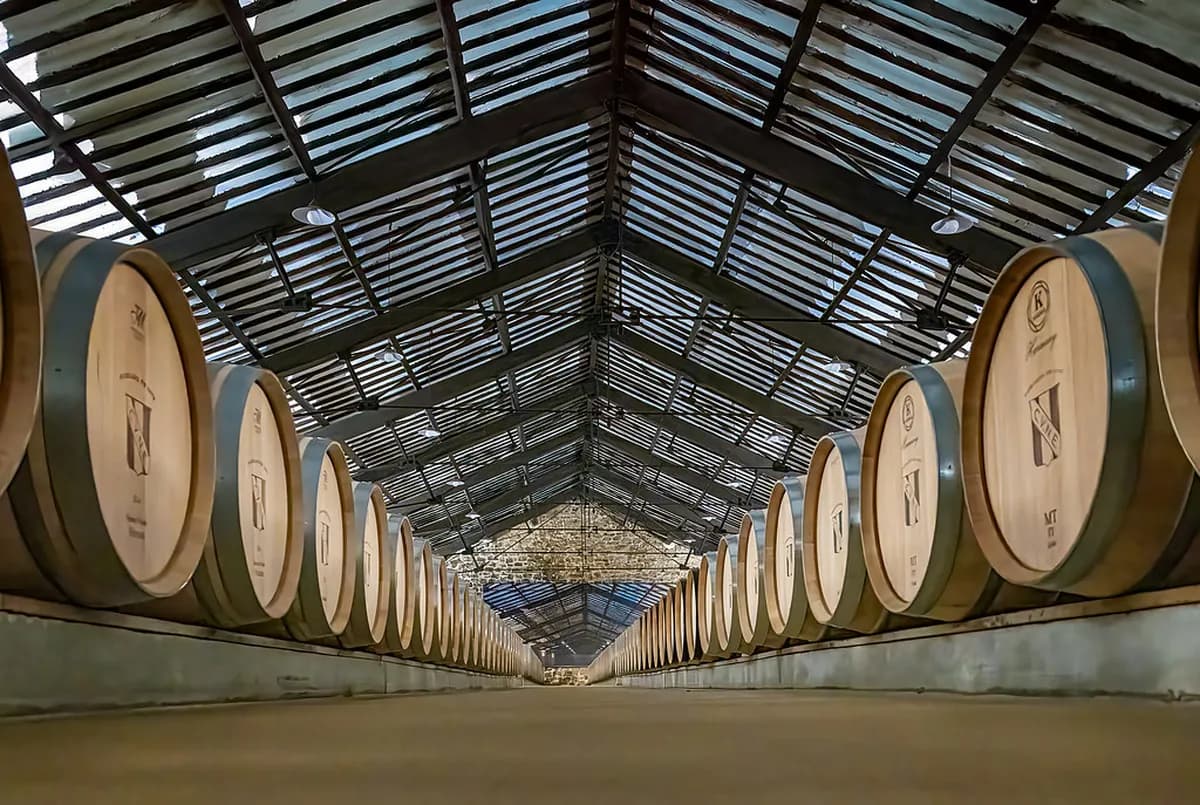
Haro is the undisputed wine capital of La Rioja, home to the famous Barrio de la Estación — a single street with the highest concentration of century-old bodegas anywhere in the world. Muga, CVNE, and Ramón de Bilbao all have their cellars here. Most offer guided English-language tastings that must be booked in advance. Allow a half-day for a serious bodega tour, and budget around €20–€40 / ~$22–$44 per person depending on how many wines are poured.
The signature grape is Tempranillo — bold, tannic, and aged in American oak to soften the structure. Rioja bottles are labelled by aging tier: Joven (young, no oak), Crianza (minimum 12 months oak), Reserva (minimum 36 months total), and Gran Reserva (minimum 60 months total). Knowing this lets you navigate any local bar menu without guesswork. Prices rise with the tier, but even a solid Crianza rarely costs more than €15 in a local restaurant.
San Sebastian, just 1.5 hours north by car, holds more Michelin stars per capita than almost any city in the world and is a natural pre- or post-festival stop. Haro itself punches well above its size for pintxo bars — the northern Spanish equivalent of tapas. Small bites like patatas bravas, gambas al ajillo, and tortilla española are served at the counter for a few euros each. Most owners prefer cash, so carry spare bills when you go bar-hopping in the evenings before the main event.
Is the Wine Fight better than La Tomatina?
Many travelers wonder is La Tomatina worth it compared to Haro. The Haro Wine Festival is generally less crowded and feels more local. While La Tomatina is held in a cramped town, Haro happens on cliffs with sweeping vineyard views. The scenery in La Rioja is much more impressive for nature lovers.
Logistically, Haro is slightly harder to reach than the town of Buñol. You should check the La Tomatina dates if you plan to do both. Both festivals require white clothing and a red neckerchief for tradition. The wine fight happens in late June while La Tomatina falls in late August, making it entirely possible to do both in one Spanish summer.
Transport for the wine fight is more spread out across the morning. La Tomatina has a very strict start and end time for the trucks. Choosing between them depends on your preference for wine or tomatoes. Both are highlights of the best fiestas in Spain for 2026.
- Troubleshooting Common Travel Problems
- The last bus to Haro on June 28th sells out hours in advance — book at least two weeks ahead.
- Taxis refuse to drive to the cliffs on festival morning — plan on the shuttle or walking.
- The train station is a 20-minute walk from the town center.
- Mobile data signals often fail at the Bilibio Cliffs due to crowd volume.
- Clothing stains from red wine are permanent — treat every item as disposable.
- Shuttle buses stop running if the weather becomes too dangerous.
- Most shops in Haro close for the afternoon siesta period.
- ATM machines in the town center frequently run out of cash by festival morning.
Frequently Asked Questions
What is the best airport for Haro Wine Festival?
Bilbao Airport (BIO) is the best choice for most travelers. It is only one hour away by car or bus. You can find many international flights arriving there daily.
Do I need a ticket for the San Vino Wine Fight?
No official ticket is required to enter the battle at the cliffs. The event is free for everyone to join. You only pay for your own transport and wine.
How do I get from Bilbao to Haro?
The easiest way is taking an ALSA bus from Bilbao Intermodal station. The journey takes about 75 minutes and costs €10 / ~$11. Tickets should be booked in advance.
Reaching the Haro Wine Festival requires some effort but is incredibly rewarding. By flying into Bilbao and using regional buses, you can arrive with ease. Remember to book your stay and transport well before the June 29th date. The Batalla del Vino is an experience that every festival lover should try.
Whether you choose to camp or stay in a hotel, the atmosphere is electric. Prepare your white clothes and get ready for a purple-stained adventure. Follow this guide to master the logistics of your 2026 trip to La Rioja. Safe travels and enjoy the world's most famous wine battle.
Free guide: Europe's Festival Calendar
A month-by-month map of Europe's unmissable festivals — with the best dates to visit each and a local tip you won't find in the guidebooks.
You might also like

Continue reading
More guides you'll find useful