Is La Tomatina Worth It? 10 Things to Know Before You Go
Is the world's largest food fight worth the chaos? Discover costs, 2026-2030 dates, transport hacks from Valencia, and our honest verdict on La Tomatina.
On this page
Is La Tomatina Worth It? 10 Things to Know Before You Go
Yes, La Tomatina is worth it for travelers who crave high-energy, once-in-a-lifetime chaos. If you prefer cultural parades over messy crowds, consider is Las Fallas worth it instead. This guide breaks down the 2026 costs, logistics, and the "gross" factors you need to know. Last updated June 2026.
Every August, the small town of Buñol transforms into a sea of red pulp. Over 22,000 people gather to throw 150,000 kilos of overripe tomatoes at each other. It is undeniably messy, loud, and physically demanding for every participant involved. Most visitors find the adrenaline rush makes up for the acidic sting of the juice.
Planning this trip requires more than just showing up with a white t-shirt. Tickets sell out months in advance, and transport from Valencia requires careful timing. We have gathered the essential data to help you decide if this bucket-list event fits your style. Expect an honest look at the crowds, the costs, and the cleanup process.
Free guide: Europe's Festival Calendar
A month-by-month map of Europe's unmissable festivals — with the best dates to visit each and a local tip you won't find in the guidebooks.
Quick Answer: Is La Tomatina Worth It?
For most travelers, yes. The combination of a 60-minute tomato fight, a buzzing international crowd, and the sheer absurdity of the event creates something genuinely hard to replicate anywhere else. If you can tolerate crowds, heat, and the smell of fermenting fruit, you will leave with one of the strangest and most memorable days of your life.
The caveats are real. The logistics from Valencia require early planning. Basic €15 entry tickets sell out months before August. And if you are claustrophobic or strongly dislike physical contact, the narrow streets of Buñol during peak fight time will be miserable. But for adventurous travelers who book ahead? It consistently delivers.
The short version: book tickets by April for an August date, take the C3 Cercanías train from Valencia-Nord, arrive by 8:00 AM, and pack goggles. The rest takes care of itself.
The Reality of the World's Largest Food Fight
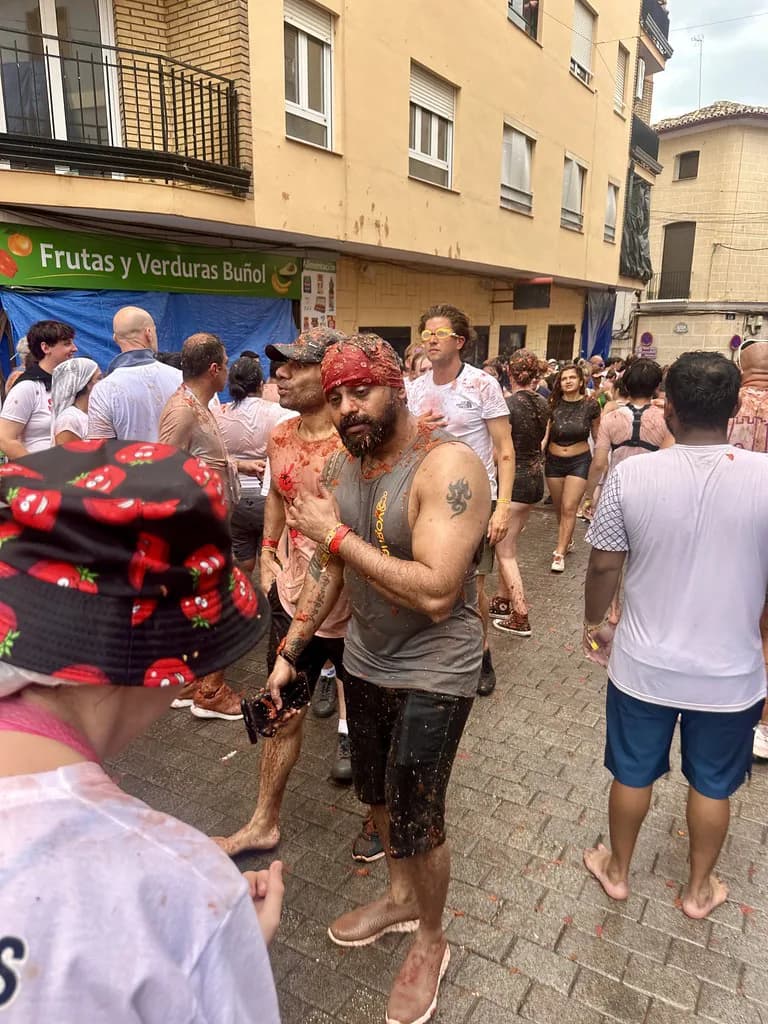
La Tomatina is often described as the world's largest food fight, and the scale is truly massive. Six large trucks roll through the narrow streets of Buñol to dump tons of tomatoes. The sheer volume of pulp creates a river that can reach your ankles in minutes. Crowds are dense, making it difficult to move freely once the trucks arrive.
The smell of fermenting tomatoes in the Spanish heat is a detail most photos miss. It is a sweet, heavy scent that lingers on your skin for hours afterward. The citric acid provides a unique sensation, often stinging small cuts or sensitive eyes. You will be completely submerged in red mush by the end of the hour.
Despite the chaos, there is a palpable sense of joy among the international crowd. People from every continent join together for sixty minutes of pure, unadulterated silliness. The energy peaks as the trucks honk their way through the cheering masses. It is a visceral experience that no video can fully capture.
When Does La Tomatina Happen? (2024–2030 Dates)
The festival always takes place on the last Wednesday of August every year. Checking the La Tomatina dates early is vital for securing affordable accommodation. In 2026, the tomato fight will fall on Wednesday, August 26. Future dates include August 25, 2027, and August 30, 2028.

The main event officially kicks off at 11:00 AM with the Palo Jabón. However, the actual tomato throwing usually starts closer to 12:00 PM. The fight lasts for exactly one hour before a signal ends the carnage. Arriving in Buñol by 8:00 AM is recommended to clear security checkpoints.
- Future Festival Dates
- August 26, 2026
- August 25, 2027
- August 30, 2028
- August 29, 2029
- August 28, 2030
How Much Does La Tomatina Cost? (Ticket and Travel Prices)
A basic entry ticket to the festival area currently costs approximately €15 per person. Prices have risen over the years as the town implemented a strict 22,000-person limit. These tickets grant access to the town center and the tomato trucks. You can purchase them through the Official La Tomatina Booking Portal.

Many travelers opt for La Tomatina tickets and tours that include transport from Valencia or Madrid. These packages often range from €45 to €80 depending on the inclusions. Some tours offer lockers, a change of clothes, free-flow sangria before the fight, and a pre-fight paella lunch. Booking a package can significantly reduce the stress of navigating local trains on fight day.
Budget an additional €20 for goggles, waterproof pouches, and post-fight snacks. Prices for lockers in Buñol usually sit around €5 per bag. Expect to spend about €100 total for a comfortable, well-planned day trip if you go independently. This includes your ticket, round-trip C3 train fare (~€10), and basic supplies.
DIY vs. Organized Tour: Which Is Right for You?
Most guides treat this as a straightforward day trip from Valencia, but the choice between going independently and booking an organized package meaningfully changes your experience. Independent entry costs as little as €25 all-in (€15 ticket + €10 train), but it means queuing at Valencia-Nord by 6:00 AM, navigating the crowds without a fixed meeting point, and sorting your own post-fight shower situation. It suits confident solo travelers and groups who have done the research.
Organized packages (typically €45–€80) handle the transport, supply a locker, and often include free-flow sangria at a pre-fight venue before you board the bus to Buñol. The better operators — many run by locals who have attended 15 or more Tomatinas — also include access to the official after-party in Valencia that evening. If you are traveling in a group where one person is less enthusiastic, having a structured program with food and drinks softens the experience considerably.
The real advantage of a tour is the pre-party atmosphere. Tour operators typically organize a sangria event the morning of the fight, which builds camaraderie with your group before you arrive in Buñol. This communal run-up to the chaos is something the €15 DIY ticket simply cannot replicate. For first-timers, we lean toward the package for this reason alone.
What Happens the Night Before La Tomatina?
The Tuesday evening before the fight is worth arriving for in its own right. Buñol hosts pre-festival parties that draw locals and early-arriving visitors alike. The most celebrated tradition on that evening is a paella cooking competition in the town square, where locals compete with enormous pans over open fires. The smell of saffron rice and wood smoke fills the streets while music plays late into the night.
Valencia also has options if you prefer to stay in the city. Several tour operators run rooftop pre-parties on Tuesday night, giving participants a chance to meet their group before the 6:00 AM departure. These events tend to be relaxed — more of a giant international meet-up than a full club night — but the energy shifts dramatically once people realize they are about to throw tomatoes at strangers.
Staying in Valencia for the pre-night makes the early morning logistics far more manageable. You are already at or near Valencia-Nord station, which is the departure point for both the C3 train and private tour buses. Buñol has very limited accommodation, so most visitors who want the full two-night experience base themselves in Valencia regardless.
The Palo Jabón: The Greased Pole Tradition
The Palo Jabón is a traditional pre-fight ritual that begins around 11:00 AM. A tall wooden pole is covered in thick grease with a ham at the top. Participants scramble over each other to reach the prize and throw it down. The tomato trucks are technically not supposed to enter until the ham is claimed.
In practice, the trucks now start their route at 11:00 AM regardless of whether the ham has come down. The ham climb is pure spectacle — the winning prize is literally the ham, nothing more. Watch from the edge of the Plaza del Pueblo if you want a clear view without being crushed by the surging crowd. Most visitors find the spectacle hilarious and a great way to build anticipation before the tomato trucks roll through.
Essential Rules for a Safe Tomato Fight
Safety is a priority, and the town enforces several strict rules for all participants. You must squash every tomato in your hand before throwing it at anyone. This prevents the hard, unripened fruit from causing bruises or more serious injuries. Failure to follow this rule can lead to removal from the festival zone.
Participants are strictly forbidden from tearing the t-shirts of other people. While it was once a common tradition, it is now a fineable offense. Keep a respectful distance from the tomato trucks as they move through the streets. The drivers have limited visibility and the streets are extremely narrow.
Families should look into La Tomatina Infantil for children aged 4 to 14. This mini-event happens the Saturday before the main fight in the same Plaza del Pueblo. It is free of charge and lasts around 30 to 40 minutes, making it much safer for younger travelers to enjoy. The main Wednesday event is generally too intense and physically demanding for small children.
Logistics: How to Get to Buñol from Valencia
Most visitors choose to stay in Valencia and travel to Buñol for the day. The how to get to La Tomatina question is best answered by the train. The Renfe C3 Cercanías line runs directly from Valencia-Nord to Buñol station. Check the Renfe Spain Pass/Cercanías Info for the latest morning schedules.
The train journey takes roughly 60 to 75 minutes and costs about €10 round trip. Trains are incredibly packed on the morning of the festival, starting at 6:00 AM. Buying your ticket at the station the day before is a smart move to avoid the 6:00 AM ticket queue crush. Alternatively, many private buses depart from the Valencia city center for package holders.
Buñol is a small town and cannot accommodate 22,000 overnight guests easily. We strongly recommend a day trip rather than trying to find local lodging. The last trains back to Valencia are crowded but efficient for tired, tomato-drenched travelers. Plan to be back in Valencia by mid-afternoon for a proper shower.
What to Wear and What to Bring
Choosing what to wear to La Tomatina is a matter of survival. Wear old clothes that you are prepared to throw away after the fight. A white t-shirt is the traditional choice to show off the red stains. Tight-fitting shoes with good grip are essential to avoid slipping in the pulp.
Swimming goggles are the single most important piece of gear you can bring. Tomato juice is highly acidic and will sting your eyes within seconds. Goggles allow you to keep your eyes open and actually see the trucks. Avoid wearing flip-flops as they will be lost in the mud almost immediately.
Leave all valuables at your accommodation in Valencia if possible. If you must bring a phone, use a high-quality waterproof pouch with a strap. The sheer amount of liquid will destroy any electronics that are not sealed. Lockers are available in town for around €5, but the queues are often very long — seal your belongings before you board the train.
The Aftermath: Showers, After-Parties, and Cleanup
Once the second firecracker sounds, the tomato throwing must stop immediately. The cleanup process begins almost instantly as fire trucks hose down the streets. Participants are then faced with the challenge of getting the pulp off themselves before the train ride back. Knowing where to stay for La Tomatina helps you plan your return and access a proper shower.
Local residents often stand on their balconies with garden hoses to spray visitors — it is a genuine community gesture, not a tourist stunt. This is the most effective first-pass rinse before reaching the organized facilities. Public showers are set up near the Buñol River, but they are often crowded with hundreds of people in the same state. The river itself is an option, though the water can be quite cold in the late morning.
The citric acid in the tomatoes acts as a natural cleaning agent, which is why the streets of Buñol look remarkably clean within hours of the fight ending. Town crews with fire trucks handle the remaining pulp. If you are on an organized tour, your bus will take you back to the hotel for a shower before the evening after-party in Valencia — arguably the best hot shower you will ever experience. Independent travelers should head straight for the train station once rinsed.
Is La Tomatina a Waste of Food?
A common criticism of the festival is the perceived waste of edible food. However, the tomatoes used for La Tomatina are specifically grown for this purpose. They are of extremely low quality and are unfit for human consumption. Farmers sell these overripe, tasteless tomatoes to the town at a deep discount.
If the festival did not exist, these tomatoes would likely be left to rot in the field. The event provides a significant economic boost to the local agricultural community. Furthermore, the citric acid serves as a natural disinfectant for the town streets. This unique benefit helps justify the massive scale of the event each year — locals have noted that Buñol's streets are cleaner after Tomatina than on most ordinary days.
Decision Criteria: Is It Right for Your Travel Style?
La Tomatina is a polarizing event that requires a specific type of traveler. It is perfect for those who value unique stories over comfort and luxury. If you struggle with claustrophobia or intense smells, this will be difficult. Check the best festivals in Spain for more relaxed alternatives.
The logistical effort to reach Buñol is significant for a one-hour event. Most people find the camaraderie and the sheer absurdity make it worthwhile. It remains one of the most iconic experiences in all of Europe. Our final verdict: Yes, it is worth it for the adventurous soul.
- Pros: Why it is worth the effort
- Incredible high-energy atmosphere
- Unique bucket-list photo opportunities
- Great way to meet international travelers
- The thrill of the Palo Jabón
- Surprisingly efficient town cleanup
- Cons: Why you might want to skip
- Overwhelming crowds in narrow streets
- Stinging acidic juice in eyes/ears
- Significant logistical planning required
- Very hot weather in late August
- The smell of rotting tomatoes lingers
- Verdict Summary
- Verdict: Yes, for adventure seekers
- Best for: Students and bucket-list travelers
- Skip if: You hate being touched or dirty
- Alternative: Las Fallas in Valencia
- Pro-Tip: Buy goggles before you arrive
Frequently Asked Questions
How many hours does La Tomatina last?
The official tomato fight lasts for exactly one hour, typically from 12:00 PM to 1:00 PM. However, the pre-fight festivities like the Palo Jabón start earlier around 11:00 AM. Most visitors spend about five to six hours total in Buñol.
Is there an age limit for La Tomatina?
There is no strict upper age limit, but participants must be at least 18 years old for the main event. Children aged 4 to 14 should attend the La Tomatina Infantil instead. This kid-friendly version is much safer and less crowded.
Does La Tomatina festival sell out?
Yes, the festival sells out every year because the town limits capacity to 22,000 people. You should book your tickets at least three to four months in advance. Waiting until you arrive in Valencia is usually too late.
La Tomatina is a messy, chaotic, and unforgettable celebration of pure fun. While the logistics of reaching Buñol can be taxing, the experience is truly singular. No other festival offers this level of sensory overload and international friendship. If you are prepared for the mess, it is an essential Spanish experience.
Remember to pack your goggles and leave your favorite clothes behind. Plan your transport from Valencia well in advance to avoid the morning rush. Whether you go for the ham or the tomatoes, you will leave with a story. Buñol awaits those brave enough to embrace the red pulp.
Free guide: Europe's Festival Calendar
A month-by-month map of Europe's unmissable festivals — with the best dates to visit each and a local tip you won't find in the guidebooks.
You might also like


Continue reading
More guides you'll find useful