
San Fermin Running Of The Bulls Dates: 9 Essential Schedule Highlights
Plan your trip with the official San Fermin running of the bulls dates. Includes the 2026 daily schedule, bull run times, opening ceremonies, and booking tips.
On this page
San Fermin Running Of The Bulls Dates: 9-Day Essential Schedule
Last updated June 2026. The San Fermin festival is one of the most famous events in the world. We recommend this guide for first-time visitors looking to navigate the chaos effectively. Knowing the San Fermin running of the bulls dates is vital for your travel planning.
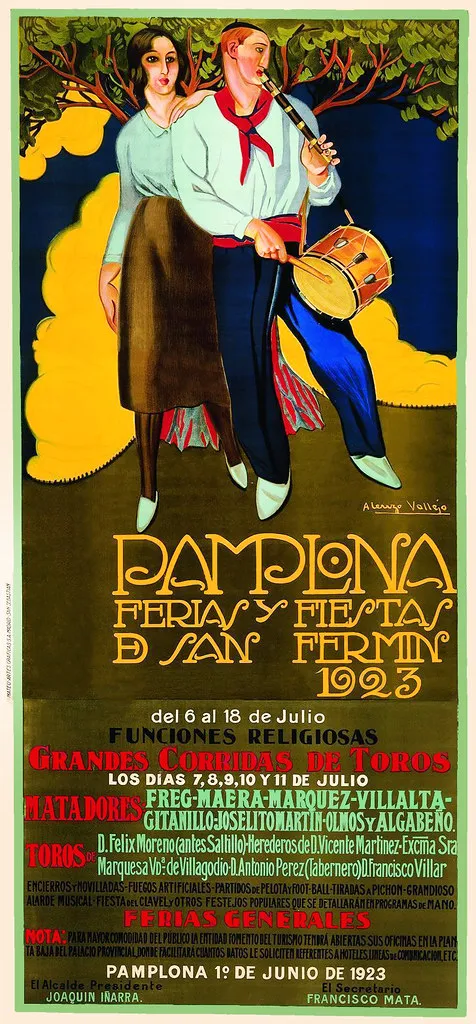
The festival runs from July 6th to July 14th every year without exception. The bull runs themselves happen every morning from July 7th to July 14th — a critical distinction that causes many first-timers to miss the opening day. We suggest arriving on July 5th to settle in before the opening rocket fires. This guide ensures you catch every major event without missing the daily highlights.
You will need to wear the traditional white clothes and a red neckerchief. Prices for accommodation skyrocket during these specific dates in July. We find that booking at least nine months in advance is the only way to save. Prepare for a unique blend of religious tradition and wild street celebrations.
Free guide: Europe's Festival Calendar
A month-by-month map of Europe's unmissable festivals — with the best dates to visit each and a local tip you won't find in the guidebooks.
Official 2026 Festival Dates and Timing
The San Fermin festival follows a very strict and traditional schedule each year. The festival officially opens on July 6th and closes at midnight on July 14th, 2026. The bull runs (encierros) take place each morning from July 7th through July 14th, starting at exactly 8:00 AM. Many visitors confuse the festival start date with the first run date — July 6th is the opening ceremony only, with no bull run.
Every morning starts with the Dianas — La Pamplonesa, Pamplona's municipal band, marches through the Casco Viejo at 6:45 AM to wake the city and signal that the encierro is about to begin. This predawn procession is one of the most atmospheric moments of the whole festival. If you are planning to run, you must be in position along the route by 7:30 AM or police will turn you away. We recommend experiencing the Dianas at least once during your stay — it sets the tone for everything that follows.
Mid-week dates (July 9–11) tend to offer a slightly more manageable crowd. The first 48 hours are historically the most chaotic and the most expensive for accommodation. We suggest checking the Pamplona Official Tourism Portal for daily schedule updates. You can learn how to watch san fermin running of the bulls safely from a balcony or street barrier.
The Chupinazo Opening Ceremony (July 6th)
The Chupinazo — also written as Txupianzo — is the rocket that officially starts San Fermin. It is fired from the balcony of the Pamplona City Hall (Ayuntamiento) at exactly 11:59 AM on July 6th at Plaza Consistorial. In the seconds after the rocket fires, thousands of people simultaneously uncork wine bottles, pour sangria over their neighbours, and tie their red pañuelos around their necks for the first time. The scene is overwhelming.
Arrive at Plaza Consistorial by 10:30 AM at the very latest to find a standing spot. If you cannot get into the square, the city broadcasts the ceremony live on large screens at Parque de Antoniutti, Paseo de Sarasate, Paseo Carlos III, Plaza del Castillo, and Plaza de los Fueros. The evening of July 6th includes a Folkloric Festival at Plaza de los Fueros (13:30), the only Corrida de Rejones — a bullfight on horseback — at the Plaza de Toros at 18:30, and the first Toro de Fuego (Fire Bull) at Plaza de Santiago at 22:00.
The Solemn Vespers (Vísperas Solemnes de San Fermín) are sung at San Lorenzo Church at 20:00 on July 6th, marking the religious side of the opening. The nightly fireworks display at Citadel Park begins at 23:00. We recommend timing your arrival on July 5th so you can witness the full first day without rushing to find accommodation in a city that is already filling fast.
Daily Encierro: The Morning Bull Runs (July 7–14)
The encierro is the heart of the San Fermin festival. Six fighting bulls are released from the Corrales de Santo Domingo at 8:00 AM and sprint approximately 875 metres through Santo Domingo, Mercaderes, and Estafeta Street to the Plaza de Toros bullring. The run is typically over in two to three minutes. On July 7th — the first run — expect the most chaotic crowd. Police remove runners who look intoxicated before the run begins. On the first morning, up to 50% of would-be runners are pulled from the route due to overcrowding; if running is your goal, budget for at least two mornings.
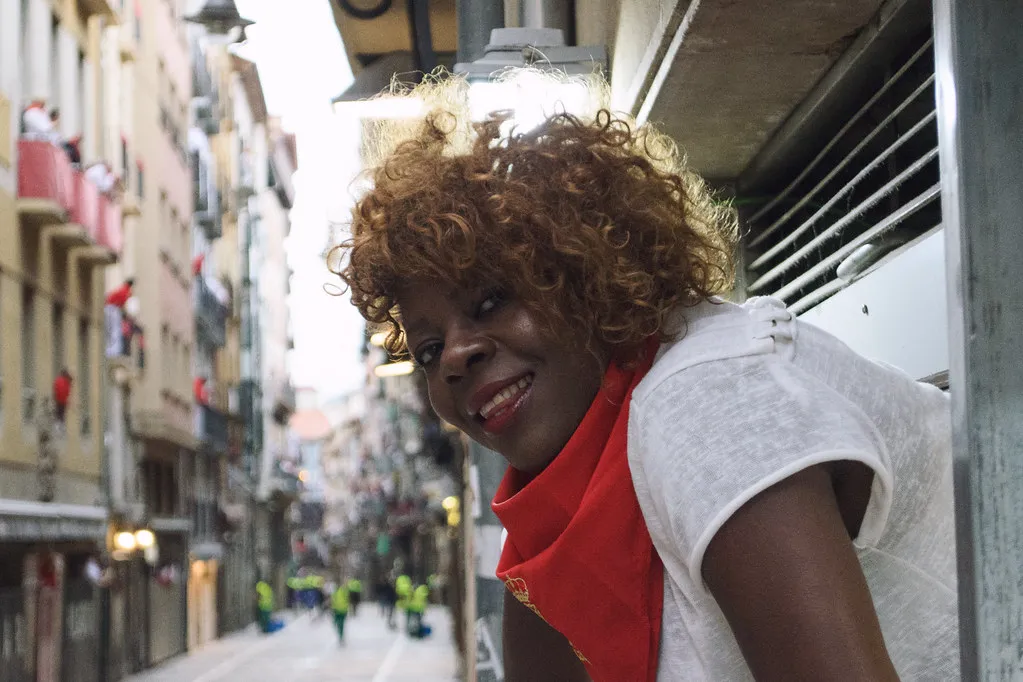
Participants must be 18 or older and sober. Running backwards, touching the bulls, or carrying a camera along the route are all prohibited. If you fall, the correct response is to stay curled on the ground with your hands protecting your head — the bulls will jump over you. We strongly recommend viewing from a rented balcony for a safe perspective. Balcony access requires arrival between 7:00 AM and 8:30 AM.
The final run on July 14th is traditionally the fastest and most dangerous of the nine days. The route passes through the Casco Viejo, making Santo Domingo (the uphill stretch from the bull corrals) and the Telefónica curve on Estafeta the two most statistically risky sections. Police are very strict about cameras and backpacks on the actual course. We suggest wearing sturdy, flat-soled shoes if you plan to be near the fences.
Traditional Religious Processions and the Octava de San Fermín
San Fermin is, at its core, a Catholic festival honoring the patron saint of Navarra. The most solemn moment comes on July 7th when the Procesión de San Fermín begins at 10:00 AM in the Casco Viejo. Pamplona's City Hall corporation joins the Cathedral chapter and walks in procession to the Chapel of San Fermín, where a Mass is celebrated under the Archbishop of Pamplona. The procession concludes at noon. We recommend positioning yourself along the route early — the combination of traditional costumes, the statue of the saint, and the morning crowds creates one of the most visually striking moments of the entire festival.
The Octava de San Fermín falls on July 14th, the final day. It is the formal religious conclusion of the festival — a solemn Mass and a closing ceremony within the church, separate from the street-level Pobre de Mí that takes place at midnight. The Octava reinforces that the festival is not simply a party: it has been celebrated in Pamplona since at least the early 17th century, and the religious calendar still anchors the programme. The Alarde de Txistularis — a parade of traditional txistu (Navarrese flute) players — also takes place on the morning of July 14th before the final run.
Throughout the nine days, the Ronda de Jotas (singing parades through the Casco Viejo) and the Vísperas Solemnes (evening vespers at San Lorenzo Church) run alongside the street parties. These events are easy to stumble upon but easy to miss if you only track the bull runs. We think they offer some of the most authentic window into what San Fermin actually means for Pamplona residents.
Toro de Fuego: The Nightly Fire Bull in the Old Town
Every night of the festival at 22:00, a person dressed in a bull costume loaded with fireworks runs through the streets of Plaza de Santiago in the Casco Viejo. This is the Toro de Fuego — the Fire Bull — and it draws a crowd of children and adults who chase and are chased by the sparking spectacle. It is one of the most distinctively local events of the entire festival and barely registers in most travel guides focused on the morning run.
The practical detail that almost no guide mentions: bring a jacket or long-sleeved layer. The sparks from the Toro de Fuego are real and they do land on bystanders. A thin cotton jacket is enough to protect your arms and shoulders. The event runs for about 30 to 45 minutes and draws a mixed crowd of families and festival-goers. It is also one of the few San Fermin events that is genuinely accessible without advance booking or an early-morning alarm.
The Toro de Fuego runs every night from July 6th through July 14th — making it a nightly fixture alongside the fireworks at Citadel Park. We think it is the single most underrated event of the festival for visitors who assume San Fermin is purely about the morning bull run.
Evening Bullfights and Rejones at the Plaza de Toros
Bullfights (Corridas de Toros) take place at the Plaza de Toros every afternoon from July 7th through July 14th, generally starting at 18:30. Each corrida features six bulls and three matadors. The only Corrida de Rejones — where the bullfighters are mounted on horseback rather than on foot — takes place on July 6th at 18:30 and is considered a highlight by fans of the form.
Tickets for the afternoon bullfights are among the hardest to secure during San Fermin. Official online sales typically open in early June. Tickets sell in two categories: sol (sunny side, cheaper, and very hot in July) and sombra (shaded side, significantly more expensive). We strongly recommend buying well in advance — ringside sombra tickets for peak dates can cost €150 or more per seat and disappear within hours of going on sale.
The Desfile de Caballeros y Mulillas (Parade of Horsemen and Mule Teams) takes place each afternoon before the bullfights, departing from Plaza Consistorial to the bullring at approximately 17:30. It is a free street event and a good way to absorb the pageantry without paying for arena tickets. Check if is san fermin running of the bulls worth it for your specific travel budget before committing to arena seats.
Nightly Fireworks and Street Parties
The Fuegos Artificiales is an international fireworks competition held every night of the festival at 23:00 at Citadel Park (Parque de la Ciudadela). Different international pyrotechnics teams compete across the nine nights. Arrive at the Citadel by 22:15 to secure a good spot on the grass — the bus station area across the road is also a solid viewing position. The displays typically last 25 to 30 minutes and attract enormous crowds.
After the fireworks, the street party continues until dawn. Marching bands (charangas) circulate through the Casco Viejo at both noon and midnight, playing crowd-driven pop and traditional songs. At Plaza del Castillo, outdoor concerts (Musica de Aquí) run each evening from around 21:00 and feature Navarrese txistu players and pipe bands. More contemporary concerts take place at Plaza de los Fueros (Fueros Joven, aimed at younger crowds, finishing around 22:30) and at Parque de Antoniutti (Verbena outdoor dance, running until 03:00 on most nights).
The distinction between charanga bands and the formal Euskal Musika (Basque music) stages is worth knowing. Charangas are loud, mobile, marching groups that snake through the bars and alleys. Basque music concerts — held at Parque de la Taconera from approximately 23:30 — are fixed-stage performances of traditional txalaparta and bertsolari singing. They draw a more local crowd and offer a quieter contrast to the main plaza chaos. The Parque de la Taconera stages are an easy 10-minute walk from Plaza Consistorial.
Family-Friendly Activities and Giant Parades
San Fermin runs a parallel programme of family events throughout the nine days. The Gigantes y Cabezudos (Giants and Big Heads) parade through the Casco Viejo on multiple dates, typically departing from around Plaza Consistorial in the late morning. The eight giant figures representing medieval kings and queens dance through the streets accompanied by Kilikis (Big Heads with foam mallets) who gently bop children on the head — a tradition that children simultaneously love and flee from. The Gigantes parade on July 7th begins at approximately 09:30 AM.
The Menudas Fiestas programme runs every day across two sessions: a morning session at Plaza Conde Rodezno (11:30 AM to 14:00) and an evening session (18:00 to 21:00). These areas offer inflatable castles, theatre, workshops, and children's games specifically designed for families with young children. Puppet shows (Gorgorito Marionettes) by Maese Villarejo also appear on most days at Plaza Conde Rodezno in the evening.
Families with children should also note the Deportes Rurales (Rural Sports) at Plaza de los Fueros from noon on July 8th onwards. Competitors from across the Basque Country and Navarra take part in stone lifting (harri jasotze), log cutting (aizkolaritza), and tug-of-war. These events are free, family-accessible, and rarely crowded. The best viewing spots are along the low barriers facing the central competition area — arrive 30 minutes before the noon start on any rural sports day to get a front-row position.
The Pobre de Mí Closing Ceremony (July 14th)
At midnight on July 14th, the San Fermin festival ends with the Pobre de Mí (Poor Me) at Plaza Consistorial. Tens of thousands of people gather holding lit candles and singing the traditional lament: "Pobre de mí, pobre de mí, que se han acabado las fiestas de San Fermín." At the stroke of midnight, everyone removes their red pañuelo from their neck for the last time, and the festival is officially over. It is simultaneously a mournful and euphoric moment — some people cry, others dance, most do both.
To participate, buy a candle from any of the many street vendors near the old town before midnight. Arrive at Plaza Consistorial by 23:30 to be inside the main square. The crowd extends far out into the surrounding streets and all of them participate in the singing. The Despedida de la Comparsa de Gigantes y Cabezudos — the formal farewell of the Giants — also takes place on the afternoon of July 14th, marking the end of that procession tradition for another year.
After Pobre de Mí, a final evening concert and outdoor dance (Verbena) typically continues until the early hours. Most accommodation prices drop sharply on the morning of July 15th. We recommend planning your departure for the afternoon of July 15th so you can absorb the closing night in full without rushing a morning checkout.
Book in Advance: High-Demand Reservations
Booking early is the most important tip for this festival. We recommend securing your balcony at least six months ahead. Balcony spots range from €150 to €250 per person for the run. This price usually includes a light breakfast and a great view.
Hotels often sell out a full year before the event starts. We suggest looking for where to stay for san fermin running of the bulls now. Bullring tickets for the afternoon fights are also very hard to get. Official online sales typically open in early June for the public.
Many visitors also choose to stay in nearby campsites for budget reasons. You can find the Camping Molino Location just outside the city. Private tours and guides should be booked by March for best rates. Always verify the refund policy before paying for expensive balcony spots.
Essential Logistics: Getting to Pamplona and Booking
Getting to Pamplona is relatively easy from major Spanish cities. The train journey from Madrid to Pamplona is approximately 3.5 hours by Renfe Alvia; from Barcelona the journey takes around 6 hours. We suggest booking Renfe tickets as soon as they are released — they typically sell out weeks before the festival. Driving is an option but parking inside the city during San Fermin is effectively impossible. Use the designated park-and-ride lots on the city outskirts and take the shuttle into the centre.
Pamplona is very walkable once you are in the historic centre. Most major events — the bullring, Plaza Consistorial, Citadel Park, Plaza de los Fueros, and the bull run route — are within a 15-minute walk of each other. Buses run regularly between the old town and the campsite areas overnight during the festival. We recommend carrying cash for street food and bar purchases under €10, as many stalls do not accept cards for small orders.
Costs for food and drink are higher than normal during July. We suggest carrying cash for small purchases at the street stalls. You can also find more details on how to get to san fermin running of the bulls including transport options from Bilbao and San Sebastian, both reachable by bus in under two hours.
Frequently Asked Questions
What date is running with the bulls in 2026?
The running of the bulls takes place from July 7th to July 14th in 2026. Each run starts at exactly 8:00 AM every morning. We recommend arriving at the course by 7:15 AM to secure a spot.
Is it safe to run with the bulls in Pamplona?
Running with the bulls is inherently dangerous and carries significant risks of injury. Thousands of people participate every year, but many are injured by falls or the bulls. We suggest watching from a balcony for a safe experience.
How much does a balcony spot cost for the run?
A balcony spot typically costs between €150 and €250 per person. This price depends on the level of the floor and the specific street location. We recommend booking these spots at least six months in advance.
Attending the San Fermin festival is a once-in-a-lifetime experience for many travelers. Following the official San Fermin running of the bulls dates helps you plan perfectly. We recommend balancing the wild parties with the beautiful local cultural traditions. Pamplona offers a unique energy that you will never find anywhere else.
Make sure to book your accommodation and transport as early as possible. We hope this itinerary helps you navigate the festival like a local expert. Stay safe, wear your white and red, and enjoy the incredible atmosphere. The memories of the morning runs and nightly fireworks will stay forever.
Free guide: Europe's Festival Calendar
A month-by-month map of Europe's unmissable festivals — with the best dates to visit each and a local tip you won't find in the guidebooks.
You might also like


Continue reading
More guides you'll find useful


