
Where To Stay For Haro Wine Festival Travel Guide
Where to stay for Haro's Wine Battle on June 29th: historic centre vs Station District bodegas, camping from 99 euros, and why to book 6-9 months ahead.
On this page
Where To Stay For Haro Wine Festival
Haro becomes the center of the wine world every June during its famous festival. Finding the right place to rest is vital for enjoying the purple chaos. This guide helps you decide where to stay for Haro Wine Festival to maximize your fun.
Free guide: Europe's Festival Calendar
A month-by-month map of Europe's unmissable festivals — with the best dates to visit each and a local tip you won't find in the guidebooks.
Where to Stay in Haro, Spain
Haro is a compact town, but your accommodation choice shapes your entire festival experience. The two main areas are the historic town centre at the top of the hill and the Barrio de la Estación (Station District) at the bottom. Both are walkable from each other, but they offer very different atmospheres before, during, and after the battle.
For the festival itself, staying in or near the historic centre puts you directly on the street-fiesta circuit. The Plaza de la Paz comes alive each night in the lead-up to June 29th, with mobile discos, live music, and local gatherings that run past midnight. You will not need a taxi to get anywhere.
The Station District is the right choice if you are primarily a wine traveler who wants easy access to bodegas like Muga, CVNE, and Ramón de Bilbao. It is quieter at night but a short 15-minute walk from the main plaza action. Many visitors who plan multi-day stays split their time between both areas.
Regardless of which zone you choose, check the Haro Wine Festival dates and book at least six to nine months in advance. Properties near the historic centre sell out first, sometimes a full year ahead for the June 29th peak date.
Best Hotels and Apartments in Haro
Hotel Plaza de la Paz sits directly on the main square and offers modern rooms at reasonable prices. Private parking costs around €12 per night. Eurostars Los Agustinos, originally a 14th-century convent, is one of the most atmospheric options in town. Rooms are spacious and the building itself feels like a small heritage site. Off-site parking runs about €15, which is worth accounting for if you are driving.
For more space and self-catering facilities, Apartamentos Señorio de Haro is a reliable choice in the town centre. It has free nearby parking and rooms with a genuinely Spanish feel. If you prefer a modern, contactless setup, Limehome Haro Calle de la Vega offers bright rooms, some with balconies overlooking the plaza, and free parking with excellent reviews.
Self-catering apartments make particular sense for festival stays of two or more nights. You can control your meals around the chaos, store wine-soaked clothes without worrying about hotel linen, and come and go on your own timetable.
Camping: Your Rioja Basecamp
Camping is the most social and cost-effective way to do the Haro Wine Festival. The main campsite is located at Camping Haro, Avenida de Miranda 1, 26200 Haro, La Rioja — positioned at the base of the Bilibio hills, surrounded by the vineyards of La Rioja Alta. The walk to the battle site is short enough to feel like part of the adventure.
Tour operators like Stoke Travel run a dedicated San Vino campsite with pre-pitched tents, sleeping mats, sleeping bags, an onsite pool, and an open bar running from 10:00 to 22:00. Their Full Experience package (June 26–30) includes four nights of camping plus over €270 in added value: a traditional white fiesta outfit (saving ~€40), bodega tours and wine tastings (~€50 value), a Salsa and Sangria dance class (~€60 value), and a solo tent upgrade (~€120 value). Their DIY option starts from around €99 per night for those who want a campsite base without the full itinerary.
The main practical advantage of camping over a central hotel: no one cares how purple you arrive back. Showers are on-site, and the pool is the fastest way to wash off the wine stains before they set. Hotel guests often face a scramble to find a laundry or dispose of ruined clothes — campers have the pool, the shower block, and no judgmental front desk.
La Batalla del Vino
The battle officially begins when the Mayor of Haro leads a procession to the Riscos de Bilibio cliffs outside town. This tradition dates back to at least the 13th century, rooted in a land dispute between Haro and the neighboring town of Miranda de Ebro. To secure their territory, Haro's officials had to mark their borders on San Pedro's Day (June 29th) every year, and the border-marking ceremony eventually evolved into a wine-throwing celebration. The event is now declared a Festival of International Tourist Interest.
At 08:00, the Mayor drops the flag and thousands of liters of red wine are unleashed. Participants use buckets, water pistols, and back-sprayers to soak everyone in sight. By 11:00, the battle winds down and the crowd retreats to clean up. The wine used is surplus Rioja that did not meet the strict DOCa standards for bottling — it flows off the cliffs and naturally fertilizes the vineyard soil below.
The dress code is all-white with a red neckerchief (pañuelo). Wear old clothes you are prepared to throw away. Bring swimming goggles — eye protection from acidic wine is not optional, it is essential. You start as a blank canvas and end looking, as one organizer puts it, like a bruised eggplant.
If you enjoy this tradition, you might also wonder where to stay for San Fermin running of the bulls for more Spanish summer energy. Both festivals showcase the intense character of Basque-influenced northern Spain, though Haro is more intimate and wine-centered than the crowds in Pamplona.
The Wine Fight vs La Tomatina: Which One Should You Choose?
The comparison comes up constantly, so it is worth addressing directly. La Tomatina in Buñol takes place in August, draws enormous international crowds, and involves tomato pulp. The Haro Wine Fight is June 29th, draws a mix of locals and travelers, and involves Rioja red wine. The feel is very different: La Tomatina is a global tourist attraction; San Vino still has the character of an authentic Spanish fiesta where locals actually show up.
Timing is a practical differentiator. June in La Rioja is hot but manageable, typically around 28–30°C. August in Buñol can hit 40°C. Haro also kicks off the summer season rather than closing it, which suits travelers who want to continue a Spain trip afterward — San Sebastian, Bilbao, or the Basque coast are all within two hours.
The wine itself adds a layer that tomatoes cannot match. You are in the capital of Spanish winemaking. The battle lasts a morning; the rest of your stay is a wine-country holiday. If you enjoy comparing this to other events, some also ask where to stay for La Tomatina — both are worth doing, but Haro offers far more to fill the surrounding days.
San Vino 2026: The Official Wine Warfare Schedule
The 2026 festival follows the traditional multi-day format with the main battle on June 29th. Festivities begin on June 26th with campsite check-in at 11:00. By 19:00, the camp opening party launches with DJs and the unlimited bar. At 22:00, the crowd moves into Haro's town centre for an all-night street fiesta centered on Plaza de la Paz.
June 27–28 are wine culture days. Morning brunch with bottomless mimosas at campsite from 09:00. Afternoon bodega crawls through the Barrio de la Estación visit iconic wineries like Muga and CVNE (Full Experience package only). At 18:30, the Salsa and Sangria Masterclass runs before another night of street festivities — highlights include RocKalean performing rock songs in Spanish, Basque, and English at La Herradura, and a charanga parade at 23:30.
June 29th is the main event. Shuttle buses depart for the Cliffs of Bilibio from 06:00–07:00 with a quick muffin-and-fruit breakfast provided. Wine warfare commences at 08:00. The Purple Retreat back to the campsite starts around 11:00 — pool, showers, recovery brunch from 12:00 to 14:00. The afternoon is an open-bar victory session at the campsite. Evening in town brings the Toro de Fuego firework bull spectacle at 21:30 and a concert in Plaza de la Paz from 23:00.
Booking your stay for 2026 should happen at least six to nine months in advance. Many repeat visitors lock in their rooms a year early. This is especially true for the best festivals in Spain which draw international crowds.
Recovery Day: Planning the Morning After the Battle
No competitor guide addresses this, but the day after June 29th determines whether you have a pleasant memory or a stressful checkout. If you are staying in a hotel, your wine-stained clothes need to be managed before touching the room's linens. A plastic bag for wet clothes, packed before you leave for the battle, is the single most useful thing to bring. Many hotels in Haro are experienced with festival guests, but calling ahead to confirm their laundry or luggage-storage policy is sensible.
Campers have the easiest recovery: the pool, on-site showers, and a final brunch on June 30th from 09:00 to 11:00 with bottomless mimosas. For hotel guests, La Herradura bar area and the tapas bars in the historic centre serve excellent late brunch from around 10:00. Slow-roasted meats and seasonal vegetables are staples of the local menu, and prices are far lower than in larger Spanish cities.
The afternoon of June 30th is well-suited to a bodega visit in the Station District, when the previous day's crowds have thinned out. Bodegas Roda has a public bar with river views. Bodegas Muga offers both standard winery tours and segway tours of the vineyard. Expect to pay from €5 per glass in the bodega bars, or €45 and up for a guided tour with tasting. Booking online in advance is strongly recommended during festival week.
Haro's Wine Drinking Areas and Bodegas
Haro divides into two distinct wine zones, and understanding them before you arrive makes your stay significantly easier. The historic town centre at the top of the hill is the more rustic, local-facing area. Bars here are informal and tend to serve a single Rioja by the glass for as little as €2.50. The Plaza de la Paz, La Herradura lanes, and bars like Harmony, El Sol, and Folk Tavern are the social anchors. This is where you go to eat, wander, and drink like a local.
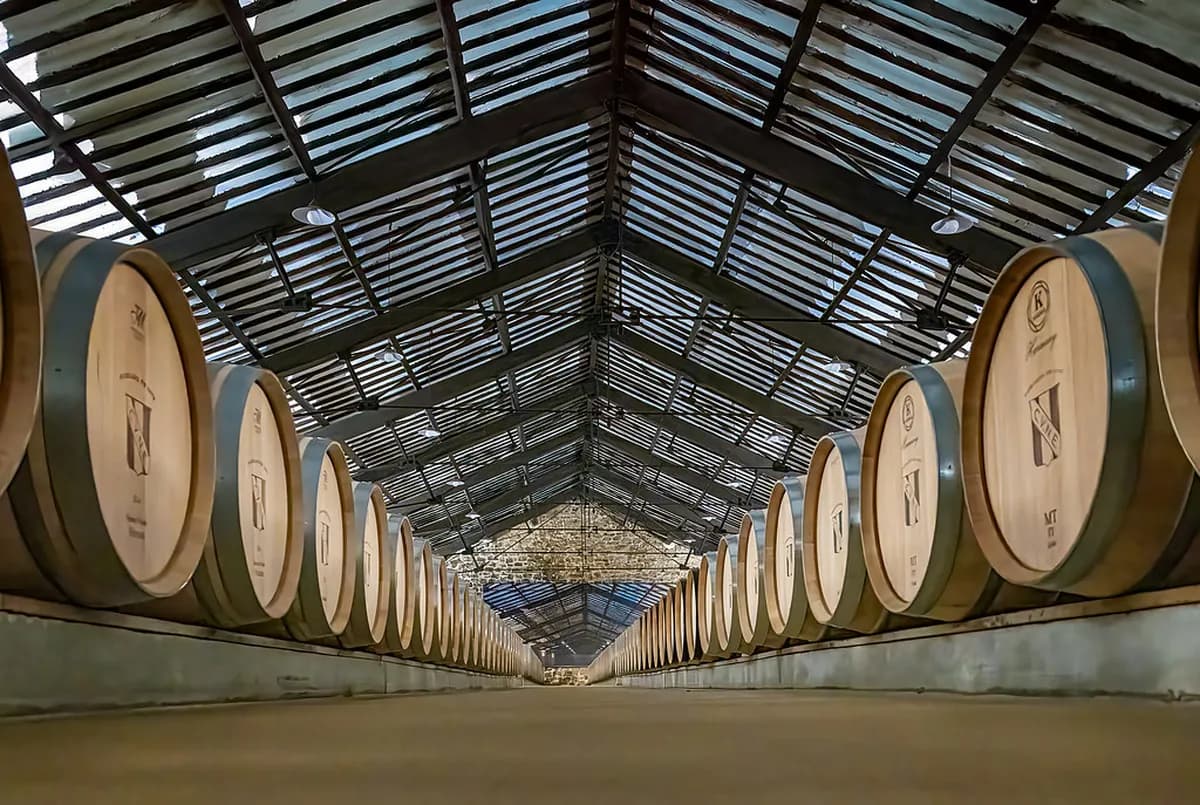
The Station District, a 15-minute walk downhill, is purpose-built for wine tourism. Around ten major bodegas cluster here, seven of which rank among the best in all of Rioja out of nearly 600 in the region. Bodegas La Rioja Alta, Muga, CVNE, and Roda all have public bars where you can build your own tasting by the glass without booking a tour. Expect to pay from €5 per glass here, with prices climbing for reserva and gran reserva pours.
If you want a guided introduction, this 2-hour tour is one of the best English-language bodega tours in the area, covering traditional production methods and including four wines. Alternatively, a Rioja winery day tour departing from San Sebastian or Bilbao visits multiple wineries and typically includes a traditional Riojan three-course lunch — ideal if you want to do a day trip before or after the festival.
How to Get to Haro for the Festival
The closest major airport to Haro is Bilbao (BIO), around 70 km away. From Bilbao airport, shuttle buses run to the central Intermodal bus station, from where direct buses depart for Haro every few hours (approximately one hour). Biarritz Airport (BIQ) in southern France is an alternative for European travelers, connecting via train or coach to San Sebastian and then onward to Haro by ALSA bus or Renfe train in about 1.5 hours.
From Madrid, high-speed AVE trains combined with a connection through Miranda de Ebro make the journey around 3.5 to 4 hours. From Barcelona, RENFE trains via Zaragoza take roughly 4 to 5 hours. There is also one daily direct train from Bilbao to Haro, arriving in the late afternoon — if you take it, plan to stay overnight, as there is no practical same-day return. Know how to get to Haro Wine Festival well before you book accommodation, since your arrival city affects which area of town is most convenient to stay in.
Driving gives you the most flexibility for exploring surrounding vineyards and nearby towns like Logroño, but parking in Haro during festival week is extremely limited. If you drive, aim to arrive before June 28th and secure a space at or near your accommodation early. Festival shuttle buses run from the town centre to the Bilibio cliffs on the morning of June 29th, so a car is not needed for the battle itself.
Frequently Asked Questions
Where is the best neighborhood to stay in Haro for the festival?
The Historic Town Centre is the best choice for proximity to tapas and nightlife. Staying near the Barrio de la Estación is ideal for wine enthusiasts who want to visit bodegas. Both areas are within walking distance of the festival shuttle stops.
How early should I book my accommodation for the Haro Wine Festival?
You should book at least six months in advance to secure a central hotel. Many properties sell out for the June 29th peak dates very quickly. Check the Haro Wine Festival dates to plan your trip early.
Are there budget-friendly options for the wine fight?
Yes, camping is a popular and affordable option for many young travelers. Several campsites on the edge of town offer shuttle services to the battle. You can also find shared apartments or guesthouses if you book well ahead of the summer season.
Choosing where to stay for Haro Wine Festival depends on your budget and desired energy level.
Whether you pick a luxury palace or a social campsite, being in Haro for the battle is an unforgettable experience.
Plan ahead and prepare to get purple.
Free guide: Europe's Festival Calendar
A month-by-month map of Europe's unmissable festivals — with the best dates to visit each and a local tip you won't find in the guidebooks.
You might also like

Continue reading
More guides you'll find useful


