How to Get to Bordeaux Wine Festival: Transport Guide
Plan your trip to Bordeaux Fête le Vin with our guide on tram routes, bike parking, ticket prices, and the best neighborhoods to stay in for the festival.
On this page
How to Get to Bordeaux Wine Festival
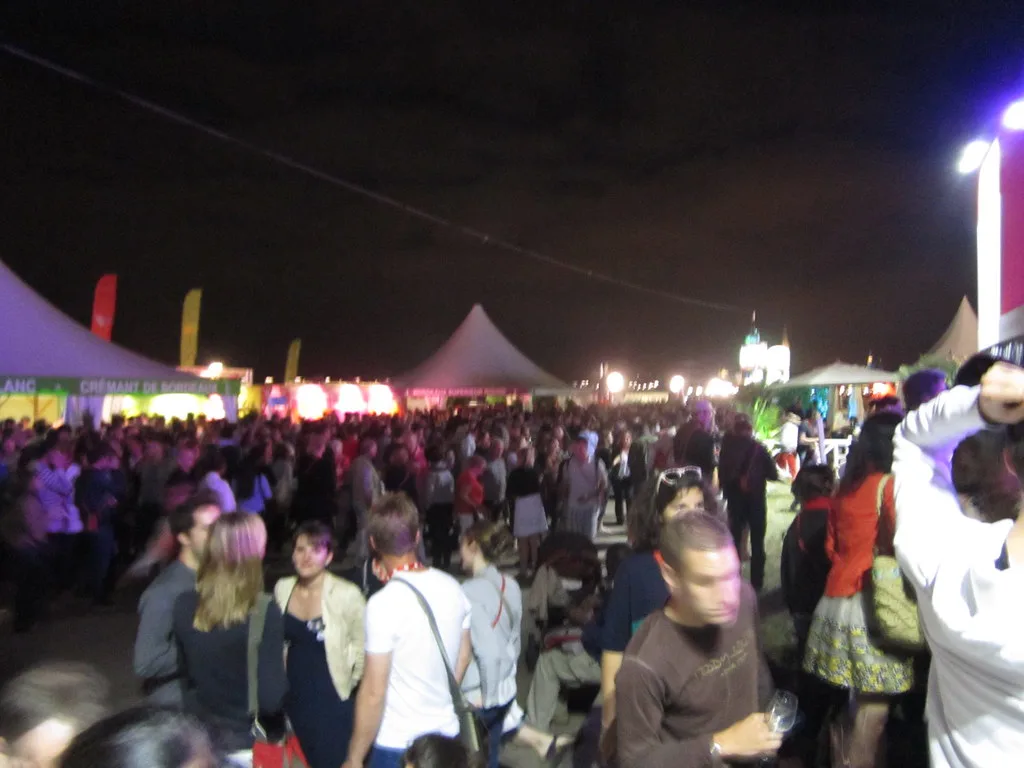
Last updated June 2026. The Bordeaux Wine Festival, known locally as Bordeaux Fête le Vin, is France's largest wine celebration. This biennial event transforms the UNESCO-listed Garonne riverfront into a vibrant four-day festival. Over 500,000 visitors arrive to taste regional wines and enjoy the world's largest international tall ship race.
Planning your arrival is essential due to the massive crowds along the quays. The city offers an integrated transport network that makes reaching the pavilions relatively simple. Understanding the tram disruptions and bike-sharing options will save you significant time and frustration. This guide covers everything you need to know about how to get to Bordeaux Wine Festival.
Free guide: Europe's Festival Calendar
A month-by-month map of Europe's unmissable festivals — with the best dates to visit each and a local tip you won't find in the guidebooks.
France's biggest wine festival: An Overview
The festival has been held in even-numbered years since its debut in 1998. It stretches across nearly two kilometers of the Garonne riverfront between the bridge and the hangars. More than 80 regional appellations set up pavilions to showcase their unique terroir and vintages. Visitors can learn about the value of these wines directly from the producers.
The next edition promises spectacular fireworks and a massive gastronomic village for food lovers. You can expect to find local specialties like oysters from the Bassin d'Arcachon and regional cheeses. Planning ahead is vital because the festival dates often coincide with peak summer tourism. Most events run from late morning until midnight throughout the four-day schedule.
The pavilions are organised by appellation, not by château. That means you taste Pauillac next to Saint-Estèphe next to Saint-Julien, in the same geographic order they sit on the Médoc. This layout is the festival's most underrated feature and the reason serious wine drinkers return edition after edition.
Dates and Opening Hours
Bordeaux Fête le Vin is held biennially in even-numbered years, so the next edition is expected in mid-to-late June 2028 (the 2026 edition ran Thursday 18 June to Sunday 21 June 2026); check the official site for confirmed dates. The quays open each morning around 10:00 and the last tastings close at midnight, with earlier closings on the final Sunday. The closing Sunday features a Parade of Lights along the river and fireworks over the Pont de Pierre — the only night of the year the bridge is closed to traffic.
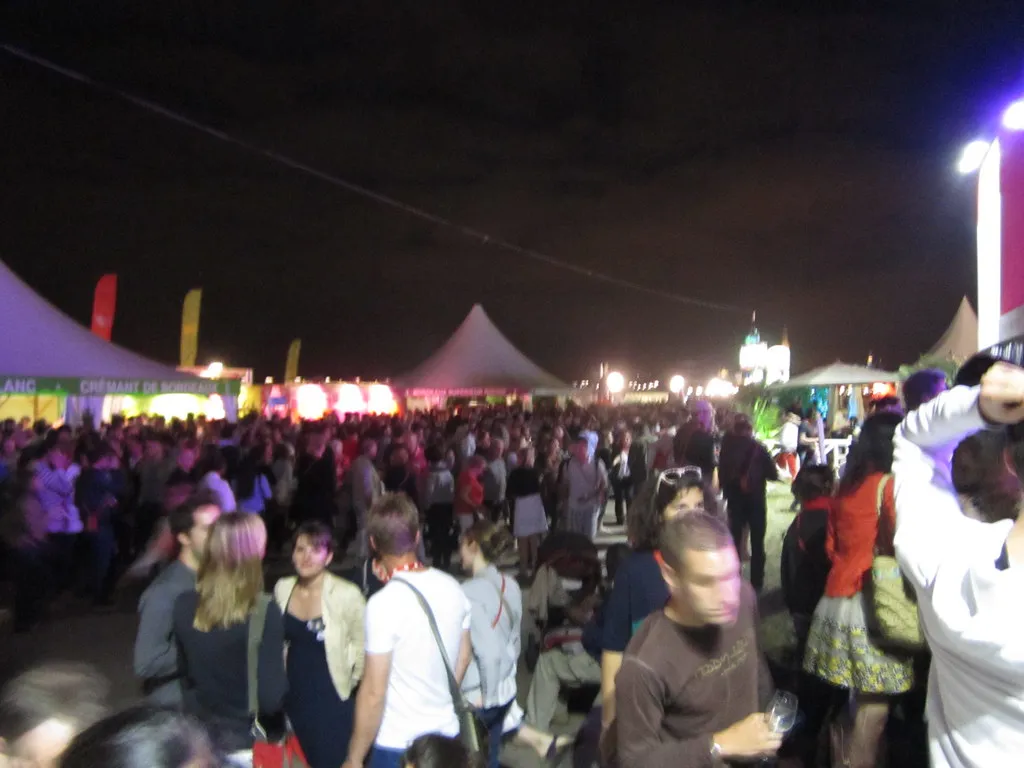
Entry to the festival site is free every day. You only need to purchase a Tasting Pass if you want to sample wines at the appellation pavilions. The site is typically busiest on Friday evening and Saturday afternoon; Thursday and Friday lunchtime offer the same wines with noticeably shorter queues.
Looking further ahead, the 2028 edition follows the usual even-year pattern. In 2027, the same waterfront hosts the Tall Ships Races Bordeaux, a separate but equally spectacular event.
Getting to Bordeaux: Flights and Trains
International travelers usually arrive at Bordeaux-Mérignac Airport (BOD), located west of the city. The airport is well-connected to the city center via the Tram Line A extension. This tram ride costs €1.80 and takes approximately 35 minutes to reach downtown. Alternatively, the 30'Direct shuttle bus offers a faster but more expensive connection.
Gare Saint-Jean is the main railway station for those arriving from Paris or Spain. High-speed TGV trains from Paris take just over two hours to reach Bordeaux. The station is a hub for TBM trams, and the festival site at Place des Quinconces is a five-minute tram ride away. Many visitors choose to stay near the station for its excellent transport links.
If you are driving, use the Park and Ride (Parc-Relais) facilities on the outskirts. Driving into the city center during the festival is highly discouraged due to road closures. Parking at a suburban tram station usually includes a round-trip tram ticket. This method is far cheaper than central city parking during the festival weekend.
Local Transport: Reaching the Quays by Tram and Bus
The TBM (Transports Bordeaux Métropole) network is the primary way to access the riverfront. Tram Lines B, C, and D all serve the quays and run frequently during the festival to handle the high volume of visitors. A standard single trip costs €1.80 and is valid for one hour. A 24-hour pass costs around €5.00 and makes sense if you plan to use the trams more than twice in a day.
Be aware that certain central stops are suspended during the festival for safety reasons. Porte de Bourgogne and Place du Palais on Line A are typically not served during peak hours. This adds roughly 10 to 20 minutes of walking to your journey if you are coming from those directions. Follow the temporary yellow signage pointing toward the riverfront entry gates.
Lines C and D connect the main railway station at Gare Saint-Jean directly to the festival entrance near Quinconces, with a journey time of 12 to 18 minutes. Always validate your ticket on the yellow pillars inside the tram immediately upon boarding. Keep your ticket handy as inspectors are active during the festival. Trams run from approximately 05:00 until midnight, with extended hours until 01:00 on Friday and Saturday nights.
Cycling and Walking to the Festival
Bordeaux is one of the most bike-friendly cities in France, with an extensive network of dedicated lanes along the riverfront. The V3 bike-sharing system lets you pick up and drop off cycles at stations across the city. A short-term subscription costs €1.70 per day. When the trams are packed to capacity on Saturday afternoon, cycling is often the fastest option available.
Key V3 stations near the festival fill up quickly from midday onward. Check the TBM app before you head out to find a station with available bikes. Stations near the Maison Écocitoyenne and the Chartrons district are good starting points. Do not lock a personal bike to the festival fencing — it will be removed by security staff.
Walking is a practical choice if you are staying in the historic center. The quays are a pleasant 15-minute walk from Place de la Bourse. Pedestrian zones are expanded during the festival for safety. You will walk several kilometers between pavilions once inside, so wear comfortable shoes regardless of how you arrive.
Tickets and the Tasting Pass System
While entry to the quays is free, you need a Tasting Pass to sample wine at the pavilions. The Pass 4 covers four tastings across four different appellation pavilions and suits visitors who want a lighter introduction. The 10+ Pass includes ten tastings plus a workshop at the Bordeaux Wine School Pavilion. Prices typically range from €12 for early bird purchases to €25 on-site. You can also book a legendary Wine Tasting tour for a more structured tasting experience.
Each pass comes with a glass on a lanyard and a scannable card. One tasting is available per appellation pavilion, plus one "Coup de Cœur" bonus tasting at the pavilion of your choice — so the 10+ Pass effectively gives you eleven pours. You can check your remaining balance by scanning the QR code on the back of your card, or at the consultation terminals on site.
Recent editions introduced a recharge feature: you can top up your pass credits directly by scanning the QR code, or at the recharge terminals on the festival grounds. This means there is no need to queue at a ticket booth if you want more tastings. Passes are valid across all four days, so you are not obliged to use every credit on arrival day. Note that unused passes are not refundable or exchangeable, and lost passes purchased on site cannot be credited to a new card.
Safety and Entry Requirements
Security checkpoints are positioned at every major entrance along the riverfront quays. Bags with more than one large compartment may be subject to additional screening. Arriving before 11:00 helps you pass through the shortest security lines. The festival site is fully accessible for visitors with reduced mobility.
All alcoholic beverages and glass containers are forbidden on the festival grounds when entering. You may bring food from outside, but any drinks must be non-alcoholic and in plastic or soft containers. Purchase and use of the Tasting Pass is restricted to persons aged 18 and over; bring a valid ID. Tasting credits cannot be transferred between cards once issued.
Re-entry is permitted throughout the day; exits are not permanent. If you need a break from the quays, you can leave and return without purchasing a new entry ticket. The 'Gilets Verts' (green-vest volunteers) are stationed throughout the site and can help with directions, lost property, and any access queries.
When to Go and How to Pace Your Visit
The busiest periods are Friday evening from around 18:00 and Saturday between noon and 18:00. During these windows the smaller Right Bank pavilions — Pomerol, Saint-Émilion satellites, Côtes de Bordeaux — tend to run low on poured stock fastest. Thursday and Friday lunchtime give you access to exactly the same wines, but the pavilions are staffed by the producers themselves rather than the student volunteers who cover peak hours.
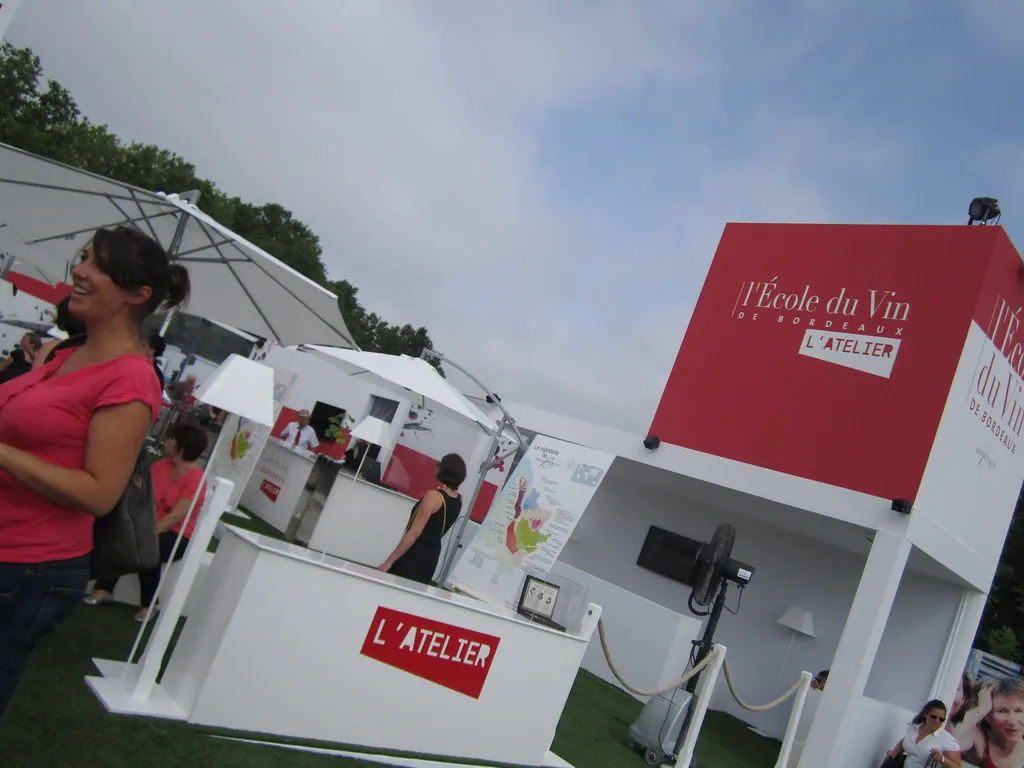
A common mistake is trying to taste every appellation in a single afternoon. The pass credits are limited deliberately; pacing is the point. Two pavilions per session, with a long sit-down meal or a break at the gastronomic village in between, gives you far more useful impressions than a dozen rushed tastings. If you book a masterclass at the École du Vin, schedule it for the morning and build the rest of the day around it — masterclasses on Pomerol and Sauternes sell out weeks ahead of the festival itself.
The closing Sunday finishes with fireworks over the Pont de Pierre. The crowd compresses heavily in the hour before the display. If you want to taste anything on Sunday evening, finish your last pavilion visit well before 21:00.
The Festival Layout: From Maison Écocitoyenne to Hangar 14
The pavilions are organized by appellation to mirror the actual Médoc wine map. You will find Pauillac located next to Saint-Estèphe, just as they sit in the vineyards north of the city. This geographic logic helps serious wine enthusiasts navigate the diverse regional offerings. The layout begins near the Maison Écocitoyenne and extends toward Hangar 14.
The gastronomic village sits centrally along the quays and provides plenty of shaded seating. It is the natural place to take a break, eat, and plan your next pavilion circuit. Nearby, the tall ships that dock at the Cité du Vin end of the quays for the duration of the festival create a striking backdrop. Don't forget to Add to Google Calendar so you don't miss the next edition's dates once they're confirmed on the official site.
Where to Stay Near the Festival Site
The Chartrons district is the best place to stay for easy festival access. It is a historic wine merchant quarter located just behind the main quays. You will find many boutique hotels and charming rental apartments in this area. Check our neighborhood guide for specific accommodation recommendations.
The city center (Centre-Ville) is also a very convenient option for visitors. Staying here allows you to walk to the pavilions in under 20 minutes. Hotel prices rise sharply during the festival weekend — book at least six months ahead of the next edition.
If you prefer a quieter stay, consider the Bastide neighborhood across the river on the right bank. It is consistently more affordable than the left bank during the festival and has good availability. The Bat3 river shuttle connects the Bastide directly to the festival quays, and the Pont de Pierre tram link is a five-minute ride. This also gives you a different vantage point over the tall ships moored along the Cité du Vin stretch.
Frequently Asked Questions
Where is the Bordeaux wine festival located?
The festival takes place along the Garonne riverfront quays in the heart of Bordeaux. It stretches from the Maison Écocitoyenne to Hangar 14. This UNESCO-listed area is easily accessible by the city's tram network.
Can you visit the festival without a car?
Yes, visiting without a car is highly recommended. The TBM tram and bus network provides excellent coverage of the festival site. You can also use the V3 bike-sharing system for a faster commute.
What should I wear to the wine festival?
Wear comfortable walking shoes and light, breathable clothing for the summer heat. A hat and sunscreen are essential for the open quays. Bring a light jacket for the cooler evening river breezes.
Is the wine museum in Bordeaux worth it?
The Cité du Vin is definitely worth a visit during the festival. It offers an immersive look at global wine culture. Many Tasting Passes include discounted entry to this iconic museum.
Getting to the Bordeaux Wine Festival is straightforward if you use the tram network and plan around the station closures. By arriving early in the week and pacing your tastings across sessions, you can focus on the wine rather than the crowds. The combination of world-class appellations and the Garonne riverfront creates an atmosphere no other festival replicates. Whether you arrive by TGV or V3 bike, the next edition promises an unforgettable French experience.
Purchase your Tasting Pass online before you travel to secure the best price and skip the on-site ticket queues. Keep an eye on TBM alerts for tram schedule changes and suspended stops during the four days. Enjoy your journey through the appellations of Bordeaux at this spectacular biennial event.
Free guide: Europe's Festival Calendar
A month-by-month map of Europe's unmissable festivals — with the best dates to visit each and a local tip you won't find in the guidebooks.
You might also like
Continue reading
More guides you'll find useful