Festivals and Events in Geneva 2026: The Complete Calendar
Geneva's 2026 festival calendar: the Fete de l'Escalade in December, summer lakeside events, La Batie arts festival, the GIFF film festival, and the Salon du Livre book fair.
On this page
Festivals and Events in Geneva 2026: The Complete Calendar
I will be honest with you from the first line, because it is the honesty that makes Geneva worth understanding: this is not a city that throws a party every weekend. Geneva is Switzerland's most international address — the European seat of the United Nations, the birthplace of the Red Cross, a place where diplomats outnumber drummers and half the conversations on the tram are in a language that is not French. It is composed, expensive, and beautifully serious. When I first came expecting a dense year-round festival circuit, I found instead a calendar anchored by one extraordinary historic tradition and a handful of quietly excellent cultural events around it.
That one tradition is the Fête de l'Escalade, and it is genuinely one of the best civic festivals I have witnessed anywhere in Europe. For one weekend every December the polished, buttoned-up city drops its guard entirely — the old town fills with torches, muskets, horses and costumed processions commemorating a night in 1602 that Geneva has never forgotten. If you time a single trip around one thing, make it this. Everything else on the calendar is a bonus.
This guide maps Geneva's 2026 festival year as it really is — clear about where the city is low-key and specific about where it shines. It runs from the spring book fair through the summer on Lake Geneva, into the autumn arts season with La Bâtie and the film festival, and finishes with the Escalade in the dark of December. Read it as a way to slot Geneva into a wider Swiss itinerary, or to build a focused trip around the one weekend that truly matters.
Free guide: Europe's Festival Calendar
A month-by-month map of Europe's unmissable festivals — with the best dates to visit each and a local tip you won't find in the guidebooks.
Why Geneva for Festivals?
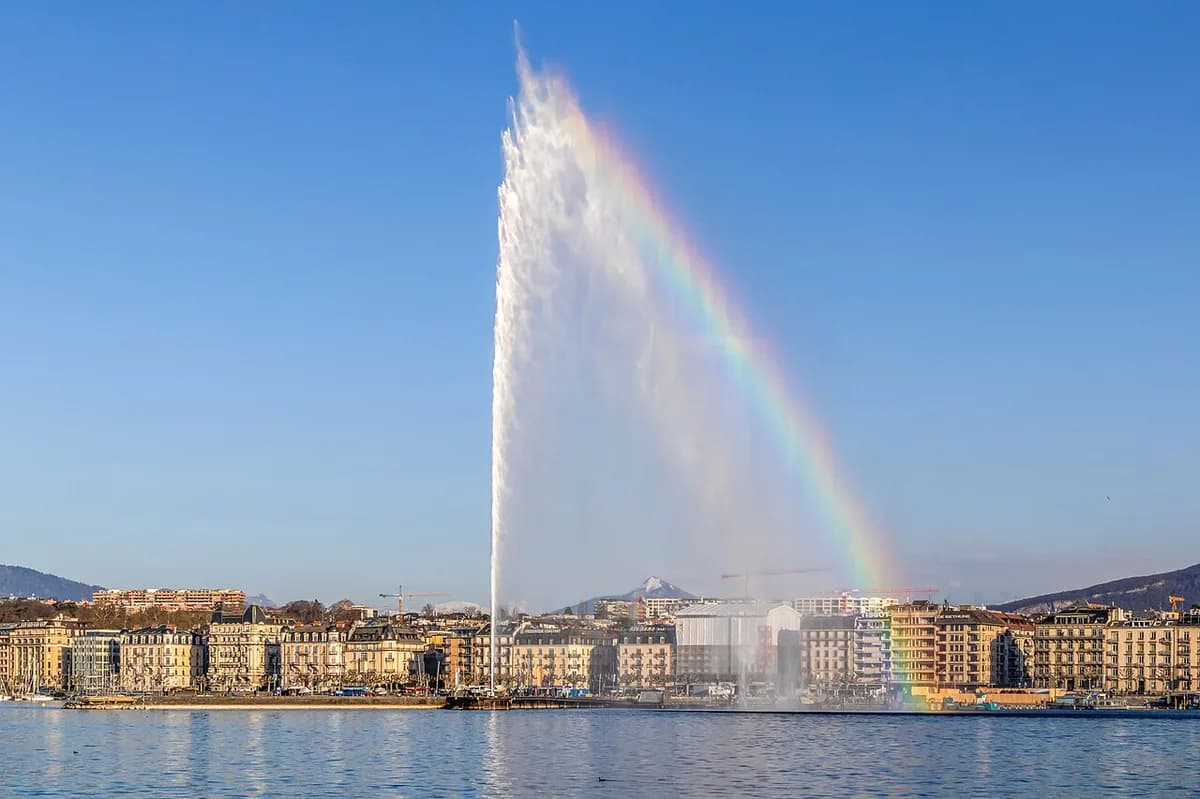
Let me set expectations honestly, because Geneva is easy to misread. This is a small, dense, wealthy city of just under 200,000 people, wrapped around the southern tip of Lake Geneva — Lac Léman to the French speakers who live here — with the Jet d'Eau fountain shooting 140 metres into the air as its unmistakable signature. Its identity is international and institutional rather than folkloric. The United Nations, the Red Cross, the World Health Organization and a constellation of NGOs give the city a serious, cosmopolitan character that does not naturally produce street carnivals. If you are chasing a wall-to-wall party calendar, Geneva is not that place, and it would be doing you a disservice to pretend otherwise.
| Festival | When | What to expect |
|---|---|---|
| Fête de la Musique | June (solstice weekend) | Hundreds of free open-air music performances across the city |
| Fêtes de Genève | Summer (check programme) | Lakeside festival with fireworks, reformatted in recent years |
| La Bâtie – Festival de Genève | Late August into September | Multidisciplinary performing arts across venues in the region |
| Geneva International Film Festival (GIFF) | Autumn | Film blended with TV, digital and immersive media |
| Salon du Livre de Genève | Spring | Major French-language book fair at the Palexpo centre |
| Fête de l'Escalade | December (around 11–12) | Torchlit historical procession, marmite ritual and running race |
What Geneva does have is quality over quantity, plus one irreplaceable piece of living history. The Escalade is a festival that no marketing department invented — it grew organically over four centuries out of a real night of civic survival, and the city celebrates it with a sincerity you cannot manufacture. Around it sits a compact, walkable core: the medieval Vieille Ville climbing to St-Pierre Cathedral, the lakeside promenades, and the left-bank arts venues, almost all within a twenty-minute stroll of one another. For a broader Swiss festival trip you will want to pair Geneva with a livelier neighbour — the festivals and events in Zurich calendar is the natural complement, giving you the year-round events density that Geneva deliberately does not chase.
Fête de l'Escalade: Geneva's Great December Tradition
The Fête de l'Escalade is Geneva's biggest, oldest and most beloved celebration, and it is the one event I would cross a border for. It commemorates the night of 11–12 December 1602, when the troops of the Duke of Savoy attempted a surprise attack on the sleeping city, scaling the walls under cover of darkness with black-painted ladders — the "escalade" that gives the festival its name. Geneva repelled them, and more than four centuries later it still celebrates that night with a devotion that feels entirely genuine. In 2026 the festival weekend falls on or around 11–12 December, though the city confirms the exact procession programme each autumn, so treat those dates as the anchor and check the official schedule before you book.
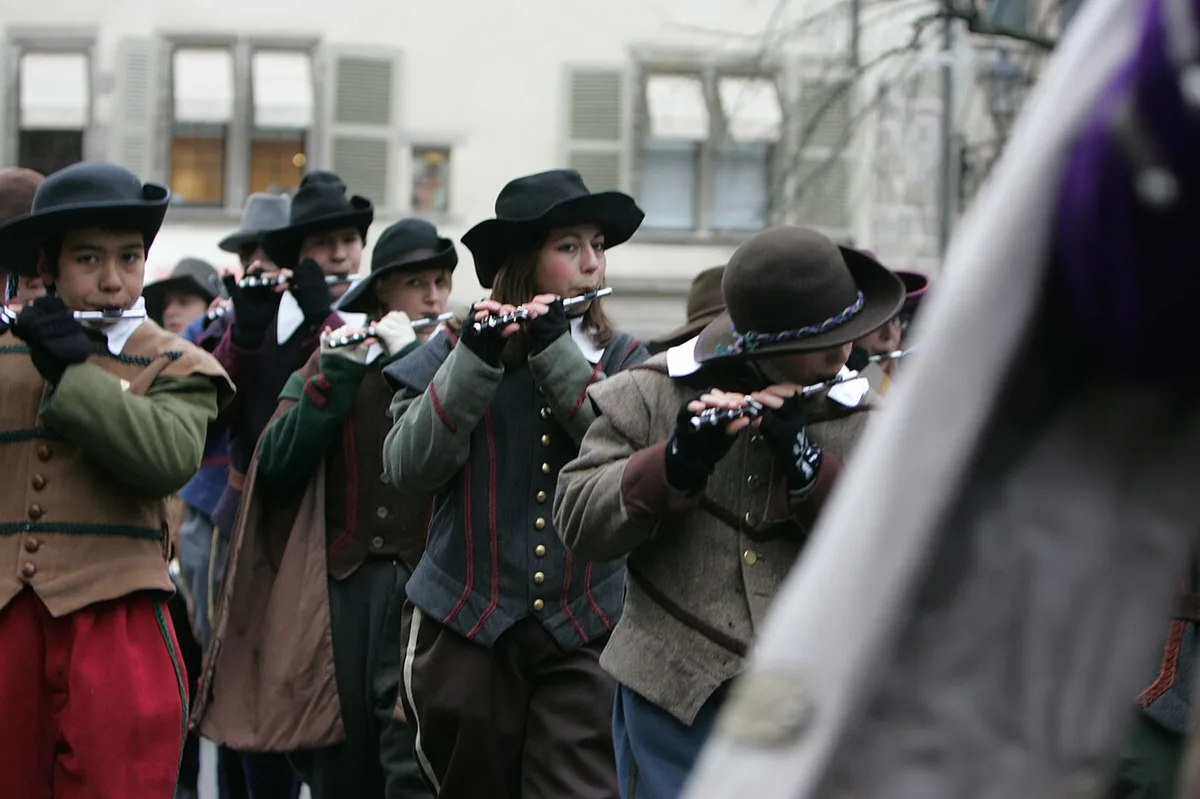
The centrepiece is the great historical procession through the cobbled lanes of the Vieille Ville: hundreds of citizens in meticulous seventeenth-century costume march by torchlight with horses, muskets, pikes and thundering drums, re-enacting the city's defence. It is free, it is atmospheric beyond words, and the medieval old town around St-Pierre Cathedral is the perfect stage for it. The other tradition you cannot miss is the marmite — a chocolate cauldron filled with marzipan vegetables, smashed open by the oldest and youngest person present while the family recites the ritual vow ("Ainsi périrent les ennemis de la République!"). Stalls sell hot vegetable soup and vin chaud, and in early December the Course de l'Escalade running race sends tens of thousands of runners through the streets. Because it deserves far more than a calendar entry, I have written a dedicated Escalade festival guide covering the history, the marmite ritual, the best vantage points for the procession, and how to plan around the whole weekend.
Summer on Lake Geneva: Lakeside Events and Fireworks
Summer is when Geneva is at its most relaxed, and the lake is the centre of everything. The promenades along both banks fill with swimmers, paddleboarders and picnickers, and the Bains des Pâquis bathing pier becomes the social heart of the city. For years the flagship summer event was the Fêtes de Genève, a large lakeside festival famous for one of Europe's most spectacular fireworks nights over the water. It is worth being straight with you here: the Fêtes de Genève has been scaled back and reformatted repeatedly in recent years, and the format shifts from year to year, so you should not build a trip around it without checking the current programme locally first. In some seasons the grand fireworks return; in others the celebration is quieter and more dispersed.
The lake has also, in past summers, hosted the Lake Parade — an electronic-music street parade in the spirit of a mobile open-air club, drawing a young crowd to the quays for a day of sound systems and dancing. Like the Fêtes de Genève, it has come and gone from the calendar, so confirm whether it is running before you plan around it. If a big techno street party is specifically what you are after, the better bet is over in the German-speaking part of the country: the Zurich Street Parade is the world's largest event of its kind and runs reliably every August, an easy train ride from Geneva. What Geneva offers instead in summer is steadier and gentler — long warm evenings by the water, open-air cinema screenings, lakeside terraces, and the simple pleasure of a city built around one of the loveliest lakes in Europe.
La Bâtie and the Autumn Arts Season
If the Escalade is Geneva's heart, the autumn arts season is its cultured, cosmopolitan mind — and this is where the city quietly excels. The anchor is La Bâtie – Festival de Genève, a multidisciplinary performing-arts festival that runs from late August into September across venues on both sides of the lake and out into the neighbouring canton. It programmes contemporary theatre, dance, music and performance from Swiss and international companies, and it has a deliberately experimental, boundary-pushing character that suits Geneva's serious, internationalist temperament. Tickets are affordable by design, much of the fringe programme is free, and the two-week span makes it easy to build several evenings of high-quality performance into a late-summer trip.
La Bâtie sets the tone for a genuinely rich cultural autumn. The city's theatres, the Grand Théâtre opera house, and its many small independent stages return to full programming after the summer, and the international, multilingual audience that Geneva's institutions produce gives the whole season an appetite for ambitious, unfamiliar work. It is the time of year I would recommend to anyone who wants Geneva at its most intellectually alive rather than its most festive — a season of ideas and performance rather than parades and fireworks. It pairs naturally with the film festival, which arrives in the same broad window and is the subject of the next section.
Film and Books: GIFF and the Salon du Livre
Two events bookend Geneva's cultural year for anyone who loves screen and page. In autumn the Geneva International Film Festival — universally known as GIFF — takes over cinemas and venues across the city. It is a distinctive festival with a forward-looking identity, blending film with television, digital creation and immersive and interactive media, which gives it a more experimental, cross-disciplinary feel than a conventional red-carpet event. Most screenings are open to the public, tickets are reasonably priced, and it fits neatly alongside the La Bâtie arts season as part of Geneva's strong autumn cultural stretch. As with everything on this calendar, GIFF confirms its exact dates and programme each year, so check the official site once you have your travel window.
In spring, the Salon du Livre de Genève brings the book world to the Palexpo exhibition centre near the airport. It is one of the major French-language book fairs, drawing publishers, authors and hundreds of thousands of readers for a programme of talks, signings, debates and readings across several days. For a French-speaking, book-loving city it is a natural fixture, and it is a rewarding stop if your trip happens to fall in spring and you read in French — though the appeal is more specialist than the broad public draw of the Escalade. Between the spring book fair and the autumn film and arts festivals, Geneva's cultural calendar is real and worthwhile; it simply rewards visitors who come for depth and quality rather than sheer festive volume. For the full continental picture, the Europe festivals by city master guide sets Geneva's calendar in context alongside the rest of the continent.
Getting There, Costs, and Practicalities
Geneva is one of the easiest European cities to arrive in. Geneva Airport sits right at the edge of the city, and the train from the airport to Genève-Cornavin, the main central station, takes only about seven minutes. Best of all, arriving air passengers can collect a free public-transport ticket from a machine in the baggage hall, valid for roughly 80 minutes — enough to reach your hotel without paying a franc. Once you are in the centre, the city is compact, walkable and well served by trams and buses, and the medieval Vieille Ville — the heart of the Escalade — is a short, steep walk up from the lake.
The one thing to prepare for is cost. Geneva is consistently among the most expensive cities in the world, and food, drink and accommodation all reflect that. The saving grace for visitors is the Geneva Transport Card, which most hotels and hostels provide free to overnight guests and which covers all public transport within the city for the length of your stay. Combine that with the fact that Geneva's headline festival, the Escalade, is entirely free to attend, and a festival-focused trip can be more affordable than the city's reputation suggests — the real spending is on hotels and restaurants, not on the events themselves.
- Geneva Airport to Cornavin station — about 7 minutes by train, with a free transit ticket for arriving air passengers
- City centre — compact and walkable; the Vieille Ville and lakefront are a short stroll apart, with trams for longer hops
- Geneva Transport Card — free from most hotels and hostels; covers all city public transport for your stay
- Budget — Geneva is very expensive, so plan generously for food and accommodation even though the Escalade itself is free
Fête de la Musique: Geneva's Free June Music Weekend
One event I am almost embarrassed to have nearly left off this calendar, because it is among the most reliable and genuinely joyful things Geneva does all year, is the Fête de la Musique. Every June, across a single weekend around the summer solstice, the city hands its streets, squares and parks over to music — hundreds of free performances spread across dozens of open-air stages, from classical ensembles in the courtyards of the Vieille Ville to jazz, folk, rock and electronic sets down by the lake. It is entirely free, entirely public, and it is the closest Geneva comes to the wall-to-wall street festival I keep telling you it usually is not. For 2026 the dates cluster on the solstice weekend as they do every year, though the city confirms the full programme only in late spring, so check the official listing once your travel window is fixed. If you want to catch this composed, cosmopolitan city at its most unguarded and celebratory, an early-summer trip built around the Fête de la Musique is the one surprise I would point you to after the Escalade itself.
Frequently Asked Questions
When is the best time to visit Geneva for festivals?
December is the standout, built around the Fête de l'Escalade — Geneva's biggest and most atmospheric celebration, with a festival weekend on or around 11–12 December 2026. The late-summer and autumn arts season is the other high point, with La Bâtie – Festival de Genève from late August into September and the Geneva International Film Festival (GIFF) in autumn. Geneva is a comparatively low-key, international city, so its calendar rewards a focused trip around these anchors rather than year-round festival-hopping.
What is the Fête de l'Escalade in Geneva?
The Fête de l'Escalade is Geneva's oldest and most beloved festival, held in December around the anniversary of 11–12 December 1602, when the city repelled a surprise night attack by the Duke of Savoy's troops scaling its walls. It features a torchlit historical procession in period costume with horses, muskets and drums through the old town, the smashing of a chocolate marmite filled with marzipan vegetables, hot soup and vin chaud, and a mass running race. It is free to attend and hugely atmospheric.
Does Geneva have a big summer festival?
Geneva's summer is more relaxed than festival-packed. The city historically held the Fêtes de Genève, a large lakeside festival known for a spectacular fireworks night over Lake Geneva, but it has been scaled back and reformatted in recent years, so you should check the current programme locally before planning around it. The electronic-music Lake Parade has also featured in some summers. For a reliable large summer street party, the Zurich Street Parade in August is the better bet.
What is La Bâtie festival?
La Bâtie – Festival de Genève is a multidisciplinary performing-arts festival held from late August into September across venues in Geneva and the surrounding region. It programmes contemporary theatre, dance, music and performance from Swiss and international companies, with an experimental character and affordable tickets. It anchors Geneva's strong autumn cultural season alongside the Geneva International Film Festival, and is ideal for visitors who want the city at its most culturally alive.
How do I get from Geneva Airport to the city centre?
Geneva Airport is right beside the city, and the train to Genève-Cornavin, the main central station, takes only about seven minutes. Arriving air passengers can collect a free public-transport ticket from a machine in the baggage hall, valid for around 80 minutes, which covers the journey into town. Once you arrive, the city is compact and walkable, and most visitors staying overnight receive a free Geneva Transport Card from their hotel covering all city public transport.
Related: Fête de l'Escalade: Complete Geneva Guide for 2026, Festivals and Events in Zurich, and the Europe festivals by city master guide.
Geneva is a city that rewards honesty about what it is. It will never out-party its livelier Swiss and European cousins, and it does not try to — its character is international, composed and quietly cultured. But in the Fête de l'Escalade it holds one of the finest civic traditions on the continent, a four-century-old celebration that transforms a serious diplomatic city into a torchlit medieval spectacle for one unforgettable December weekend. Build a trip around that, and Geneva will surprise you.
Around the Escalade sits a calendar of genuine quality rather than sheer quantity: a rich autumn arts season led by La Bâtie and the GIFF film festival, a book fair in spring, and long, gentle summer evenings on Lake Geneva. Come for depth, plan around the anchors, and pair Geneva with a busier neighbour if you want more festival density in a single Swiss trip. Do that, and this beautiful, buttoned-up city on the lake will give you far more than its reputation for seriousness suggests.
Free guide: Europe's Festival Calendar
A month-by-month map of Europe's unmissable festivals — with the best dates to visit each and a local tip you won't find in the guidebooks.
You might also like

Continue reading
More guides you'll find useful