Festivals and Events in Gdansk 2026: The Complete Calendar
Gdansk's 2026 festival calendar: St Dominic's Fair (Jarmark sw. Dominika), the Christmas market, the Shakespeare Festival, Baltic Sail, and FETA street theatre.
On this page
Festivals and Events in Gdansk 2026: The Complete Calendar
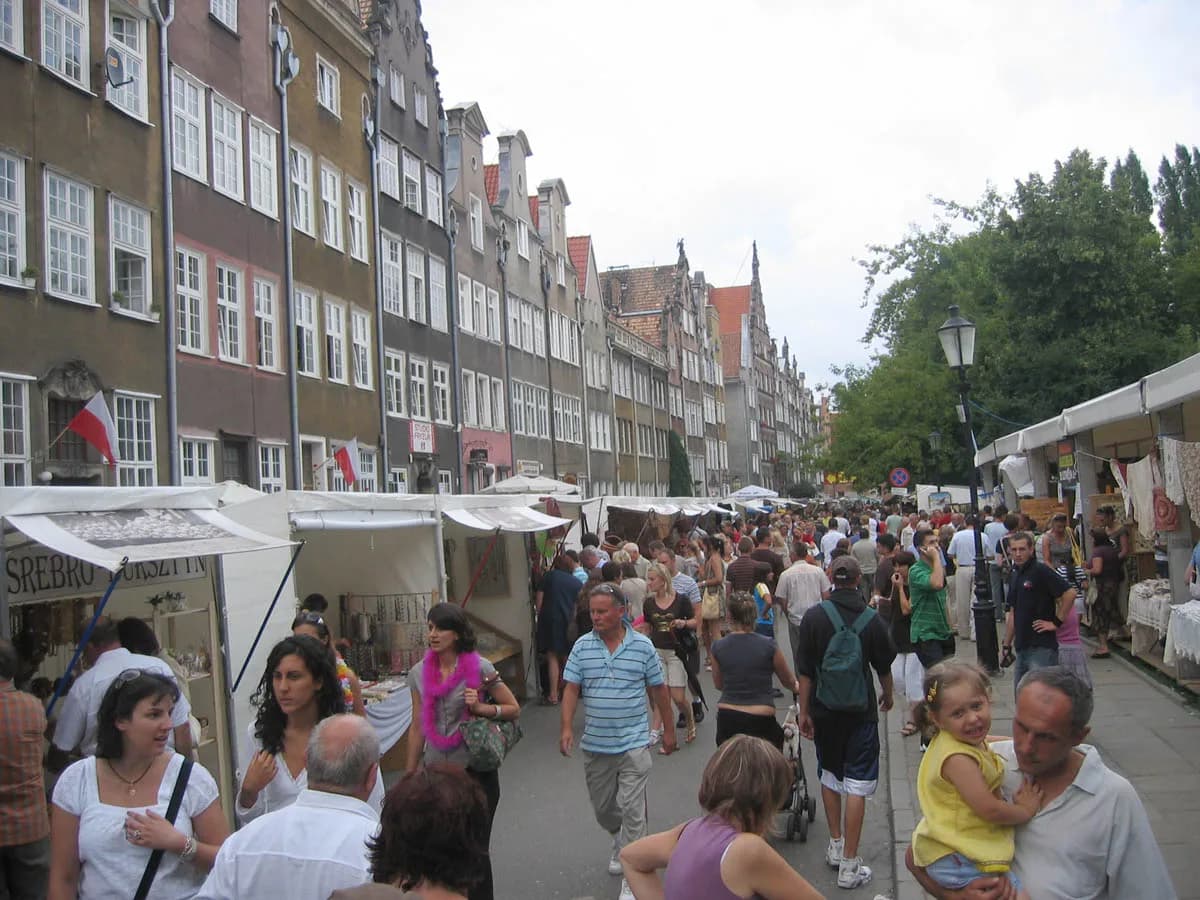
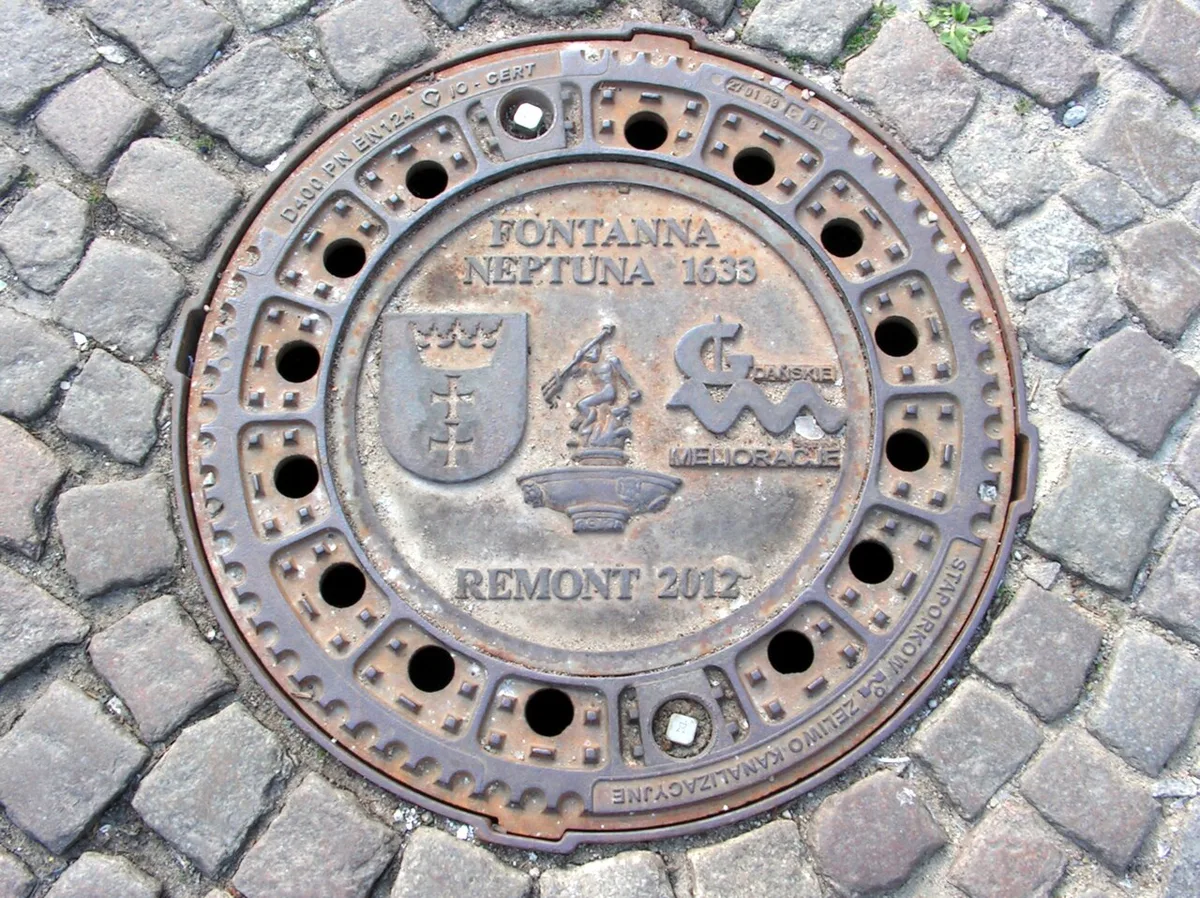
The first time I walked down Długi Targ — the Long Market — during St Dominic's Fair, I could barely move. The great burgher houses that were rebuilt stone by stone after the war looked down on a river of stalls, the Neptune Fountain was ringed three-deep with people eating pierogi off paper plates, and somewhere near the Green Gate a brass band was working through a tune I half-recognised. Gdansk in high summer does not feel like a city hosting a festival. It feels like a city that has become one.
Gdansk is Poland's great Baltic port, and it wears its history openly: a Main Town reconstructed after the devastation of 1945, the amber workshops of Mariacka street that make it the world's amber capital, the Motława river waterfront with its medieval crane, and the shipyard where Solidarity was born and where the European Solidarity Centre now tells that story. All of that gives its festival calendar a character you will not find in the more predictable weekend-break capitals — it is proud, salt-aired, and rooted in the sea. For a wider view of how the city fits into the continent's festival map, my Europe festivals by city master guide is the place to start.
This guide maps Gdansk's 2026 year from end to end — the enormous three-week St Dominic's Fair that has been running since 1260, the atmospheric Christmas market on Targ Węglowy, the Shakespeare Festival at its purpose-built theatre, and the tall ships and street theatre that fill the Baltic summer. Whether you are planning a trip around a single event or working out the best week to come, the sections below will help you decide.
Free guide: Europe's Festival Calendar
A month-by-month map of Europe's unmissable festivals — with the best dates to visit each and a local tip you won't find in the guidebooks.
Why Gdansk for Festivals?
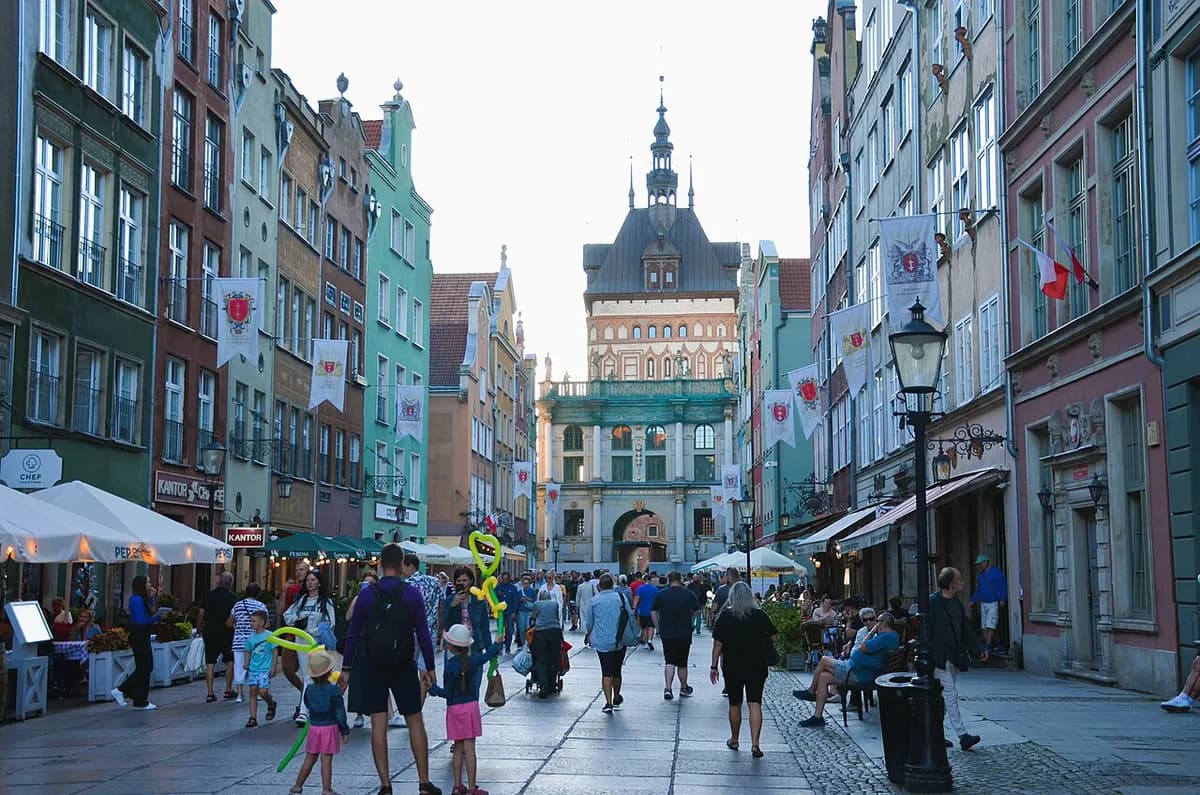
Gdansk makes an unusually rewarding festival city, and much of that comes down to its stage set. The Main Town (Główne Miasto) is compact and almost entirely walkable — from the Golden Gate you can stroll the length of Długa and Długi Targ, past the Town Hall and the Neptune Fountain, out through the Green Gate to the Motława waterfront in about fifteen unhurried minutes. Almost every major event unfolds within that same handsome, pedestrianised core, so you rarely need transport to move between the action. The backdrop — reconstructed Hanseatic facades, church spires, the river and its old granaries — turns even a modest market day into something cinematic.
| Festival | When | What to expect |
|---|---|---|
| St Dominic's Fair | Late Jul–mid-Aug | ~1,000 stalls of amber, antiques, and crafts with concerts and parades across the Main Town |
| Baltic Sail Gdansk | July | Tall ships and traditional sailing vessels on the Motława, with sail parades and waterside concerts |
| FETA Street Theatre | July | Acrobats, puppeteers, and open-air theatre troupes across the squares and the Brzeźno seaside |
| Shakespeare Festival | Summer–autumn | International productions at the retractable-roof Gdansk Shakespeare Theatre |
| Mystic Festival | Early June | Poland's largest metal and heavy-music festival at the historic Shipyard |
| Christmas Market | Mid-Nov–late Dec | Wooden chalets on Targ Węglowy with mulled wine, amber, a Ferris wheel, and light installations |
The other reason is authenticity. Gdansk's events grow out of things the city genuinely owns rather than imported spectacle. St Dominic's Fair exists because this has been a trading port on the Baltic for a thousand years. The amber on the stalls comes from the same sea that laps the city's beaches. The tall-ship gatherings echo a maritime past that shaped the whole region. Even the Shakespeare Festival has real roots here — English travelling players performed in Gdansk in the seventeenth century, and the modern theatre was built to honour exactly that history. Poland's capital does festivals well too, and my guide to festivals and events in Warsaw makes a natural companion if you are pairing the two cities on one trip, as does the calendar of festivals and events in Krakow further south, but Gdansk's calendar has a flavour all its own.
St Dominic's Fair: Europe's Oldest Trade Fair (Late July–August)
Nothing else in the Gdansk calendar comes close to St Dominic's Fair — the Jarmark św. Dominika. First held in 1260, it is one of the oldest and largest open-air trade-and-culture fairs in Europe, and after more than seven hundred years it still takes over the entire Main Town. In 2026 it runs for roughly three weeks across the height of summer — expect it to open in late July and continue into mid-August, with organisers confirming the exact dates each spring; a span of around 25 July to 16 August is a reliable planning guide until the official programme lands.
The scale is genuinely hard to overstate. Somewhere in the region of a thousand traders and stalls line Długi Targ, Długa, and the surrounding streets, selling antiques and bric-a-brac, hand-worked amber, folk crafts, books, and street food from across Poland and beyond. Woven through the marketplace is a full cultural programme — open-air concerts, historical parades, street performers, and family events that run day and night. Entry to the whole thing is free; you simply wander in and let the crowds carry you. Because it is such a deep subject in its own right, I have written a dedicated companion piece: the Gdansk St Dominic's Fair guide covers the history, the best days to go, where the amber and antiques stalls cluster, and how to navigate the fair without losing your patience or your wallet. Read it before you come — the difference between a magical fair day and an exhausting one is almost entirely down to timing.
Gdansk Christmas Market: Baltic Advent (Mid-November–December)
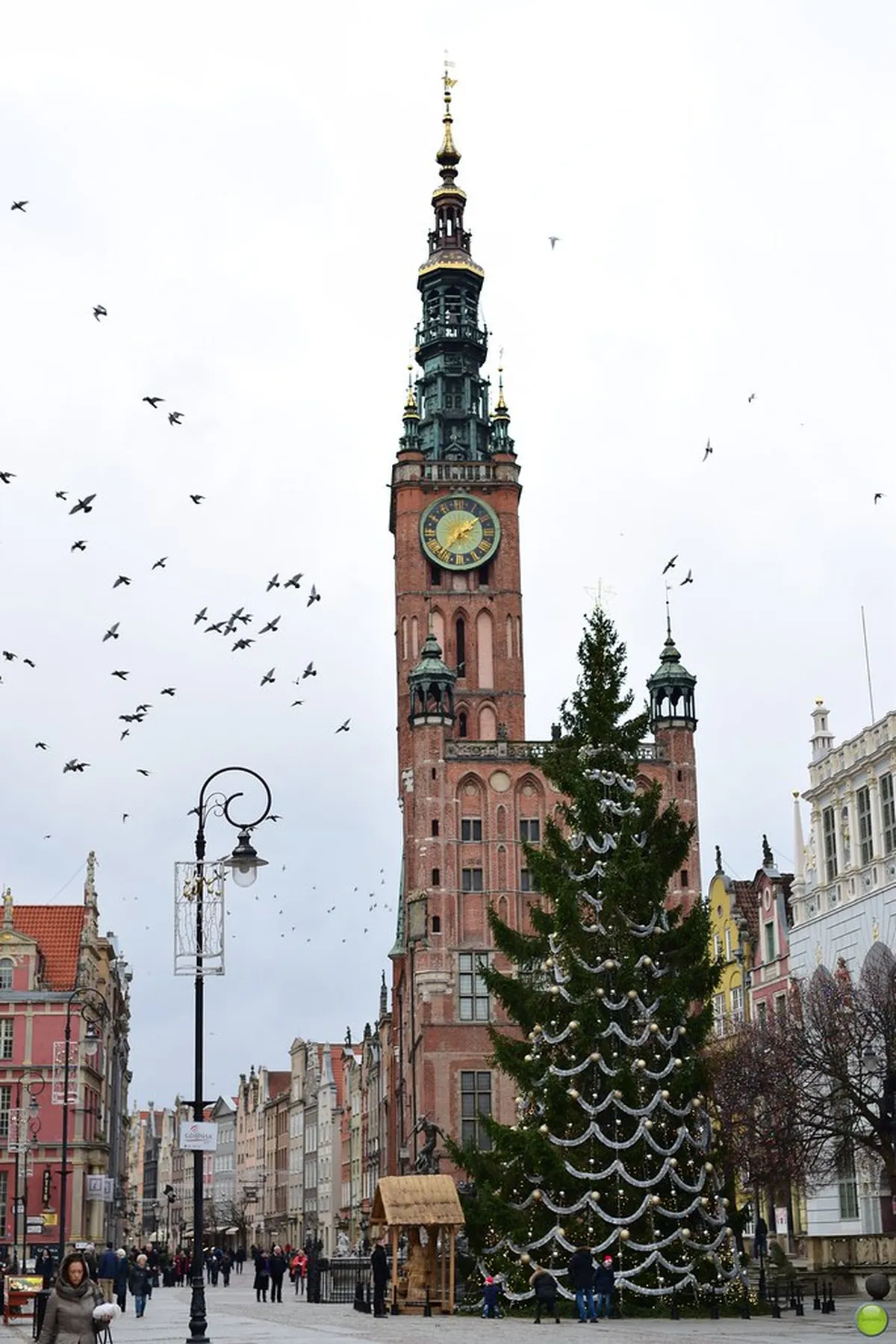
When the fair packs away and the light turns low, Gdansk swaps its summer identity for one of Poland's most atmospheric winter markets. The Gdansk Christmas Market — Jarmark Bożonarodzeniowy — runs from around mid-November through late December on Targ Węglowy (the Coal Market), the broad square just outside the Main Town's Golden Gate, next to the great Armoury and the medieval Prison Tower. Wooden chalets fill the square with regional food, hot oscypek cheese, grzaniec (mulled wine), gingerbread, handmade decorations, and — this being Gdansk — amber jewellery that makes an unusually good Christmas gift.
What lifts it above the average is the setting and the mood. The market threads between genuine historic monuments rather than modern concrete, there is usually a Ferris wheel for a view over the rooftops, an illuminated tunnel of lights, and a programme of concerts and family activities that keeps it lively into the evening. I have a full write-up of the timings, layout, and best things to eat in my Gdansk Christmas market guide, which is worth a look if you are planning an Advent visit. It is a shorter, gentler occasion than the summer fair, and all the better for it — dark afternoons, warm cups, and the Baltic wind kept at bay by the glow of the stalls.
Gdansk Shakespeare Festival: Theatre by the Baltic (Summer–Autumn)
One of the city's most distinctive events is the Gdansk Shakespeare Festival, an international theatre festival staged principally at the striking modern Gdansk Shakespeare Theatre (Gdański Teatr Szekspirowski) — a building whose roof famously opens to the sky, echoing the open-air playhouses of Shakespeare's own London. The festival's timing shifts a little from year to year, typically landing in late July, early August, or into the autumn, so check the theatre's programme when you plan; in some years it deliberately dovetails with the closing days of St Dominic's Fair, letting you combine the two.
The programme brings companies from across the world to perform Shakespeare and Shakespeare-inspired work, in a range of languages, alongside a competitive strand for the best production and a fringe of street performances and workshops. You do not need flawless Polish to enjoy it — many productions are international, surtitled, or highly physical — and the theatre itself, with its dark brick walls and retractable roof, is worth the ticket price on its own. It is a reminder that this Baltic port has been a genuinely European cultural crossroads for centuries, not just a summer market town.
Summer on the Baltic: Tall Ships, Street Theatre, and Beaches
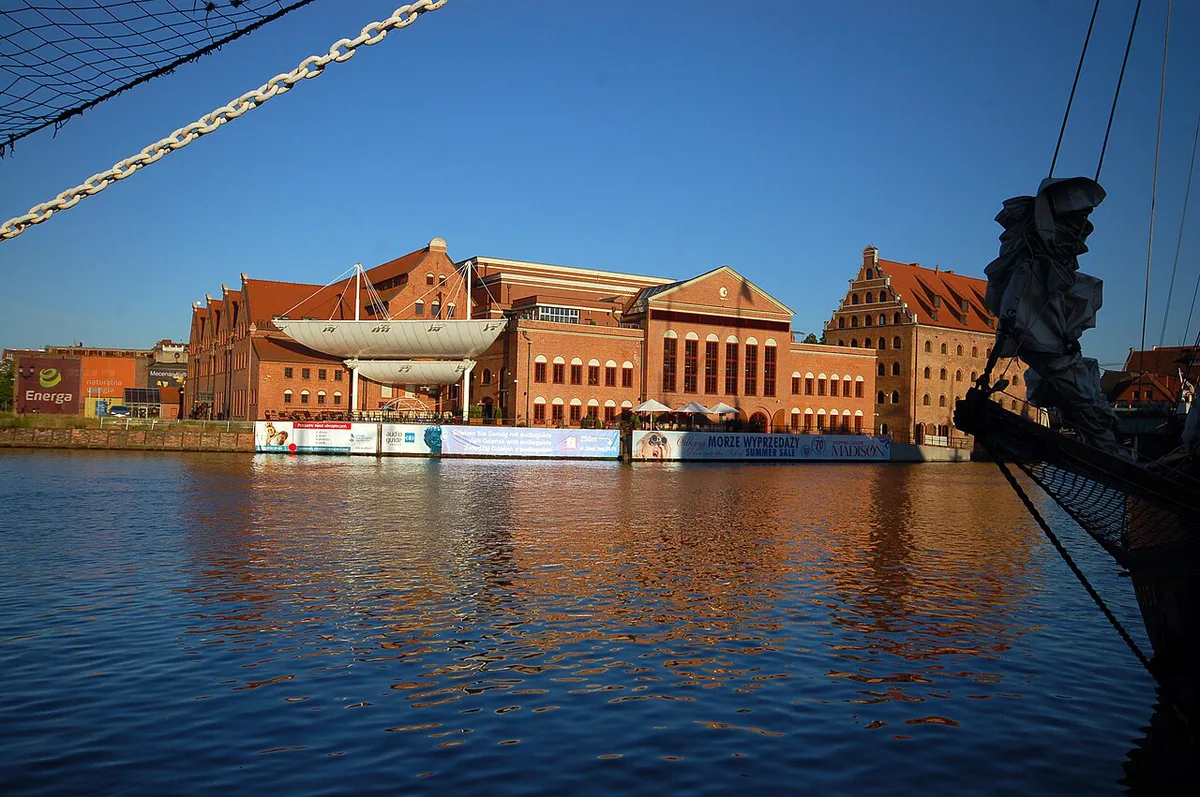
Gdansk's summer is about far more than the fair. In July, the Baltic Sail Gdansk brings a gathering of tall ships and traditional sailing vessels to the Motława waterfront and the port. Crews open some of the ships to visitors, there are parades of sail out on the bay, waterside concerts, and the whole riverfront by the old crane takes on the feel of a maritime carnival. It is one of the loveliest free things to do in the city if your visit happens to coincide — the sight of masts and rigging against the reconstructed granaries is pure Gdansk.
Also in July, the FETA International Street and Open-Air Theatre Festival turns the streets, squares, and the seaside district of Brzeźno into an open stage for acrobats, puppeteers, fire performers, and experimental theatre troupes from around the world. Most of it is free and family-friendly, and it spills naturally toward the coast, which is the summer's other great draw. Gdansk has real Baltic beaches within the city at Brzeźno and Jelitkowo, both reachable by tram, and the elegant resort town of Sopot — with its long wooden pier — is only a short commuter train ride away. Between festival days, an afternoon on the sand is the easiest way to feel why this coast has drawn holidaymakers for generations.
Getting to and Around Gdansk
Getting to Gdansk is refreshingly straightforward. Gdansk Lech Wałęsa Airport sits on the western edge of the city, roughly 30 minutes from the centre by the SKM/PKM commuter train or by bus, and handles a wide spread of European connections. If you are already in Poland, fast Pendolino and InterCity trains from Warsaw reach Gdansk in around three hours, which makes a two-city trip — the capital's festivals plus the Baltic coast — very easy to build.
Once you arrive, the historic Main Town is entirely walkable, and almost every event in this guide happens within it or a short stroll away. For the beaches and the wider region, the Tricity — Gdansk, Sopot, and Gdynia strung along the coast — is linked by the frequent SKM commuter rail, so a day trip up the shore to Sopot's pier or down to Gdynia's marina takes minutes and costs very little. Trams and buses fill in the rest, reaching Brzeźno and Jelitkowo beaches and the airport. In practice, you can base yourself in the Main Town for an entire festival trip and reach everything else on a single, cheap regional ticket.
Music Festivals: The Shipyard Comes Alive (June Onward)
For all its heritage pageantry, Gdansk also runs a serious contemporary music calendar, and its biggest event hangs on the same landmark that anchors the city's history — the shipyard. Every June the Gdańsk Shipyard, where Solidarity was born, becomes the site of Mystic Festival, Poland's largest metal and heavy-music gathering; in 2026 it lands across 3–6 June, with something close to ninety bands spread over several stages on the old industrial ground. There is a peculiar power to watching a festival crowd fill the same yard that once filled with strikers. Later in the summer the city's own Solidarity of Arts festival brings jazz and crossover concerts to open-air stages near the waterfront, and the ERGO ARENA on the Sopot border pulls in big touring names year-round. If your taste runs to amplifiers rather than amber, build a trip around early June — but book your Mystic tickets and a room well ahead, because the shipyard fills up fast.
Frequently Asked Questions
When is the best time to visit Gdansk for festivals?
Late July into August is the peak, built around St Dominic's Fair — a three-week open-air trade and culture fair that fills the entire Main Town. The same window often overlaps the Baltic Sail tall-ship gathering, the FETA street theatre festival, and the Shakespeare Festival, plus prime beach weather. For a quieter, atmospheric alternative, the Gdansk Christmas market runs from mid-November through late December on Targ Węglowy.
What are the St Dominic's Fair 2026 dates?
St Dominic's Fair (Jarmark sw. Dominika) runs for roughly three weeks from late July into mid-August. A span of around 25 July to 16 August 2026 is a reliable planning guide, but the organisers confirm exact dates each spring, so check the official programme before booking. Entry is free, with about a thousand traders and a full schedule of concerts, parades, and street performances across the Main Town.
What is St Dominic's Fair in Gdansk?
St Dominic's Fair is one of Europe's oldest and largest open-air trade fairs, held in Gdansk continuously since 1260 — more than 700 years. Around a thousand stalls line Dlugi Targ and the surrounding streets selling antiques, amber, crafts, and food, alongside concerts, historical parades, and street performers. It runs for about three weeks in late July and August, and admission is free.
When is the Gdansk Christmas market?
The Gdansk Christmas market runs from around mid-November through late December on Targ Weglowy, the square just outside the Main Town's Golden Gate. It is one of Poland's most atmospheric markets, with wooden chalets selling mulled wine, regional food, handmade decorations, and amber, plus a Ferris wheel, light installations, and evening concerts. Exact opening and closing dates are confirmed each autumn.
How do I get from Gdansk Airport to the city centre?
Gdansk Lech Walesa Airport is about 30 minutes from the city centre by SKM/PKM commuter train or bus. Once in town, the Main Town is fully walkable and most festival venues are within a short stroll of one another. The SKM commuter rail links the Tricity of Gdansk, Sopot, and Gdynia, so the beaches and nearby coast are quick and cheap to reach. Fast trains from Warsaw take around three hours.
Related: Gdansk St Dominic's Fair Guide, Festivals and Events in Warsaw, and the Europe festivals by city master guide.
Gdansk's festival calendar is one of the most characterful in Northern Europe precisely because every event grows out of what the city genuinely is — a thousand-year-old Baltic port, the world's amber capital, a rebuilt Hanseatic beauty, and the birthplace of Solidarity. There is no manufactured occasion here; St Dominic's Fair, the tall ships, the winter market, and the Shakespeare Theatre all simply amplify a part of Gdansk that is true the rest of the year too.
If you can only come once, come for St Dominic's Fair in late July or August and give yourself several days — one to lose yourself in the amber and antiques on Długi Targ, one for the beach at Brzeźno or the pier at Sopot, and one for whatever concert or parade the fair throws at you. For a quieter, glowing alternative, the December market on Targ Węglowy will show you a gentler, candlelit Gdansk with a fraction of the crowds. Whichever you choose, plan around the compact, walkable Main Town and the Baltic just beyond it, and each event will slot naturally into the next.
Free guide: Europe's Festival Calendar
A month-by-month map of Europe's unmissable festivals — with the best dates to visit each and a local tip you won't find in the guidebooks.
You might also like


Continue reading
More guides you'll find useful