Festivals and Events in Hamburg 2026: The Complete Calendar
Hamburg's 2026 festival calendar: the Hamburger DOM funfair, the Hafengeburtstag port festival, the Reeperbahn Festival, Elbjazz, and the Rathaus Christmas markets.
On this page
Festivals and Events in Hamburg 2026: The Complete Calendar
The first time I understood Hamburg's relationship with the water was on a May evening at the Hafengeburtstag, standing on the Landungsbrucken piers as a line of tall ships slid up the Elbe and a squadron of tugboats performed what the locals cheerfully call a ballet — heavy working boats waltzing in slow circles while brass bands played on the quay behind me. This is a port city that throws a birthday party for its harbour, and once you have seen it you realise that almost everything Hamburg celebrates comes back, one way or another, to the river and the sea.
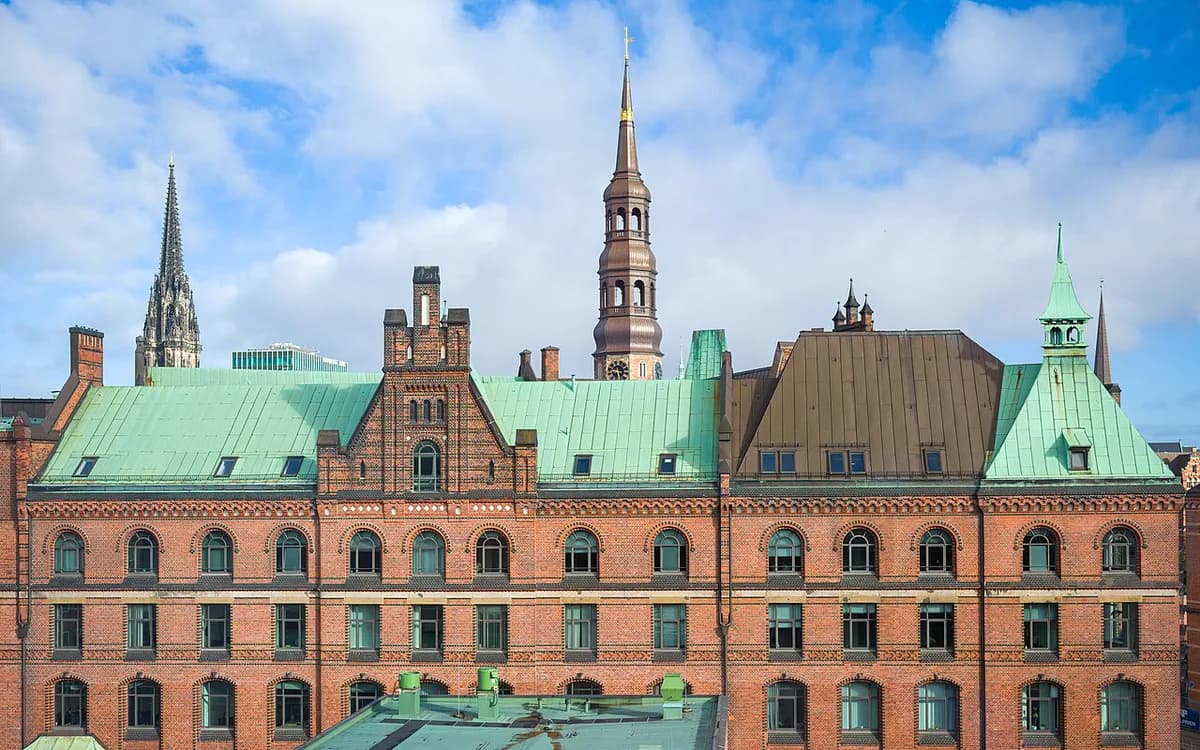
Hamburg is Germany's great northern gateway — a city of canals, red-brick warehouses, and more bridges than Venice and Amsterdam combined. The UNESCO-listed Speicherstadt warehouse district, the wave-roofed Elbphilharmonie concert hall, the neon sprawl of the Reeperbahn in St. Pauli, and the two Alster lakes at the city's heart give it a setting no other German city can match. Its festival calendar reflects all of that: a funfair that comes round three times a year, the self-styled largest port festival in the world, and one of Europe's biggest music-industry gatherings, all staged within an easy S-Bahn ride of one another.
This guide maps Hamburg's 2026 festival year from end to end — from the spring Fruhlingsdom on the Heiligengeistfeld, through the May harbour celebrations and the June jazz on the docks, to the September club nights of the Reeperbahn Festival and the mulled-wine glow of the Rathaus Christmas markets. Whether you are building a trip around a single event or working out the best week to come, the sections below will help you decide.
Free guide: Europe's Festival Calendar
A month-by-month map of Europe's unmissable festivals — with the best dates to visit each and a local tip you won't find in the guidebooks.
Why Hamburg for Festivals?
Hamburg makes an unusually easy festival city, and a lot of that comes down to how the events cluster around a handful of legible landmarks. The Heiligengeistfeld — a vast open square between St. Pauli and the Schanzenviertel — hosts the funfair; the Elbe waterfront from the Landungsbrucken piers to the fish market hosts the harbour festivals; the Reeperbahn and its side streets host the music. The compact centre wraps around the Binnenalster lake, and the U-Bahn and S-Bahn get you between all of it in minutes. You rarely need to think hard about logistics, which is a rare luxury when you are trying to catch two events in a day.
| Festival | When | What to expect |
|---|---|---|
| Hamburger DOM | Spring, summer & winter (about a month each) | Northern Germany's biggest funfair on the Heiligengeistfeld; free entry, Friday-night fireworks |
| Hafengeburtstag | Early May | World's largest port festival; ship parade, tugboat ballet, and harbour fireworks |
| Elbjazz | Early June | Jazz staged across the working docks, shipyards, and the Elbphilharmonie |
| Schlagermove | Early July | 1970s fancy-dress Schlager pop parade through St. Pauli and the Reeperbahn |
| Reeperbahn Festival | Late September | Europe's biggest club festival; hundreds of emerging acts on one wristband |
| Christmas markets | Late November – December | Historic Rathausmarkt market plus the adults-only Reeperbahn market |
The other reason is that Hamburg's biggest events grow out of what the city genuinely is rather than imported spectacle. The Hafengeburtstag exists because this is one of Europe's great working ports and the harbour is the city's economic heart and civic pride rolled into one. The Reeperbahn Festival exists because St. Pauli has been Germany's live-music engine since the Beatles cut their teeth in its clubs. Even the Hamburger DOM, the funfair, traces its name back to the medieval cathedral whose traders once sheltered market stalls. That rootedness gives the calendar a coherence that a lot of city-break destinations simply cannot match. For the wider picture, you can compare it against every other city we track in the Europe festivals by city master guide.
Hamburger DOM: Northern Germany's Biggest Funfair
The Hamburger DOM is the event that defines the rhythm of the Hamburg year, because it happens not once but three times. Staged on the Heiligengeistfeld, it is northern Germany's largest funfair — a sprawling Volksfest of roller coasters, ferris wheels, ghost trains, beer tents, and hundreds of food and game stalls that runs for around a month each time it opens. The three editions carry the seasons in their names: the Fruhlingsdom (spring) runs from late March into April, the Sommerdom takes over in July and August, and the Winterdom closes the year from early November into December.
Whichever one you catch, the ritual is the same, and the best of it is free to wander. Entry to the fairground costs nothing — you pay per ride and per bratwurst — so it works just as well as an evening stroll as it does a full day out. The single event to plan around is the Friday-night fireworks, when the whole field pauses at around 22:30 for a display over the funfair that draws Hamburgers of every age. Arrive by mid-evening to find a good spot near the taller rides, and expect the crowds to be at their heaviest on the opening and closing weekends of each edition.
Hafengeburtstag: The World's Largest Port Festival (May)
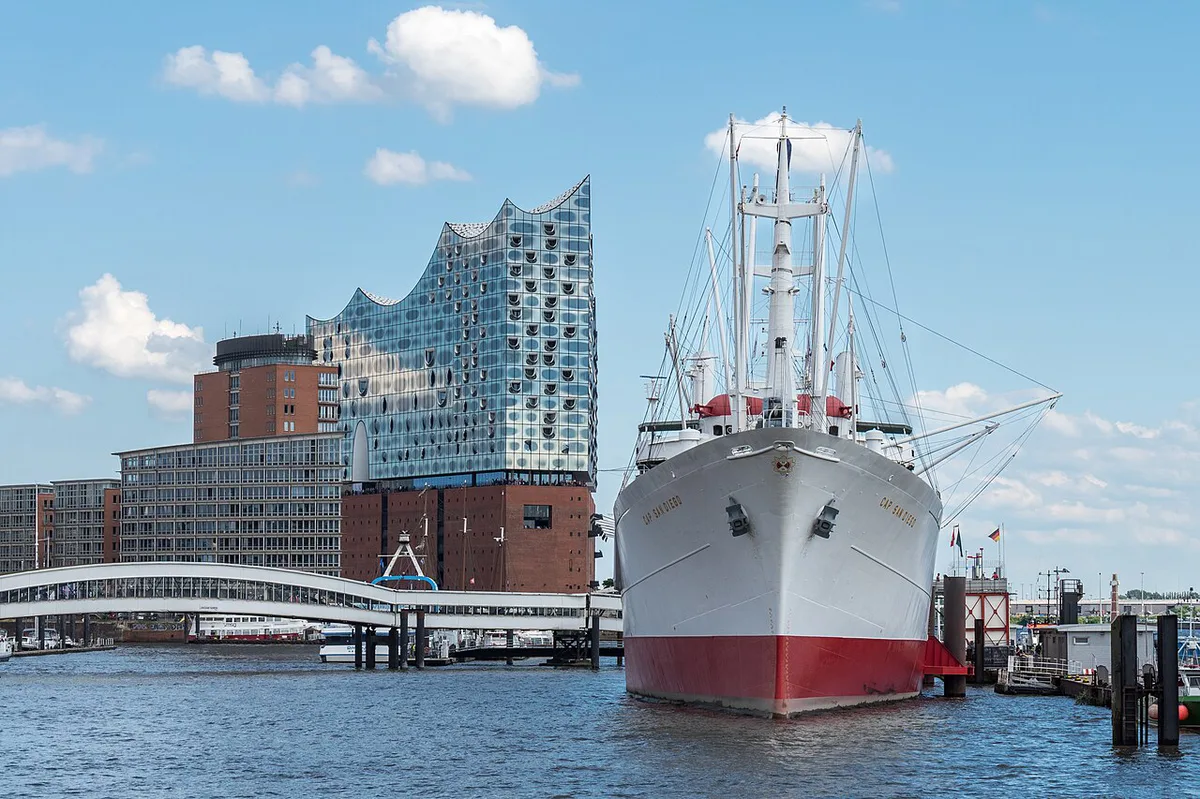
If the DOM is Hamburg's steady heartbeat, the Hafengeburtstag is its grandest single occasion. Held in early May to mark the anniversary of the port's founding, it is billed as the largest port festival in the world, and for one long weekend the Elbe waterfront between the Landungsbrucken piers and the Speicherstadt becomes a continuous ribbon of stages, stalls, and spectacle. Millions of visitors come for it, and the whole city tilts towards the river.
The set-pieces are what make it unmissable. A parade of ships — tall sailing ships, historic steamers, naval vessels, and modern cruise liners — processes up and down the river in stately convoy, and the crowd-favourite tugboat ballet sees these squat, powerful working boats perform a slow, oddly graceful dance on the water to music. Quayside stages run live bands from morning until late, food stands serve Fischbrotchen and Franzbrotchen by the thousand, and the weekend usually closes with fireworks over the harbour. The best free vantage points are the Landungsbrucken pontoons and the elevated stretch of the Elbe promenade, but they fill early — stake out a spot along the railings a couple of hours before the headline parade. Cruise Days, a separate late-summer celebration of the big liners lit up along the river, gives the harbour a second moment in the spotlight later in the year.
Reeperbahn Festival and Elbjazz: Hamburg's Music Year
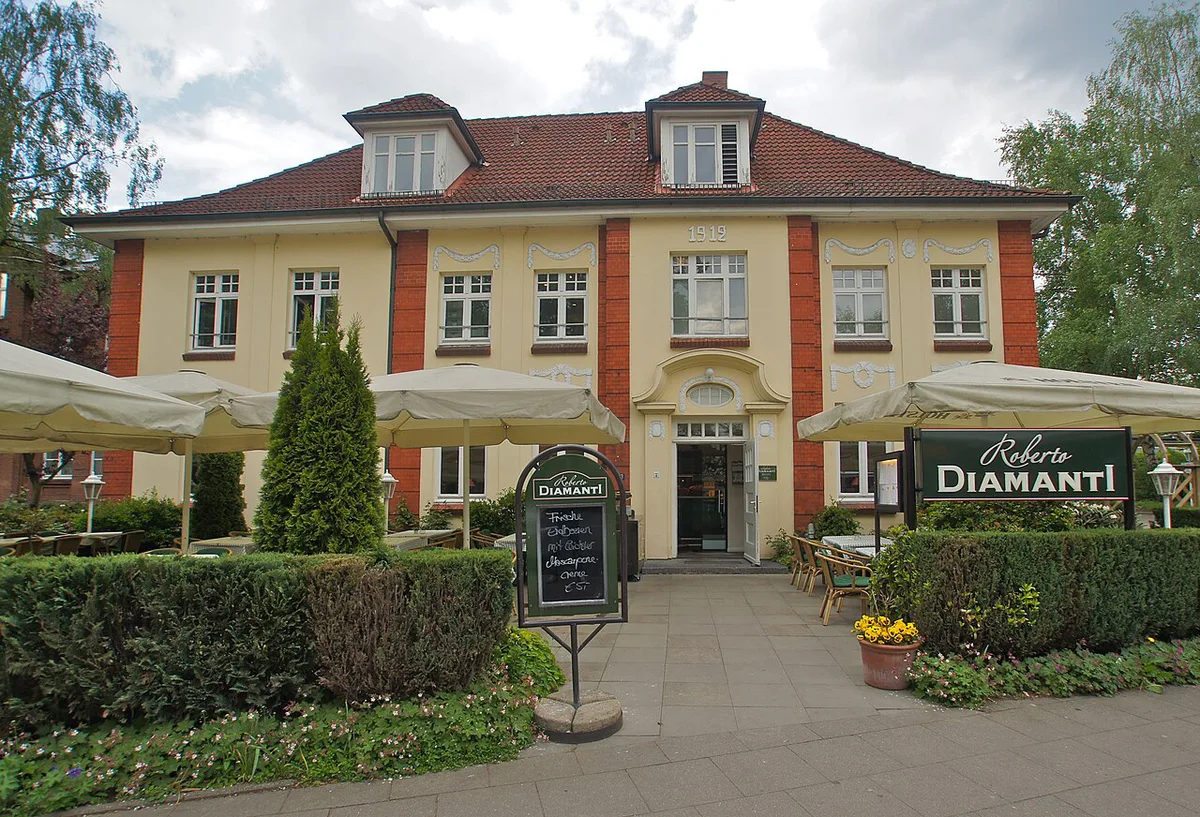
Hamburg's musical reputation was forged in the clubs of St. Pauli, and its two biggest music events honour that in very different registers. The Reeperbahn Festival, held in late September, is the giant: one of Europe's largest club festivals and a major music-industry gathering rolled into one. Over four days and nights, hundreds of acts — the vast majority of them new and emerging artists — play across dozens of venues threaded through the Reeperbahn and its side streets, from tiny back-room bars to concert halls and even churches. A single festival wristband gets you into all of it, and the format is built for discovery: you wander from venue to venue and stumble onto the best band you have never heard of.
Alongside the concerts runs a serious conference programme of talks, showcases, and networking that draws label executives, journalists, and artists from around the world, which is why the city's hotels fill up around it. If you are coming purely for the music, the pleasure is in the roaming — pick a district, keep your wristband handy, and let the night take you. Earlier in the year, Elbjazz in early June offers the quieter, classier counterpart: a jazz festival staged across the working harbour, with stages on the docks, in shipyards, and inside the Elbphilharmonie, so the music plays out against a backdrop of cranes and container ships. For a sense of how this compares with the wider German scene, our guides to festivals and events in Berlin and festivals and events in Cologne map out the club nights and carnival traditions further south.
Christmas Markets and Winter in Hamburg
From late November through December, Hamburg turns on the lights and the whole tone of the city shifts. The centrepiece is the historic Christmas market on the Rathausmarkt, staged in front of the neo-Renaissance town hall — a classic of carved wooden stalls, roasted almonds, and Gluhwein under the illuminated facade, widely rated one of the most atmospheric markets in the country. Around it, dozens of smaller markets give each quarter its own flavour, from the artisan stalls of the historic centre to the maritime-themed market down by the harbour.
Hamburg being Hamburg, there is also an edge the other German cities cannot quite match: the famously risque market on the Reeperbahn, an adults-only affair that leans into St. Pauli's raffish character and is a world away from the family-friendly Rathaus fair a few U-Bahn stops east. Together they make the city one of the best festive weekends in Germany, and I have written a full breakdown of the best stalls, the timings, and how to string them together in our dedicated guide to the Hamburg Christmas markets. The Winterdom funfair overlaps with the market season on the Heiligengeistfeld, so a December trip can combine roasted almonds by the Rathaus with roller coasters and fireworks in the same evening.
Getting to Hamburg and Getting Around
Getting to Hamburg is refreshingly simple. Hamburg Airport sits close to the city and is connected directly to the centre by the S-Bahn, a journey of only around 25 minutes to the main station — no need for a taxi or airport coach. If you are travelling within Germany, the fast ICE trains make the rail option compelling: Berlin is roughly 1 hour 45 minutes away, and the intercity network links Hamburg neatly with Cologne, Munich, and the rest of the country, so it slots easily into a wider German itinerary.
Once you are in town, the centre is compact and the public transport is excellent. The combined U-Bahn and S-Bahn network reaches every festival venue that matters — the Heiligengeistfeld, the Landungsbrucken piers, the Reeperbahn, and the Rathausmarkt are all a short ride or a walk apart. For where to stay, base yourself either near the Alster lakes for a calmer, central setting close to the shopping streets and the Rathaus, or in St. Pauli if you want the nightlife and the Reeperbahn on your doorstep. Either way you will spend very little of your trip in transit, which leaves more of it for the festivals themselves. If a wider trip is on the cards, our guide to festivals and events in Munich covers the obvious southern add-on, Oktoberfest and all.
- Hamburg Airport to city centre — around 25 minutes by S-Bahn, direct to the main station
- Berlin to Hamburg — roughly 1 hour 45 minutes on a fast ICE train
- City centre — compact and walkable; festival venues linked by U-Bahn and S-Bahn
- Where to base — the Alster lakes for calm and central; St. Pauli for nightlife and the Reeperbahn
Schlagermove and Hamburg's Summer Street Festivals
The summer between the harbour festivals and the Reeperbahn Festival has a joyous, slightly ridiculous highlight of its own, and I have never seen St. Pauli quite so happy as during the Schlagermove. Held in early July — the 2026 parade runs on Saturday 4 July, with a concert night the evening before — it is a giant open-air party built around German Schlager pop: hundreds of thousands of people in glorious 1970s fancy dress follow a convoy of decorated trucks blasting singalong hits down the Reeperbahn and around St. Pauli. Joining the parade is free, and the mood is pure, unironic fun. Later in the summer the Alstervergnugen offers the gentler counterpart, a lakeside festival that wraps the Binnenalster in stages, food stalls, and evening light shows, usually across a long weekend between August and September. Between the two, plus the summer Sommerdom on the Heiligengeistfeld, Hamburg keeps a festival going almost every warm week — so if you cannot make May or September, a July or August visit is far from a consolation prize.
Frequently Asked Questions
When is the best time to visit Hamburg for festivals?
Early May is a peak, built around the Hafengeburtstag, the giant port festival on the Elbe. Late September is the other high point, when the Reeperbahn Festival takes over St. Pauli. Beyond those, the Hamburger DOM funfair runs three times a year — spring, summer, and winter — and the Rathaus Christmas markets light up the city from late November, so there is a strong festival reason to visit in almost every season.
What is the Hamburger DOM?
The Hamburger DOM is northern Germany's largest funfair, held on the Heiligengeistfeld between St. Pauli and the Schanzenviertel. It runs three times a year — the Fruhlingsdom in spring, the Sommerdom in summer, and the Winterdom in late autumn — each lasting about a month with rides, food and game stalls, and a popular fireworks display every Friday night. Entry to the fairground is free; you pay per ride and per snack.
What is the Hafengeburtstag in Hamburg?
The Hafengeburtstag, or Port Anniversary, is Hamburg's early-May harbour festival, billed as the largest port festival in the world. It fills the Elbe waterfront between the Landungsbrucken piers and the Speicherstadt with a parade of tall ships and steamers, a crowd-favourite tugboat ballet on the water, quayside stages, food stalls, and fireworks. Millions attend, and the best free viewing spots along the promenade fill up early.
What is the Reeperbahn Festival?
The Reeperbahn Festival is one of Europe's biggest club festivals and music-industry gatherings, held over four days in late September across the venues of Hamburg's St. Pauli district. Hundreds of mostly new and emerging acts play in bars, clubs, concert halls, and churches, all accessible on a single wristband, alongside a large conference programme. Wristbands and hotels sell out well in advance, so book early.
How do I get from Hamburg Airport to the city centre?
Hamburg Airport is directly connected to the centre by the S-Bahn, with the ride to the main station taking around 25 minutes, so there is no need for a taxi or airport coach. Once in town, the U-Bahn and S-Bahn network reaches every major festival venue, and fast ICE trains link Hamburg with Berlin in about 1 hour 45 minutes for anyone arriving from elsewhere in Germany.
Related: Festivals and Events in Berlin, Festivals and Events in Cologne, and the Europe festivals by city master guide.
Hamburg's festival calendar is one of the most distinctive in Germany precisely because it never strays far from the water. The Hafengeburtstag turns the harbour into a stage, Elbjazz plays among the cranes and shipyards, and even the Christmas markets have their maritime corner down by the docks. Add the funfair that comes round three times a year and the September roar of the Reeperbahn, and you have a city that gives you a genuine reason to visit in almost any month you choose.
If you can only come once, come in early May for the Hafengeburtstag and give yourself the whole weekend for the ship parade, the tugboat ballet, and the fireworks over the Elbe. For a livelier, music-soaked trip, aim for the Reeperbahn Festival in late September, and for the cosiest Hamburg of all, the Christmas markets and the Winterdom in December are hard to beat. Whichever you choose, base yourself near the Alster or in St. Pauli, buy a transport ticket, and let this handsome, hard-working port city show you how the north celebrates.
Free guide: Europe's Festival Calendar
A month-by-month map of Europe's unmissable festivals — with the best dates to visit each and a local tip you won't find in the guidebooks.
You might also like


Continue reading
More guides you'll find useful