Festivals and Events in Ghent 2026: The Complete Calendar
Ghent's 2026 festival calendar: the huge free Gentse Feesten in July, the triennial Ghent Light Festival, the Gentse Winterfeesten Christmas market, Film Fest Gent and OdeGand.
On this page
Festivals and Events in Ghent 2026: The Complete Calendar
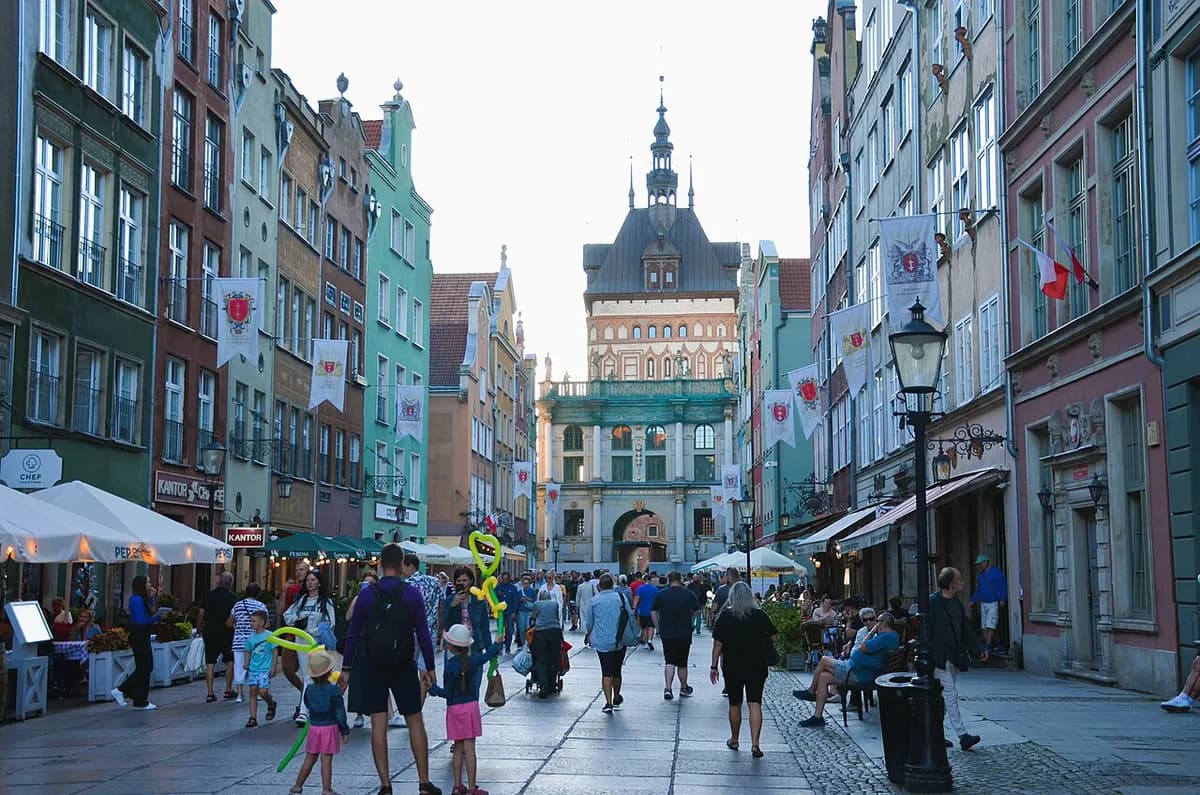
The first time I wandered into the Gentse Feesten, I had come to Ghent for the Van Eyck altarpiece and the medieval quays and stumbled, entirely by accident, into what turned out to be one of the largest free open-air festivals in Europe. It was a warm July evening, the Graslei was solid with people, a brass band was playing on one square while techno thumped from another, and the whole medieval centre had simply been handed over to music and street theatre for ten days straight. I never made it to the cathedral that night, and I have gone back for the Feesten nearly every summer since.
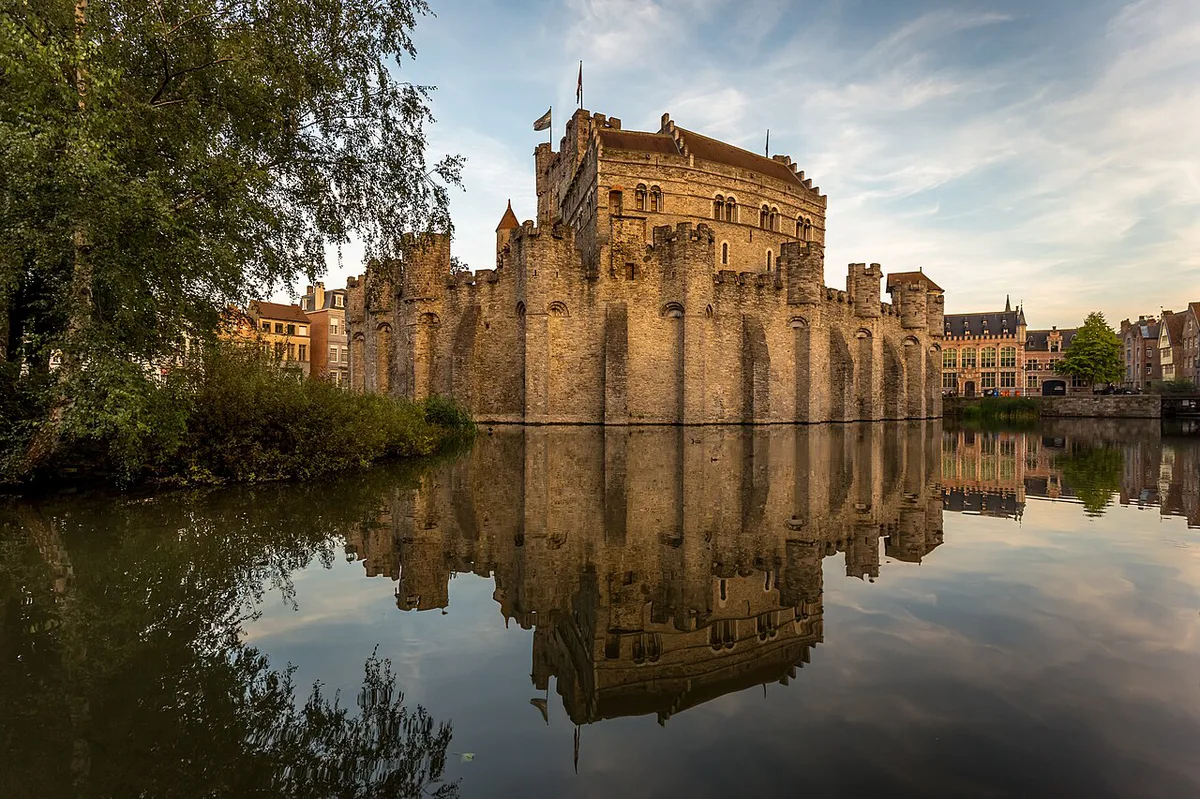
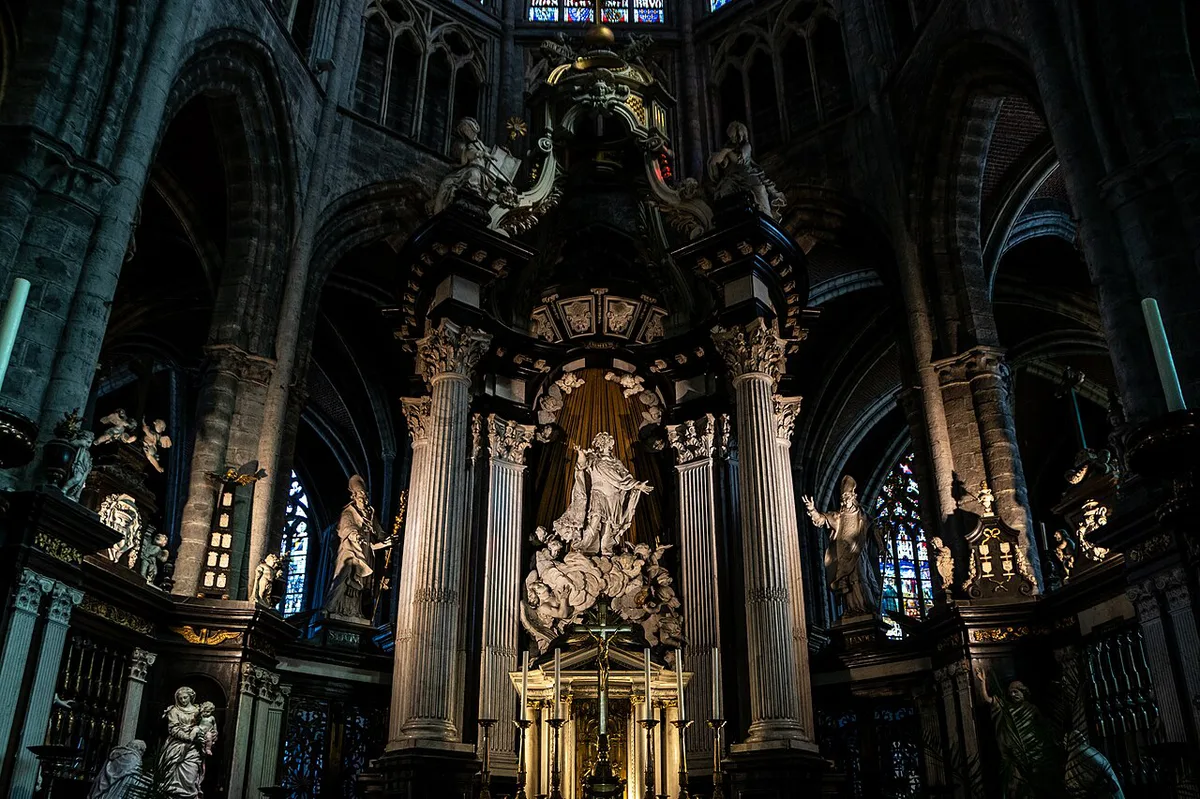
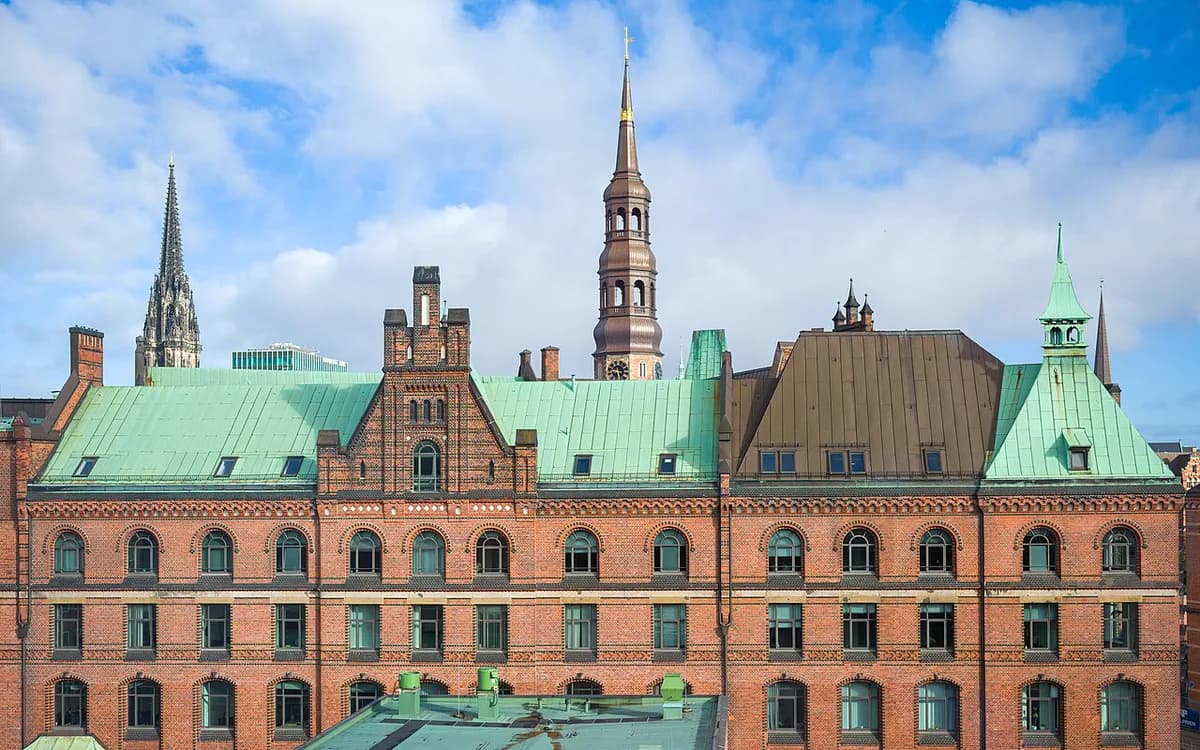
Ghent — Gent to its own people — is a canal-laced medieval city in the Flemish province of East Flanders, and to my mind it is the most underrated festival city in Belgium. It has the grand history of Bruges and the cultural nerve of Antwerp, but it wears both more lightly, because it is also a young university town that likes to party. The Graslei and Korenlei quays face each other across the old harbour, the moated Gravensteen castle looms over the centre, and St Bavo's Cathedral holds the Van Eyck brothers' Ghent Altarpiece — and all of it becomes a backdrop for a festival calendar that runs from a spring-and-summer high through a genuinely magical winter.
This guide maps Ghent's festival year across 2026 — from the enormous July street party of the Gentse Feesten, through the autumn film and canal festivals, to the Christmas market and ice rink beneath the cathedral in December, with a note on the spectacular triennial Light Festival for anyone planning further ahead. Whether you are building a trip around one event or slotting Ghent into a wider Flanders itinerary, the sections below will help you decide when to come.
Free guide: Europe's Festival Calendar
A month-by-month map of Europe's unmissable festivals — with the best dates to visit each and a local tip you won't find in the guidebooks.
Why Ghent for Festivals?
Ghent rewards visitors who plan around an event because its festival culture is not a marketing overlay — it grows straight out of what the city has always been. This was one of the largest and richest cities in medieval Europe, a cloth-trading powerhouse whose weavers and merchants built the guild houses that still line the Graslei. That wealth left behind a compact stone core of quays, towers, and squares that is tailor-made for open-air celebration: the Sint-Baafsplein in front of the cathedral, the wide Vrijdagmarkt where the guilds once mustered, and the atmospheric Bij Sint-Jacobs all become stages when the city throws a party.
| Festival | When | What to expect |
|---|---|---|
| Gentse Feesten | Ten days in July (approx. 18-27 Jul 2026) | Europe's great free open-air street party — music, street theatre and beer across the medieval squares |
| Gent Jazz | Early-mid July (approx. 2-18 Jul 2026) | Ticketed international jazz lineup on the leafy Bijloke site |
| OdeGand | September (one evening) | Canal-and-city music festival — boats, church concerts and closing fireworks over the water |
| Film Fest Gent | October (about a fortnight) | Major European film festival, home of the World Soundtrack Awards |
| Christmas Market (Winterfeesten) | Late November to end December | Chalets, ice rink and Ferris wheel around Sint-Baafsplein beneath the cathedral |
| Ghent Light Festival | Triennial (next expected approx. 2027) | Free city-wide trail of large-scale light art through the old town after dark |
The other half of the story is that Ghent is a serious university town, home to tens of thousands of students, which gives it an energy and a nightlife that most preserved medieval cities lack. The result is a place that can host both a solemn cathedral concert and an all-night techno square in the same festival — high culture and street culture side by side, without embarrassment. Practically, it could hardly be easier to navigate: the historic core is flat and walkable, laced with trams for the longer hops, and the whole centre is small enough that you can walk from the castle to the cathedral in fifteen minutes. Bring comfortable shoes and a rain layer, because Flanders weather changes its mind in every season.
Gentse Feesten: Europe's Great Free Street Festival (July)
The Gentse Feesten (Ghent Festivities) is the single event most worth building a 2026 trip around, and it is the reason Ghent belongs on any serious list of Europe's great city festivals. It runs for ten days each July — in 2026 expected to fall roughly across 18 to 27 July, though you should confirm the official dates before you book — and for the duration the entire medieval centre is closed to traffic and turned over to celebration. It is one of the largest open-air festivals on the continent, drawing somewhere between one and two million visitors across its run, and its greatest virtue is disarmingly simple: it is free.
What that means on the ground is a city dissolved into a dozen overlapping festivals. Each of the main squares takes on its own character — Sint-Baafsplein, the Vrijdagmarkt, and Bij Sint-Jacobs among them — with stages for music, street theatre, and performance running from midday into the small hours. There is world music at the long-running Polé Polé stage by the water, techno and dance in other corners, folk and brass in others again, plus food stalls, funfair rides, and Belgian beer flowing everywhere. You do not buy a ticket or follow a lineup so much as wander and let the city carry you from one square to the next.
The Feesten has more history and structure than a single visit reveals, from the origins of the ten-day format to which square suits which kind of night. For the full running order, the best squares for each type of music, where to eat, and how to survive the crowds, see the dedicated Gentse Feesten festival guide — it is the companion piece I wish I had read before my own accidental first visit.
Ghent Light Festival: The Triennial Illumination
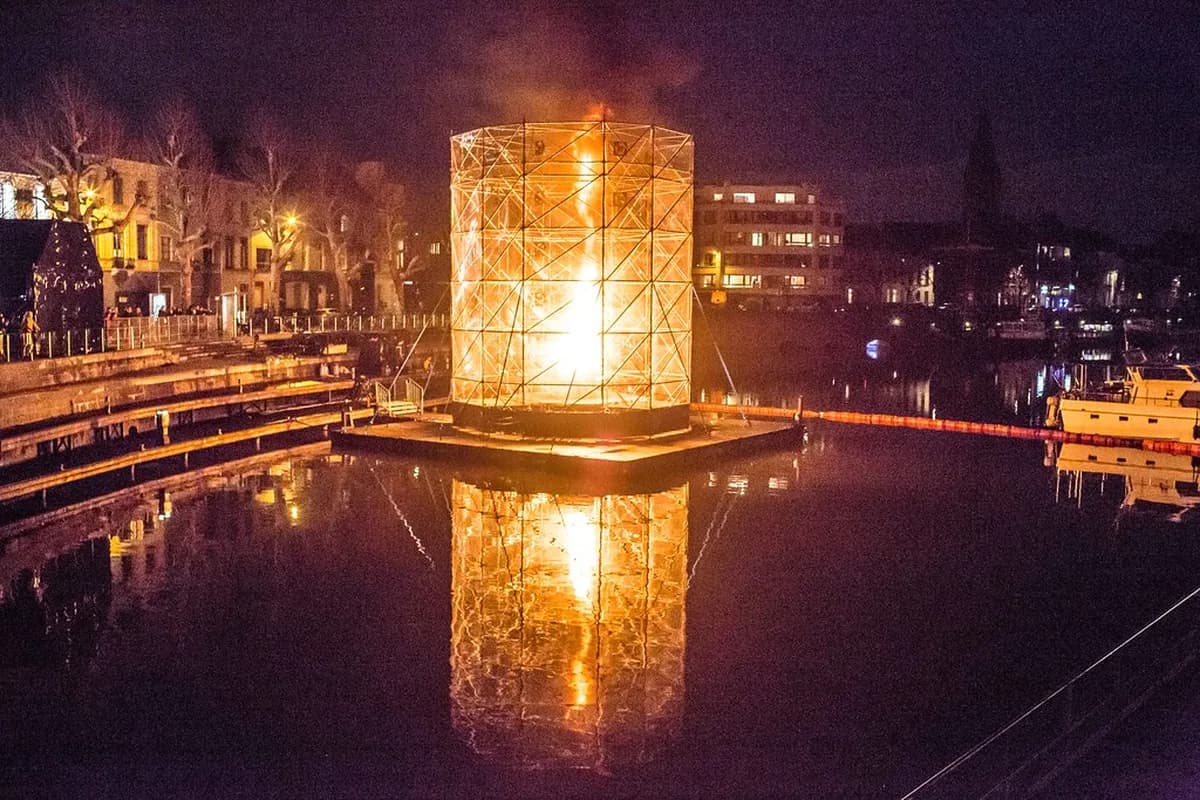
If the Gentse Feesten is Ghent at its loudest, the Ghent Light Festival (Lichtfestival) is Ghent at its most spellbinding. It is a free, city-wide trail of large-scale light art that transforms the medieval old town after dark — projections washing across the cathedral and the Gravensteen castle, luminous installations strung along the canals, and glowing sculptures tucked into courtyards and squares. You follow a walking route of several kilometres through the historic core, and the effect of seeing centuries-old stone reimagined in light is genuinely one of the most striking things I have experienced anywhere in Europe.
The one catch is timing: the Light Festival is triennial, held only once every three years, so it does not fall in most calendar years. The most recent edition lit up the city in early 2024, which puts the next expected edition around 2027 rather than 2026 — but dates and cycles can shift, so confirm the schedule locally before planning a trip around it. If your travels are flexible enough to catch it, it is worth reorganising a year around; if not, the Ghent Light Festival guide walks through the route, the best vantage points, and what to expect, and the is the Ghent Light Festival worth it piece helps you decide whether to build a trip around the next edition.
Ghent Christmas Market: Winterfeesten Under the Cathedral
Ghent in winter is the version of the city I recommend to anyone who wants the medieval magic without the summer crowds, and the seasonal centrepiece is the Ghent Christmas Market — the Gentse Winterfeesten. It runs from late November through the end of December, spread across the linked squares at the heart of the old town, with the main concentration of chalets around Sint-Baafsplein and the adjoining Emile Braunplein, right beneath the cathedral, the belfry, and St Nicholas' Church. There is a Ferris wheel that lifts you above the rooftops for a view over the illuminated centre, an open-air ice rink, and rows of wooden stalls selling glühwein, Flemish stew, and hot chocolate.
What sets the Ghent market apart from the bigger German-style ones is its setting: the stalls sit inside a genuinely medieval townscape rather than a modern plaza, framed by three great towers in a row, and the whole thing is compact enough to walk in an evening while still leaving time for a proper dinner. It gets busy on December weekends, so a weekday visit or an early-evening arrival makes for a calmer experience. For stall maps, the ice rink and Ferris wheel details, opening hours, and how the market connects across the squares, see the dedicated Ghent Christmas market guide before you book.
Film Fest Gent and OdeGand: The Autumn Culture Season
Autumn is when Ghent's identity as a culture city comes to the fore, anchored by two very different events. Film Fest Gent (the Ghent Film Festival) arrives in October and is one of the leading film festivals in Europe, screening hundreds of features and shorts from around the world across cinemas throughout the city over roughly a fortnight. Its signature is a devotion to film music: the festival hosts the World Soundtrack Awards, an annual celebration of the composers behind the year's cinema, which draws major names in film scoring to Ghent and gives the whole event a distinctive character among European festivals.
Earlier in the season, OdeGand lights up a September evening as Ghent's canal-and-city music festival, staged as part of the wider Festival van Vlaanderen (Festival of Flanders). Boats carry musicians along the waterways, concerts fill churches and historic venues across the centre, and the night usually closes with music and fireworks over the water — a more refined, one-night counterpoint to the ten-day summer sprawl of the Feesten. Between them, these two events turn autumn Ghent into a genuine cultural destination, and because they fall in the shoulder season the city is calmer and easier to enjoy than at its July peak. Both confirm their exact dates and programmes a few months ahead, so check the official sites once the line-ups are announced.
Getting to Ghent and Practicalities
Ghent is one of the easiest festival cities in Europe to reach and to navigate. It sits at the heart of the Belgian rail network, roughly 30 minutes by train from Brussels and around 25 minutes from Bruges, with frequent direct services throughout the day. The main station, Gent-Sint-Pieters, is a short tram ride south of the historic centre; the trams (De Lijn) run straight into town and are the simplest way in with luggage. Once you are in the old core, though, you will barely need transport at all — the medieval centre is flat, compact, and genuinely walkable, and almost every festival venue sits within a fifteen-minute stroll of the next.
The city's position in Flanders also makes it a superb base for a multi-city festival trip, because the two other great Belgian festival cities are both a short hop away by train. Bruges, the preserved medieval UNESCO town, is around 25 minutes off and pairs beautifully with a Ghent stay — the festivals and events in Bruges hub maps its calendar the same way this guide maps Ghent. Antwerp, the country's fashion and diamond capital, is roughly 45 minutes to an hour away, and its year is covered in the festivals and events in Antwerp hub. For the bigger picture across the continent, the festivals and events in Europe by city master hub links every city calendar we cover.
- Brussels to Ghent — around 30 minutes by frequent direct train
- Bruges to Ghent — around 25 minutes by regional train, an easy pairing
- Antwerp to Ghent — roughly 45-60 minutes by train for a second festival city
- Gent-Sint-Pieters station to the centre — a short tram ride, then walk everywhere
Gent Jazz and Ghent's Summer Music Scene
One thing I always tell first-timers is that the Gentse Feesten is not the only reason to come to Ghent in high summer — the city is a UNESCO Creative City of Music, and its July calendar backs up the title. The one I would build a stopover around is Gent Jazz, an internationally programmed festival that in 2026 runs roughly across 2 to 18 July, dovetailing neatly with the run-up to the Feesten. Unlike the free street party, Gent Jazz is a ticketed affair with a proper lineup of international and Belgian names, staged on the leafy Bijloke site just south of the centre, and it draws a more music-focused crowd looking for headline sets rather than square-hopping. If your trip stretches into August, the neighbourhood Patershol festivities (mid-August) and the theatre-and-music programme of Bijloke Wonderland keep the momentum going. Confirm the 2026 dates and lineups on the official festival sites before you book, as programmes are announced closer to the date.
Frequently Asked Questions
When is the best time to visit Ghent for festivals?
The standout window is July, when the Gentse Feesten turns the entire medieval centre into ten days of free open-air music, street theatre, and celebration. Autumn is the other high point, with OdeGand's canal festival in September and Film Fest Gent in October, while late November through December brings the Christmas market and ice rink beneath the cathedral. In years when it runs, the triennial Ghent Light Festival — next expected around 2027 — is worth planning a whole trip around.
When is the Gentse Feesten in 2026 and is it free?
The Gentse Feesten (Ghent Festivities) is a ten-day festival held each July, in 2026 expected to fall roughly across 18 to 27 July, though the official dates should be confirmed before booking. It is free and unticketed: the whole medieval centre is closed to traffic and turned over to music, street theatre, world music, techno, food, and Belgian beer across squares such as Sint-Baafsplein, the Vrijdagmarkt, and Bij Sint-Jacobs, drawing well over a million visitors across its run.
When is the next Ghent Light Festival?
The Ghent Light Festival (Lichtfestival) is a triennial event, held only once every three years, so it does not fall in most calendar years. The most recent edition ran in early 2024, which puts the next expected edition around 2027 rather than 2026. Dates and cycles can shift, so confirm the schedule on the official city site before planning a trip around it. When it runs, it is a free, city-wide trail of large-scale light art through the old town.
When is the Ghent Christmas market in 2026?
The Ghent Christmas market, part of the Gentse Winterfeesten, typically runs from late November through the end of December, concentrated around Sint-Baafsplein and Emile Braunplein beneath the cathedral, with a Ferris wheel, an ice rink, and rows of chalets selling glühwein and Flemish food. Exact opening and closing dates shift slightly each year, so confirm the 2026 run on the official site before booking.
How do I get to Ghent, and can I day-trip from Bruges or Brussels?
Ghent is about 30 minutes by train from Brussels and around 25 minutes from Bruges, with frequent direct services, so it works easily as a day trip from either. Trains arrive at Gent-Sint-Pieters station, a short tram ride from the historic centre. Once in the old core, everything is flat and walkable, and Antwerp is roughly 45 to 60 minutes away by train if you want to link a second Belgian festival city.
Related: Gentse Feesten Festival Guide, Festivals and Events in Bruges, and the Europe festivals by city master guide.
Ghent has one of the most complete festival calendars in Belgium precisely because none of it feels manufactured. The Gentse Feesten grows out of a medieval city that has always known how to fill its squares; Film Fest Gent and OdeGand reflect a serious culture town with a university's appetite for it; the Winterfeesten simply lets the old core do what it does best in the dark of winter; and the triennial Light Festival, when it comes, turns the whole townscape into art. Whenever I meet a traveller weighing Bruges against Ghent, the calendar is what tips me toward Ghent every time.
If you can align a 2026 trip with only one event, make it the Gentse Feesten in July — there is nothing quite like watching a medieval city hand itself over to ten days of free celebration, and stumbling from a brass band on one quay to a techno square on the next. But the autumn film and canal festivals and the December market beneath the cathedral are their own strong reasons to come, and because Ghent sits thirty minutes from Brussels and minutes from Bruges, any of these slots easily into a wider Flanders trip. Come with comfortable shoes, book your bed early around the peak dates, and let this wonderful, underrated city do the rest.
Free guide: Europe's Festival Calendar
A month-by-month map of Europe's unmissable festivals — with the best dates to visit each and a local tip you won't find in the guidebooks.
You might also like

Continue reading
More guides you'll find useful