Festivals and Events in Bordeaux 2026: The Complete Calendar
Bordeaux's 2026 festival calendar: Fête le Vin wine festival in June, Les Épicuriales in May, FAB performing arts in October, and Bordeaux SO Good in November.
On this page
Festivals and Events in Bordeaux 2026: The Complete Calendar
The first time Bordeaux made complete sense to me was standing on the Quai des Chartrons at dusk with a glass of Médoc in hand, the Garonne turning copper-pink, and tall-masted ships moored where container barges would otherwise idle. It was Bordeaux Fête le Vin — the biennial wine festival that fills the riverfront with tastings, concerts, and sailing vessels from another age — and it felt like the city had decided, collectively and without apology, to celebrate itself. That feeling of confident, purposeful celebration is what keeps Bordeaux on my shortlist when planning a European city-break. The full year-round picture is in the European city festival calendar, but Bordeaux is one of the cities that genuinely earns its own page.
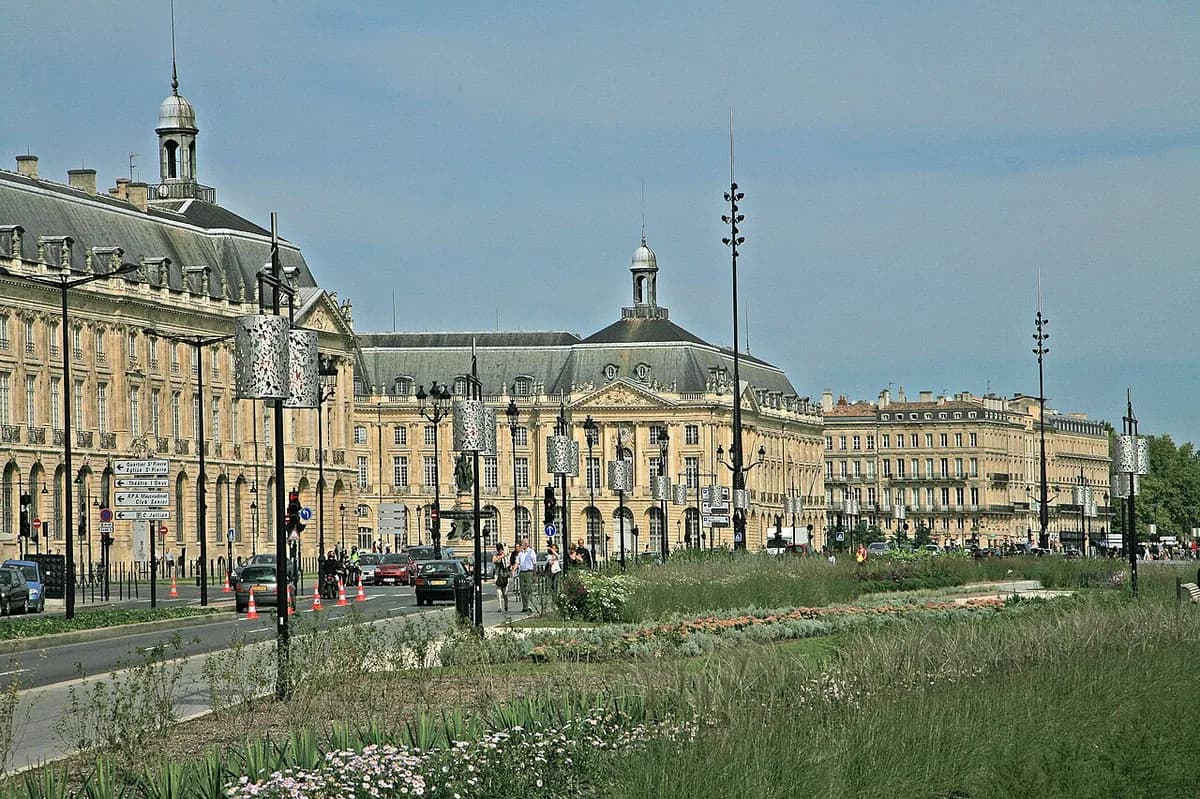
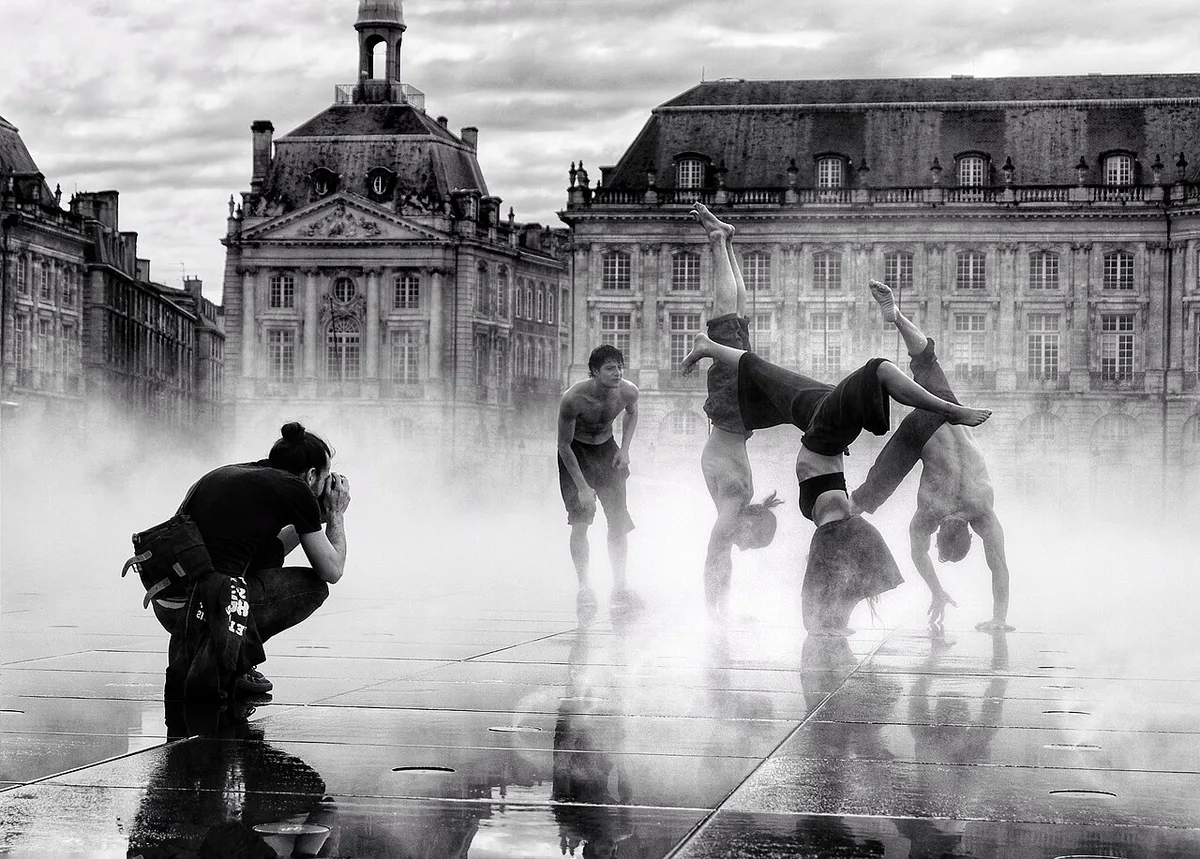
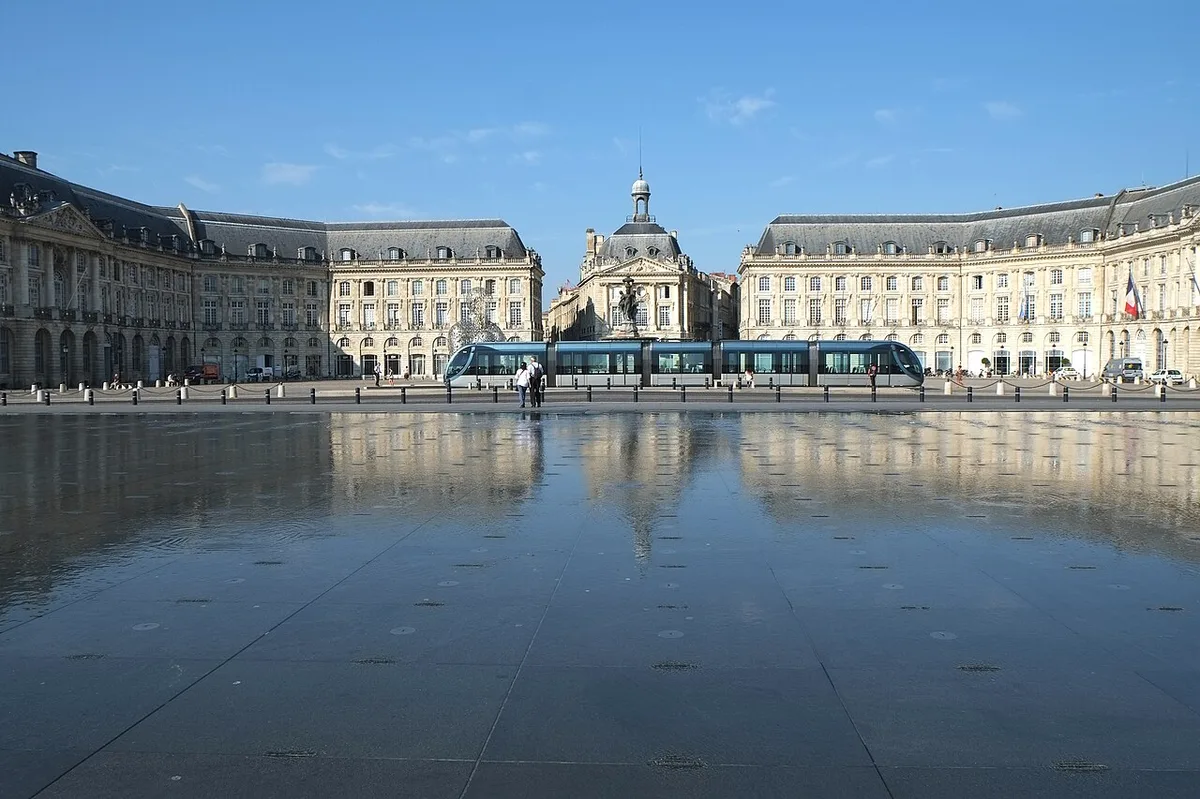
Bordeaux's UNESCO-listed 18th-century centre — the so-called Port of the Moon, named for the crescent bend of the Garonne — provides the setting for everything that follows. The Miroir d'eau reflecting pool in front of the Place de la Bourse is one of the largest water mirrors in the world and doubles as a natural stage during festivals; La Cité du Vin, the immersive wine museum near the river, anchors the cultural calendar year-round; and the tram network that runs from the Gare Saint-Jean across the historic centre to the quays makes it easy to move between venues without a car. The vineyards of the Médoc and Saint-Émilion begin less than an hour away by train, which means the city's festivals exist within a landscape that produced the wine being poured at them.
This guide maps Bordeaux's 2026 festival calendar from spring through winter — from the open-air dining of Les Épicuriales in May through to the gastronomic celebration of Bordeaux SO Good in November. The flagship event, Bordeaux Fête le Vin, falls in late June this year, making 2026 a particularly strong year to plan a visit around the wine festival. The sections below cover each event with practical information on timing, ticketing, and what to expect on the ground.
Free guide: Europe's Festival Calendar
A month-by-month map of Europe's unmissable festivals — with the best dates to visit each and a local tip you won't find in the guidebooks.
Bordeaux Festival Calendar 2026 at a Glance
This is how I map the year when friends ask me when to come — each festival has its own character, and taken together they make Bordeaux one of the most reliably rewarding European cities across every season.
| Festival | When (2026) | Where | Good to know |
|---|---|---|---|
| Les Épicuriales | Late May – early June (ten days) | Allées de Tourny | Open-air dining village; entry to the Allées is free, food and wine paid separately at each stand |
| Bordeaux Fête le Vin | Late June (four days) | Quai des Chartrons & Place des Quinconces | Biennial, even years only; pass dégustation grants a branded glass and tasting coupons across appellation pavilions; tall ships moored on the Garonne |
| Bordeaux Open Air | Summer months | Garonne riverfront, Parc Bordelais, La Cité du Vin esplanade | Free outdoor electronic music across multiple venues; daytime sets are ticketless and family-friendly |
| FAB — Festival International des Arts de Bordeaux Métropole | First half of October | Grand Théâtre, CAPC Museum of Contemporary Art, outdoor metropolitan sites | Performing and visual arts; some outdoor events free; ticketed shows via the FAB box office, typically sell out quickly once booking opens |
| Bordeaux SO Good | November | City centre | Annual gastronomy festival (runs every year, unlike the biennial Fête le Vin); chefs, winemakers, and producers from across Nouvelle-Aquitaine |
| Fête le Fleuve | Odd years only — next: 2027 | Garonne riverfront | The river festival that alternates with Fête le Vin; not in the 2026 calendar |
Why Bordeaux for Festivals?
Bordeaux is easy to underestimate. Until the mid-2000s it was a slow city of elegant, slightly faded facades — beautiful in a melancholy way but not particularly animated. The arrival of the high-speed rail connection from Paris (now just over two hours on the TGV), the transformation of the riverfront quays, and the opening of La Cité du Vin in 2016 changed the energy entirely. The city is now one of France's most visited outside the capital, and its cultural calendar has expanded to match.
The festivals that have grown up here reflect Bordeaux's actual identity rather than a tourist-board fantasy of what the city should be: wine, obviously, but also performing arts staged in Baroque courtyards, electronic music in the public gardens, gastronomy rooted in the produce of south-west France, and a river wide enough to stage something genuinely spectacular. The Garonne frontage — the kilometres of limestone quays stretching from the Chartrons district north to the Place des Quinconces — functions as the city's natural outdoor stage, and the best Bordeaux festivals understand this. They face outward, onto the water, in a way that indoor events rarely replicate.
Practically, Bordeaux is one of the most visitor-friendly French cities to navigate during a festival. The tram network covers the main venues, the historic centre is walkable end to end in under 30 minutes, and the concentration of wine bars and restaurants in the Chartrons and Saint-Pierre quarters means that the festival meal — the essential companion to any programme — is almost never a disappointment.
Bordeaux Fête le Vin 2026: The Flagship Wine Festival
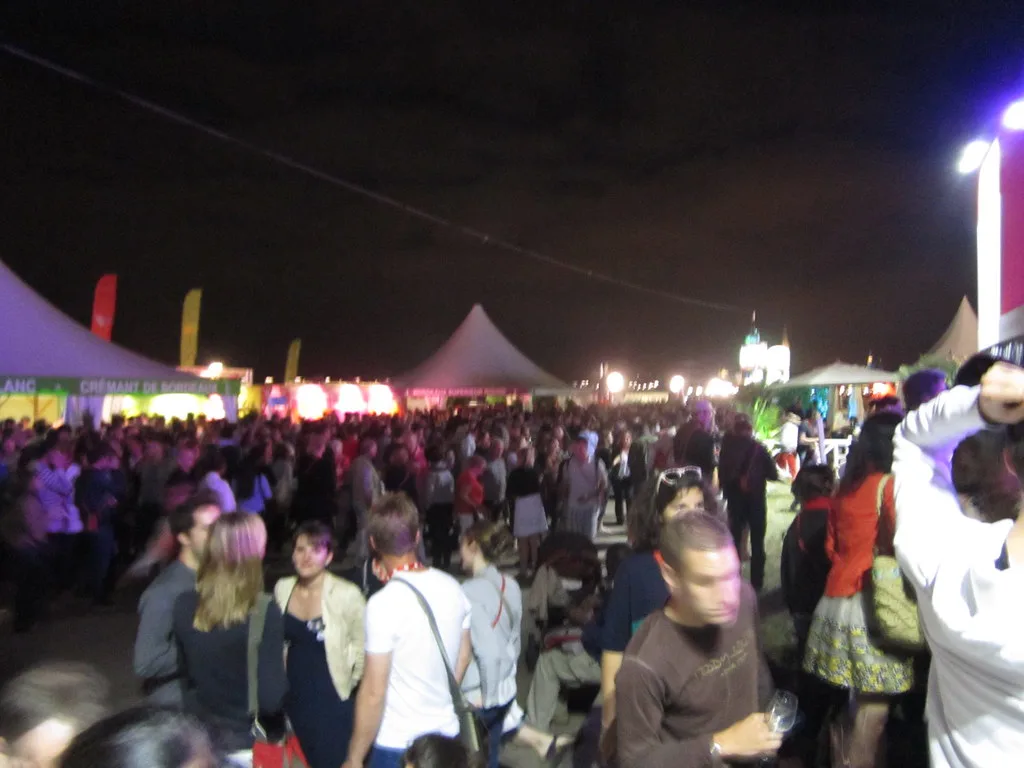
Bordeaux Fête le Vin is one of the great European festival events: a four-day celebration of the wines of Bordeaux held biennially in even-numbered years along the Garonne riverfront quays. In 2026, the festival returns to the Quai des Chartrons and the Place des Quinconces, transforming approximately two kilometres of riverfront into an open-air wine exposition. For the specific 2026 dates and the official programme as it is confirmed, the Bordeaux Wine Festival dates guide is updated each season as announcements are made.
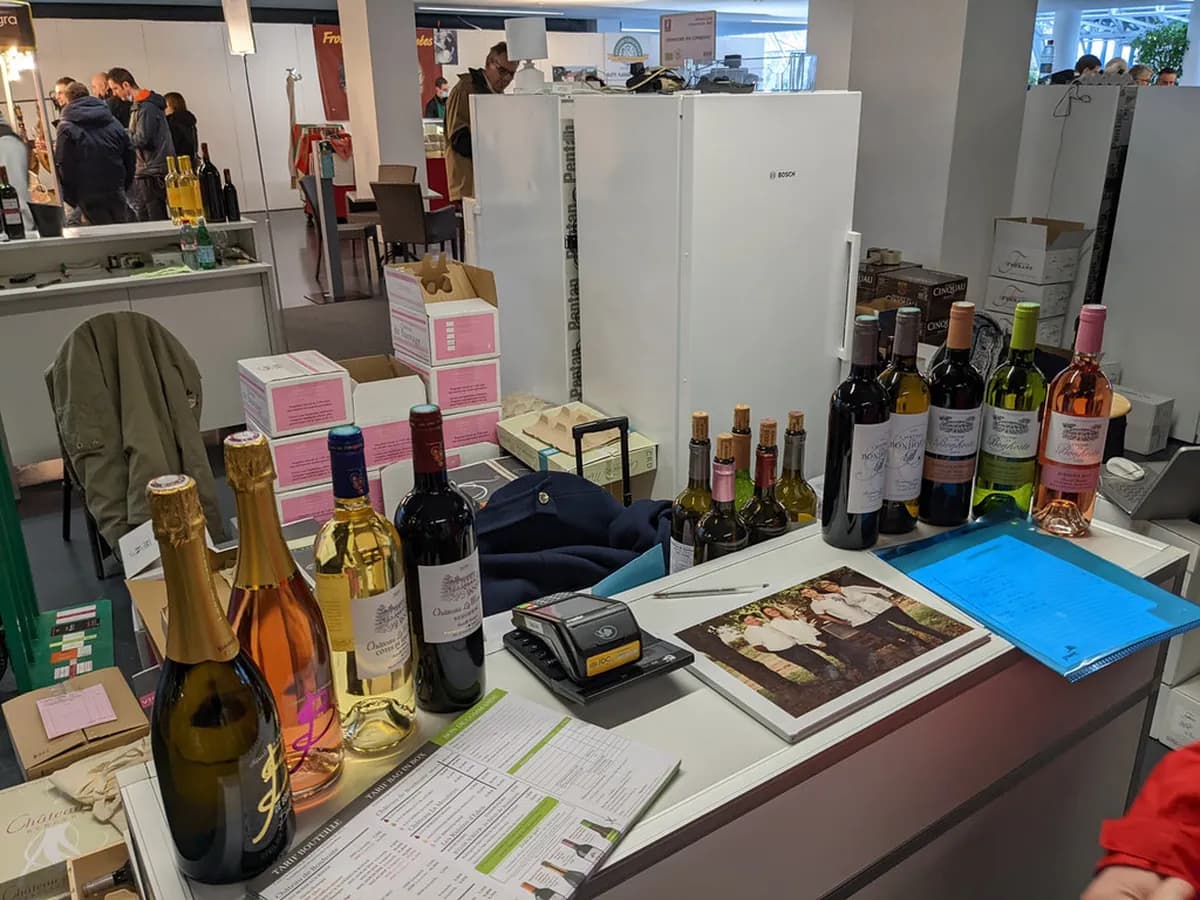
The centrepiece of the festival experience is the pass dégustation — the tasting pass — which provides a Bordeaux-branded glass and a book of coupons redeemable at the chateau and négociant pavilions lining the quays. Each pavilion represents one of the Bordeaux appellations: Saint-Émilion, Pauillac, Sauternes, Pessac-Léognan, Fronsac, and dozens more. The pavilions are staffed by winemakers and estate managers who pour and discuss their wines rather than leaving visitors to taste in silence, which gives the event a character closer to a producer market than a commercial tasting fair. Alongside the pavilion programme, the festival brings a tall ships gathering to the Garonne — historic sailing vessels moored along the quays provide a theatrical backdrop that no land-based festival can replicate — and evening concerts on the waterfront stages run until late.
For a full breakdown of how the tasting pass works, what to expect at each appellation pavilion, and how to book guided experiences, see the dedicated Bordeaux Wine Festival tickets and tours guide.
Spring: Les Épicuriales and the City in Bloom
Les Épicuriales is Bordeaux's late-spring open-air dining event, typically held across ten days in late May or early June on the Allées de Tourny — the broad, plane-tree-lined avenue running through the heart of the city centre. The format is a temporary outdoor restaurant village: Bordeaux's leading chefs and restaurateurs set up stands, tables, and kitchen stations in the open air, serving the produce of south-west France alongside wines from the region's appellations. Expect duck confit, oysters from Arcachon Bay, lamb from the Pauillac estates, Pyrénées cheeses, and Sauternes alongside the drier appellations.
The event is distinctly local in character. The Allées de Tourny is a working civic space rather than a tourist corridor, and the combination of dappled plane-tree shade, Haussmann-era facades, and the smell of cooking fat on an early-summer evening gives it an atmosphere that purpose-built food festivals rarely achieve. Seating is walk-up or bookable in advance depending on the stall; crowds are manageable on weekday evenings and busy at weekends. Entry to the Allées is free; food and wine are paid separately at each stand.
Timing Les Épicuriales with late May also coincides with the onset of the outdoor terrace season in Bordeaux's wine bars — particularly around the Chartrons district, where the former négociant warehouses have been converted into a string of wine shops, bars, and restaurants with river-view seating. It is, without much competition, the most pleasant fortnight of the year to be in the city.
Summer: Bordeaux Open Air and the River Season
Bordeaux Open Air runs across the summer months, bringing free outdoor electronic music events to the city's parks and riverfront spaces. The programme is distributed across multiple neighbourhoods rather than concentrated in a single venue: the Garonne riverfront, the Parc Bordelais in the west of the city, and the esplanade in front of La Cité du Vin have all hosted editions in recent years. The events are ticketless and family-friendly during the daytime portions, with later sets running under a more club-oriented format as the evening progresses.
The broader summer calendar fills out with smaller neighbourhood festivals, outdoor cinema screenings along the riverfront, and touring performances in the city's historic courtyards and church spaces. July and August bring the tourist peak, which means busy conditions in the city but shorter queues at the vineyards on day trips. The tram network operates extended hours during summer events, and the Garonne quays — well-lit and active until late — make evening navigation straightforward on foot.
- Bordeaux Open Air — free outdoor electronic music across multiple venues, summer months
- Outdoor cinema — riverfront screenings, July and August
- Neighbourhood fêtes — decentralised street festivals across the city's quartiers
- La Cité du Vin — rotating wine exhibitions and river-view tasting sessions year-round
Autumn: FAB Festival and Bordeaux SO Good
Autumn brings the Festival International des Arts de Bordeaux Métropole — known as FAB — to the city and its surrounding metropolitan area, typically across the first half of October. FAB is a performing and visual arts festival that uses the architectural and public spaces of Bordeaux as its stage: the Grand Théâtre, the CAPC Museum of Contemporary Art housed in a former colonial warehouse on the Chartrons riverfront, and outdoor sites across the metropolitan boroughs all feature in the programme. The emphasis is on work that responds to its environment, which means the festival's outdoor and site-specific pieces are consistently more compelling than the indoor headline shows. Some outdoor events are free; ticketed shows are available through the FAB box office, typically several months in advance.
Bordeaux SO Good arrives in November, recentring the city's attention on the food and wine of south-west France ahead of the festive season. The festival draws chefs, winemakers, and producers from across Nouvelle-Aquitaine for a programme of dinners, masterclasses, and a public market in the city centre. Unlike the biennial Fête le Vin, Bordeaux SO Good runs annually, making it the most reliable autumn reason to visit if your interest sits at the intersection of cooking and wine. For context on how this positions Bordeaux relative to other French and European food and wine events, the best wine festivals in Europe guide covers the full landscape.
Getting Around Bordeaux and Vineyard Day Trips
Bordeaux's tram network — three lines covering the city centre, the riverside, and the main residential districts — is the primary tool for navigating between festival venues. A single tram ticket costs around €1.70 and covers all lines within the city boundary; 24-hour and 48-hour passes are available and worth buying for multi-day festival visits. The Gare Saint-Jean sits on the C line, connecting the main arrival hub directly to the city centre and the Chartrons district in under 15 minutes. The Saint-André Cathedral and the Place de la Bourse are both within easy walking distance of the central tram stops.
The vineyards that give Bordeaux its identity are genuinely accessible as day trips. Saint-Émilion is 35 minutes by regional train from Gare Saint-Jean; its UNESCO-listed medieval centre and surrounding merlot-dominated estates are worth a full day, and are particularly atmospheric during the grape harvest in September and October. The Médoc is less easily reached independently — most visitors join a guided half-day excursion departing from Bordeaux city centre, which typically covers the Route des Châteaux through Pauillac, Saint-Julien, and Margaux. Arcachon Bay, with its oyster shacks and the Dune du Pilat, is 45 minutes by regional train and makes an excellent non-wine alternative to a vineyard day.
- Tram lines A, B, C — connect Gare Saint-Jean to the city centre and the Garonne quays
- Saint-Émilion by regional train — 35 minutes from Gare Saint-Jean, walkable from station
- Guided Médoc excursions — half-day or full-day, depart from Bordeaux city centre
- Arcachon Bay — 45 minutes by regional train; oysters, pine forests, and the Dune du Pilat
Frequently Asked Questions
When is Bordeaux Fête le Vin 2026?
Bordeaux Fête le Vin is a biennial event held in even-numbered years, which means it returns in 2026. The festival typically takes place over four days in late June along the Garonne riverfront quays — the Quai des Chartrons to the Place des Quinconces. Exact 2026 dates will be confirmed by the official organisers; check the Bordeaux Wine Festival dates page for the latest announcement as it is released.
What is the Bordeaux Wine Festival tasting pass?
The pass dégustation (tasting pass) is the main festival access tool: it provides a Bordeaux-branded glass and a book of tasting coupons redeemable at the chateau and négociant pavilions along the quays. Each pavilion represents a Bordeaux appellation — Saint-Émilion, Pauillac, Sauternes, and others — and is staffed by producers who pour and discuss the wines. Passes are sold online in advance and at the festival gates; weekend sessions sell out early. The tasting-pass format, pricing, and booking process are covered in full in the Bordeaux Wine Festival tickets and tours guide.
Is Bordeaux worth visiting outside the Wine Festival?
Yes. Bordeaux rewards visitors in every season. The city's UNESCO-listed 18th-century centre, the Miroir d'eau at the Place de la Bourse, La Cité du Vin wine museum, and the regenerated Chartrons and Saint-Pierre quarters provide a strong base itinerary at any time of year. Les Épicuriales in May, Bordeaux Open Air across the summer, FAB in October, and Bordeaux SO Good in November all offer distinct reasons to visit outside the biennial wine festival. The city is just over two hours from Paris by TGV and well connected to London by Eurostar and TGV combination.
What is Bordeaux SO Good?
Bordeaux SO Good is an annual gastronomy festival held in November, celebrating the food and wine of south-west France and the broader Nouvelle-Aquitaine region. Chefs, winemakers, and producers from across the region participate in a programme of ticketed dinners, masterclasses, and a public market in the city centre. Unlike the biennial Fête le Vin, SO Good runs every year, making it the most reliable autumn reason to visit Bordeaux for food and wine enthusiasts.
How do I get from Bordeaux to Saint-Émilion and the Médoc vineyards?
Saint-Émilion is 35 minutes by regional train from Bordeaux's Gare Saint-Jean station — trains run several times daily and the village is walkable from the station. The Médoc is less easily reached independently; most visitors join a guided half-day or full-day excursion from Bordeaux city centre that covers the Route des Châteaux through Pauillac, Saint-Julien, and Margaux. Arcachon Bay, with its oyster stalls and the Dune du Pilat, is 45 minutes by regional train from Gare Saint-Jean and makes an excellent one-day alternative to a vineyard visit.
Related: Festivals and Events in Paris 2026 — The Complete Calendar.
Bordeaux has a festival year built around things it actually does well: wine from the appellation-mapped hillsides that begin at the city's edge; food rooted in the duck farms, oyster beds, and lamb pastures of Nouvelle-Aquitaine; performing arts staged in a city whose 18th-century architecture is, in the right light, its own kind of installation. Fête le Vin in 2026 is the flagship event of the year — the biennial nature of it concentrates anticipation in a way that annual events rarely manage — but the year around it is more complete than most visitors realise before they arrive.
For first-timers, late June 2026 is the obvious entry point: the Wine Festival plus the long summer evening light on the Garonne quays and a day trip to Saint-Émilion is a three-day itinerary that requires almost no compromise. Return visitors will find more to like in the shoulder seasons — May's Les Épicuriales on the Allées de Tourny, October's FAB festival in the city's courtyards and museums, November's SO Good dinners before the Christmas decorations go up. Bordeaux is one of those cities where having a reason to return is never the problem; finding the time usually is.
Free guide: Europe's Festival Calendar
A month-by-month map of Europe's unmissable festivals — with the best dates to visit each and a local tip you won't find in the guidebooks.
You might also like
Continue reading
More guides you'll find useful