
11 Best Places to Visit in Europe in April (2026)
Discover the best of europe in april with our expert guide to weather, crowds, and top destinations from Seville to Budapest. Plan your spring escape now.
On this page
11 Best Places to Visit in Europe in April (2026)
Our editorial team has tracked European travel trends for years to find the perfect spring balance. Last updated in June 2026, we have identified the top spots where flowers bloom and crowds remain thin. April serves as the ultimate shoulder season, offering a sweet spot between winter chills and summer heat. We believe this month provides the best value for travelers seeking authentic local experiences.
Planning a trip during this transitional period requires a bit of strategic thinking regarding the weather. While the south begins to sizzle, northern cities often experience a mix of sunshine and sudden showers. You might find yourself in T-shirt weather one afternoon and reaching for a jacket the next morning. Check our guide to Europe in March if you want to compare early spring options.
Free guide: Europe's Festival Calendar
A month-by-month map of Europe's unmissable festivals — with the best dates to visit each and a local tip you won't find in the guidebooks.
Why April Is One of the Best Times to Visit Europe
April is genuinely the first month of the year when you can travel almost anywhere in Europe without weather working against you. Flight cancellations from winter storms are behind you, and the brutal summer heat has not arrived. In most destinations, daytime temperatures are already comfortable for long city walks, outdoor dining, and light day trips. That combination of good light, mild air, and manageable crowds is hard to replicate in any other month.
Accommodation prices are rising but have not hit peak summer rates yet. Car rentals can be remarkably cheap — travelers have reported paying as little as €20 for a four-day hire in destinations like Portugal and Sicily through comparison platforms booked a few weeks in advance. A guesthouse near a metro station typically comes in under €70 per night in cities that would charge double by July. These pricing windows close fast, so booking two to four weeks ahead captures most of the savings.
Spring festivals bring a unique energy to the continent that you simply cannot find in winter. From tulip fields in the Netherlands to religious processions in Spain, the cultural calendar is especially dense. You can find specific dates in our European festival calendar. These events offer a deep connection to local traditions before the main tourist season crowds them out.
Europe in April Weather
The weather in Europe during April varies wildly by region and can shift within a single day. Southern countries like Greece, Spain, and Portugal typically see temperatures between 15°C and 22°C (59°F–72°F), which is warm enough for comfortable outdoor exploration but rarely hot enough to feel oppressive. Northern cities like Berlin, Amsterdam, or Edinburgh struggle to reach 12°C (54°F) on overcast days, and rain is a reliable companion throughout. The Canary Islands and Malta are the outliers: both offer temperatures closer to 20°C and more consistent sun.
The most important packing principle for April is layers. A light down jacket or quality trench coat handles morning chills and unexpected evening drops. A compact waterproof umbrella earns its place in any bag, as spring showers appear without warning across the continent. Water-resistant walking shoes matter more than people expect — cobblestone streets in Lisbon or Dubrovnik become slippery when wet.
Daylight is increasing rapidly, which works in your favor for planning. By late April, many western European cities see sunset around 20:00 or later, giving you extra hours for outdoor sights without feeling rushed. Eastern Europe and the Balkans also gain substantial light by mid-month. One practical note: cold mornings drain smartphone batteries faster than expected, so a portable power bank is worth packing for full-day outings.
Best Places in Europe in April for Warm Weather
If reliable warmth is the priority, the Algarve in southern Portugal is one of the best choices on the continent. Situated about three hours south of Lisbon, it is widely regarded as the sunniest region in Europe and averages 60–70°F in April. The coastal hiking trails are at peak condition before summer crowds arrive, and famous beaches like Praia da Marinha and Praia do Camilo feel almost private. The ocean is still too cold for swimming by most standards, but lounging, boat trips into the Benagil Cave, and long clifftop walks are all excellent.
Crete and the Greek islands offer similar warmth in the southeastern Mediterranean. Crete is one of the most southerly points in Europe, with wildflowers covering hillsides in April and the Palace of Knossos charging €15 for entry. The Cycladic islands — Mykonos, Paros, and Naxos — begin opening their tourist season during this month. Infrastructure is not fully operational yet, but crowds are thin and accommodation is significantly cheaper than in summer. The Samaria Gorge on Crete often opens in late April, but always verify the official status before planning a hike.
Malta is another strong contender for warm-weather seekers in April. Located south of Sicily, the archipelago gets over 300 days of sunshine annually. The Malta International Fireworks Festival lights up the Grand Harbour for seven consecutive nights in April — a spectacle that draws visitors specifically for the event. Flying is the easiest entry, or you can take a 1 hour 45-minute speed ferry from Sicily if you are already in southern Italy.
Best Places in Europe in April for Festivals and Unique Experiences
Seville in southern Spain is the undisputed highlight of the European festival calendar in April. The city hosts two of the continent's most spectacular events back to back. Semana Santa — Holy Week — fills the streets with candlelit processions carrying centuries-old religious floats in an atmosphere unlike anything else in Europe. Two weeks after Easter comes Feria de Abril, a week-long celebration where the city dresses in traditional flamenco, sets up hundreds of casetas (private marquees), and dances sevillanas into the early hours. Temperatures hover around the low-to-mid 20s Celsius, making it ideal for spending long days outdoors.
Amsterdam offers a completely different but equally spectacular event on 27 April: King's Day. The entire city turns orange as residents flood the streets and canals for a massive open-air market and outdoor party. Add to that the peak of tulip season — Keukenhof Gardens opens only for a few months and April is the prime window, with millions of bulbs in full bloom for €20–€25 per adult. The Rijksmuseum and Van Gogh Museum are both more manageable in April than in summer, making this a well-rounded city break with a festival anchor.
For a more off-beat experience, Greek Orthodox Easter — the most significant religious event in Greece — typically falls in April and produces extraordinary celebrations on the islands. On Koufonisia in the Little Cyclades, the evening begins with a torch-lit procession and culminates in fireworks over the water. The island is small and remote enough that you share the experience with locals rather than tourists, which is rare during any religious festival in Europe.
Best Places in Europe in April for City Breaks
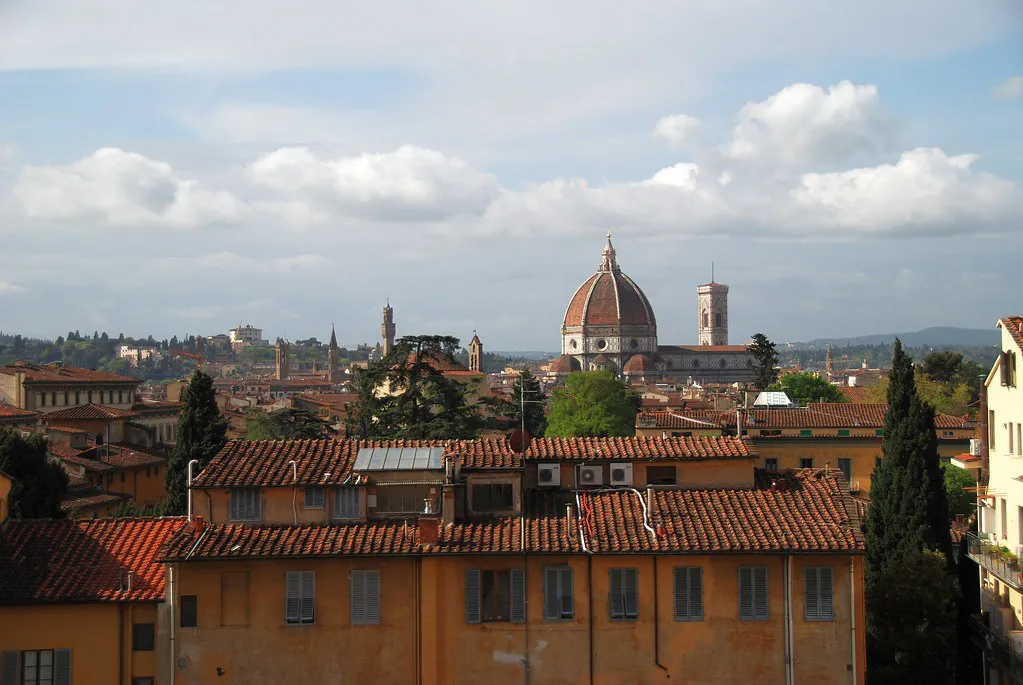
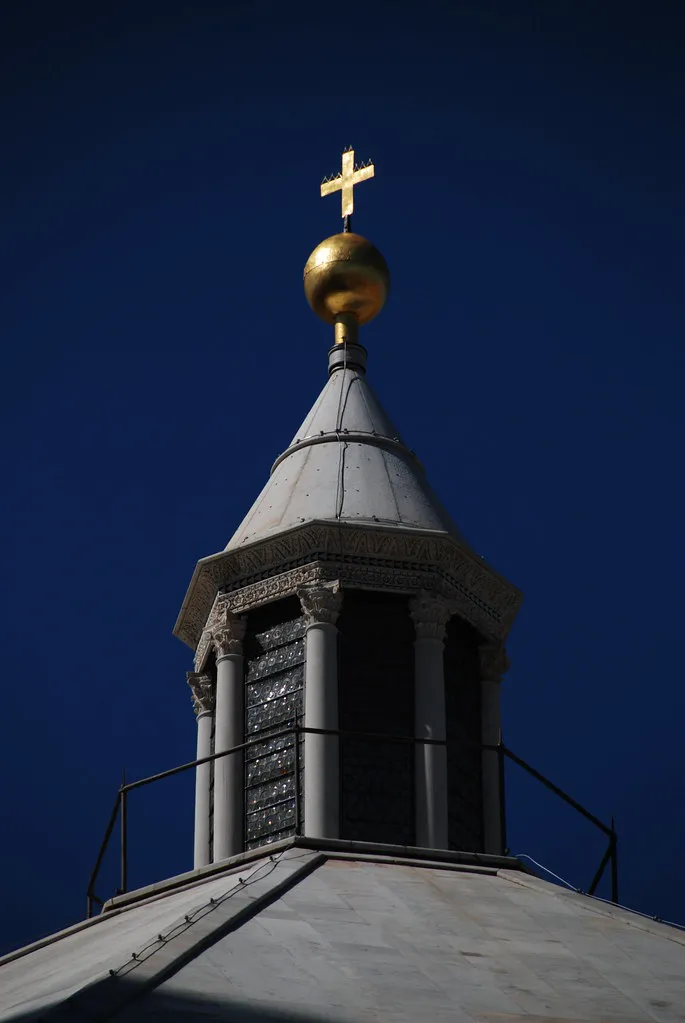
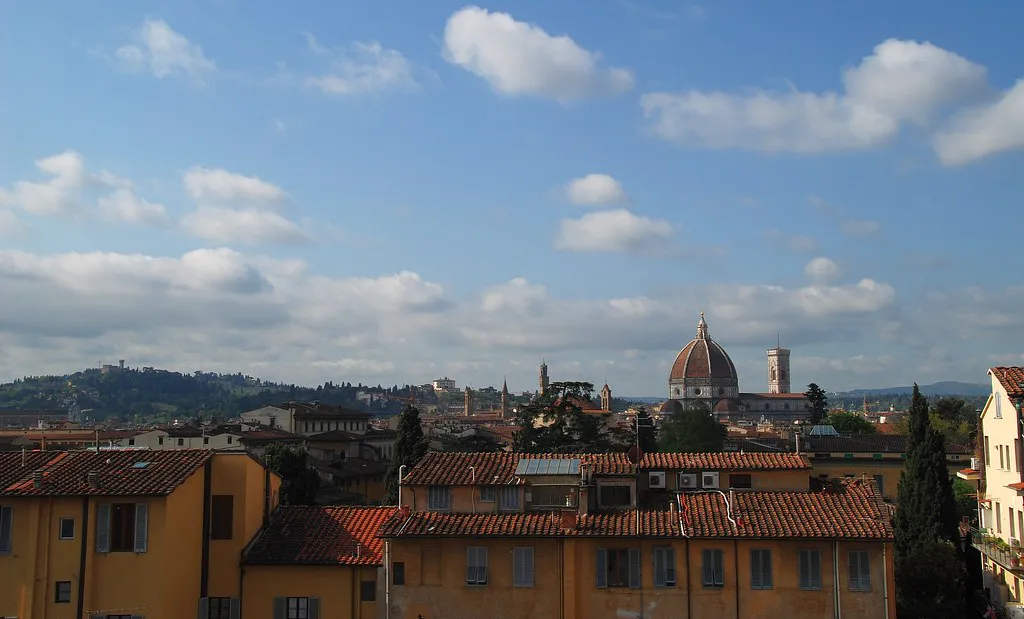
Florence remains one of the strongest April city breaks in Europe. Spring light on the marble cathedrals and the Arno river creates the kind of atmosphere that photographs struggle to capture. The Uffizi Gallery charges roughly €25 and operates Tuesday through Sunday from 8:15 to 18:30. We suggest basing yourself in the Oltrarno district for a quieter, more local experience away from the main tourist flow. Many smaller boutiques and family-run trattorias may close for a few hours in the afternoon, so planning around the riposo rhythm makes days run smoother.
Lisbon in April combines the city's signature blue sky days with azulejo-tiled facades and outdoor miradouros that feel genuinely alive. Entry to the Jerónimos Monastery runs €10–€12, with hours typically 10:00 to 17:00. The city's steep hills reward walkers who wear comfortable shoes, and the tram network fills the gaps. For a cheaper and faster pastry than the famous Belém shop, Manteigaria in Chiado serves arguably the best pastel de nata in the city at a fraction of the queue time.
Dubrovnik in Croatia offers iconic Adriatic views without summer humidity and crowds. Walking the full circuit of the city walls costs about €35, with gates open 8:00–18:00. April temperatures are mild enough for exploring the Old Town comfortably, though the Adriatic is typically too cold for swimming. Arriving at the walls at opening time gives you the narrow stone paths almost entirely to yourself, which is simply not possible in July or August. Split, further along the coast, is also excellent in April: Diocletian's Palace is among the best-preserved Roman ruins in Europe, and Split International Airport is just 30 minutes from the city center.
Best Places in Europe in April on a Budget
Eastern Europe consistently offers the best value for travelers watching their spending in April. Warsaw and Krakow in Poland are both significantly cheaper than western capitals for dining, accommodation, and transport. A central guesthouse in Poland or Hungary often comes in well under €70 per night, and the local milk bar (bar mleczny) tradition in Poland means a full hot meal for under €5. Prague and Budapest have both become more expensive in recent years, but remain dramatically cheaper than Paris, Amsterdam, or London for equivalent quality.
Porto in Portugal sits in a different affordability bracket but still punches well above its price point for western Europe. Car rentals from comparison platforms around Porto and Lisbon drop sharply in April before the summer surge — a four-day hire from a reputable company through a booking aggregator has come in as low as €20 for travelers who planned a few weeks ahead. This makes a Portuguese road trip viable on a tight budget, opening up the historic towns of Sintra, Obidos, and the Douro Valley that trains cannot easily reach.
Bologna in Italy is consistently underrated for budget travelers interested in quality food and culture. It is less crowded than Florence or Rome, which keeps accommodation and restaurant prices lower. Food tours through the Quadrilatero market district run €20–€50 per person and the markets themselves open from 7:00. Climbing the Asinelli Tower costs only a few euros and delivers rooftop views over the red terracotta cityscape that justify the effort.
Eastern Europe in April: The Overlooked Spring Option
Most destination roundups for April lean heavily toward the western Mediterranean and undercount what eastern Europe offers during the same window. Budapest is one of the strongest cases: the Danube riverfront comes alive in spring with outdoor kiosks and a Spring Fair in Vörösmarty Square that runs through April, offering local crafts and traditional chimney cakes. A day pass to the Széchenyi Thermal Baths costs €25–€35 and they open at 9:00. The M1 yellow metro line, one of the oldest underground railways in continental Europe, connects most major sights for a few euros per ride.
Ljubljana in Slovenia is a compelling detour for travelers who want a compact, walkable city with strong natural surroundings. The car-free center and riverside cafe culture feel genuinely relaxed rather than tourist-built. The Ljubljana Castle funicular costs €12–€16 with entry, gates open daily 10:00–20:00. Slovenia's real advantage for April road-trippers is its size: you can cross the entire country in under 90 minutes by car, which makes spontaneous side trips to Lake Bled or the Soča Valley practical add-ons rather than ambitious detours.
Athens rounds out the eastern Mediterranean case. Climbing to the Parthenon is considerably more pleasant in the mild April breeze than in the summer heat that hits 35°C or above. The Acropolis charges €20 in spring and opens 8:00–20:00. The Plaka neighborhood below works well for outdoor evening dining as temperatures remain comfortable after sunset. A visit at 17:00 lets you catch the golden-hour light on the ancient marble, which remains one of the most rewarding free visual experiences in Europe regardless of the season.
April in Europe: Practical Planning Tips
Easter timing significantly affects prices and crowds across the continent, and the date shifts each year. School holidays in France, Germany, and the UK can fall anywhere from late March to late April, and destinations like Dubrovnik, Amsterdam, and Florence feel the surge during those weeks. Checking the specific school holiday calendar for the countries your trip overlaps with — not just the Easter date itself — helps identify the quieter windows within the month.
Advance booking matters more in April than many travelers expect, particularly for high-demand experiences. Alhambra tickets in Granada, especially for the Nasrid Palaces, sell out weeks before the visit date; the official Alhambra ticket site is the only secure purchase channel. Similarly, Keukenhof Gardens in the Netherlands operates on timed entry and fills quickly on sunny weekends. The Uffizi and Acropolis can be booked online a few days ahead, which is usually sufficient outside of Easter week.
For travelers considering a road trip component, April is one of the best windows in the year. Mountain passes in Slovenia and the Balkans are opening up as winter snow melts, and traffic is light compared to summer. Check trail and pass conditions with local tourism authorities before committing to high-altitude routes, as some remain closed until May. We also recommend checking our guide to Europe in May if your schedule runs into the following month, as many of these destinations transition quickly into their busy season by mid-May.
Frequently Asked Questions
Is it a good time to visit Europe in April?
Yes, April is an excellent time for those seeking lower prices and manageable crowds. You will enjoy blooming gardens and mild temperatures in the south, though northern regions remain quite cool. It is the perfect balance for city sightseeing.
Where is it warmest in Europe in April?
Southern Spain, Greece, and the Canary Islands offer the most reliable warmth in April. Temperatures in Seville or Crete often reach the low 20s Celsius. These regions provide the best chance for sunny outdoor dining.
Is Europe expensive in April?
April is generally much cheaper than the summer months for both flights and hotels. However, prices can spike during the Easter holiday week when locals also travel. We recommend booking well in advance to secure the best rates.
Visiting Europe for more than one festival? See our complete guide to festivals and events in Europe.
Europe in April is a season of transformation that rewards travelers who value authenticity over perfect weather. By matching your destination to your priorities — whether that is warmth, festivals, city culture, or budget — you can experience the continent's best without the summer stress. The weather window, the pricing, and the cultural calendar all align in April in a way that no other month quite replicates.
Whether you are heading to the tulip fields or the ancient ruins, April is waiting to be explored. Safe travels as you discover the beauty of Europe in bloom.
Free guide: Europe's Festival Calendar
A month-by-month map of Europe's unmissable festivals — with the best dates to visit each and a local tip you won't find in the guidebooks.
You might also like



Continue reading
More guides you'll find useful


