What Is Las Fallas And Why Are They Burned Travel Guide
Discover what Las Fallas are and why they are burned every March in Valencia, Spain — with timing tips, must-see events, and practical trip-planning advice.
On this page
What Is Las Fallas And Why Are They Burned
Every March, the streets of Valencia erupt in fire, smoke, and thunderous noise for one of Europe's most extraordinary festivals. Las Fallas is a week-long celebration of art, community, and controlled chaos that fills the city with giant satirical sculptures before burning them all to the ground. Understanding what Las Fallas are — and why they are burned — is the key to appreciating why Las Fallas holds UNESCO Intangible Cultural Heritage status and draws visitors from across the globe. This guide covers the history, the spectacle, and everything you need to plan a memorable trip.
Free guide: Europe's Festival Calendar
A month-by-month map of Europe's unmissable festivals — with the best dates to visit each and a local tip you won't find in the guidebooks.
What Is Las Fallas? Origins and History
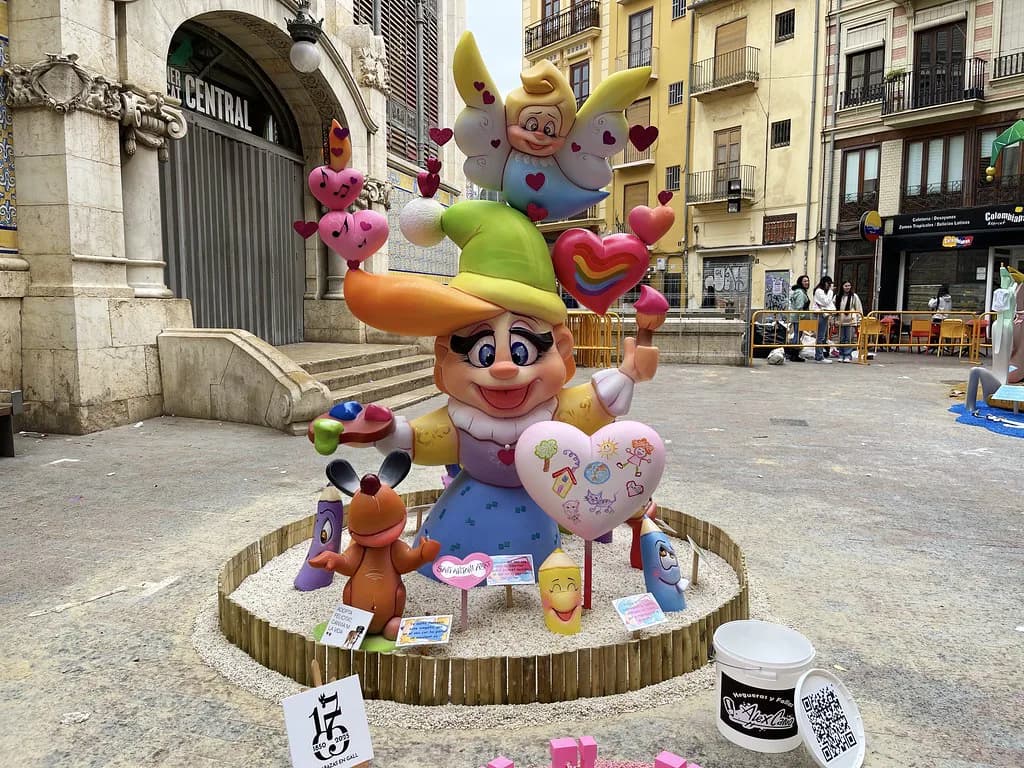
The word fallas (singular: falla) derives from the Latin facula, meaning torch — a fitting root for a festival built almost entirely around fire. The fallas themselves are the towering, elaborately crafted sculptures installed throughout Valencia's neighbourhoods each March. These structures are known as ninots when referring to individual figures, and they are made by teams of local artisans who spend the entire year designing and building them. Modern fallas can reach several storeys high and are constructed from painted polystyrene and fibreglass, though earlier versions used wood, straw, and wax-headed figures.
The festival's roots trace back to the 1700s, when Valencian carpenters cleared out their workshops at the end of winter by hauling old timber and scraps into the street and setting them alight. Over time, those bonfires became more elaborate, with wooden figures placed on top to mock neighbours, politicians, and public figures. That tradition of satirical commentary is still very much alive: each year, the ninots poke fun at celebrities, political scandals, and social issues, and nothing is considered off limits.
Today, each neighbourhood forms a community group called the Falleros, who meet at their local clubhouse — the Casal Faller — to coordinate the design, funding, and construction of their falla. Community workdays and shared meals build up through the months before the festival, making Las Fallas as much a year-round neighbourhood institution as a single week of spectacle. The festival officially runs from around March 15 to 19, culminating on the feast day of Saint Joseph (Sant Josep), the patron saint of carpenters — the link that explains why fire and carpentry waste remain central to the celebration.
Why Are the Fallas Burned?
The burning — called La Cremà — takes place on the night of March 19, and it is the emotional and symbolic heart of the entire festival. Valencians believe that setting the fallas alight releases the satirical burden carried by the figures throughout the year, purging criticism and frustration in a shared, cathartic act. The fire also symbolises the end of winter and the welcoming of spring, a ritual of renewal that has changed little in centuries.

Not every ninot is burned, however — and this is where the festival gets especially interesting. Each year, the public votes to spare one ninot from each falla, and these lucky figures are preserved in the Fallas Museum for permanent display. The first ninot to be spared was saved in 1934, and the tradition of the vote has continued every year since.
When La Cremà finally begins, the largest fallas in the city centre are the last to be lit, usually after midnight. The heat from some of the tallest structures can be felt from a surprising distance, and the moment the flames consume months of careful artistry is both breathtaking and emotional. Laughter and tears are equally common among the Valencians who gather around the burning sculptures, and the mood shifts from festive chaos to something closer to reverence.
The Plantà: When the Sculptures Rise Overnight
One of the most underrated spectacles of Las Fallas is not the burning — it is the Plantà, the night when every falla is erected across the city simultaneously. Starting on the night of March 14 and running through the early hours of March 15, Falleros work through the night to assemble their enormous structures in neighbourhood squares and streets. By dawn, a city that looked completely ordinary the evening before is suddenly filled with hundreds of towering satirical monuments.
Walking the streets in the early morning of March 15 — before the tourist crowds arrive for the Mascleta — is one of the quietest and most striking experiences the festival offers. You can move freely between fallas, get close to the intricate painted details, and see the community pride on display without the afternoon crush. Most visitors focus their energy on the burning and miss this entirely. If you plan to be in Valencia for the full festival, set your alarm for 06:00 on March 15 and spend two hours walking before the city wakes up.
The Mascleta: Daytime Fireworks You Feel
If you only attend one event at Las Fallas, make it the Mascleta — a daytime pyrotechnic display unlike anything else in the world. Each afternoon at 14:00, the Fallera Mayor calls out from the balcony of Valencia's City Hall to signal the start of the show. Up to 7,000 flash salutes are strung on lines about two metres off the ground, all interconnected with quick fuse and ignited in escalating waves.
The display is not a visual spectacle — it happens in broad daylight against a blue sky — but a physical one, generating over 120 decibels of concussive sound and using more than 100 kilos of gunpowder. The climax of the sequence is known as the Terremoto, or earthquake, when the blasts reach their peak intensity and you can feel the pressure vibrating through your chest. Bring earplugs if you are sensitive to noise, and expect the crowd to press tightly together as the show builds.
The Mascleta runs every day of the festival week, and later rounds tend to be more intense as the competing pyrotechnic teams push harder. Local spectators rarely use ear protection — they see that as a point of pride — but visitors with any hearing sensitivity should protect themselves without hesitation. Position yourself at a safe distance with a clear sightline to the Plaza del Ayuntamiento for the best experience without being in the thickest part of the crowd.
The Fire Parade and the Flower Offering
Two more processions define the middle days of Las Fallas. The Cavalcada del Foc (Fire Parade) is a prelude to La Cremà that many first-time visitors overlook entirely. In this parade, performers dressed as devils on stilts march down city streets wielding pitchforks that shoot flames, while firecrackers rain sparks onto the watching crowds. It is deliberately chaotic and loud — a visceral prologue to the burning that follows. Stand near the edge of the parade route and expect sparks to land close.
The Ofrenda de Flores (Flower Offering) offers a complete tonal contrast. Spanning two days, it sees more than 150,000 Valencians dressed in traditional fallera costumes march through the city to lay flowers at the feet of a 14-metre wooden scaffold representing the Virgin of the Forsaken. By the end of the parade, the entire structure is covered in fresh blooms, transforming the noisy, smoky festival into something serene and unexpectedly moving.
The Nit de Foc (Night of Fire), held on the evening of March 18, is the largest fireworks display of the festival and one of the most spectacular in Europe. More than 2,500 kilos of pyrotechnic material are launched over the city, and over a million spectators watch from bridges, rooftops, and the river park. Claim your spot on the San Vicente Bridge or along the Turia garden at least two hours before the show begins. There are also nightly castillos — fireworks displays — throughout the week, with the largest usually running past 01:00 on the final nights. The timing of each nightly show varies slightly by year, so check the official programme when you arrive in Valencia.
How to Plan Your Las Fallas Trip
Las Fallas is one of Spain's most attended festivals, and accommodation in Valencia books out months in advance for the March 15–19 window. Aim to arrive no later than March 15 to catch the Plantà and begin your festival week with a morning walk through the freshly erected fallas. Hotels within walking distance of the city centre will give you easy access to the Mascleta and the nightly installations without depending on public transport through the crowds.
While you are in Valencia, two local foods are essential. Agua de Valencia is a cocktail of cava, fresh-squeezed Valencian orange juice, vodka, and gin — a local institution. Authentic Valencian paella, which originated here, is made with rice, chicken, snails, green beans, fava beans, smoked paprika, saffron, and rosemary — nothing like the tourist versions found elsewhere. For paella in the city, La Riua on Calle del Mar is a long-standing family-run institution. For a countryside experience surrounded by rice fields, La Matandeta restaurant in Alfafar (Carretera Alfafar-El Saler, km 4) runs paella workshops and is worth the short taxi ride. The Russafa and El Carmen neighbourhoods offer the best mix of tapas bars and neighbourhood falla displays away from the busiest tourist zones.
Dress practically — comfortable shoes are essential for days of walking on cobblestones — and consider wearing the traditional blue-and-white Pannulo de Hierbas neck scarf that many Valencians don for the occasion. Firecrackers are set off by locals (including children) throughout the day and night across the city, so prepare for unexpected loud bangs well outside the official Mascleta zone. If you are travelling with young children or anyone with noise anxiety, focus your visit on the Ofrenda and the La Cremà neighbourhood burns rather than the central Mascleta.
- Quick Las Fallas planning checklist
- Book accommodation at least 3–4 months ahead for mid-March dates.
- Arrive by March 15 to walk the Plantà before the crowds gather.
- Attend the daily 14:00 Mascleta in the Plaza del Ayuntamiento.
- Secure a riverbank spot two hours early for the Nit de Foc on March 18.
- Pack earplugs and sturdy walking shoes for long festival days.
What to See in Valencia Beyond Las Fallas
Valencia rewards visitors who stay a day or two beyond the festival, especially if you have not explored the City of Arts and Sciences — a cluster of futuristic buildings designed by architect Santiago Calatrava. The complex includes the Oceanogràfic, home to more than 45,000 marine specimens across nine pavilions connected by over 70 metres of underwater tunnels, making it one of Europe's largest aquariums. Tickets for the Oceanogràfic sell out during festival week, so book online in advance or visit on a day when the Mascleta draws the crowds elsewhere.
The old city's El Carmen quarter offers a quieter counterpoint to the festival chaos, with medieval streets, independent galleries, and some of Valencia's best bars. Valencia's Mediterranean coastline is also worth a half-day trip: the city beach is just a short tram ride from the centre and is pleasant even in March. The Central Market — one of Europe's finest covered markets — is an excellent morning stop for fresh produce, local cheeses, and a first taste of Valencian horchata made from chufa nuts.
Frequently Asked Questions
What is the purpose of Las Fallas?
Las Fallas celebrates the end of winter and the feast of Saint Joseph, the patron saint of carpenters. The giant satirical sculptures mock public figures and social issues throughout the week, then are burned on March 19 in a symbolic act of purging and renewal that has roots in 18th-century Valencian craft traditions.
Why are the fallas burned at the end of the festival?
The burning, called La Cremà, symbolises releasing the satirical burden carried by the figures and welcoming spring. Valencians believe fire purifies and renews. Most ninots are destroyed, but the public votes to spare one from each neighbourhood, which is then preserved in the Fallas Museum.
When does Las Fallas take place in Valencia?
Las Fallas runs annually from around March 15 to 19, ending on the feast day of Saint Joseph. The festival's main events — the daily Mascleta at 2 PM, the Ofrenda flower parade, and the Nit de Foc fireworks — all occur in the final days, with La Cremà (the burning) on the night of March 19.
What is the Mascleta at Las Fallas?
The Mascleta is a daily daytime pyrotechnic display held at 2 PM in Valencia's Plaza del Ayuntamiento during the festival. Rather than a visual spectacle, it is a concussive wall of sound produced by thousands of flash salutes, reaching over 120 decibels at its peak — earplugs are strongly recommended. Learn more about European festival customs before you go.
Is Las Fallas suitable for families with children?
Las Fallas can be enjoyed by families, but the near-constant fireworks and the Mascleta's extreme noise levels require careful planning. The Ofrenda flower parade and the illuminated falla installations are family-friendly highlights. For young children or those sensitive to loud sounds, neighbourhood burns are calmer than the central events.
Visiting Valencia for more than one festival? See our complete guide to festivals and events in Valencia.
Las Fallas is unlike any other festival in Europe: a week where an entire city channels months of artistic effort into sculptures that are celebrated, admired, and then joyfully destroyed. The burning is not an act of waste but of release — a centuries-old Valencian tradition that turns fire into a shared emotional experience. Whether you come for the thunderous Mascleta, the breathtaking Nit de Foc, or simply to walk Valencia's streets surrounded by towering satirical art, the festival rewards curious travellers willing to embrace the chaos.
Plan ahead, book early, and wear comfortable shoes — Las Fallas moves fast and the city fills quickly. For more ways to explore Europe's most vivid celebrations, browse our European festival guides and start planning your next cultural adventure.
Free guide: Europe's Festival Calendar
A month-by-month map of Europe's unmissable festivals — with the best dates to visit each and a local tip you won't find in the guidebooks.
You might also like


Continue reading
More guides you'll find useful