15 Essential Facts About Las Fallas 2026 Dates and Schedule
Plan your trip with the official Las Fallas 2026 dates, daily event schedules, and local tips for the Mascletà and Cremà in Valencia.
On this page
15 Essential Facts About Las Fallas 2026 Dates and Schedule
The mid-March window from the 15th to the 19th is the core period for most festival visitors. This stretch hosts the most dramatic fireworks displays, the Ofrenda de Flores procession, and the final burning of the monuments. Planning your arrival around specific Las Fallas dates ensures you catch the most important pyrotechnic events.
Las Fallas transforms Valencia into an open-air gallery of giant satirical sculptures for almost three weeks. The official 2026 calendar runs from March 1st through March 19th, with daily Mascletà explosions starting from day one. Visitors should prepare for intense noise, enormous crowds, and some of the most extraordinary street spectacle in Europe.
Average temperatures during the peak days range from 15–19°C. Mild afternoons give way to chilly evenings, so layers are essential for the late-night parades. Book hotels at least six months ahead — prices spike sharply from mid-February onward.
Free guide: Europe's Festival Calendar
A month-by-month map of Europe's unmissable festivals — with the best dates to visit each and a local tip you won't find in the guidebooks.
What Is Las Fallas Festival?
Las Fallas is Valencia's biggest annual celebration and one of the most spectacular festivals in the world. UNESCO has recognised it as an Intangible Cultural Heritage of Humanity since 2016, acknowledging both the artistry and the deep community roots of the tradition. Local neighbourhood groups called commissions spend an entire year planning and building their monuments.
The festival honours Saint Joseph (San José), the patron saint of carpenters. Its origins trace back to the Middle Ages, when carpenters burned wood scraps as an offering on the eve of Día de Sant José, March 19th. Over centuries that bonfire ritual evolved into the elaborate multi-week celebration the city stages today.
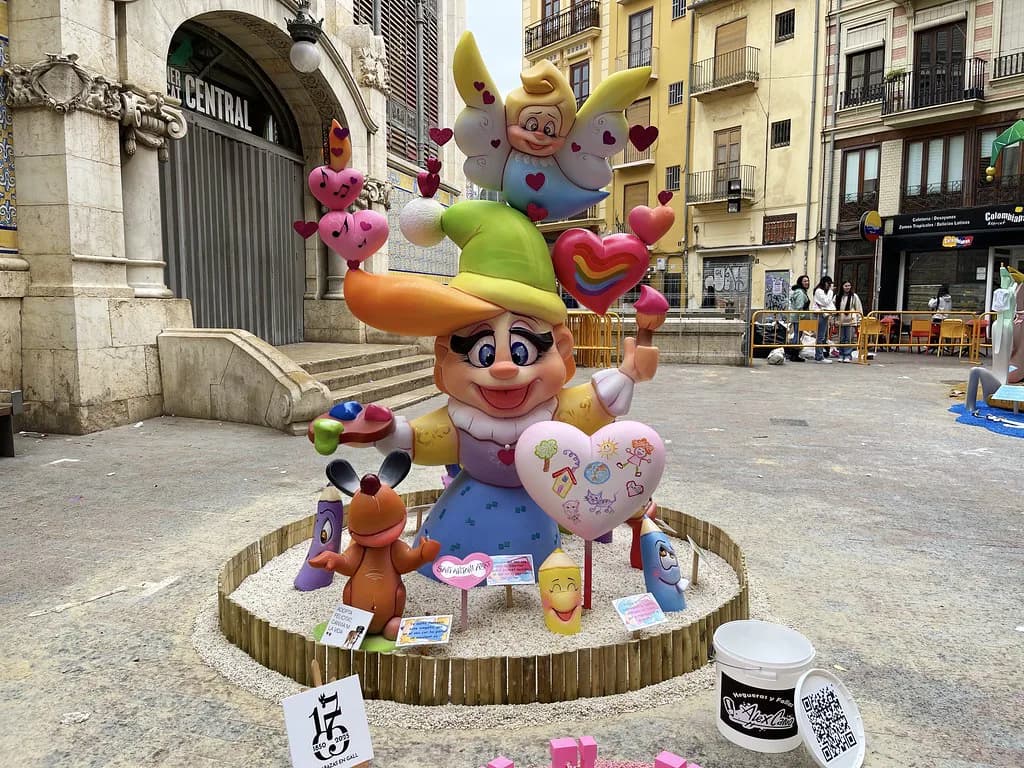
Giant artistic sculptures called fallas are the centrepiece. They are typically satirical, poking fun at politicians, celebrities, and current events. Every single one is set on fire on the final night — making the festival a unique act of collective creativity followed by collective destruction.
Official Las Fallas 2026 Dates
The official festival calendar runs from March 1st through March 19th, 2026. The opening ceremony known as La Crida took place on Sunday, February 22nd, 2026, at 19:30 at the Torres de Serranos. At that event the Fallera Mayor formally invites the city and its visitors to participate in the festivities.
Daily Mascletà explosions at 14:00 in the Plaza del Ayuntamiento begin on March 1st and continue without interruption until the 19th. The final five days — March 15th to 19th — are the most intense and are when the majority of international visitors arrive. The burning of all monuments, La Cremà, takes place on the evening of March 19th, the feast of San José.
Travelers who can only attend for a short window should target the 16th through the 19th. Those four days include the Plantà (erection of monuments), the Ofrenda de Flores, the Nit del Foc fireworks, and the Cremà finale.
Las Fallas Terms: Key Words to Know Before You Go
Understanding a handful of Valencian terms will make the experience far richer and help you follow the programme at a glance. These words appear on signage, event listings, and in every conversation with locals during March.

- Falla — the large sculptural monument built by each neighbourhood commission. Hundreds fill the city's streets and plazas.
- Ninot — a smaller figure within each Falla. One Ninot per commission is voted to be "pardoned" and saved from burning; it goes to the Fallas Museum.
- Plantà — the act of erecting the Falla monuments in the streets, which happens on March 15th (kids Fallas) and March 16th (adult Fallas).
- Mascletà — the daily firecracker show at 14:00 in the Plaza del Ayuntamiento, focused entirely on rhythm and sound rather than colour.
- Despertà — the early-morning firecracker procession that "awakens" the city each day during the festival week.
- La Crida — the official opening ceremony at the Torres de Serranos, featuring speeches by the Fallera Mayor and fireworks.
- Ofrenda de Flores — the flower-offering procession on March 17th and 18th, in which falleras and falleros carry carnations to the Plaza de la Virgen to dress a giant statue of the Virgin.
- Nit del Foc — "Night of Fire," the massive fireworks display at the Jardín del Túria on the night of March 18th.
- La Cremà — the burning of all monuments across the city on the evening of March 19th, starting at 20:00 for children's Fallas and 22:00 for adult Fallas.
- Fallera / Fallero — a woman or man who participates in the festival wearing traditional Valencian silk costume and elaborate hairstyle.
- Verbenas — street parties with music, dancing, and traditional food held throughout the festival each evening.
Key Events Schedule (March 1st – 19th)
The Visit Valencia Official Program sets out the full calendar, but the most important dates are concentrated in the final week. Here is the condensed schedule for the events you should not miss.
- March 1st: First Mascletà of 2026 at 14:00, Plaza del Ayuntamiento. Also the start of daily 14:00 Mascletàs that run until the 19th.
- March 15th, 09:00: Plantà of kids Ninots. At 17:30 the "Ninot Indultat" — the saved figure — is announced. At midnight, L'Albà de les Falles fireworks show on Plaza del Ayuntamiento.
- March 16th, 08:00: Plantà of all adult Fallas. Streets fill with monuments by afternoon. Midnight fireworks at the Jardín del Túria near the Palau de les Arts.
- March 17th, 15:30: First Ofrenda de Flores procession. Falleras and falleros march through the city carrying carnations to dress the Virgin statue in Plaza de la Virgen. Midnight fireworks at Jardín del Túria.
- March 18th, 15:30: Second and final Ofrenda de Flores. At approximately 23:59, the Nit del Foc — the largest fireworks display of the entire festival — lights up the Jardín del Túria (Alameda area).
- March 19th, 14:00: Final Mascletà of the festival. At 19:00 the Cabalgata del Fuego (Fire Parade) travels via Calle Colón from Ruzafa to Porta la Mar. La Cremà begins at 20:00 with children's Fallas, adult Fallas burn from 22:00, and the Falla Municipal on Plaza del Ayuntamiento is the grand finale at 23:00.
Understanding the Mascletà: Daily Pyrotechnics
Every day at 14:00, the Plaza del Ayuntamiento hosts a coordinated explosion of firecrackers that lasts around ten minutes. This event focuses entirely on rhythm and volume rather than visual colour — it is described by locals as music you feel with your entire body. The finale, called the terremoto or earthquake, sends a continuous wave of deafening blasts that makes the ground vibrate.
Arrive at the plaza by 12:30 at the latest if you want a spot near the safety barriers. Local bars rent out balcony space for higher prices but the best sensory experience is street level. Many residents say the smell of gunpowder that drifts through the streets each afternoon is the defining scent of Valencian March.
Ear protection is strongly recommended for children and anyone sensitive to very loud noise. Keep your mouth slightly open during the terremoto to equalise pressure — a tip locals pass along to first-timers.
Special Mascletà in Sant Antoni de Portmany (Ibiza)
On March 28th, 2026, a special Mascletà will take place in Sant Antoni de Portmany on the island of Ibiza, organised by Trasmed. This is a unique initiative that brings the Valencian pyrotechnic tradition to the Balearic Islands for visitors who want the festival atmosphere without the extreme crowds of central Valencia.
Trasmed is offering passengers a 50% discount on return ferry tickets to coincide with the event. The company also provides a late disembarkation service at 08:00, which effectively allows travellers to use the ferry as a floating hotel overnight — a significant cost saving during peak festival season. A free transfer service to the event location is included, though the pyrotechnic site is some distance from the port so travelling with your own car is also recommended.
Note that you will need to contact Trasmed directly to book the late disembarkation and transfer options, as these cannot be arranged through standard ferry booking platforms. For families who find the 24/7 noise of Valencia's city centre too intense, the Ibiza alternative offers a more relaxed setting for the same pyrotechnic experience.
How to Get to Las Fallas 2026 (Ferry & Travel Info)
Valencia is easily reachable by air, train, and sea. The high-speed AVE from Madrid takes around 1 hour 40 minutes and seats fill up weeks before the peak dates. Flights into Valencia Airport (VLC) are another option, with multiple daily connections from major European cities in March 2026.
Using the ferry to Las Fallas is the most popular choice for travellers arriving from the Balearic Islands or Barcelona. Trasmed and Baleàlia run frequent services: the Valencia to Ibiza route averages 15 sailings per week with a crossing time of 5–7 hours. During the festival period, ferry capacity fills extremely fast, so book as early as December or January.
Driving into central Valencia during the festival is not recommended. Hundreds of streets are blocked to vehicles from mid-March to accommodate the monuments. The metro runs extended hours during the final five days of the festival and is by far the most reliable way to move between key event locations.
Where to Stay: Noise Level Guide by Neighbourhood
No competitor guide tells you this clearly, but where you sleep during Las Fallas matters enormously. The festival generates noise around the clock from Despertà firecrackers at dawn to late-night Verbenas, and the intensity varies sharply by district.
- Ruzafa — the epicentre of the festival and the loudest neighbourhood. Home to several of the largest Sección Especial monuments and packed with street stalls and live music all night. Choose Ruzafa only if you embrace zero sleep during the final week.
- El Carmen (Barrio del Carmen) — similarly intense, with multiple large Fallas on its narrow medieval streets. The sound bounces off old stone buildings, amplifying the Despertà considerably. Best for those who want atmosphere over sleep.
- Eixample — slightly quieter than Ruzafa, with good transport links and restaurants. Still within earshot of midnight fireworks but set back from the main commission streets.
- Russafa outskirts / Gran Vía — the buffer zone between the festival core and the quieter southern districts. A reasonable compromise: 15–20 minutes' walk to the main events and noticeably less street noise after midnight.
- Sagunto or Gandia — satellite towns 30–50 km north and south of Valencia respectively. Both are reachable in under 40 minutes by Cercanías commuter train. Accommodation is cheaper, significantly quieter, and still allows you to attend every daytime event. An ideal base for light sleepers or families with young children.
Earplugs are non-negotiable if you stay anywhere in the city centre. The highest-rated brands used by locals are foam plugs with an SNR rating above 35 dB.
Essential Travel Tips for Las Fallas 2026
Consult our guide on what to wear to Las Fallas for clothing details, but the key festival-specific tips go beyond packing. Sunscreen and sunglasses are vital for the 14:00 Mascletà — the spring sun is strong even on cool days. Wear comfortable, closed-toe shoes because the city's narrow streets become extremely crowded.
- Book accommodation six to nine months in advance. March hotel prices in Valencia can triple compared to February.
- Download the official Fallas app to track monument locations and real-time event updates.
- Carry cash. Many street stalls and smaller bars around the Verbenas do not accept cards.
- Keep valuables in a front zip pocket or a money belt. Pickpocketing increases sharply in the dense festival crowds from the 15th to the 19th.
- Arrive at the Plaza del Ayuntamiento by 12:30 for a good Mascletà position — not 13:30.
- For the Nit del Foc fireworks on March 18th, the Jardín del Túria near the Alameda metro stop fills by 22:00 at the latest. Plan for standing room only.
- Expect road closures from the second week of March. The metro and Valenbisi bike-share are faster than taxis during the peak days.
Is Dream Properties Valencia Open During Fallas 2026?
Local businesses typically adjust their hours during the festival peak, and real estate agencies are no exception. Dream Properties Valencia remains open during Fallas 2026 at normal business hours, with the exception of the official public holiday on March 19th. However, property viewings become increasingly difficult to schedule as the festival progresses.
During the final week from March 15th to 19th, no viewings are possible at all due to street closures and staff participation in their neighbourhood commissions. Prospective buyers or renters should book any important viewings for the first week of March or after the 21st, when the city cleanup is largely complete. Email response times may be slower than usual between the 15th and 20th.
Real Estate and Relocation: Certified Estate Agent Insights
The fire festival has a measurable impact on the local property market. Apartments in Ruzafa and El Carmen command dramatically higher short-term rental prices during the March festival window, and savvy landlords hold back these dates exclusively for Fallas bookings at peak rates. For long-term buyers, this is a useful signal — visiting during the festival gives an honest picture of the noise levels and foot traffic in a specific building before committing.
Certified estate agents in Valencia note that soundproofing has become a top selling point for city-centre apartments, precisely because of the 18-day annual festival. New municipal regulations restrict the number of tourist rental licences available in the highest-demand Fallas commissions zones. Investing in a property near a Sección Especial monument site can generate strong seasonal rental income, but buyers should factor in the management complexity of festival-period turnover.
Related Experiences: What Else to See in Valencia
Many travellers who enjoy the energy of Las Fallas also look for La Tomatina dates later in August. The two festivals offer very different experiences but share a love for communal, high-energy street celebration. You might also consider the San Fermin festival in Pamplona in July for another iconic Spanish cultural event.
Within Valencia itself, the City of Arts and Sciences remains open throughout March and offers a quiet escape from the noise between events. The Ninot exhibition, held at the Ciudad de las Artes y las Ciencias until March 15th, lets you see the shortlisted sculptures before they are installed on the streets — and before they are burned. The Fallas Museum on Calle del Museu is open year-round and displays the winning Ninots saved from destruction in previous years.
Additional Information for Visitors
Most Fallas events — including the daily Mascletà, the Ofrenda procession, the monument displays, and La Cremà — are free and open to the public. There is no entry charge for watching the street spectacle. Costs come from food, drinks, accommodation, and any guided tours you choose to book.
Public transport is the most reliable way to move around when roads are blocked. The metro runs extended hours during the final five festival days. Knowing whether Las Fallas is worth it for your travel style depends largely on your appetite for noise and crowds — but for first-timers, the scale of the event is genuinely unlike anything else in Europe.
Emergency services maintain extra staff during the festival peak but response times can be slow due to traffic. The city's medical centres are well-equipped for festival-related incidents. Keep travel insurance active and carry a basic first-aid kit for minor issues like blisters or sunburn during the long outdoor days.
What to Pack for the Festival
Packing the right gear makes a substantial difference during long festival days. You will likely walk several miles between monument sites and stand for long periods at the Mascletà and fireworks displays. The sea breeze can make evenings feel colder than daytime temperatures suggest, so always carry a light jacket.
- High-quality foam earplugs (SNR 35 dB or higher) — the single most important item if you plan to sleep in the city.
- Supportive walking shoes or well-broken-in trainers — avoid sandals as ash and firework debris can land on open feet near La Cremà.
- Clothing layers — a light jacket for chilly evenings and a short-sleeve layer for warm afternoons at the plaza.
- Sunscreen and sunglasses — the March sun at 14:00 in the open plaza is stronger than it looks.
- A small bag you can wear in front — keeps hands free and valuables secure in dense crowds.
- A reusable water bottle — street fountains throughout the city centre are drinkable.
FAQs: Las Fallas Dates & Planning
This section answers the most frequent questions about the timing and logistics of the Valencia festival. Most events are free to the public, making it one of the most accessible major cultural celebrations in Europe. Planning around the official schedule ensures you see the most important moments without wasting a single day in Valencia.
Frequently Asked Questions
What date is Fallas 2026?
The main events for Las Fallas 2026 take place from March 15th to March 19th. Daily firework shows begin on March 1st. The final burning of monuments occurs at midnight on the 19th.
When and where do Las Fallas happen?
The festival happens throughout the entire city of Valencia, Spain. The most famous events occur at the Plaza del Ayuntamiento. You can find accommodation in various neighbourhoods to see different monuments.
How much do Las Fallas cost?
Attending the street events and firework shows is completely free for everyone. You only pay for your own food, drinks, and accommodation. Prices for hotels increase significantly during the peak March dates.
Visiting Valencia for more than one festival? See our complete guide to festivals and events in Valencia.
Las Fallas is a unique blend of art, fire, and community spirit that defines the city of Valencia. By following the official 2026 dates and planning around the noise, you can have a smooth and memorable experience. The schedule offers daily Mascletà explosions from March 1st and a crescendo of fireworks, parades, and burning monuments through the 19th.
Remember to book travel and accommodation early — ideally six months ahead for the peak dates. Whether you watch the Nit del Foc fireworks or the final Cremà, the energy of the festival is genuinely unmatched anywhere in Europe. We hope this guide helps you navigate the exciting streets of Valencia during this historic celebration.
Free guide: Europe's Festival Calendar
A month-by-month map of Europe's unmissable festivals — with the best dates to visit each and a local tip you won't find in the guidebooks.
You might also like


Continue reading
More guides you'll find useful


