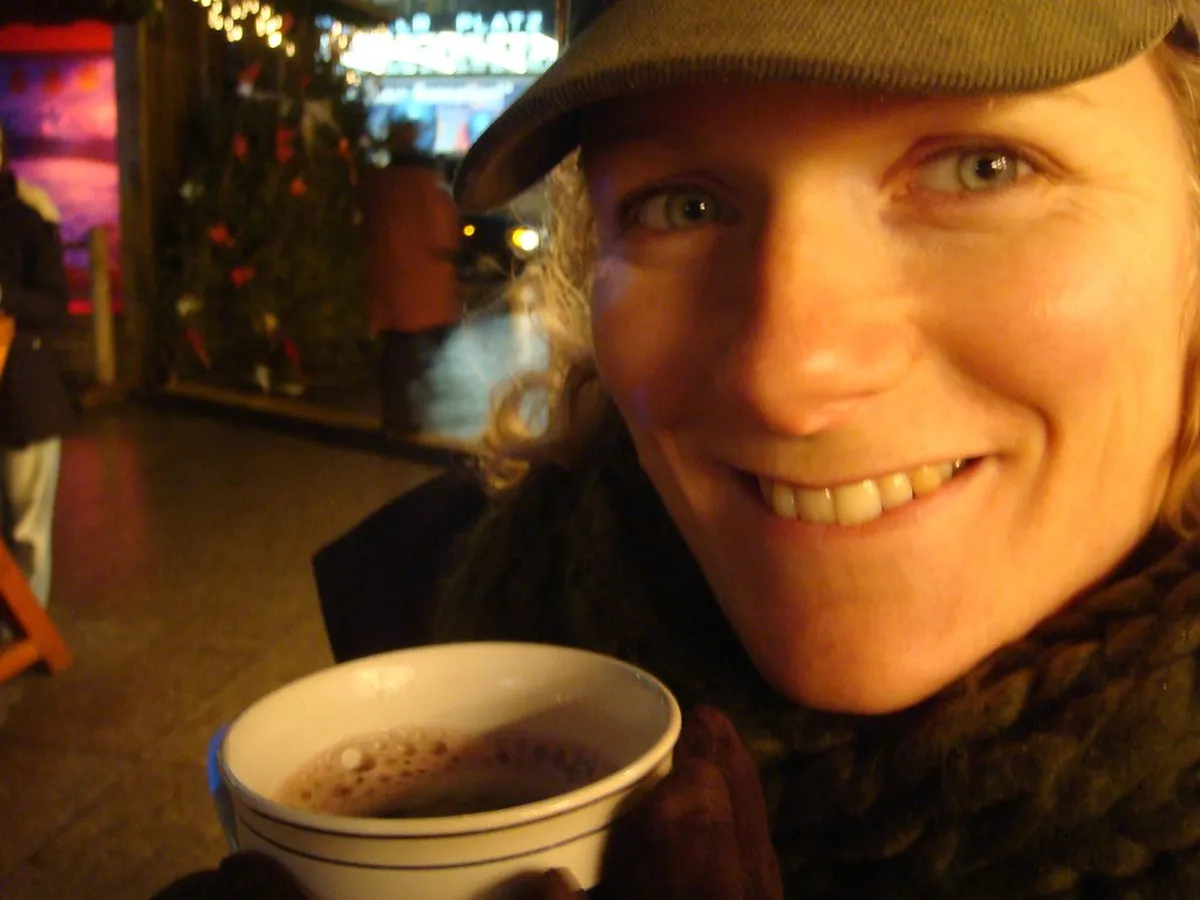
What Is Gluhwein and How to Make It
Learn what gluhwein is and how to make it at home with this step-by-step guide — spices, wine tips, variations, and serving ideas included.
On this page
What Is Glühwein and How to Make It at Home
Glühwein is the warm spiced wine served at every German Christmas market from late November through December. The word translates literally as glow wine — a nod to the rosy warmth it brings on a cold winter evening. Last updated June 2026.
Making glühwein at home requires just one bottle of red wine, a handful of whole spices, and about 30 minutes of gentle simmering. The result is a deeply aromatic drink that fills the kitchen with the scent of cinnamon, cloves, and orange. Whether you want to recreate a Christmas market atmosphere at home or simply try a classic European winter drink, this guide covers everything.
Free guide: Europe's Festival Calendar
A month-by-month map of Europe's unmissable festivals — with the best dates to visit each and a local tip you won't find in the guidebooks.
What Exactly Is Glühwein?
Quick Answer: Glühwein is hot red wine simmered with cinnamon, cloves, star anise, and orange — ready in 30 minutes and best served in a small heatproof mug. For a non-alcoholic version, substitute grape juice or apple juice and follow the same method. A splash of brandy added at the end makes a richer, stronger drink popular at market stalls across Bavaria.
Glühwein and mulled wine are essentially the same drink — the German name simply stuck because Germany popularized it at Christmas markets. Food historians trace spiced heated wine back to Roman soldiers in the 2nd century, who added spices to preserve wine on long campaigns. Germanic tribes adopted the practice, and by the Victorian era spiced wine had spread across Britain and most of northern Europe. Today it anchors the history of European Christmas markets, where each city uses a slightly different spice blend.
The key distinction between a good glühwein and a mediocre one is heat control. Keeping the wine at a gentle simmer — never a rolling boil — preserves most of the alcohol and prevents the spices from turning bitter. A common question from first-timers is whether the alcohol burns off: as long as you hold the temperature below boiling, the finished drink retains most of its original alcohol content.
How to Make Glühwein Step by Step
The recipe below produces approximately four servings from one standard 750 ml bottle of red wine. Preparation takes around five minutes; simmering takes a minimum of 20–30 minutes, though one to two hours produces a noticeably deeper flavor. Use a medium saucepan heavy enough to hold heat evenly — a thin pot risks scorching the bottom.

The single most common mistake is letting the wine boil, which drives off alcohol and concentrates the tannins unpleasantly. Set the burner to low-medium and adjust as needed — small lazy bubbles at the surface are correct, a vigorous boil is not. Whole spices, not ground, are essential: ground versions cloud the wine and make straining difficult.
Once ready, pour the glühwein through a fine mesh sieve directly into heatproof mugs. Serve immediately, as the drink cools quickly — small mugs are better than large ones for this reason.
- Step 1: Choose and open your red wine
- A dry, full-bodied red such as Cabernet Sauvignon or Merlot works best for glühwein.
- Budget around €5–€10 for a supermarket bottle — there is no need to use anything expensive.
- Open the bottle 10–15 minutes before you start so the wine can breathe slightly.
- Step 2: Combine wine and sugar in a saucepan
- Pour the full bottle into a medium saucepan and add 4–6 teaspoons of white or brown sugar.
- Stir over low heat for about two minutes until the sugar fully dissolves before adding anything else.
- Adding sugar early prevents it from sinking and caramelizing on a hot base.
- Step 3: Add citrus and whole spices
- Slice one orange into rounds and add them directly to the wine along with an optional lemon.
- Add 2–3 cinnamon sticks, 10–15 whole cloves, and 4–5 whole star anise pods.
- Cardamom pods or a vanilla bean pod are optional extras that add a subtle warmth.
- Step 4: Simmer gently on low heat
- Reduce heat to low and maintain a gentle simmer — visible steam with small surface bubbles, not a boil.
- A minimum of 20–30 minutes develops the basic flavor; one to two hours produces a richer, more complex drink.
- Check the pot every 20 minutes and adjust the burner down if the surface starts to roll aggressively.
- Step 5: Taste and adjust sweetness
- After 20 minutes of simmering, ladle out a small amount to taste for balance.
- Add more sugar a teaspoon at a time if the wine tastes too sharp or tannic.
- A squeeze of fresh orange juice brightens the flavor if the drink tastes flat.
- Step 6: Strain and serve hot
- Pour the glühwein through a fine mesh sieve or small strainer into heatproof mugs.
- Discard the spent spices and citrus slices — they will have given up all their flavor.
- Garnish each mug with a fresh cinnamon stick or a thin orange slice for a festive presentation.
Choosing the Best Ingredients and Wine
Wine choice has the biggest impact on the finished drink. A dry, full-bodied red — Cabernet Sauvignon, Merlot, or Grenache — holds up well to heat and spices without becoming thin. Lighter reds like Pinot Noir work but produce a more delicate result; white wine makes a milder Weißer Glühwein that is popular in southern Germany and Austria. The key rule: avoid very cheap wine with harsh tannins, as heat amplifies bitterness.

Whole spices are non-negotiable for a clean, well-balanced glühwein. Ground cinnamon or ground cloves will cloud the wine and make it nearly impossible to strain cleanly. Most supermarkets in Europe carry whole cloves, cinnamon sticks, and star anise year-round — they cost under €2 for enough to make several batches. For an elevated version, add a split vanilla bean pod or two green cardamom pods cracked open.
Orange is the standard citrus; lemon adds a sharper brightness and is entirely optional. Use fresh fruit sliced into rounds rather than bottled juice for a cleaner flavor. Sugar is adjustable to taste — white sugar is neutral, brown sugar adds a faint molasses note, and honey produces a slightly floral sweetness.
- What to gather before you start
- One 750 ml bottle of dry red wine such as Cabernet Sauvignon or Merlot.
- Two or three cinnamon sticks, whole — not ground.
- Ten to fifteen whole cloves and four to five whole star anise pods.
- One fresh orange, sliced into rounds.
- Four to six teaspoons of white or brown sugar, adjusted to taste.
- A medium saucepan, a ladle, a fine mesh sieve, and heatproof mugs.
- Optional: a lemon, a vanilla bean pod, or two cardamom pods for variation.
The Best Mulled Wine Spices
Three spices form the non-negotiable core of any authentic glühwein: cinnamon sticks, whole cloves, and whole star anise. Cinnamon delivers warmth and length; cloves add a sharp, almost piercing aromatic note; star anise gives a faint anise sweetness that ties the blend together. Remove any one of these and the drink loses a dimension — the recipe still works, but it tastes incomplete.

Beyond the core three, cardamom pods and vanilla bean pod are the most popular additions. Crack two green cardamom pods open before dropping them into the wine — they release a floral, slightly eucalyptus note that brightens the spice profile without overpowering it. A halved vanilla bean adds gentle sweetness and rounds the tannins, making it useful if your wine has an astringent edge. Nutmeg, grated fresh over the top as a garnish rather than simmered, is a finishing touch used in some Alsatian and Swiss versions.
One underappreciated tip: add cloves last and remove them first. Cloves intensify faster than any other spice in the blend and can dominate after 45 minutes of simmering. If you are planning a long, low simmer of one to two hours, fish the cloves out after 30–40 minutes and let the cinnamon and star anise carry the rest. This single adjustment solves the most common complaint — that homemade glühwein tastes medicinal — without changing anything else in the recipe.
Spiced Wine Variations and Additions
The most reliable upgrade to a basic glühwein recipe is time: simmering for two hours instead of 30 minutes produces a noticeably rounder, more integrated flavor. That said, the drink is fully enjoyable after just 15–20 minutes if you are short on time — the spices still infuse meaningfully at that point. Glühwein also improves when made a day ahead and reheated gently; the resting time deepens the spice character.
A splash of brandy — about 30 ml per 750 ml bottle — added in the final five minutes creates Glühwein mit Schuss, the stronger version sold at many German market stalls. Rum is a popular alternative to brandy and gives the drink a slightly sweeter, caramel-edged warmth. For a completely alcohol-free version, substitute grape juice or apple juice for the wine and follow the identical method — in Germany this is called Kinderpunsch and is served to children at Christmas markets.
White wine glühwein (Weißer Glühwein) uses a dry white such as Riesling or Pinot Gris with the same spices and a little less sugar, producing a lighter, more citrus-forward drink. For regional variety, Austrian Glühwein tends to use more orange peel and a touch of vanilla, while French vin chaud from the Alsace region often adds a small strip of lemon zest and reduces the clove quantity. Both are worth trying once you have the base method down. Fans of European festival traditions will find these subtle national differences fascinating.
- Common problems and how to fix them
- Too bitter: the wine boiled — start fresh and keep heat strictly below simmering point.
- Too sweet: balance with a squeeze of fresh lemon juice stirred in off the heat.
- Too weak on spice: add one more cinnamon stick and simmer for an additional 20 minutes.
- Cloudy wine: you used ground spices — strain through a coffee filter for a cleaner result.
- Alcohol tastes burned off: the heat was too high for too long — a gentle simmer preserves it.
- Turned flat after reheating: a fresh orange slice and one new cinnamon stick revive leftovers.
- Spices overpowering: remove the cloves first — they intensify fastest and dominate if left too long.
How to Serve and Pair Glühwein
Heatproof glass mugs or ceramic mugs both work well; glass mugs show off the deep ruby color and let the steam rise visibly. Small mugs — around 200–250 ml — are better than large ones because glühwein cools quickly once poured. Each glass should be garnished with a fresh cinnamon stick resting on the rim and optionally a thin orange slice on the edge. If you are serving at a party, a slow cooker set to the "warm" setting (around 65–70°C) keeps a full batch ready for two to three hours without degrading the flavor.
One practical detail that surprises first-time Christmas market visitors: every market stall sells glühwein in its own ceramic mug and charges a deposit of €2–3. You hand back the mug to reclaim the deposit, or you keep the mug as a souvenir and forfeit the deposit. Each market uses a uniquely designed mug specific to that year and location, which makes them collectible. If you plan to visit multiple markets — say, Cologne and Nuremberg in the same December — you can build a small collection without spending more than the deposit cost per mug.
Glühwein pairs naturally with the foods commonly found at European Christmas markets. Roasted chestnuts are the classic companion — their earthiness balances the wine's sweetness. Traditional German gingerbread (Lebkuchen) and stollen complement the cinnamon and clove notes directly, while a good cheese fondue contrasts the spiced sweetness with sharp creaminess. For a savory pairing, bratwurst or bockwurst sausages work exceptionally well, cutting through the richness of the drink. For a full guide to the foods and drinks surrounding this tradition, see our guide to European Christmas market food and drink.
Frequently Asked Questions
How is Glühwein different from mulled wine?
Glühwein and mulled wine are the same drink with different names. Glühwein is the German term, meaning 'glow wine,' while mulled wine is the English name. Both use red wine simmered with cinnamon, cloves, citrus, and sugar. Regional recipes vary slightly in spice ratios and sweeteners.
Which wine is best for Glühwein?
A dry, full-bodied red wine works best — Cabernet Sauvignon, Merlot, or Grenache are solid choices. You do not need an expensive bottle; a mid-range supermarket wine around €5–€10 produces excellent results. Avoid very tannic or low-quality wines, as heat amplifies bitterness.
How alcoholic is Glühwein?
Glühwein retains most of its alcohol as long as you keep the heat below boiling. A gentle simmer at around 65–70°C preserves the majority of the wine's original ABV, typically 11–13%. Boiling for extended periods does reduce alcohol content noticeably.
Can you make non-alcoholic Glühwein?
Yes. Replace the red wine with grape juice, apple juice, or a mix of both and follow the identical recipe. In Germany this version is called Kinderpunsch and is sold at Christmas markets as a child-friendly alternative. It is just as aromatic as the original.
Can you make Glühwein in advance?
Glühwein can be made up to 24 hours ahead and refrigerated. Reheat it gently over low heat without boiling. The flavor often improves after resting overnight as the spices continue to infuse. A fresh cinnamon stick added during reheating freshens the aroma nicely.
Visiting Europe for more than one festival? See our complete guide to festivals and events in Europe.
Glühwein is one of the most accessible and rewarding European winter drinks to make at home. A single bottle of dry red wine, a few whole spices, and a gentle 30-minute simmer is all it takes to produce something genuinely warming and festive. The recipe scales easily — double or triple the quantities for a party, and keep it warm in a slow cooker throughout the evening.
Once you have the base recipe, variations are straightforward: add brandy for a stronger drink, swap in white wine for a lighter version, or use juice for guests who prefer something non-alcoholic. If the glühwein inspires you to explore the broader tradition, our guide to planning a European festival trip covers how to experience Christmas markets and winter festivals across the continent.
Free guide: Europe's Festival Calendar
A month-by-month map of Europe's unmissable festivals — with the best dates to visit each and a local tip you won't find in the guidebooks.
You might also like


Continue reading
More guides you'll find useful


