
Oktoberfest Food and Beer Guide: 8 Things to Know
Master the Munich Wiesn with our Oktoberfest food and beer guide. Discover the 6 official breweries, must-try Bavarian dishes, and expert pairing tips.
On this page
Oktoberfest Food and Beer Guide: 8 Things to Know Before You Eat
Every year, millions of visitors descend upon Munich for the world's largest folk festival. While the rides are thrilling, the real heart of the event lies within the massive beer tents. Navigating the menus can be overwhelming for those visiting for the first time. This oktoberfest guide for first timers helps you master the culinary landscape.
The festival is a celebration of Bavarian culture, tradition, and incredible hospitality. You will find everything from giant pretzels to slow-roasted meats served by the ton. Understanding what to order ensures you experience the true spirit of Gemütlichkeit. Our guide covers every essential bite and sip you need for a perfect visit in 2026.
Free guide: Europe's Festival Calendar
A month-by-month map of Europe's unmissable festivals — with the best dates to visit each and a local tip you won't find in the guidebooks.
What Exactly is Oktoberfest Food?
Oktoberfest food is deeply rooted in the rural traditions of Upper Bavaria. It focuses on hearty, calorie-dense ingredients designed to sustain farmers and workers. Most dishes feature pork, poultry, cabbage, and various forms of potatoes. The flavors are often salty or savory to complement the malty beer.
Is Oktoberfest food just standard German food found in every city? While many dishes are common across Germany, the festival emphasizes specific regional preparations. Techniques like spit-roasting whole chickens or oxen are iconic to the Munich grounds. Local ingredients ensure that every meal feels authentic to the Bavarian region.
The scale of the food operation in Munich is truly staggering each year. Tents serve hundreds of thousands of roast chickens during the two-week event. Kitchens operate with military precision to feed up to 10,000 people per tent. Knowing is oktoberfest worth it often comes down to enjoying these massive feasts.
Dining at the Wiesn is more than just eating; it is a social event. Long communal tables encourage guests to share space and conversation with strangers. You will find a warm atmosphere that the locals call Gemütlichkeit. This sense of belonging makes every meal feel like a festive occasion.
Top 10 Must-Try Foods at the Munich Wiesn
Choosing what to eat can be difficult with so many delicious options available. The following dishes are the most iconic at the fairgrounds, available across both large tents and outdoor stalls. Plan to try at least one new dish every day you visit.
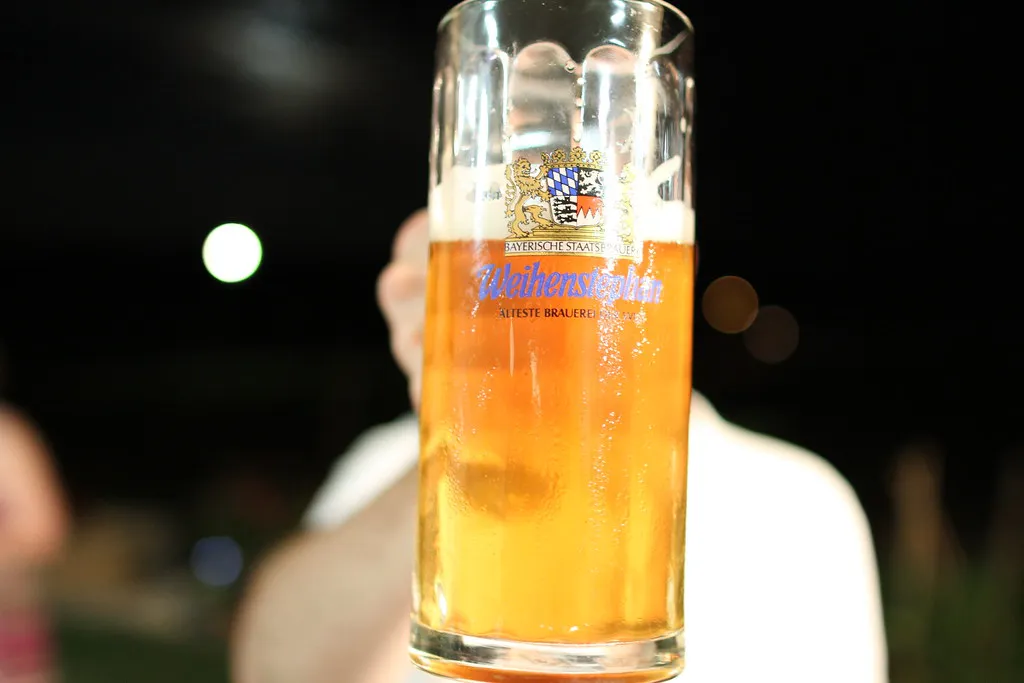
- Wiesn Hendl (Half Roasted Chicken): The festival's signature dish, spit-roasted until the skin is golden and the meat pulls clean off the bone. Every major tent serves it for around €14–16. Tear into it with your hands — that is the correct method.
- Schweinshaxe (Roasted Pork Knuckle): A massive joint of pork with crackling skin and rich gravy. It costs €18–22 in most large tents and is best ordered early before kitchens run low late at night.
- Käsespätzle (Cheese Noodles): Germany's answer to mac and cheese, made from egg noodles tossed with melted cheese and crisped onions. One of the most satisfying vegetarian options on any tent menu at around €12–15.
- Steckerlfisch (Fish on a Stick): Whole mackerel or trout grilled on a wooden skewer over an open flame. Fischer-Vroni beer hall is the dedicated spot for this dish — lighter than most Wiesn options and sold by weight.
- Brezen (Giant Bavarian Pretzel): Bigger than your head, thick, and heavily salted. Walking pretzel vendors carry them on wooden boards through the tent rows. Grab one for €5–7 to line your stomach before the first beer arrives.
- Weisswurst (White Sausage): A delicate veal and pork sausage served in warm water with sweet Bavarian mustard and a soft pretzel. One strict rule: Weisswurst is never served after noon. Peel the skin off before eating — you do not eat the casing.
- Obatzda (Spiced Cheese Spread): A creamy blend of aged Camembert, butter, onions, and paprika served with dark bread. It appears on most beer garden tables as a shared starter and costs €7–9.
- Reiberdatschi (Potato Pancakes): Crispy fried potato pancakes sold at outdoor stalls for €6–8. Eat them plain with a sprinkle of salt or with apple sauce for a sweet contrast.
- Ochsenbraten (Roasted Ox): Slow-roasted beef served with potato dumplings and seasonal vegetables. Head to the dedicated Ochsenbraterei tent for the real version — expect to pay €19–23 per portion.
- Knödel (Potato or Bread Dumplings): The starchy anchor of most main plates. Potato Knödel soaks up pork gravy with precision; bread Knödel is slightly lighter and pairs well with roast chicken drippings. Usually included with entrees.
Beyond the main plates, look for Brotzeiten — cold snack boards served in many tents. A Brotzeitbrettl typically holds sliced sausages, salted radish, pickles, and Obatzda. They make ideal shared starters for groups arriving before the kitchen rush at midday.
The 6 Official Munich Breweries and Their Beers
Only six breweries are permitted to serve beer at the official Munich Oktoberfest. These breweries must produce their beer within the Munich city limits. They follow the Reinheitsgebot, which is the historic German Purity Law dating to 1516. This law ensures the beer contains only water, barley, hops, and yeast — nothing else.
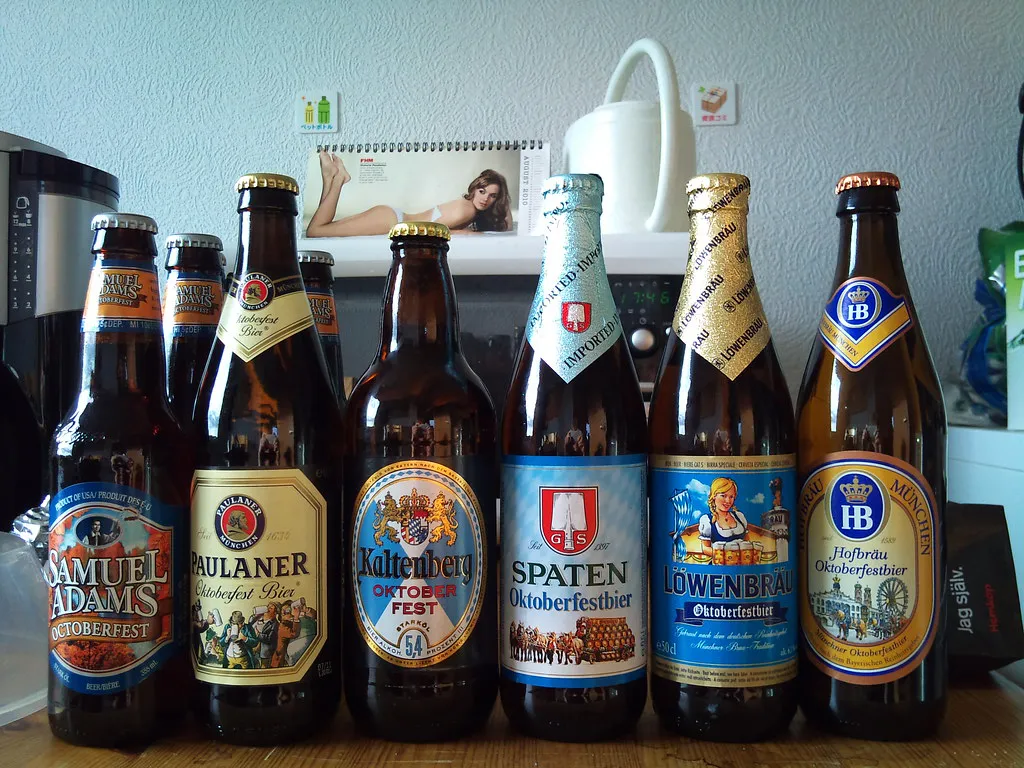
Augustiner is often cited by locals as the most traditional brewery choice. Hacker-Pschorr and Hofbräu are also incredibly popular among international visitors. Löwenbräu, Paulaner, and Spaten complete the list of official participants. You can find more details in this Official Munich Brewery Guide.
Each brewery operates specific tents where their unique beer is served exclusively. The Schottenhamel tent — where the Lord Mayor taps the first keg at 12:00 on opening day — always serves Spaten. Paulaner pours in the Winzerer Fähndl tent; Augustiner, the only brewery still using traditional wooden casks, pours in the Augustiner-Festhalle. Check oktoberfest tent reservations explained to find your preferred brewery's location before booking.
Official Oktoberfest beer is typically stronger than standard German lager. The alcohol content usually ranges between 6.0% and 6.3% ABV. Drinkers should pace themselves as the large Maß mugs hold one full liter. The smooth taste can easily mask the alcohol percentage, especially over a long afternoon.
Märzen vs. Festbier: Understanding the Beer Styles
Historically, the primary style served at the festival was the Märzen. First brewed by Spaten, this beer is characterized by its amber color and rich, toasty malt profile. It was traditionally brewed in March and aged through summer until the autumn festival. Many people still associate this darker style with the classic Oktoberfest experience.
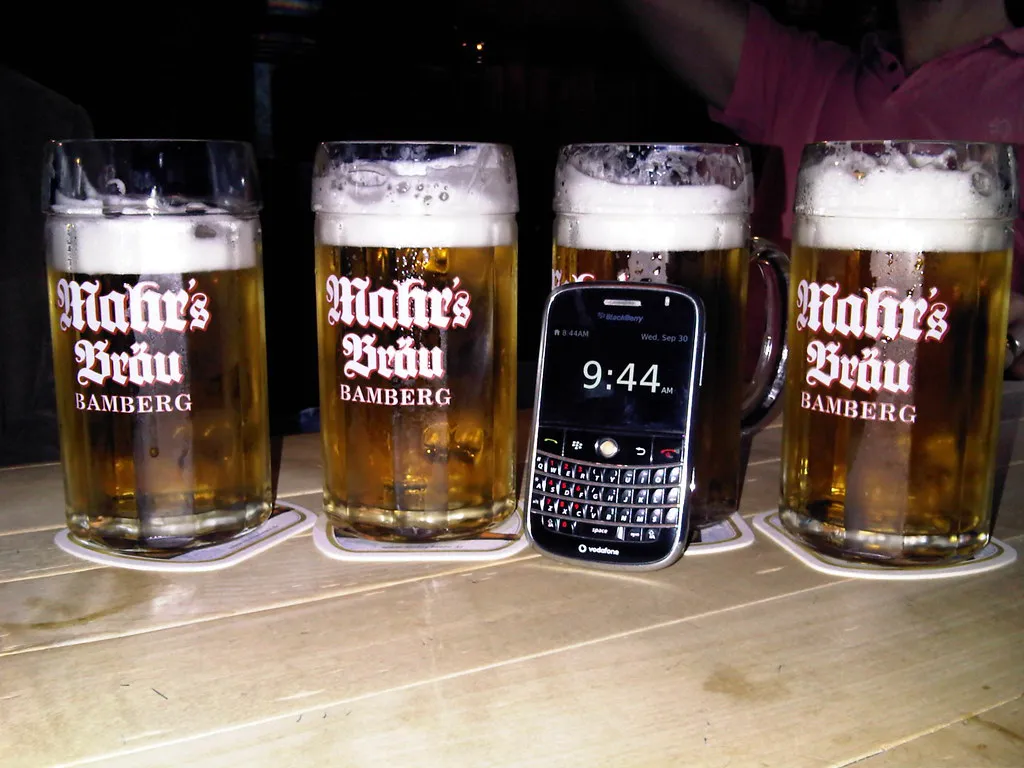
During the 1990s, a significant shift occurred in the festival's beer preference. Paulaner pioneered a lighter, more drinkable style known as Festbier. This modern style is golden in color and resembles a stronger Helles lager, hitting around 6.0–6.5% ABV. The change was driven by a desire for a beer that was less filling and could be consumed over a longer session.
Festbier now dominates every main tent because it allows guests to drink more comfortably. It offers a balanced sweetness without the heavy caramel notes of a Märzen. Most official Munich breweries serve this golden version as their primary 2026 offering. If you want the amber Märzen in its proper Munich context, you need to visit the Oide Wiesn section.
| Feature | Märzen | Festbier |
|---|---|---|
| Color | Amber / copper | Golden / pale |
| ABV | 5.8–6.3% | 6.0–6.5% |
| Flavor profile | Toasty, bready, caramel malt | Light malt, slightly sweet, clean finish |
| Body | Medium-full, heavier | Light-medium, crisp |
| Where to find it | Oide Wiesn (traditional section) | All main tents |
| Era at Oktoberfest | Pre-1990s (still brewed) | 1990s–present (now dominant) |
Understanding the difference helps you choose deliberately rather than just taking whatever arrives first. Festbier is the session beer of the Wiesn; Märzen is the heritage pour. Both are excellent — the Oide Wiesn lets you compare them side by side in a single afternoon.
Expert Food and Beer Pairing Recommendations
Pairing your food correctly can elevate your entire dining experience at the festival. The goal with any Oktoberfest pairing is balance — you do not want the beer to overpower the dish or the dish to flatten the beer. Both Festbier and Märzen are palate cleansers by nature, neither too sweet nor too bitter, which makes them versatile across the whole menu.
Here is a quick reference for the most reliable pairings:
- Wiesn Hendl + Festbier: The carbonation and light bitterness of Festbier cuts through the fat of spit-roasted chicken. This remains the single most popular combination in the tents each year.
- Schweinshaxe + Märzen: The caramel malt of the amber beer mirrors the crispy, deep-roasted pork skin. The maltiness also cuts through the richness of the gravy.
- Käsespätzle + Festbier: A sharper, more floral Festbier contrasts the buttery, creamy cheese noodles without clashing. Avoid heavily bitter beers with dairy-rich dishes.
- Brezen (Pretzel) + Märzen: The nuttier, honey-amber notes of Märzen match the yeasty bread at the same frequency. Few sensations at the Wiesn beat this combination.
- Reiberdatschi (Potato Pancakes) + Märzen: The Märzen's backbone stands up to the greasy, savory pancake in a way that a lighter Festbier cannot.
- Schnitzel + Festbier: A breaded schnitzel is less unctuous than pork knuckle, which suits Festbier's lighter body. Squeeze a slice of lemon over the schnitzel first — the acidity and the beer's crispness work together perfectly.
If you order a rich Schweinshaxe, seek out a traditional Märzen rather than accepting the standard Festbier. The malty sweetness of the amber beer complements the deep savory flavors of pork. Consult the best beer festivals in germany beyond oktoberfest for more regional pairing ideas beyond Munich.
Sweet Endings: Traditional Oktoberfest Desserts
No visit to the Wiesn is complete without sampling the local sweets. Kaiserschmarrn is a shredded pancake served with plum compote or applesauce. It is often large enough to share among several people at your table. This dessert is a favorite for those who enjoy warm, comforting flavors.
Apfelstrudel is another staple that you will find in almost every tent. The flaky pastry and spiced apple filling provide a classic Bavarian finish. It is usually served with a warm vanilla sauce for extra indulgence. Check out these Traditional Oktoberfest Recipes to try making it at home.
Be careful with the colorful Lebkuchenherzen hanging from the many stalls. These decorated gingerbread hearts are designed for wearing around your neck or taking home as souvenirs — not for eating. The dough is baked hard and dry, typically months before the festival opens. If you want something sweet to snack on while walking, buy roasted almonds or candied walnuts from the outdoor vendors instead.
The Oide Wiesn: Where Traditional Food and Märzen Still Reign
The Oide Wiesn — literally "Old Oktoberfest" — occupies the southern end of the Theresienwiese grounds and runs concurrently with the main festival from roughly day three onwards. Entry costs €4 per person, which most visitors do not know about until they arrive at the gate. That small barrier keeps the crowds noticeably thinner than the main fairground.
Inside, the two historic tents (Festzelt Tradition and Herzkasperlzelt) serve food cooked to older recipes that have largely disappeared from the main Wiesn. You can find Kalbshaxe (veal knuckle) alongside the standard pork, and the Brotzeiten boards tend to be more generous. Critically, this is one of the only places in 2026 where you can drink the amber Märzen in a proper Munich tent environment — most main tents no longer carry it at all.
The atmosphere leans toward local families and visitors who have attended for decades. Live bands play traditional Bavarian folk music rather than pop-song singalongs. If the main tent experience feels overwhelming on your first day, the Oide Wiesn offers a far more relaxed entry point into Oktoberfest culture.
Practical Tips: Prices, Tents, and Ordering Etiquette
Budgeting for your trip is essential as prices run high. Expect to pay in the €15–20 range for most main tent entrees. A liter of beer (one Maß) will cost between €14 and €16 in 2026. Always bring plenty of cash — many tents do not accept credit cards, and ATM queues grow long by afternoon.
Deciding between a tent and a stall depends on your schedule and hunger level. Tents offer the full Gemütlichkeit atmosphere but require more time and often a reservation for dinner service. Stalls are ideal for a quick bratwurst or Steckerlfisch while moving between rides. Check the oktoberfest dates and opening times to plan your meals around the busiest service windows.
Ordering etiquette in the tents is straightforward but fast-paced. Wait for a server to come to your table rather than approaching the kitchen. Tipping is expected — round up significantly on large bills. If a server passes without stopping, making eye contact and a light wave is the accepted signal. Knowing what to wear to oktoberfest helps you blend in and feel relaxed while dining.
If the main tents are too crowded, the Oide Wiesn area offers a calmer alternative. The €4 entry fee is worth every cent for the shorter queues and quieter tables. Many locals prefer this section precisely because it requires effort to reach.
How to Host an Oktoberfest Party at Home
You can bring the spirit of Munich to your backyard with the right preparation. Start by sourcing authentic Munich beer from a local specialty liquor store. Look for labels from the Big Six breweries to ensure an authentic taste. Serving the beer in glass steins immediately improves the festive atmosphere.
Food is the most important element of any home Oktoberfest celebration. Prepare a large platter of pretzels, Obatzda, and various German sausages. You can learn about The Chicken Dance and Brathendl History for entertainment. Playing traditional brass band music will help complete the cultural experience.
Make sure to decorate with blue and white checkers, the colors of Bavaria. Invite guests to dress in traditional Tracht if they have it available. Organize a simple Prost toast to start the meal with high energy. Check how to get to oktoberfest if you decide to visit Munich in person for 2026.
Frequently Asked Questions
What is the difference between Märzen and Festbier?
Märzen is a traditional amber lager with toasty malt flavors and a heavier body. Festbier is the modern golden style that is lighter, more drinkable, and less filling. Most tents now serve Festbier as the standard option for guests. Find more tips in our Oktoberfest guide.
How much does food cost at Oktoberfest?
Most main entrees in the tents cost between 15 and 20 Euros. Snacks like giant pretzels or sausages at outdoor stalls usually range from 5 to 10 Euros. It is best to budget at least 50-70 Euros per person for a full day of eating and drinking.
Can you get vegetarian food at Oktoberfest?
Yes, vegetarian options have become much more common in recent years. Käsespätzle (cheese noodles) and Reiberdatschi (potato pancakes) are widely available in most tents. You can also find fresh salads and mushroom dishes on many modern menus across the fairgrounds.
Which brewery has the best beer at Oktoberfest?
The 'best' beer is subjective, but Augustiner is a perennial favorite among Munich locals. Paulaner and Hacker-Pschorr are also highly rated for their balanced Festbiers. Every one of the six official breweries produces high-quality beer that follows strict purity standards.
Do you need a reservation to eat in the tents?
You do not strictly need a reservation to eat, but it is highly recommended for large groups. Tents keep a portion of tables unreserved for walk-in guests on a first-come, first-served basis. Arriving early on weekdays is the best way to find a seat without a booking.
Visiting Munich for more than one festival? See our complete guide to festivals and events in Munich.
The Oktoberfest food and beer guide shows that the Wiesn is a true culinary destination. From the first sip of Festbier to the last bite of strudel, the flavors are unforgettable. Planning your meals ahead of time helps you avoid the stress of the crowds. You will leave Munich with a full stomach and wonderful memories of Bavarian culture.
Whether you are a meat lover or a vegetarian, there is something for everyone to enjoy. Remember to pace yourself with the strong beer and stay hydrated throughout the day. Explore the different tents to find the atmosphere that suits your personal style. Prost to an amazing adventure at the world's most famous beer festival!
Free guide: Europe's Festival Calendar
A month-by-month map of Europe's unmissable festivals — with the best dates to visit each and a local tip you won't find in the guidebooks.
You might also like


Continue reading
More guides you'll find useful


