
11 Essential Oktoberfest Dates and Opening Times for 2026
Plan your trip with the official Oktoberfest 2026 dates, beer tent opening hours, and expert tips on avoiding overcrowding at the Munich Wiesn.
On this page
11 Essential Oktoberfest Dates and Opening Times for 2026
The 191st Munich Oktoberfest officially runs from September 19th through October 4th in 2026. Last updated April 2026, this guide covers the complete schedule for the world's largest folk festival — from site opening hours to tent-specific closing times. Most travelers find the mid-week period between September 22nd and September 25th offers the best balance of atmosphere and accessibility. You can enjoy shorter lines and more relaxed seating during these specific dates.
Late September typically brings mild weather to Bavaria with temperatures ranging from 10–18°C. This period is known locally as Altweibersommer, offering pleasant sunny days and crisp, cool evenings. Planning around these specific Oktoberfest.de dates ensures you witness key traditions including the tapping ceremony. Knowing the daily opening hours by day of the week helps you secure a seat without a reservation.
Free guide: Europe's Festival Calendar
A month-by-month map of Europe's unmissable festivals — with the best dates to visit each and a local tip you won't find in the guidebooks.
Official Oktoberfest 2026 Dates and Schedule
The festival always begins on the second-to-last Saturday of September and concludes on the first Sunday of October. For 2026, the event spans 16 days of celebration at the historic Theresienwiese grounds, running from September 19th through October 4th. The festivities begin on Saturday with the grand parade of the landlords and breweries. Beer service does not start until the Mayor taps the first keg at exactly 12:00 noon.
The second weekend (September 26–27) is traditionally known as the Italian weekend due to high visitor numbers from Italy. Crowds peak during this middle period, making tent entry difficult without early arrival. October 3rd falls during the festival in 2026 — it is German Reunification Day, a national public holiday, and tents operate on Sunday hours (opening at 9:00 am) with exceptionally high crowds rivaling the opening weekend. The final day, October 4th, features a traditional gun salute at the Bavaria statue as a closing ceremony.
For forward planning, Oktoberfest 2027 runs September 18th through October 3rd. The logic is consistent: the festival always starts on the third Saturday before the first Sunday in October.
Opening Hours of the Oktoberfest Site (Theresienwiese)
The Theresienwiese grounds and the fairground areas have their own operating hours that differ slightly from the beer tent schedules. Entry to the site itself is free and open to the public throughout the festival. The hours below apply to the overall site and most food stalls and rides.
- Monday to Thursday: 10:00 am – 11:30 pm
- Friday: 10:00 am – 12:00 midnight
- Saturday: 9:00 am – 12:00 midnight
- Sunday: 9:00 am – 11:30 pm
- Public holidays (October 3rd): 9:00 am – 11:30 pm (Sunday schedule applies)
Note that Friday and Saturday closing times extend to midnight, giving an extra 30 minutes compared to weekdays. The site itself remains accessible after the tents close, but most food and drink service winds down by 11:00 pm even on Fridays. If you are planning a late-night visit, Friday evenings offer the best combination of atmosphere and accessibility.
Beer Tent Opening Times: Large vs. Small Tents
On weekdays, large beer tents open their doors at 10:00 am for visitors. Saturdays, Sundays, and public holidays see an earlier start at 9:00 am sharp. Beer service always ends at 10:30 pm — at that point the band stops, the lights come up, and waitstaff begin clearing tables around you. The tents officially close around 11:30 pm to allow for cleaning, but most guests leave by 10:50 pm once service stops.
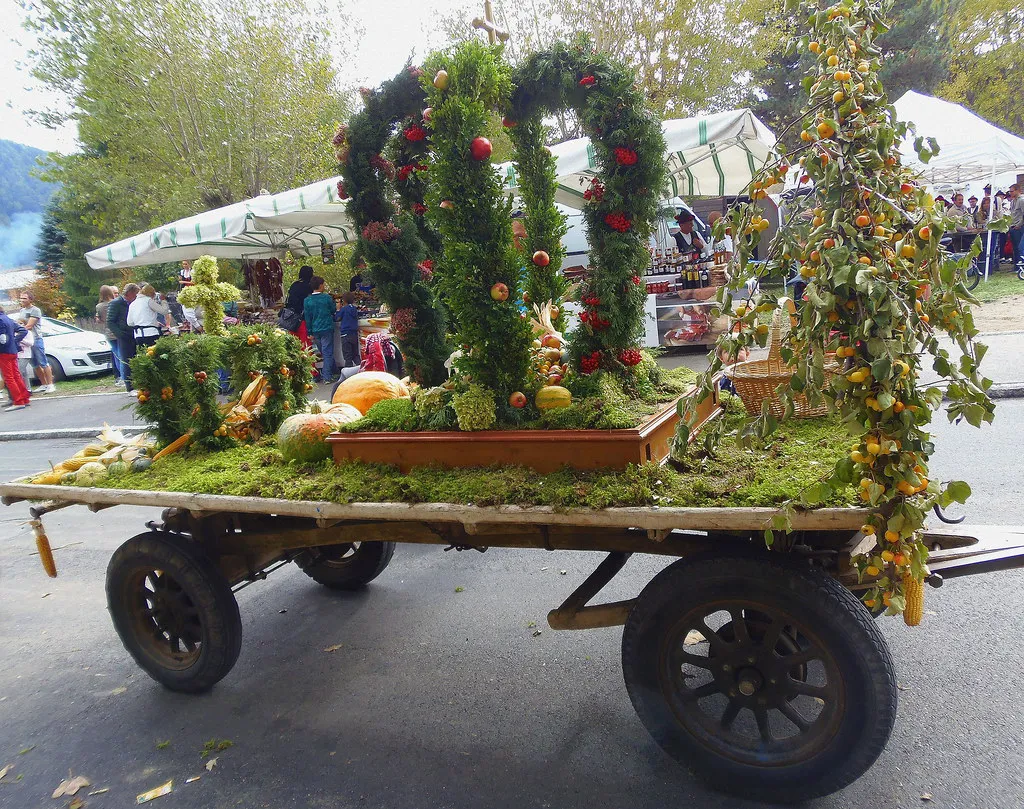
Small tents and food stalls follow a similar schedule but often open earlier for breakfast service. Chicken roasteries and cafes serve coffee and snacks starting at 9:00 am daily across the festival. Music volume is strictly regulated to stay below 85 decibels until 6:00 pm, maintaining a family-friendly lunch environment. After 6:00 pm, the atmosphere shifts to Schlager and pop music, and standing on benches begins in earnest in the larger tents.
The distinction between large and small tents matters for seating strategy. Large tents hold between 5,000 and 10,000 guests each and are tied to a specific Munich brewery (Augustiner, Paulaner, Hofbräu, Löwenbräu, Spaten, Hacker-Pschorr). Small tents seat a few hundred to around 1,000 people and offer a calmer, more local experience — often featuring specialty food, wine, or a particular Bavarian theme. If you arrive without a reservation on a busy day, a small tent is your best realistic option.
Fish Sandwiches, Balloons, and Stalls: Opening Hours
The Wiesn stalls — the food vendors, souvenir stands, and game booths spread across the fairground — operate on a slightly different schedule from the beer tents. On Saturdays, Sundays, and public holidays, most stalls open at 9:00 am to catch the early arrivals. On weekdays they typically open at 10:00 am alongside the tents.
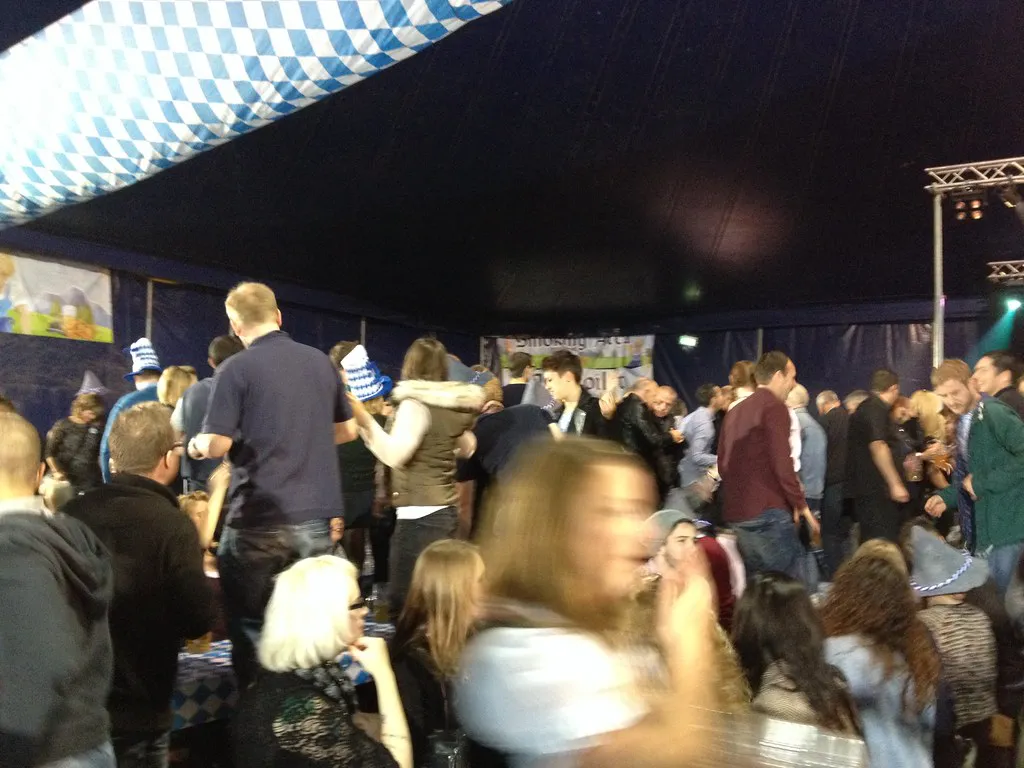
The fish sandwich stands (Steckerlfisch and grilled fish) and the pretzel and Lebkuchen heart sellers are often trading before the beer tents even unlock their doors. These vendors cater to the locals who come for breakfast or a mid-morning snack before the main crowds arrive. The balloon and souvenir stalls operate until midnight on Fridays and Saturdays, later than the food stalls, making evening browsing easy. This is a practical detail that general guides rarely mention: arriving at 9:00 am on a Saturday means you can shop, eat, and walk the fairground for a full three hours before the major crowd surge that typically hits between noon and 2:00 pm.
Rides and Showmen: When the Fun Starts
The fairground rides — rollercoasters, the historic carousels, the Teufelsrad spinning disc, and the traditional swing boats — operate from 10:00 am on weekdays and from 9:00 am on weekends and holidays. Ride queues are substantially shorter before noon and after 9:00 pm, when most tent-goers have settled into their seats. If you have children or simply want to enjoy the fairground without waiting 45 minutes per ride, a weekday morning is the optimal window.
The Oide Wiesn (Old Oktoberfest) section at the southern end of the grounds is a separately ticketed area within the festival. It costs €4 to enter and focuses on historical rides dating back to the 19th century, traditional Bavarian craft demonstrations, and folk music. This area opens and closes on the same hours as the main fairground but maintains a distinctly quieter pace throughout the day. It is the single best option for families or visitors seeking a genuinely traditional experience without the intensity of the main tents.
Special Exceptions: Late-Night Tents and Tapping Day
Two specific venues offer a later closing time for those not ready to leave at 10:30 pm. Käfer Wiesn-Schänke and Kufflers Weinzelt remain open until 1:00 am every night of the festival. The last drinks in these tents are served at 12:30 am. Securing a table in either venue typically requires a prior reservation, as they fill quickly precisely because of the extended hours.
On the first Saturday, no beer is served anywhere until the noon tapping at the Schottenhamel tent. The Mayor's cry of "O'zapft is!" (It's tapped!) triggers simultaneous service across all tents. Waitstaff take food and soft drink orders before noon, but steins stay empty until the announcement echoes across the grounds. Check the Oktoberfest.de calendar for the Parade of Landlords and Breweries time, which typically starts at 10:45 am on the opening Saturday and runs through the grounds before the tapping.
Closures and Overcrowding: What You Need to Know
When a tent reaches capacity, staff hang a "Wegen Überfüllung geschlossen" sign at the entrance — meaning closed due to overcrowding. This is not a temporary pause; once those signs go up on a busy Saturday, the tent typically stays closed to new visitors until a significant number of people leave of their own accord. Large tents on peak weekends routinely close their doors to walk-ins by 11:00 am or even earlier. If you arrive at the Hofbräu-Festhalle at 1:00 pm on a Saturday without a reservation, you are very likely to find it closed.
The weather contingency plan is worth knowing. When it rains heavily, everyone leaves the fairground and rushes into the tents simultaneously — even tents that had space five minutes earlier can hit capacity in under twenty minutes. On overcast days, have a backup plan: the smaller tents fill more slowly, and the Oide Wiesn tent operates on a slightly different rhythm. If every tent is closed, the best move is a Munich city center beer hall — the Hofbräuhaus or Augustiner am Platzl will be busy but rarely completely closed.
The two highest-risk days for overcrowding in 2026 are Opening Saturday (September 19th) and the Italian Weekend (September 26–27). October 3rd (German Reunification Day) is a third high-risk date that most guides do not flag explicitly — it functions as an extra weekend day with national-holiday crowd levels and a 9:00 am tent opening. If you must visit on any of these days, arrive no later than 9:30 am.
Must-See Oktoberfest Attractions and Events
The Costume and Riflemen's Parade takes place on the first Sunday of the festival (September 20th, 2026). More than 7,000 performers in traditional costumes, musicians, thoroughbred horses, and farmyard animals march along a 7-kilometer route starting at 10:00 am. This is a free outdoor event and the single most impressive spectacle of the festival for first-time visitors. Securing a spot along the route by 9:00 am is recommended.
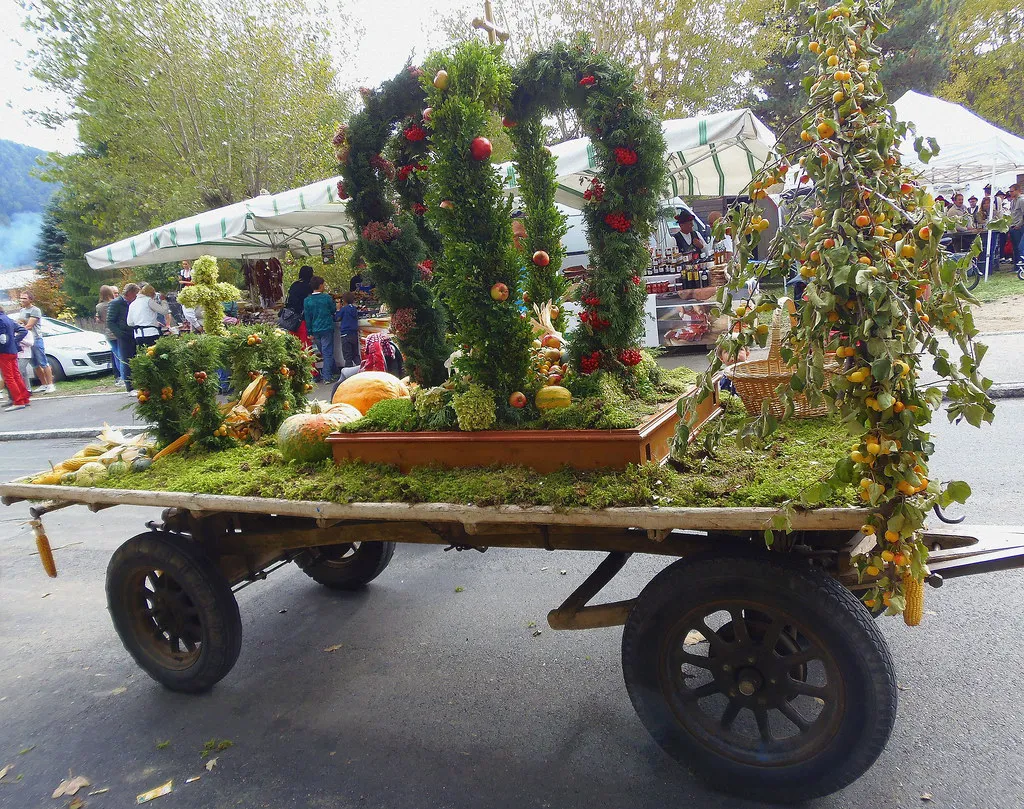
The Parade of Oktoberfest Landlords and Breweries kicks off the opening Saturday at 10:45 am, preceding the noon tapping. Decorated horse-drawn carriages from each of the six Munich breweries (Augustiner, Paulaner, Hofbräu, Löwenbräu, Spaten, and Hacker-Pschorr) parade through the grounds. The Böllerschießen — a traditional gun salute fired from handheld cannons in front of the Bavaria statue — occurs on both opening and closing days. On the final day (October 4th), the closing ceremony includes sparklers throughout the tents as a farewell tradition. Review the Oktoberfest Guide for First Timers for the full event calendar with exact times.
Family-Friendly and Budget-Friendly Options
The two Tuesdays during the festival — September 23rd and September 30th in 2026 — are designated Family Days (Familientag). Ride prices are reduced until 6:00 pm, making these the most cost-effective days for families with children. Children under six must leave the beer tents by 8:00 pm, and the early afternoon hours on Family Tuesdays are also when the music stays quietest and the atmosphere most relaxed.
Beer prices in 2026 are expected to range from €13 to €15 per liter (Maß). Non-alcoholic options — including table water and Spezi (a Coke/Fanta mix) — cost approximately €6–€7 per liter, so budget-conscious visitors should factor this into their spend. Food is available throughout the fairground from vendors, making it easy to eat without sitting inside a tent and paying reservation-level prices. The Oide Wiesn at €4 entry remains the best-value section of the entire festival, offering historical rides, Bavarian folk performances, and a calmer tent environment at a fraction of the congestion found in the main area. Read the where to stay for Oktoberfest guide to find accommodation options before prices peak in August.
How to Plan a Smooth Oktoberfest Day
The most common mistake is arriving between noon and 2:00 pm on a Saturday — that is when tents hit maximum capacity and queues for rides are at their longest. Arriving at 9:00 am on a Saturday gives you three hours of comfortable browsing, a breakfast at a food stall, and a realistic chance of walking into a large tent before the "Wegen Überfüllung" signs go up. On weekdays, 10:00 am arrival is sufficient for first-time visitors without a reservation.
Bags larger than 20cm x 15cm x 10cm are not permitted inside the festival grounds. Security checks at the entrances are thorough, and oversized bags are sent back. A small cross-body bag or traditional felt pouch is the practical choice. Cash remains essential — many tents and stalls do not accept cards, and the ATMs near the grounds have long queues on busy days. Plan on withdrawing cash at a Munich city center bank the morning before you visit.
For those who want to see the tent reservation system in action without committing to a full package, the Oktoberfest Tent Reservations Explained guide walks through how each tent manages its own booking process, which opens at different points in the year. Most reservations for Saturday evenings are gone by February, so booking early is not an exaggeration — it is the only realistic strategy for prime-time seating.
Frequently Asked Questions
What time does the first beer get served at Oktoberfest?
On the opening Saturday, beer service begins at 12:00 noon after the official tapping ceremony. On all other days, large tents serve beer starting at 10:00 am on weekdays. Weekend service begins earlier at 9:00 am.
Are the beer tents open on Sundays?
Yes, all beer tents are open on Sundays throughout the festival. They typically open at 9:00 am and follow the standard closing time of 11:30 pm. Sunday mornings are often popular for traditional brass music and family lunches.
Is there an entry fee for the Oktoberfest grounds?
Entry to the main Oktoberfest site and all beer tents is completely free. However, the historical Oide Wiesn section requires a small entrance fee of a few Euros. You only pay for the food, drinks, and rides you choose.
Visiting Munich for more than one festival? See our complete guide to festivals and events in Munich.
Understanding the Oktoberfest dates and opening hours is the first step toward a successful visit. Arriving early on weekdays and knowing the site schedule by day — including the Friday midnight close and the October 3rd public holiday dynamic — saves real time on the ground. The 2026 season runs September 19th through October 4th, with the quietest windows falling on mid-week mornings and the most intense pressure on Opening Saturday and the Italian Weekend. Prepare for the crowds, know the closing signs, and enjoy one of the world's great folk festivals.
Free guide: Europe's Festival Calendar
A month-by-month map of Europe's unmissable festivals — with the best dates to visit each and a local tip you won't find in the guidebooks.
You might also like


Continue reading
More guides you'll find useful


