Oktoberfest Vs Stuttgart Cannstatter Volksfest Travel Guide
Oktoberfest vs Stuttgart's Cannstatter Volksfest: walk in without a reservation, sip four breweries by the half-liter at ~EUR 15, both in one 2026 trip.
On this page
Oktoberfest Vs Stuttgart Cannstatter Volksfest
Germany transforms into a global hub for beer lovers every autumn as two massive festivals take center stage.
Most travelers head straight to Munich, but many locals prefer the traditional vibe found in Stuttgart.
Comparing oktoberfest vs stuttgart cannstatter volksfest reveals distinct differences in atmosphere, cost, and accessibility.
Understanding these nuances helps you decide which massive celebration fits your personal travel style for 2026.
Free guide: Europe's Festival Calendar
A month-by-month map of Europe's unmissable festivals — with the best dates to visit each and a local tip you won't find in the guidebooks.
What Is the Cannstatter Volksfest?
The Cannstatter Volksfest is Stuttgart's answer to Munich's Oktoberfest — and the world's second largest beer festival, drawing around 4.2 million visitors in 2025 compared to Oktoberfest's 6.5 million. "Volksfest" translates to "folk festival," a German word for events that combine beer tents, carnival rides, and communal feasting. The "Cannstatter" in the name refers to Bad Cannstatt, the district of Stuttgart where the festival takes place on a large meadow known as the Cannstatter Wasen.
The festival's origins are quite different from Oktoberfest, which began as a royal wedding celebration in Munich in 1810. Stuttgart's fest was born from hardship: the winter of 1815/1816 — the so-called "Year Without a Summer" caused by the Tambora volcanic eruption — brought crop failure and near-famine to Württemberg. King Wilhelm I launched the first Cannstatter Volksfest in 1818 as an agricultural festival designed to revive farming morale and encourage better harvests. This working-class, community-first DNA still shows in the atmosphere today. The festival feels genuinely local in a way Oktoberfest simply does not.
You can read the full history of the Cannstatter Volksfest on the official site if you want to go deeper into its agricultural roots before your visit.
When Is Cannstatter Volksfest 2026?
The 2026 Cannstatter Volksfest runs for 17 days in late September through mid-October. Like Oktoberfest, it falls in the classic German autumn festival window — but crucially, Stuttgart's festival starts and ends about a week later than Munich's. This timing gap means you can attend both in the same trip if you plan carefully. Arrive in Munich for the Oktoberfest opening weekend, then travel 2.5 hours by train to Stuttgart for the Cannstatter Volksfest's final weekend.
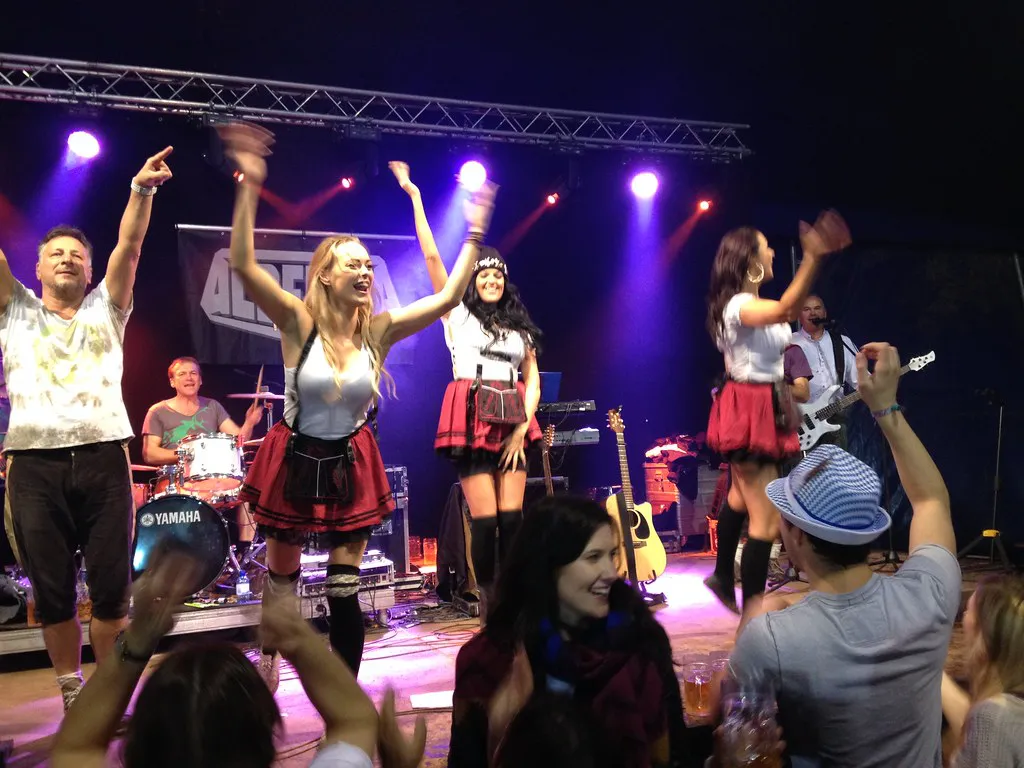
The festival opens with a ceremonial first keg tap by Stuttgart's mayor in the Dinkelacker tent, mirroring Oktoberfest's opening ceremony. Stuttgart also hosts a spring edition called the Frühlingsfest each year — it's actually bigger than Munich's own spring festival. For 2026 exact dates, check the official site as they are typically announced in early spring.
How Many People Attend — And Why It Matters for Your Trip
Munich's Oktoberfest attracted approximately 6.5 million visitors in recent years. Stuttgart's Cannstatter Volksfest draws around 4.2 million over its 17-day run. On paper those numbers sound similar, but the on-the-ground experience is radically different. Oktoberfest's crowds are heavily international — you will hear English, Italian, Australian accents everywhere. At the Cannstatter Volksfest, the overwhelming majority of visitors are German-speaking locals from the region. You might hear barely a word of English, especially on weekdays.
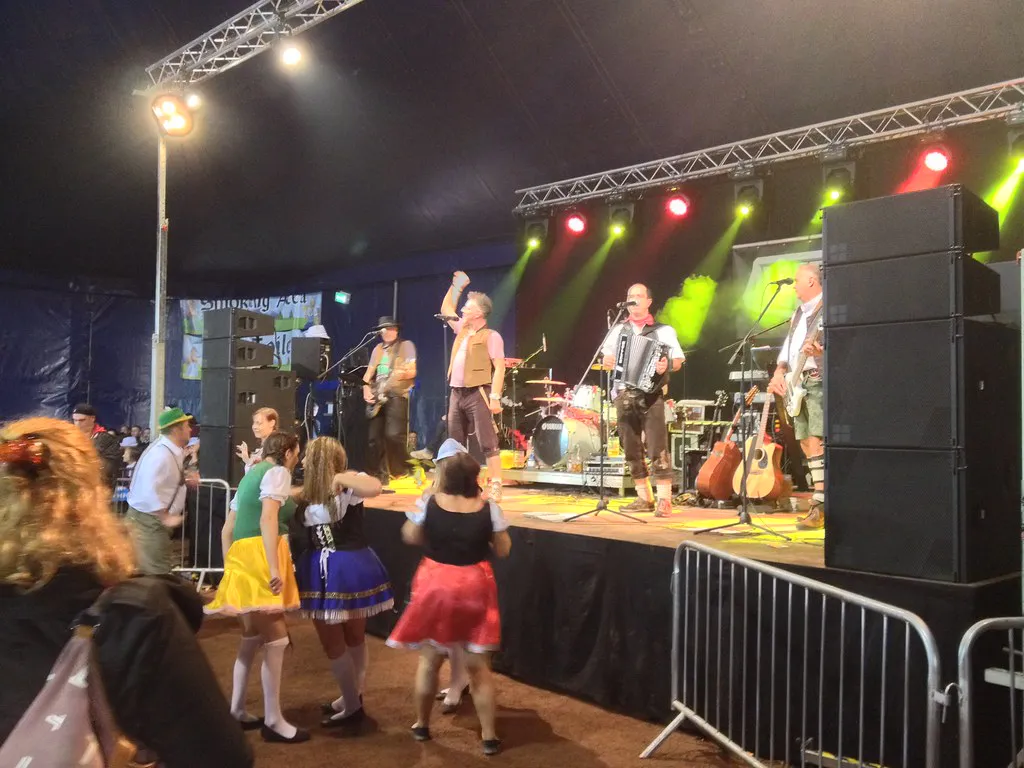
This matters for tent availability. At Oktoberfest, tents fill by 10:00 on weekends and walk-in seating becomes a scramble. At the Cannstatter Wasen, you can often find a seat at a table mid-afternoon on a Saturday without a reservation in most tents. That walk-in accessibility is one of Stuttgart's clearest practical advantages over Munich.
Beer Tents: Stuttgart vs Munich
The beer tents are the heart of both festivals, but they offer very different experiences. Munich's major tents like Schottenhamel, Hofbräu, and Augustiner seat 6,000–8,500 people and fill almost exclusively with pre-booked groups. The music is traditional Bavarian brass during the day and high-energy sing-alongs at night. Each Munich tent serves only a single brewery's Festbier — one style, one liter, no exceptions.
Stuttgart's eight main tents are smaller (2,500 to 5,600 capacity) and serve four different breweries: Stuttgarter Hofbräu, Dinkelacker, Fürstenberg, and Schwabenbräu. Crucially, several Stuttgart tents let you order by the half-liter, so you can sample a Helles, Pils, Kellerbier, or Hefeweizen across the afternoon rather than committing to a single style all night. Beer enthusiasts get far more variety on the Cannstatter Wasen than they do on the Wiesn.
Standout tents at the Wasen include: the Göckelesmaier (capacity 4,100, Wulle Bier, famous for roast chicken and over 90 years of history), the Schwabenwelt (capacity 5,600, Schwabenbräu, the largest tent with indoor and outdoor seating), the Sonja Merz Zelt (capacity 4,600, rotating Schatzi bar and EDM area), and the Wasenwirt (capacity 3,500, Stuttgarter Hofbräu). The GayDelight night at the Wasenwirt on the last Thursday of the festival is one of the most celebrated events of the whole Volksfest, drawing a vibrant crowd from across the region.
In contrast, the Munich tents are the right call if you want the full Oktoberfest classic: enormous rooms, Bavarian brass bands, and the electric energy of tens of thousands of people singing the same songs simultaneously. Stuttgart's tents are better if you want variety, a local crowd, and actually being able to sit down without a reservation.
Atmosphere and Music: A Tale of Two Festivals
Oktoberfest has a formal daytime culture of oompah bands, traditional brass, and tent-wide singalongs. The atmosphere is theatrical, almost cinematic — it feels like a global event because it is one. Stuttgart's Cannstatter Volksfest is best described as what happens if Oktoberfest and a rave had a baby. During the day you will hear the familiar Alpine brass and "Ein Prosit" toasts. After dark, the tents shift entirely: DJs, strobe lights, laser beams, German Schlager hits mixed with 80s rock and 90s dance music. The Sonja Merz tent even has a separate EDM floor and a rotating bar on the upper level where you slowly carousel above the crowd.
One important practical note for Stuttgart: you can smoke inside the beer tents. This is unusual by modern standards and something Munich's tents do not allow. The tents are large enough that it doesn't ruin the evening, but it is worth knowing before you go.
What to Wear to the Cannstatter Volksfest
The dress code at both festivals is effectively the same: Dirndl for women, Lederhosen for men. The overwhelming majority of attendees — locals included — dress in Tracht, and it genuinely enhances the experience. You will not feel overdressed. At Oktoberfest, Tracht is expected and the international crowd mostly complies. At Stuttgart, you will blend in with the locals immediately if you wear it.
Stuttgart is located in Baden-Württemberg, not Bavaria, which means the "traditional" clothing is technically Swabian rather than Bavarian. In practice, the modern versions sold across Germany are loosely "southern German" in style and perfectly acceptable at the Wasen. If you read about nuremberg vs munich christmas market festivities, you will notice the same blurring of regional dress traditions across German events. Everyday clothes are fine if Tracht is not your thing — nobody will turn you away.
How Much Does It Cost to Go to Cannstatter Volksfest?
Entry to the Cannstatter Volksfest is free. You can walk straight in off the street and into any beer tent without paying admission or buying a ticket. This is the same model as Oktoberfest. The costs you should budget for are food, drinks, rides, and accommodation.
Beer in Stuttgart typically runs around €15 per liter in 2026. For comparison, a Maß at Oktoberfest averaged €14.50 in 2023 and has increased every year since — Munich prices now regularly cross €15-16. Stuttgart is broadly comparable on beer, but hotels tend to be cheaper than Munich during festival season, especially if you consider staying in a nearby city like Ulm (about one hour by train) where accommodation rates are much lower and you can still make the 30-minute U-Bahn journey to the Wasen.
- Entry to the grounds: free
- Beer (per liter): approximately €15
- Tent meals: €10 to €40 depending on what and when you order
- Street food and bratwurst outside tents: €7 to €12
- Fairground rides: €5 to €10 per ride
- U-Bahn to the Wasen (U11 or U19): included in Stuttgart's day ticket
Finding all Stuttgart hotel options early is the single most effective way to control your total trip cost. Hotels within walking distance of the Wasen sell out months in advance. Booking as soon as the 2026 dates are confirmed, typically in spring, gives you the best rates and the most flexibility.
Rides, Games, and What to Do Beyond the Tents
Both festivals offer full fairground experiences beyond the beer tents. Oktoberfest's Theresienwiese has some of the most spectacular mobile rides in the world — the massive Ferris wheel gives panoramic views of Munich and the Alps on clear days. The Bavaria Statue at the edge of the grounds is a free landmark you can actually climb inside for an unusual aerial view of the festival below.
Stuttgart's Cannstatter Wasen has its own famous Ferris wheel (one of the largest mobile ones in the world), a full set of roller coasters, and carnival games throughout the grounds. One of Stuttgart's quirks is the Albdorf — a dedicated open-air area on the southeastern edge of the Wasen with food stalls, shopping vendors, and a flea market running the full length of the festival. It is the kind of place where you can buy kitchen utensils, local spices, handmade goods, or a new broom, depending on what the day calls for. Nothing like it exists at Oktoberfest.
If the beer tent energy becomes too much in Munich, the English Garden — larger than Central Park — is a 20-minute walk from Theresienwiese and offers a genuine contrast. In Stuttgart, the Bad Cannstatt riverside promenade along the Neckar provides a quieter reset between tent sessions.
Family-Friendly and Budget-Friendly Tips
Both festivals are more family-friendly than their rowdy reputations suggest. At Oktoberfest, every Tuesday is Family Day with significantly discounted rides and food. Munich's "Mittagswiesn" lunch specials offer affordable meals inside most large tents between 12:00 and 14:00, well before evening prices kick in. Weekday visits keep costs measurably lower at both festivals.
Stuttgart is slightly easier to navigate with children or first-timers because the grounds are more compact and less overwhelming. The Albdorf flea market area provides a low-pressure space away from the crowded tents. For budget travelers, weekday afternoons at Stuttgart offer the best combination of atmosphere, seat availability, and manageable prices — you can enjoy a proper tent session without reservation costs and without the weekend surcharge pressure.
For more strategies on navigating German events without overspending, our guide on best european christmas market for first timers covers tactics that apply directly to festival budgeting across the country.
Which Festival Is Right for You?
Go to Oktoberfest if you want the iconic, unmissable global event. The scale is genuinely staggering, the tent atmosphere is electric, and every serious beer traveler should experience it at least once. Book tent reservations for weekend evenings at least six months in advance, accept that it will cost more, and arrive at the grounds by 09:00 if you want a walk-in seat.
Go to the Cannstatter Volksfest if you want a more local atmosphere, better beer variety, easier tent access, and a party that leans more toward modern music than Bavarian tradition. You will hear more German, pay comparable beer prices, likely save money on accommodation, and have a significantly easier time actually sitting down. If your schedule allows, consider doing both — the staggered dates in 2026 make it logistically possible to attend Oktoberfest's opening weekend and Stuttgart's closing weekend in the same trip.
You can also read how many days do you need for christmas markets for planning frameworks that work well for multi-city German festival itineraries. The same logic of "how much time per city" applies directly to stacking these two autumn events.
Frequently Asked Questions
Is Volksfest the same as Oktoberfest?
While both are large German beer festivals, they are not the same event. Oktoberfest takes place in Munich, whereas the Cannstatter Volksfest is held in Stuttgart. Both feature beer tents and rides, but Stuttgart is often considered more local and traditional.
Is the Stuttgart Beer Festival good?
Yes, the Stuttgart Beer Festival is excellent and often preferred by those who want fewer international tourists. It offers a massive selection of tents, incredible food, and one of the world's largest mobile Ferris wheels. It is a fantastic alternative to Munich.
What is the world's biggest Volksfest?
Munich's Oktoberfest is officially the world's largest Volksfest, attracting over six million visitors annually. The Cannstatter Volksfest in Stuttgart usually ranks as the second largest, making it a significant global event. Both are worth visiting for their unique scales.
Are German festivals worth the high cost?
Many travelers find these festivals worth the expense for the unique cultural atmosphere and world-class beer. You can find more details in our guide on are european christmas markets worth it for similar event comparisons. Proper planning helps manage the costs effectively.
Choosing between Munich and Stuttgart depends on whether you want a global party or a local tradition.
Munich offers the iconic Oktoberfest experience that every traveler should see at least once in their life.
Stuttgart provides a more relaxed and affordable alternative that feels deeply rooted in Swabian culture.
Whichever city you choose for 2026, you are guaranteed a memorable celebration of German hospitality and heritage.
Free guide: Europe's Festival Calendar
A month-by-month map of Europe's unmissable festivals — with the best dates to visit each and a local tip you won't find in the guidebooks.
You might also like


Continue reading
More guides you'll find useful