What To Wear To Oktoberfest: The Ultimate Guide to Outfits
Master the Oktoberfest dress code with our guide to Dirndls, Lederhosen, and budget tips. Learn what to wear to fit in like a local and avoid common tourist.
On this page
What To Wear To Oktoberfest
Planning your trip to the 191st Munich Oktoberfest requires more than just a thirst for world-class beer. Deciding what to wear to Oktoberfest is a major part of the preparation for most international visitors. While the festival is famous for its massive tents and pretzels, the traditional Bavarian clothing creates the true atmosphere. This guide helps you navigate the complex world of Trachten so you can celebrate with confidence and style.
Free guide: Europe's Festival Calendar
A month-by-month map of Europe's unmissable festivals — with the best dates to visit each and a local tip you won't find in the guidebooks.
Do You Have to Dress Up for Oktoberfest?
Many first-time visitors worry that they will be turned away from the tents if they lack traditional attire. You are not required to wear a Dirndl or Lederhosen to enter any of the festival grounds or tents. However, the vast majority of attendees — locals and tourists alike — wear some form of traditional Bavarian Trachten. Dressing up helps you feel like part of the celebration rather than a spectator on the sidelines.
Wearing traditional clothes often leads to more social interactions with locals and fellow travelers inside the busy tents. The "Wiesn-Outfit" is a point of pride for Bavarians and shows respect for their deep-rooted cultural traditions. If you skip the costume, you will still have a great time and receive excellent service from the staff. Check out our Oktoberfest guide for first-timers to learn more about the general festival atmosphere.
One thing to keep in mind: there is a social cost to going without. First-timers who skip the Trachten often say afterward that they regretted it. If you are on the fence, the section on normal clothes below will help you weigh it honestly.
The History of Trachten: From Peasant Roots to Festival Fashion
The clothing you see today at the festival has evolved significantly from its humble beginnings in rural Bavaria. Originally, these garments served as practical workwear for peasants and farmers in the 18th and 19th centuries. Lederhosen were designed to withstand heavy labor, while Dirndls were simple dresses for maids and farm workers. Both had actually fallen out of fashion by the time the first Oktoberfest began, before being revived to celebrate German folk heritage and designated as the official festival attire in 1887.
The upper classes eventually adopted these styles, transforming them into a symbol of regional identity and national pride. Modern festival fashion blends these historic elements with contemporary trends and high-quality materials like silk and fine leather. Every year, designers in Munich release new collections that update the classic silhouette for a younger generation. Understanding this history helps you appreciate why locals take their festival attire so seriously during the two-week event.
The 2026 season will likely see a mix of vintage-inspired designs and bold new color palettes, as has been the trend over the past several years. Trachten today are not just costumes — they carry personal meaning, with embroidery often indicating family, club, or professional affiliations that have been passed down through generations.
Women's Attire: The Dirndl and Ladyhosen
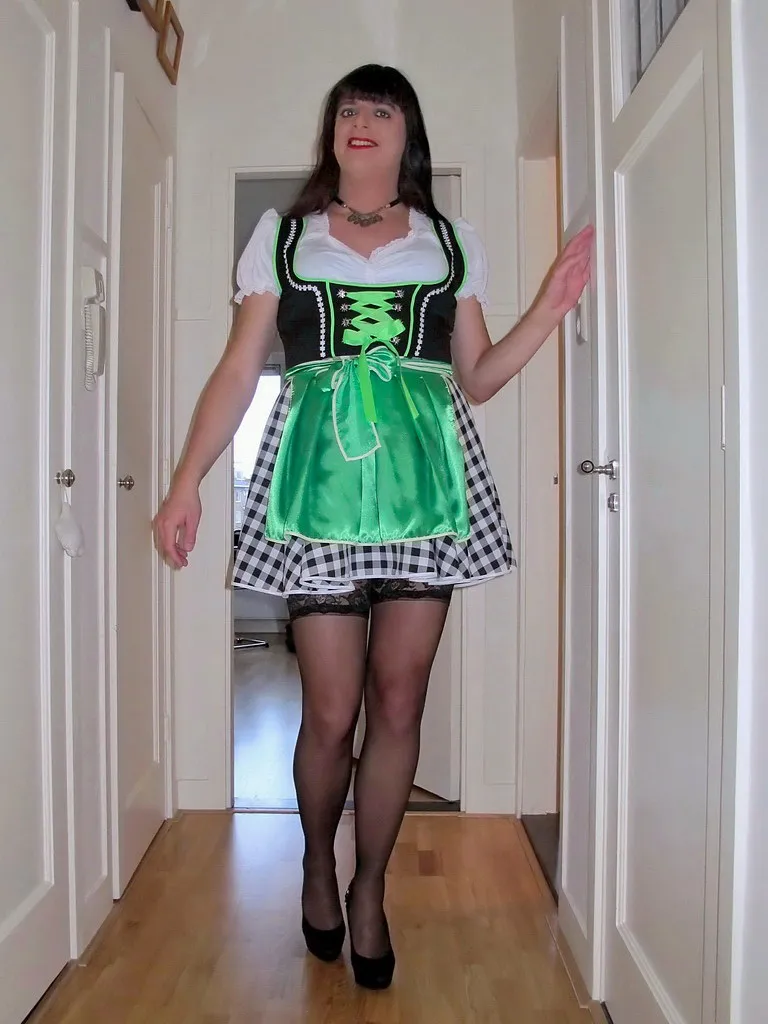
The Dirndl is the classic choice for women, consisting of four distinct components: a fitted bodice (Mieder), a blouse (Bluse) — usually white with puffy or ruffled sleeves — a full skirt (Rock), and an apron (Schürze). The skirt can range from above-the-knee for a modern look to ankle-length for a more traditional silhouette. Pay close attention to where you tie your apron bow — it traditionally signals your relationship status. A bow on the left means you are single, a bow on the right means you are taken, a bow in the front signals a virgin, and a bow tied at the back indicates a widow or someone who is working.
Dirndl sizing runs a little different from standard clothing. Because you will be dancing, sitting on benches, and spilling things all day, choose a fit that allows some movement rather than a perfectly tailored silhouette. The blouse, however, can run slightly smaller — its purpose is famously to emphasize the neckline, which the locals call the Balkon (balcony).
Some women find dresses uncomfortable for a long day of drinking and prefer a more practical alternative. "Ladyhosen" are female versions of Lederhosen that have become increasingly popular and stylish in recent years. These leather shorts offer the same traditional look while providing more freedom of movement for dancing on benches. Pairing them with a feminine button-up blouse — gingham, striped, or ruffled — creates a unique look that is perfectly acceptable in any beer tent. You can also wear men's Lederhosen, which come in more lengths and color options than the female-cut versions.
- Traditional Dirndl Components
- Bodice (Mieder): tight-fitting, structured vest
- Blouse (Bluse): short-sleeved or long-sleeved, usually white
- Skirt (Rock): knee-length, midi, or ankle-length
- Apron (Schürze): colorful outer layer, bow placement carries meaning
Men's Attire: Lederhosen and Shirt Etiquette
Men typically wear Lederhosen, which are durable leather breeches that often feature intricate embroidery and rustic buttons. Authentic versions are made from goatskin, cowhide, deerskin, or the most premium option, chamois or elk leather. The different lengths have actual names: very short versions are Platterhosen, standard above-the-knee are classic Lederhosen, and shin-length versions are Bundhosen. As a tourist, calling them all Lederhosen is fine, but knowing the distinctions tells you what to shop for.
A common tourist mistake is reaching for a checkered shirt. While checkered and blue-and-white shirts are widely worn today, a plain white or light-coloured linen shirt (Hemd) is actually the most traditional choice. Long sleeves rolled up to the elbow is the classic field-worker look you will see everywhere in the tents. The Oktoberfest food and beer guide explains why you need durable clothes for the lively tent environment.
Suspenders (Hosenträger) should not be dismissed as optional. The chest cross-plate between the straps is an opportunity to add design flair and many locals use it to signal club or regional affiliations. If your Lederhosen fit correctly at the waist you can skip them, but a word of warning: after several liters of Maß (currently about €15 each), suspenders are what keep your leather breeches in place. Long woolen socks with funky patterns finish the look — going without socks will immediately mark you as an Oktoberfest rookie.
Buying Your Outfit: Amazon vs. Authentic (and the €50 Rule)
Budgeting for your outfit is essential. The most important rule: spend at least €50 to €100 for a basic outfit that reads as genuine Trachten. Below that threshold you are in Halloween-costume territory — thin polyester, garish colors, and cuts that make locals wince. These cheap versions lack the structure to survive a day of beer spills, bench-dancing, and crowded aisles. The bouncers at some tents will even turn away people wearing obvious costumes.
Amazon is not automatically off-limits. The problem is not the platform — it is the product. There are genuinely good German Trachten brands on Amazon (Alte Liebe, Edelnice Trachtenmode, Bavaria Trachten) that produce perfectly acceptable Dirndls and Lederhosen in the €70–100 range. The issue is that Amazon also sells those one-piece, short-skirt polyester "Beer Garden Babe" sets for €20. Knowing the difference is the whole skill. Avoid anything where the Dirndl and blouse are one piece, anything with "costume" in the title, and anything shown with a fake beer prop in the product photo.
| Source | Price Range | Material | Durability | Local Reaction |
|---|---|---|---|---|
| Party shop / cheap Amazon | €15–30 | Thin polyester | One day, maybe | Mocked; may be refused tent entry |
| Mid-range Amazon (reputable brands) | €70–120 | Cotton-poly blend or light wool | Several events | Acceptable; passes as genuine |
| Munich shop (Kaufingerstrasse / Marienplatz area) | €100–300 | Wool, linen, quality leather | Many years | Respected; staff advise on fit |
| Second-hand Munich (Flohmarkt, Vintage shops) | €10–80 | Varies; often wool or real leather | Very durable if well kept | Often more authentic than mid-range new |
| High-end boutique | €300–500+ | Silk, deerskin, hand-embroidery | Decade-long heirloom | Indistinguishable from locals |
Buying in Munich gives you the chance to try on different sizes and receive expert advice from shop assistants who know exactly what fits and what will fall apart by lunchtime. The second-hand markets in Munich are one of the city's best-kept secrets for Trachten — authentic pieces at clearance prices, sometimes as low as €10 for a Dirndl that a local family no longer needs. Check The Guardian: Is it ever OK to wear sexy versions of traditional dress? for more on the cultural nuance of outfit choices.
Footwear, Accessories, and the Charivari
Choosing the right footwear is a critical decision because you will likely spend hours standing, walking, and dancing on wooden benches. Traditional Haferlschuhe are the classic choice for men — a side-laced, low ankle boot with a sturdy rubber or leather sole. Women often choose comfortable flats, Mary Janes, or ankle boots that can handle sticky tent floors. Avoid high heels at all costs: the floorboards in the tents are uneven, and you will be standing on benches.
Socks matter more than most visitors expect. Men should wear thick wool loafer socks or Wadlestrumpf (calf-length knitted socks with decorative patterns) — going without socks marks you as a first-timer immediately. Women typically pair their outfit with knee-high stockings or ankle socks depending on skirt length.
One accessory that most tourist guides skip entirely is the Charivari — a decorative fob chain or cluster of small charms worn on the front of Lederhosen or hung from the bodice of a Dirndl. Locals use the Charivari to display miniature animal teeth, coins, or regional symbols that carry personal meaning. You can find simple Charivari pieces in Munich souvenir shops for €10–30, and wearing even a basic one signals that you did your homework. It is the kind of small detail that locals notice and appreciate. Women should also note that large bags are banned from the festival; a small cross-body bag or a traditional Dirndl purse (Dirndltasche) is the practical choice for keeping essentials close.
Addressing the "Silly Tourist" Fear: Cultural Appreciation vs. Appropriation
Many travelers worry that wearing traditional Bavarian clothing might be seen as offensive or as cultural appropriation. Cultural appropriation, at its core, is about adopting elements of a minority group's culture in a disrespectful or exploitative way. Bavarian Trachten does not fit that frame — locals actively want international visitors to wear it, because it signals that you take the festival seriously. The offense is wearing a mocking cartoon version, not wearing authentic Trachten respectfully.
In Munich, locals generally view tourists in genuine Trachten as a sign of appreciation and respect for their heritage. The key is to choose an outfit that looks like real clothing rather than a cartoonish "sexy" caricature. Authenticity in your choice of fabric and fit goes a long way in showing that you value the tradition. Avoid costumes that include offensive props or low-quality materials that look like this example of low-quality one-piece Dirndls from online retailers.
If you wear the clothes with a positive attitude and an open mind, you will be welcomed with open arms. Locals are often happy to give tips on how to improve your look or tie your apron correctly. Focus on the fun of the event and let the traditional attire enhance your connection to the Bavarian spirit.
Age and Comfort: Can I Wear a Dirndl as an Older Woman?
There is a common misconception that traditional Bavarian dress is only for younger people or those looking to party. In reality, Trachten is a dignified style that looks exceptionally elegant on older women and men. The association with "short and revealing" outfits is a product of the cheap Halloween-costume market — not of genuine Trachten, which comes in every length and silhouette imaginable. Older women often choose longer skirts that fall below the knee for a more classic and sophisticated appearance, and high-quality fabrics like silk and velvet provide a level of comfort and refinement that suits all ages perfectly.
Many local grandmothers wear their finest Dirndls to the festival every year as a way to celebrate their heritage. You will never look out of place if you choose a well-fitted, traditional garment that makes you feel confident. In fact, a mid-length silk Dirndl on an older woman often looks more authentically Bavarian than a short version on a twenty-year-old tourist. Prioritize comfort by selecting breathable fabrics and supportive shoes that allow you to enjoy the full day without fatigue.
The festival is a genuinely multi-generational event. Families attend together, and Trachten is worn by children, grandparents, and everyone in between. If you need reassurance: this is one place where age genuinely does not factor into whether you belong in traditional dress.
What to Wear if You Choose Normal Clothes
If you decide that traditional clothing is not for you, wearing "normal" clothes is a valid choice and you will not be refused entry. Most people who skip the Trachten opt for a smart casual look — dark jeans with a neat shirt or a simple blouse. Avoid gym clothes, very bright colors, or anything attention-grabbing in the wrong way. Plain and neat reads as intentional; loud patterns read as oblivious.
Here is the honest trade-off worth considering before you decide:
- Skip the Trachten: Save €50–150. No outfit to plan or carry home. Slightly easier logistically on travel days. But: you will feel like a spectator when the singing starts, you will be identifiable as a first-timer to every local, and many visitors say afterward that they wish they had dressed up.
- Wear Trachten: Costs €70–150 minimum for something respectable. Requires planning. But: you blend into the crowd, interactions with locals multiply, and the outfit itself becomes part of the memory. Most people who dress up say it was the right call.
A middle-ground option exists for men: wear the traditional Trachten shirt (Hemd) tucked into regular dark trousers. It signals effort without requiring leather breeches. Women can tuck a ruffled blouse into shorts for a similar half-nod to the festival dress code. Consider whether is Oktoberfest worth it for you before making any final decisions about how much to invest in the experience.
Practical Packing: Weather and Beer Tent Essentials
The weather in Munich during late September and early October can be quite unpredictable and often chilly, particularly in the evenings. It is wise to bring a light jacket, a traditional wool cardigan, or one of the sleeveless collarless Trachten jackets that are sold in many Munich shops. Inside the tents, the temperature rises quickly due to the large crowds and the energy of the live bands. Women in short Dirndls should consider layering with stockings and a cardigan for the walk to and from the grounds.
Bring only the essentials: cash for beer and food, your identification, and a mobile phone for photos. Remember that beer spills are common, so avoid bringing expensive items that are difficult to clean or repair. Large bags are banned from the Wiesn, so plan accordingly — a small cross-body bag or a Dirndltasche is all you need. Check the Oktoberfest dates and opening times to plan your arrival and departure around the weather and tent opening hours.
One practical detail many visitors miss: shoes matter as much as the outfit. A full day at Oktoberfest involves more walking than most people expect, plus standing on wooden benches during the toasts. Choose footwear you can spend eight hours in. Your outfit can be impeccable, but the wrong shoes will end your day by early afternoon.
Frequently Asked Questions
What should tourists wear to Oktoberfest?
Tourists should ideally wear traditional Bavarian Trachten, such as a Dirndl for women or Lederhosen for men. If you prefer not to dress up, smart casual clothes like jeans and a nice shirt are perfectly acceptable. Just avoid cheap, low-quality costumes that look like Halloween outfits.
Is it okay to wear normal clothes to Oktoberfest?
Yes, it is completely okay to wear normal clothes to the festival. You will not be denied entry to the tents for wearing jeans and a t-shirt. However, you might feel more like a part of the celebration if you wear at least one traditional accessory. Check where to stay for Oktoberfest to be near the action.
What is the female outfit called at Oktoberfest?
The traditional female outfit is called a Dirndl, which consists of a bodice, blouse, skirt, and apron. Another modern and popular option for women is "Ladyhosen," which are leather breeches similar to the men's version. Both styles are widely accepted and celebrated throughout the Munich beer tents.
Visiting Munich for more than one festival? See our complete guide to festivals and events in Munich.
Choosing what to wear to Oktoberfest is an exciting part of the journey to Munich. Whether you go for a full Dirndl or simple jeans, the most important thing is to enjoy the festive spirit. Respect the local traditions, stay comfortable, and prepare for a memorable experience in the beer tents. With the right outfit and a positive attitude, you are ready to celebrate the world's largest folk festival.
Free guide: Europe's Festival Calendar
A month-by-month map of Europe's unmissable festivals — with the best dates to visit each and a local tip you won't find in the guidebooks.
You might also like


Continue reading
More guides you'll find useful