The History Of Oktoberfest Explained Travel Guide
Discover the history of Oktoberfest explained: from a royal wedding in 1810 to a global festival. Learn key dates, traditions, and what to expect today.
On this page
The History Of Oktoberfest Explained
Every September, millions of visitors pour into Munich for Oktoberfest — the largest folk festival on earth. Most people know the beer tents, the brass bands, and the lederhosen. Far fewer know how a royal wedding in 1810 gave birth to an event that now draws around six million guests each year. Understanding the history of Oktoberfest explained helps you appreciate why every tradition inside the Theresienwiese exists.
Part of our European Festival Traditions Explained series.
Free guide: Europe's Festival Calendar
A month-by-month map of Europe's unmissable festivals — with the best dates to visit each and a local tip you won't find in the guidebooks.
How Oktoberfest Began in 1810
The story starts with a middle-class officer named Andreas Michael Dall'Armi. As a member of the Bavarian National Guard, he proposed celebrating the royal wedding with a public horse race. King Max I Joseph approved the idea, and the festivities were set for October 12, 1810.
Crown Prince Ludwig married Princess Therese of Saxe-Hildburghausen in the city center that day. The celebrations lasted five days and ended with Oktoberfest's founding horse race on a meadow outside Munich's gates. Children in Bavarian folk costumes offered flowers, poems, and fruit to the royal family. The meadow was named Theresienwiese — "Therese's fields" — in honor of the bride, and locals still call it "the Wiesn" today.
There were no beer tents or fairground rides at that first gathering. It was simply a public celebration anchored by a horse race. Dall'Armi received Munich's first gold citizens' medal in 1824 for his role in starting it all. His grave sits in Munich's Old Southern Cemetery, and a street in the Neuhausen-Nymphenburg district bears his name.
Oktoberfest Becomes a Municipal Event
After 1810, Bavarians quickly agreed they wanted the celebrations to continue every year. Without the royal wedding as an anchor, a new organizer was needed — and the Bavarian Agricultural Association stepped in. The association used the festival as a showcase for their produce and livestock.
History was not always cooperative. The Napoleonic Wars forced the first cancellation in 1813, just three years after the festival began. Funding remained private and inconsistent until 1819, when the city of Munich formally adopted Oktoberfest as an official annual municipal event. City leaders recognized it drew crowds, generated revenue, and had genuine community value.
That 1819 municipal takeover is the moment the festival became permanent. It shifted from a one-off celebration into an institution — setting the stage for everything that followed in the 19th century. Oktoberfest has been cancelled more than 25 times since then, but it always returned.
The 19th Century: Bavaria, Milestones, and Difficult Years
The 1850s brought a major landmark: the Bavaria statue was unveiled on the Theresienwiese in 1850, becoming the festival's guardian symbol. Yet milestones kept alternating with crises — wars and cholera outbreaks caused repeated cancellations throughout the century. The pattern of celebration and disruption is woven into Oktoberfest's DNA from its earliest decades.
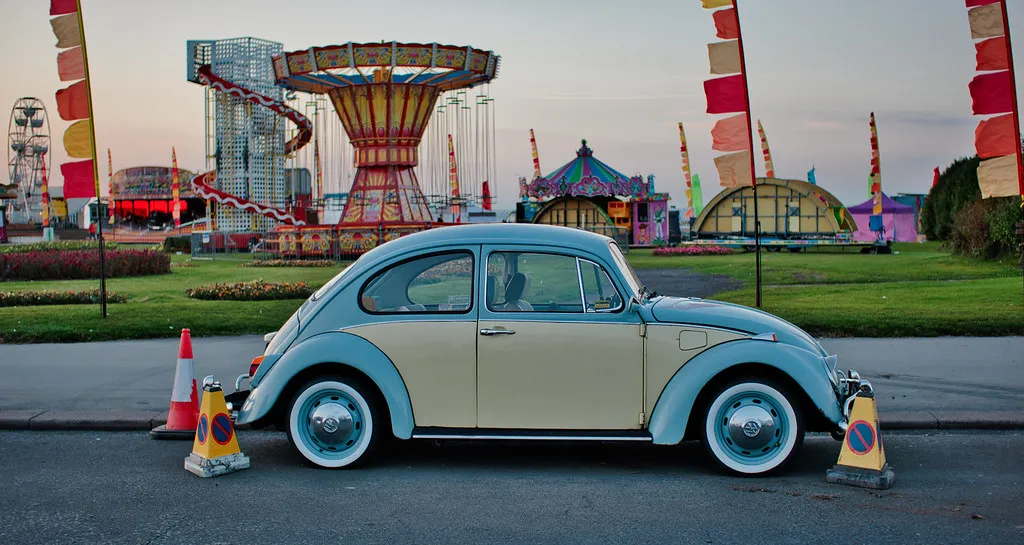
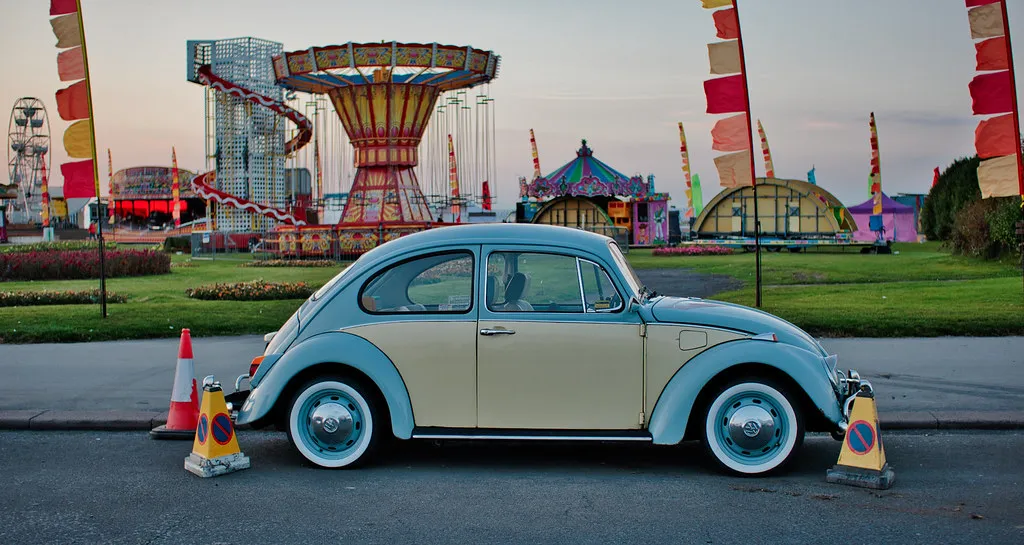
Entertainment expanded alongside the food and drink. In 1818, the first carousel and two swings appeared on the grounds — a modest start for what would become one of Europe's great fairground traditions. The 1880s brought a boom in the German fairground industry, and the variety of rides and amusements grew rapidly from that point. Showmen and their attractions have been a defining feature of the Wiesn almost from the beginning, sitting alongside the beer stalls in equal importance.
Food culture also deepened during this period. In 1881, the first Hendlbraterei — a chicken rotisserie — opened on the Wiesn, launching the iconic roasted chicken that remains a festival staple. By the late 19th century, Oktoberfest had developed most of the core character it still carries today. For a broader look at how European festivals evolved alongside it, our guide to European festival etiquette and customs adds useful context.
How Beer Took Over the Festival
Beer was not always the centerpiece of Oktoberfest. In 1825, Munich authorities capped beer vendors at 18 and arranged them in a circular layout called the Wirtsbudenring. That arrangement defined the festival grounds for decades.
The shift toward large beer tents began in the 1890s. Starting in 1895, Munich's major breweries began erecting temporary beer halls that could seat around 1,500 visitors. In 1898, festival host Georg Lang opened the first truly large beer tent — his "1st Bavarian Giant Hall" — replacing five smaller booths. By 1907, six brewery-owned festival halls had taken over, replacing the old small-stall ring entirely.
The layout we recognize today was formalized in 1930 when the city reorganized the grounds into the current Wirtsbudenstraße and Schaustellerstraße. Those large tents became the enduring symbol of the Wiesn — and the main reason Oktoberfest is now synonymous with beer worldwide.
- 1825: Munich caps beer vendors at 18, forming the Wirtsbudenring.
- 1895: Large breweries begin building temporary halls for 1,500 guests.
- 1898: Georg Lang opens the first giant beer tent on the Theresienwiese.
- 1907: Six major brewery halls replace the old circular stall arrangement.
- 1930: City reorganizes grounds into today's Wirtsbudenstraße layout.
The Six Breweries and the Beer of Oktoberfest
Only six breweries are legally permitted to serve beer inside the Theresienwiese tents: Augustiner-Bräu, Hofbräu, Hacker-Pschorr, Löwenbräu, Paulaner, and Spaten. Each must be headquartered and brewed within the city limits of Munich — a strict condition rooted in historic Bavarian brewing regulations that no outside brewery has ever overturned. This means no imported craft beer, no regional Bavarian labels from Nuremberg or Regensburg, and no exceptions regardless of size or fame.
The beer style served at Oktoberfest also has its own history. For most of the 20th century, breweries produced a specific amber lager called Märzenbier — brewed in March, lagered through summer, and consumed at the festival. Augustiner quietly switched to a paler Festbier in 1956, and by the 1970s the other five breweries followed. Today the standard Oktoberfest pour is a golden, slightly stronger lager at roughly 6% alcohol, served in a 1-litre glass called a Maß. In 2026, a Maß at a major tent costs between €14.90 and €15.30 depending on the brewery and location.
Augustiner remains the only brewery that still serves its beer from traditional wooden barrels rather than steel kegs — a distinction that earns it a loyal following among those who visit specifically for the old-school pour. If you plan to seek it out, the Augustiner-Festhalle is in the northern section of the grounds, closer to the main entrance on Theresienwiese.
Oktoberfest in the 20th Century: Ups and Downs
The 20th century tested the festival repeatedly. Both world wars forced cancellations, as did the economic crises of the interwar years. Each time, Oktoberfest returned — usually larger and more elaborate than before. On its 100th anniversary in 1910, the Pschorr-Bräurosl tent alone served 12,000 hectoliters of beer and seated 12,000 people.
A beloved ritual was born in 1950 when Munich's mayor Thomas Wimmer tapped the first beer barrel at the Schottenhamel tent. His effort took 17 strokes — the most in tapping history and a record that stands to this day. The mayor's cry of "Ozapft is!" — Bavarian for "It's tapped!" — has been the official opening signal ever since. Since 1980, the Bavarian Minister-President receives the first mug poured by the mayor.
After World War II, the obligatory horse race that originally started it all was only revived twice: in the anniversary year 1960 and again in 2010 for the 200th anniversary. The race that once anchored the entire celebration is now largely a ceremonial memory, kept alive only on milestone occasions.
The Oktoberfest Bombing of 1980
The darkest moment in Oktoberfest's history came on September 26, 1980. A bomb exploded at the main entrance to the Theresienwiese, killing 13 people — including the attacker, Gundolf Köhler — and injuring more than 200 visitors. It remains one of the worst terrorist attacks in modern German history.
The original investigation closed without a definitive conclusion on motive. A formal reinvestigation was opened in 2014 and concluded in 2020, confirming that it was an act of right-wing extremist terrorism deliberately timed to influence the 1980 federal election. The delayed confirmation was a source of deep pain for survivors and victims' families who had pressed for decades for the case to be taken seriously.
A commemorative event is now held annually at the Theresienwiese to honor those killed. A memorial plaque marks the site near the main entrance. For visitors who want to understand the full weight of the festival's history, pausing at that memorial is a meaningful act — it sits just steps from where millions of people arrive each day in celebration.
How Oktoberfest Is Celebrated Today
Today, Oktoberfest draws around six million visitors each year from across the world. The festival runs from late September through the first Sunday in October — a timing shift from the original October dates, made to capture better weather. Tents open each morning, and the party atmosphere builds throughout the day.
One lesser-known rule shapes the atmosphere significantly. Festival tents are required to play only quiet, traditional Bavarian brass band music until 18:00. After that, the louder party music takes over. This rule, introduced in 2005, created what locals call the "quiet Wiesn" — a more relaxed daytime experience that works well for families and those who want to focus on the food, the beer, and the history rather than the noise.
The festival also hosts a dedicated historical zone called the Oide Wiesn. Launched as a special exhibit for the 200th anniversary in 2010, it proved so popular that it now runs every year in the southern part of the Theresienwiese. The Oide Wiesn features historical rides, traditional music, and even a revival of the original horse race. It only pauses when the Bavarian Central Agricultural Fair takes over the southern grounds every four years. If you want a deeper dive into why European festivals like these endure, that context rounds out the picture well.
Frequently Asked Questions
Why is Oktoberfest held in September if it's called Oktoberfest?
The original 1810 festival ended in October, but the dates were shifted earlier over the years to take advantage of warmer late-September weather. Today the festival begins in late September and closes on the first Sunday in October. The name stuck even after the calendar moved.
When did Oktoberfest officially start?
Oktoberfest began on October 12, 1810, as a public horse race held to celebrate the wedding of Crown Prince Ludwig of Bavaria and Princess Therese. The city of Munich made it an official annual event in 1819. Check our European festival history guides for more on how similar traditions became permanent.
What does Ozapft is mean?
"Ozapft is" is Bavarian dialect for "It's tapped" — the words Munich's mayor calls out after striking the first beer barrel open at the Schottenhamel tent. This tradition started in 1950 and now officially signals the start of Oktoberfest each year. The minister-president of Bavaria receives the first beer poured.
How many times has Oktoberfest been cancelled?
Oktoberfest has been cancelled more than 25 times since 1810, most often due to the Napoleonic Wars, both World Wars, cholera outbreaks, and economic crises. It was also cancelled in 2020 and 2021 due to the COVID-19 pandemic. Despite repeated interruptions, it has always returned.
What is the Oide Wiesn?
The Oide Wiesn is a historical section of Oktoberfest held in the southern part of the Theresienwiese. It launched in 2010 for the festival's 200th anniversary and has run annually since then. It features vintage rides, traditional music, folk dancing, and a revival of the original horse race that started it all.
Visiting Munich for more than one festival? See our complete guide to festivals and events in Munich.
Oktoberfest grew from a single horse race into the world's largest folk festival over more than two centuries. Its history includes royal weddings, wartime cancellations, beer tent empires, a terrorist attack, and a strict six-brewery rule that still shapes every glass poured on the Wiesn. Knowing that backstory makes every tent, every brass band, and every "Ozapft is!" feel more meaningful when you're there. For more on the wider world of European celebrations, explore our coverage of European festival etiquette and customs before you go.
Free guide: Europe's Festival Calendar
A month-by-month map of Europe's unmissable festivals — with the best dates to visit each and a local tip you won't find in the guidebooks.
You might also like


Continue reading
More guides you'll find useful