Trier Christmas Market Travel Guide
Plan your visit to the Trier Christmas Market with top picks, timing tips, and practical booking advice for a smoother trip to Germany's oldest city.
On this page
Trier Christmas Market
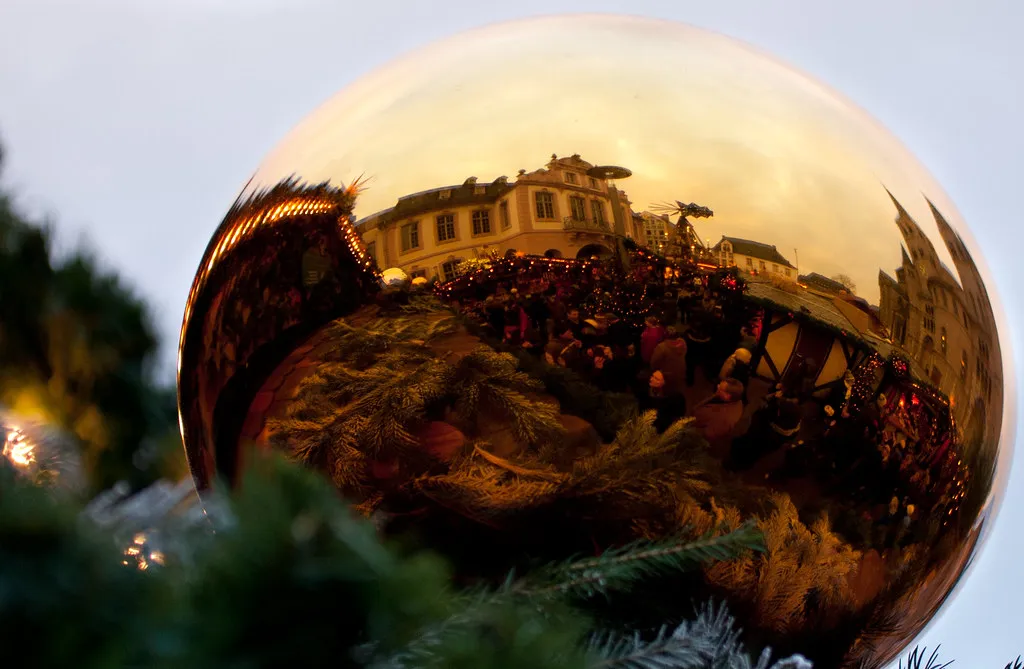
The Trier Christmas Market (Weihnachtsmarkt) runs from 20 November to 22 December 2026 in the heart of Germany's oldest city. Set against UNESCO World Heritage Roman ruins and medieval stonework, the Hauptmarkt becomes one of the most atmospheric advent markets in the country. Voted "Best Christmas Market in Germany" in 2024, it draws on 2,000 years of layered history that no modern city market can replicate.
Around 90 to 100 decorated wooden stalls spread across two distinct squares. The combination of Roman, Romanesque, and baroque architecture in a single compact Altstadt is what separates Trier from the big-city markets. Entry is free throughout the entire season.
Free guide: Europe's Festival Calendar
A month-by-month map of Europe's unmissable festivals — with the best dates to visit each and a local tip you won't find in the guidebooks.
Trier Christmas Market 2026: Dates, Times, and Location
The market runs from 20 November to 22 December 2026. Opening hours vary slightly by day: Monday to Thursday 11:00–20:30, Friday and Saturday 11:00–22:00, and Sunday 11:00–20:00. Admission is free. The market does not open on Christmas Day.
One date to note: the market closes on 22 November 2026 (Totensonntag, a Protestant day of remembrance observed as a public holiday in the Rhineland-Palatinate). This catches many visitors off guard, especially those arriving on a weekend. Plan your visit around this closure if you are traveling from abroad.
The market divides across two venues a short walk apart. The main cluster of stalls sits at the Hauptmarkt, Trier's medieval central square, framed by half-timbered buildings and the 15th-century Steipe townhouse. The second, quieter section occupies the Domfreihof (Cathedral Square) in the shadow of Trier Cathedral. Santa is stationed at the Domfreihof, making it the better choice for families with young children. Both venues are within five minutes of each other on foot.
What Makes the Trier Christmas Market Worth Visiting
The market's signature attraction is its connection to the Moselle wine region. Trier is home to Germany's only Glühwein Mulled Wine Queen, who presides over the market and represents the local vintners. The drink on offer is not generic Glühwein but Winzerglühwein — mulled wine made by actual Moselle winegrowers using estate Riesling grapes. Warm, slightly drier, and noticeably more refined than the supermarket-style versions sold at larger markets.
Entertainment at the market includes traditional puppet theatre, interactive fairytale performances, and hands-on workshops organized by the German Christmas Academy. These run on scheduled slots throughout the advent season and are well-suited to children and curious adults alike. If you enjoy smaller, less commercialized events, also consider the best small and secondary christmas markets in europe as companion destinations on the same trip.
The UNESCO World Heritage backdrop matters in a practical sense: you are shopping for handmade ornaments within metres of the Porta Nigra, a Roman city gate that has stood since the 2nd century. The Trier Cathedral, completed in the 4th century, looms directly over the Domfreihof stalls. No other German Christmas market offers a setting quite like this.
Food and Drink at the Trier Christmas Market
Regional specialties define the food offer here. Trierer Lebkuchen are slightly spiced biscuits made to a local recipe distinct from the Nuremberg variety. Christstollen — the dense festive bread loaded with dried fruit, marzipan, and nuts — is sold at multiple stalls and travels well as a gift. Kartoffelpuffer (potato pancakes) come either savoury with sour cream or sweet with apple sauce; both versions are served hot off the griddle.
At the grills, Bratwurst and Flammkuchen (thin-crust flatbread from the nearby Alsace border region) are the most popular savories. For something sweet, Gebrannte Mandeln (roasted cinnamon almonds) and Schokofrüchte (fresh fruits dipped in chocolate) appear at stalls across both squares. Feuerzangenbowle — a theatrical hot rum punch made by setting a sugar cone alight over the bowl — is worth ordering at least once for the spectacle alone.
Vegetarian and vegan options are plentiful. Gluten-free options exist but are limited. The market is pet-friendly, though the organizers advise against bringing dogs during the busiest weekend afternoons when the squares become very dense.
What to Buy at the Trier Christmas Market
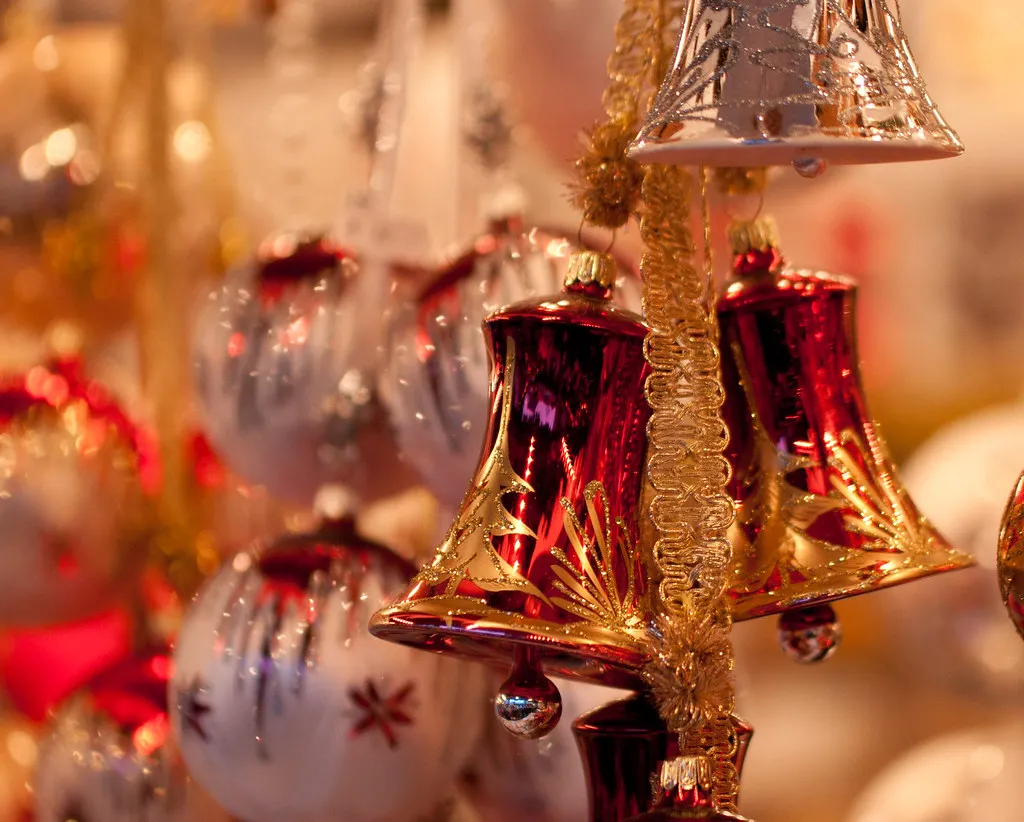
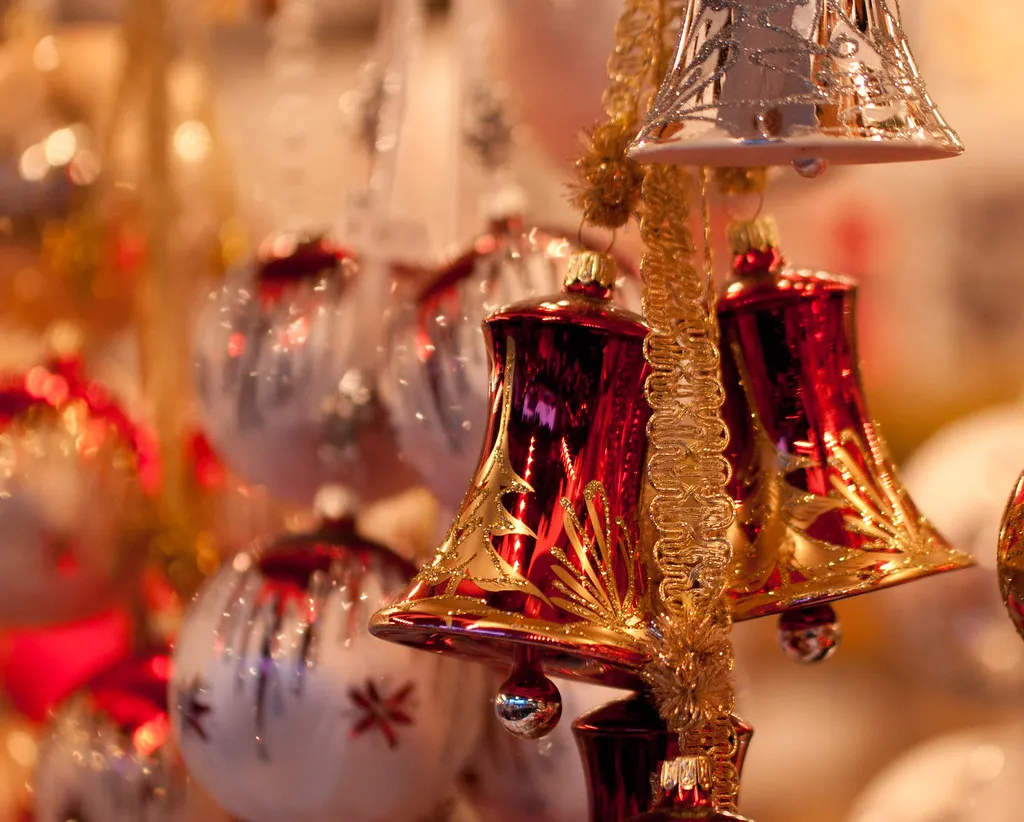
The craft stalls at Trier lean toward genuinely handmade goods rather than mass-produced imports. Glass, wood, and ceramic ornaments from small regional makers are the main draw. Wooden toys — animals, vehicles, and dolls — are popular with younger visitors and tend to be better quality than those at larger urban markets.
Local Mosel wine is one of the best purchases you can make here. Bottles of estate Riesling or Weißherbst (a German rosé) are sold directly by the winegrowers who also supply the Winzerglühwein stalls. Prices are competitive with cellar-door rates. Nativity scenes carved from local wood and hand-knitted clothing (wool scarves, mittens, hats) fill out the gift options. Budget roughly €15–50 for ornaments, €8–20 for a bottle of Riesling, and €5–12 for hot food and drink.
Must-See Trier Attractions Near the Market
The Porta Nigra is the most dramatic landmark adjacent to the market. The dark sandstone Roman gate dates from around 170 AD and is within a five-minute walk of the Hauptmarkt. During the market season it is lit at night, and the combination of Roman stonework and festive lights is visually striking. Admission costs €4 for adults.
Trier Cathedral (Hoher Dom St. Peter) is the oldest cathedral in Germany and frames the Domfreihof market area directly. Entry to the main nave is free. The adjoining Liebfrauenkirche (Church of Our Lady) is a rare early Gothic structure worth a quick detour. The Rheinisches Landesmuseum Trier, a short walk from the center, holds the largest collection of Roman mosaics in Germany and is a useful wet-weather option if the market crowds become dense.
Visitors with an extra half-day should walk to the Kaiserthermen (Imperial Baths) and the Roman Amphitheater on the eastern edge of the old city. Both are UNESCO-listed and relatively uncrowded during the winter season. The Kaiserthermen are roughly 1.5 km from the Hauptmarkt.
How to Plan a Smooth Trier Christmas Market Visit
Book accommodation at least two to three months in advance for any weekend in December. Hotels near the Hauptmarkt sell out early. The Park Plaza Trier is a three-minute walk from the market and is known for sustainable practices and a central location. The official tourism office also offers a 'Magic of Advent in Trier' package that bundles overnight stays with guided tours and seasonal drink vouchers — a good value option for a first visit.
Trier's main train station (Trier Hbf) is a 12-minute walk from the Hauptmarkt. Direct trains run from Koblenz (approximately 80 minutes) and from Luxembourg City (approximately 40 minutes). Driving into the city center is not recommended during the market season: car parks fill quickly and the streets around the Hauptmarkt are pedestrianized. Public transport or arrival by rail is the right call.
Weekday mornings from 11:00 to 13:00 are the quietest window. The market is most crowded on Saturday afternoons and the first weekend of December. If you are comparing options for the same trip, the Wurzburg Christmas Market is another strong historic-city option in the Rhine-Main region. Both can be combined on a multi-day itinerary. For the full picture on what to expect from smaller, less-commercialized alternatives across Europe, see our guide to the best small and secondary christmas markets in europe.
Check the official market page at trier-info.de before traveling. Dates and closures (including Totensonntag on 22 November) are confirmed there each season. For the Munster Christmas Market and other German alternatives, our site covers the full range of options if Trier dates do not fit your schedule.
Sustainable Visiting Tips
Trier is best reached by rail, and the organizers actively ask visitors to avoid driving into the city center during the market season. The bus network within Trier is reliable and connects the train station to the Hauptmarkt in under five minutes. A reusable bag is practical for market purchases and keeps single-use packaging minimal.
When choosing where to stay, hotels with sustainability certifications are available in the city center. Park Plaza Trier is one option noted for its environmental initiatives. Supporting the winegrowers selling directly at the market — rather than buying from generic souvenir chains — puts money into the regional economy and gives you a better product. Order plant-based or vegetarian food at the stalls if you want to reduce the environmental footprint of your visit further: the selection is genuinely good.
Frequently Asked Questions
Is the Trier Christmas Market worth visiting?
Yes, it is highly regarded for its historic atmosphere and authentic goods. The market is set against UNESCO Roman ruins and medieval buildings. It offers a more traditional feel than larger city markets.
What time does the Trier Christmas Market open?
The market typically opens at 11:00 AM daily during the advent season. It stays open until 8:00 PM on weekdays and 10:00 PM on weekends. Always check the official website for daily changes.
What is the most Christmassy city in Germany?
Trier is often cited as one of the most festive cities due to its age. The combination of Roman history and medieval architecture creates a unique winter setting. Many visitors find it more charming than modern cities.
The Trier Christmas Market remains a premier destination for anyone seeking holiday magic. The blend of Winzerglühwein, UNESCO architecture, and genuinely handmade crafts gives it a character that larger city markets simply cannot match. Book early, arrive by train, and plan around the 22 November closure — and the market will deliver.
Free guide: Europe's Festival Calendar
A month-by-month map of Europe's unmissable festivals — with the best dates to visit each and a local tip you won't find in the guidebooks.
You might also like


Continue reading
More guides you'll find useful