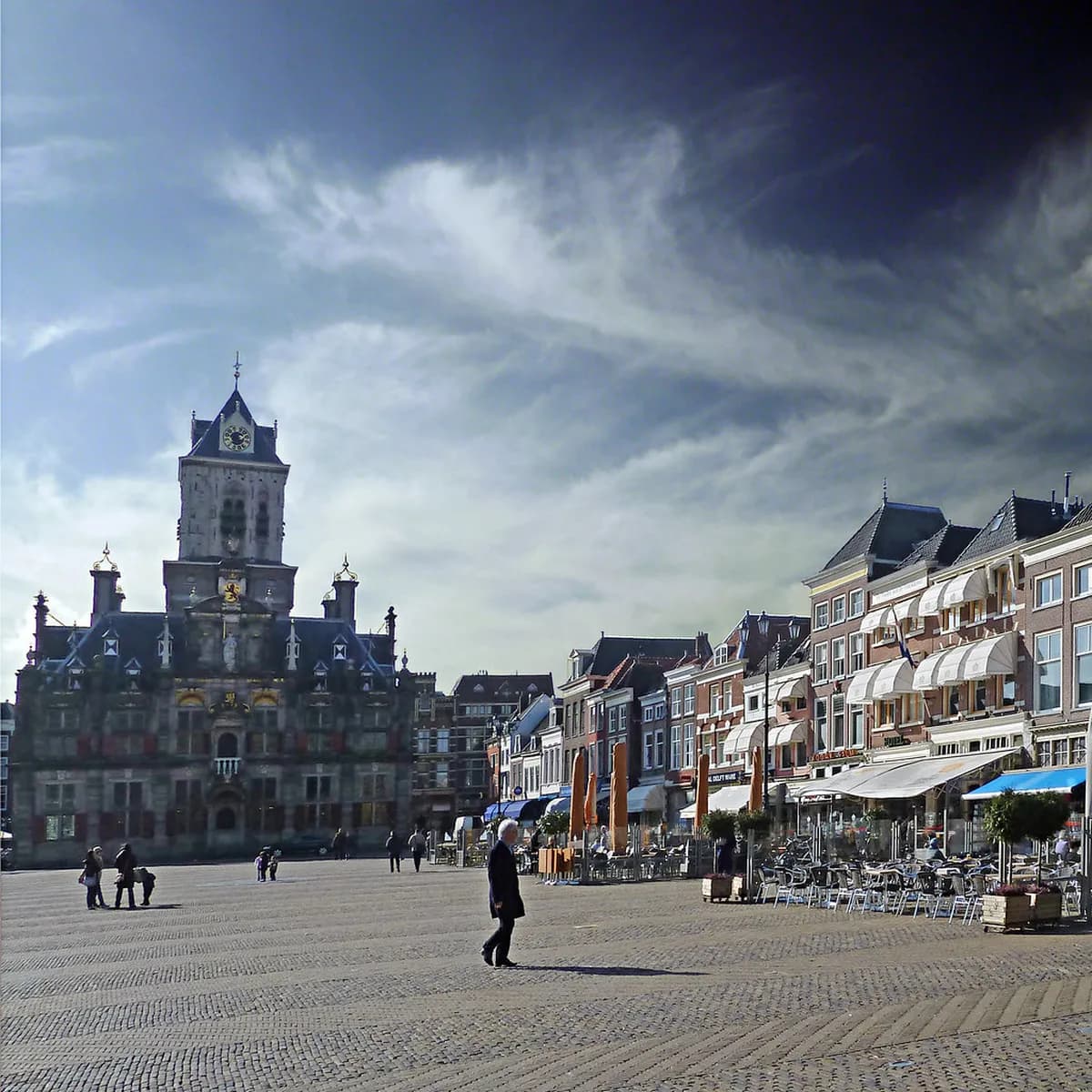
Europe In March Travel Guide
Europe in March: catch Las Fallas (March 15-19) and St Patrick's Day, with the Canaries at 20-25C and Seville hitting 22C, all at shoulder-season prices.
On this page
Europe In March
March is one of the most rewarding times to visit Europe, sitting neatly between the quiet of winter and the buzz of peak summer. Crowds are thinner at famous landmarks, accommodation costs less, and daylight hours are growing fast across the continent. Most countries see around 12 to 13 hours of daylight by mid-March, making each day feel genuinely generous for sightseers. Whether you want warm southern sunshine or atmospheric medieval streets dusted with early spring flowers, spring festivals and events across Europe give March a calendar that punches well above its weight.
The big decision in March is north versus south. Southern destinations like Seville, Sicily, and the Canary Islands offer temperatures that can hit 20°C or higher. Northern cities like Amsterdam or Oslo are cooler but reward visitors with far fewer queues and a quieter local pace. Knowing which trade-offs suit your travel style will help you pick the right destination from the strong list below.
Free guide: Europe's Festival Calendar
A month-by-month map of Europe's unmissable festivals — with the best dates to visit each and a local tip you won't find in the guidebooks.
Why Visit Europe in March?
March falls squarely in the shoulder season, which translates to real savings on flights, hotels, and guided tours. Popular sights like the Colosseum in Rome or the Uffizi in Florence are accessible without summer queues. For budget-conscious travelers, this timing alone makes March one of the smartest windows of the year.
Spring events add genuine energy to cities that might otherwise feel slow after winter. St. Patrick's Day, Venice Carnival, Las Fallas in Valencia, and the Budapest Spring Festival all fall in or around March. This means you can pair a city break with a once-a-year cultural experience at no extra planning effort. Our European festival calendar by month breaks down exactly what is happening and where each week.
Nature lovers also find March rewarding, as wildflowers begin to appear in Mediterranean coastal regions. Keukenhof gardens in the Netherlands open in mid-March, kicking off the famous Dutch tulip season. Madeira earns its nickname the "Island of Eternal Spring" precisely because blooms peak during this month.
Europe Weather in March: What to Expect
The simplest rule for March weather in Europe is to go further south for more reliable warmth. Canary Islands temperatures hover between 20 and 25°C, making them a genuine beach option even in early spring. Seville and other Andalusian cities in southern Spain regularly reach 20°C or above, perfect for outdoor dining and long afternoon walks. Madeira Island sits in its own mild micro-climate all year, with March temperatures typically between 13 and 18°C.
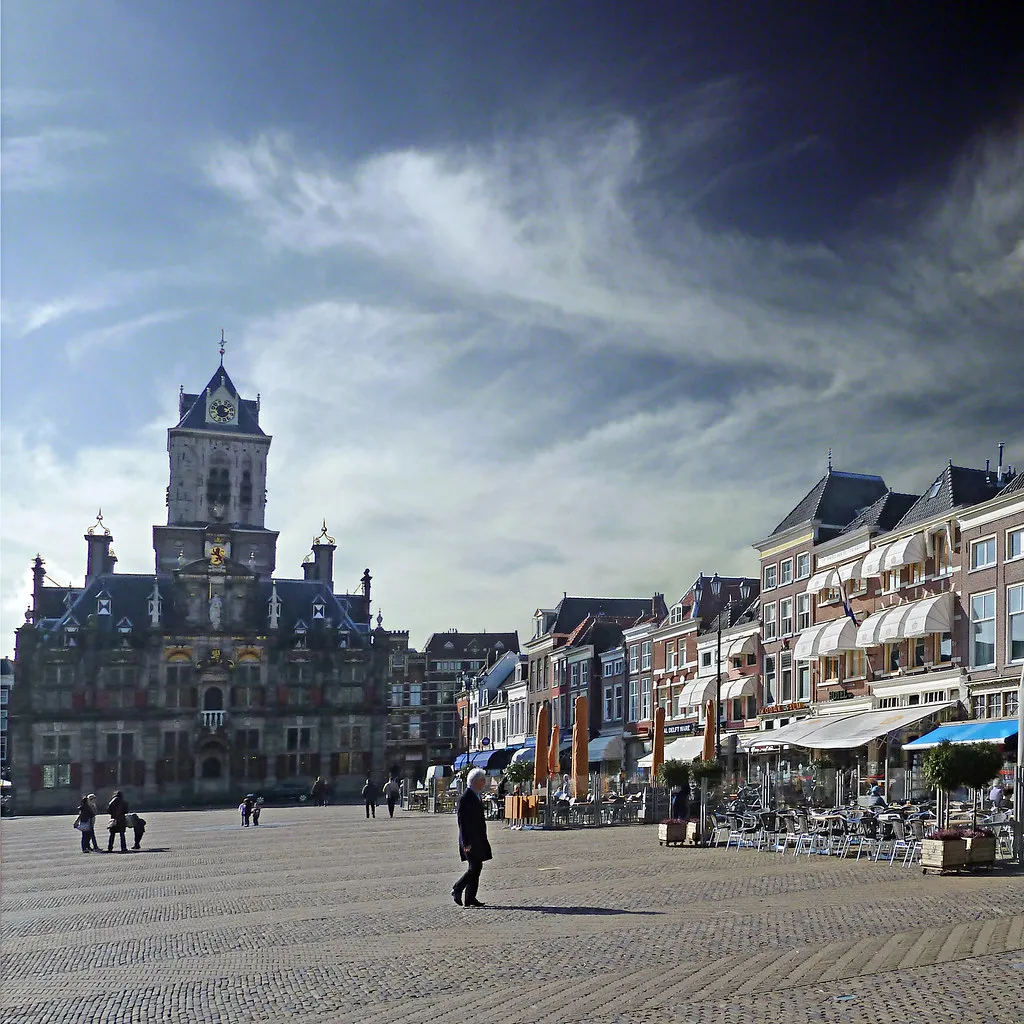
Central European cities like Prague and Budapest sit between 0 and 11°C in March, which feels cool but not prohibitive for sightseeing. Layers and a good waterproof jacket handle the conditions comfortably. Rain is possible across most of the continent, so packing a compact umbrella is always wise.
Further north, Oslo can see between 10.5 and 13.5 hours of daylight depending on when in the month you visit. That is a dramatic increase from the depths of winter and changes the feel of a northern European trip considerably. The UK also gains an extra hour when British Summertime begins on the last Sunday in March, stretching evenings pleasantly.
Best Cities to Visit in Europe in March
The destinations below offer the best combination of weather, atmosphere, and practical value for a March trip. Each one has a distinct character, so the right choice depends on what you are actually looking for. Compare the trade-offs carefully before booking, since temperatures and crowd levels vary more than most guides admit.
One differentiator most guides skip is the budget gap between western and eastern Europe in this month. Cities like Prague, Budapest, and Palermo cost noticeably less for accommodation and food than Paris or Amsterdam. If budget is a concern, April sees prices rise again as summer crowds build, making March the last reliable window for value.
- Seville, Spain — Average temperatures range from 8 to 22°C. Stroll the Alcázar gardens before summer queues arrive and dine outdoors under blooming orange trees. Best for travelers who want sun without peak prices.
- Prague, Czech Republic — Average temperatures from 1 to 8°C. Old Town and Charles Bridge are calm and photogenic, and mulled wine stalls linger into early March. Best for atmosphere-seekers on a moderate budget.
- Florence, Italy — Average temperatures from 5 to 16°C. The Uffizi Gallery is manageable without summer wait times, and early spring light flatters the city's warm stone buildings. Best for culture-focused trips.
- Palermo, Sicily — Average temperatures from 13 to 18°C. Ballarò Market is one of Europe's most vibrant street food scenes, and Arab-Norman architecture rivals any northern Italian city. Best for food travelers seeking mild heat.
- Madeira, Portugal — Average temperatures from 13 to 18°C. Wildflowers peak across the island this month, and Levada trail hikes pass through lush green mountain scenery. Best for nature lovers wanting warmth without a beach-only focus.
- Paris, France — Average temperatures from 4 to 13°C. The Louvre and Versailles are far quieter than in summer, and café terraces begin reappearing as the city shakes off winter. Best for a classic city break with room to breathe.
Dubrovnik, Croatia in March
Dubrovnik in March is a genuinely different experience from the packed summer version most travelers know. Average temperatures sit between 10 and 15°C, mild enough for walking the famous city walls for hours without discomfort. The Adriatic views from those walls look just as dramatic in spring light, but without crowds pressing in from every angle.
The Old Town's marble streets and limestone buildings feel almost meditative when the lanes are quiet. Restaurants in the Old Town open earlier in the season and often offer better table availability than in peak months. A boat ride to Lokrum Island — just a short crossing from the harbor — is relaxed and uncrowded in March. The island has peacocks wandering freely through botanical gardens and the ruins of a Benedictine monastery.
A practical tip most visitors miss is the Buža Bar, cut into the cliff face outside the city walls. It offers unobstructed sea views and a cold drink perched directly above the Adriatic. In March the bar is calm, the sea is a deep blue, and you can claim a seat without the summer scramble.
Budget-wise, March is Dubrovnik's sweet spot before the shoulder season price rises of April and May. Accommodation in the Old Town and nearby Lapad neighborhood runs at noticeably lower rates. Book ferry connections to the Elaphiti Islands or to Hvar early, as March sailings have reduced schedules.
Where to See Spring Blooms in Europe in March
March is when large parts of Europe move from grey to green almost overnight, and a few destinations are built entirely around that transition. Keukenhof in the Netherlands opens in mid-March each year, transforming 32 hectares near Lisse into a carpet of tulips, daffodils, and hyacinths. Pair the gardens with a cycle through the surrounding bulb fields for a view that no photo fully captures.
The Scottish Highlands offer a different kind of spring spectacle, with snow-dusted peaks above glens filling with wildflowers and birdlife. March also brings a realistic chance of seeing the Northern Lights from Scotland, as the season still produces long, dark evenings in the far north. Lake Bled in Slovenia sits between these two extremes — snow may still dust the surrounding peaks while the lake itself begins to thaw, creating mirror-still reflections beneath the island church.
Corfu in Greece delivers Mediterranean bloom at its best. The island's UNESCO-listed Old Town is surrounded by olive groves and almond trees in flower, and the spring wildflower displays on its hillside trails are among the most underrated nature walks in southern Europe. Mild temperatures of 10 to 16°C make hiking comfortable without the July heat.
Where Does It Snow in Europe in March?
March is the last reliable month for alpine skiing across much of Europe, and the conditions are often excellent — snowpack is deep, days are longer, and après-ski crowds are thinner than in peak January. St. Moritz in Switzerland offers world-class groomed runs alongside ice skating and sleigh rides, with temperatures ranging from -10 to 5°C. Chamonix at the foot of Mont Blanc is the choice for those who want serious terrain and the Aiguille du Midi cable car for views over the snow-capped Alps, with temperatures from -5 to 4°C.
Lapland in northern Finland brings a different kind of winter: more daylight than in December, pristine snow, and activities like dog sledding, snowmobiling, and snowshoeing through forests that feel genuinely remote. March is one of the final windows for experiencing the Northern Lights in Lapland before spring arrives. Temperatures range from -10 to -2°C, so proper layering is non-negotiable.
Affordable Destinations in Europe in March
March is the most budget-friendly window before Easter price rises, and some destinations reward that timing more than others. The Algarve in southern Portugal offers golden cliffs, seafood restaurants on the waterfront, and hiking trails above the Atlantic — all at lower rates than its summer prices. Temperatures from 10 to 19°C make it genuinely pleasant for outdoor activity rather than just beach-sitting, and the wild flower display along coastal trails is one of the most underrated sights in western Europe in spring.
Budapest stands out among capital cities for March value. Thermal baths like Széchenyi are operating at full capacity but at off-season prices, the Botanical Gardens are coming to life, and the Hungarian national holiday on March 15 — commemorating the 1848 Revolution — brings free outdoor celebrations to the city centre. Note that some shops and museums adjust their hours on that day, so check before you plan a full museum itinerary.
Crete offers a third option that most guides overlook in the spring context. The Samaria Gorge opens in mid-May, but many of Crete's ancient sites — Knossos, Phaistos, Heraklion's Archaeological Museum — are uncrowded and fully accessible in March. Accommodation rates are considerably lower than July, and the island's interior villages offer an authentic glimpse of Cretan life that the beach-season crowds obscure.
March Festivals and Events in Europe
Europe's festival calendar in March offers a mix of ancient tradition and modern celebration. Knowing the dates in advance matters because accommodation around major events fills weeks ahead. The guide below flags the key trade-offs so you can decide whether to plan around a festival or deliberately avoid the extra crowds.
One thing most guides understate is that festival timing affects the whole city, not just the event itself. St. Patrick's Day in Dublin, for example, turns the city into a week-long celebration rather than a single parade. Booking accommodation for the days surrounding March 17 requires planning at least two months out. For festival guides by season, our European spring festivals guide covers the full calendar in detail.
- St. Patrick's Day, Dublin, Ireland (March 17) — City-wide parades, live music, and pub culture throughout the week. Average temps: 5 to 11°C in Dublin. Book hotels at least 6 to 8 weeks ahead.
- Venice Carnival, Venice, Italy (late Feb to early March) — Dates shift annually; confirm the current year's schedule. Elaborate masks and masquerade balls dominate Piazza San Marco. Average temps: 5 to 13°C.
- Las Fallas, Valencia, Spain (March 15–19) — Enormous papier-mâché sculptures burned on the final night, with fireworks daily at 14:00 in the central Plaça de l'Ajuntament. Average temps: 10 to 20°C.
- Budapest Spring Festival, Budapest, Hungary (mid-March) — World-class opera, dance, and classical music at the Hungarian State Opera and Palace of Arts. March 15 is a national holiday; some shops close.
What to Pack for Europe in March
Packing for Europe in March is really about managing the gap between chilly mornings and mild afternoons. A light waterproof jacket worn over a mid-layer handles the widest range of conditions across northern and central Europe. In southern destinations like Sicily or the Canary Islands you can drop a layer, but evenings still cool down noticeably.
Comfortable waterproof shoes matter more in March than in summer, since cobblestone streets in cities like Dubrovnik or Prague can get slippery after rain. A compact umbrella tucks into any daypack and removes the need to buy one at twice the price from a street vendor. Pack at least one smart casual outfit for restaurant dinners and evening festival events, as dress codes in European dining rooms are still observed.
Bringing a small day bag rather than a large backpack makes navigating crowded festival zones and tight medieval streets significantly easier. For those coming from a February Europe trip, the shift in temperature from month to month is real, and March often needs one fewer heavy layer overall.
Frequently Asked Questions
Is March a good time to visit Europe?
Yes, March is an excellent time to visit Europe. Crowds are smaller than in summer, prices are lower, and daylight hours grow quickly through the month. Southern Europe offers genuinely warm weather, while central and northern cities are atmospheric and manageable with the right layers.
What part of Europe is warmest in March?
The warmest parts of Europe in March are the Canary Islands (20–25°C), Madeira (13–18°C), and Andalusia in southern Spain including Seville (up to 22°C). Sicily and Malta are also reliably mild. These destinations are the safest bets for outdoor dining and lighter clothing.
Are there any festivals in Europe in March?
March has some of Europe's most compelling festivals, including St. Patrick's Day in Dublin on March 17, Las Fallas in Valencia from March 15 to 19, the Budapest Spring Festival, and Venice Carnival if it falls in early March. See our European festival calendar for exact dates.
Is March too cold in Europe?
March is not too cold if you pack layers. Southern Europe is genuinely mild to warm, and central cities like Prague or Budapest sit between 1 and 11°C — manageable with a waterproof jacket. Northern Europe is cooler but compensates with rapidly growing daylight hours and far fewer crowds.
What is the cheapest European country to visit in March?
Eastern European countries offer the best value in March. Hungary, Romania, and Bulgaria have lower accommodation and food costs than western Europe, while still delivering excellent culture and sightseeing. Prague in the Czech Republic is also strong value compared to cities like Paris or Amsterdam in the same month.
Visiting Europe for more than one festival? See our complete guide to festivals and events in Europe.
Europe in March rewards travelers who plan even a little in advance. The combination of fewer crowds, lower prices, and early spring events makes it one of the most practical windows of the travel year. Whether you head south for warmth or embrace the atmospheric cool of central Europe, the destinations above each offer something competitors rarely capture: the sense of a city still belonging to the people who live in it.
Use the festival calendar to anchor your dates, then build outward from there. Check official venue pages for any events before finalizing bookings, since dates shift year to year. For what comes next, our guides to Europe in April and Europe in May cover the seasonal progression as crowds and temperatures rise together.
Free guide: Europe's Festival Calendar
A month-by-month map of Europe's unmissable festivals — with the best dates to visit each and a local tip you won't find in the guidebooks.
You might also like


Continue reading
More guides you'll find useful


